iDiv Summer School 2026: Passion for Collecting – Collection-Based Research in Plant Ecology

Application deadline


by 31 March 2026

Location


iDiv Leipzig, Puschstraße 4

Dates


24 to 28 August 2026


Content

Plant collections provide an ecologically valuable resource and range from living collections in botanical gardens, to stored collections in seed banks and herbaria. For many decades, collections have been primarily used to support taxonomic and systematic research. However, interest in using biological collections to capture, analyse, and understand plant or ecosystem responses to changes in land-use and climate continues to grow.

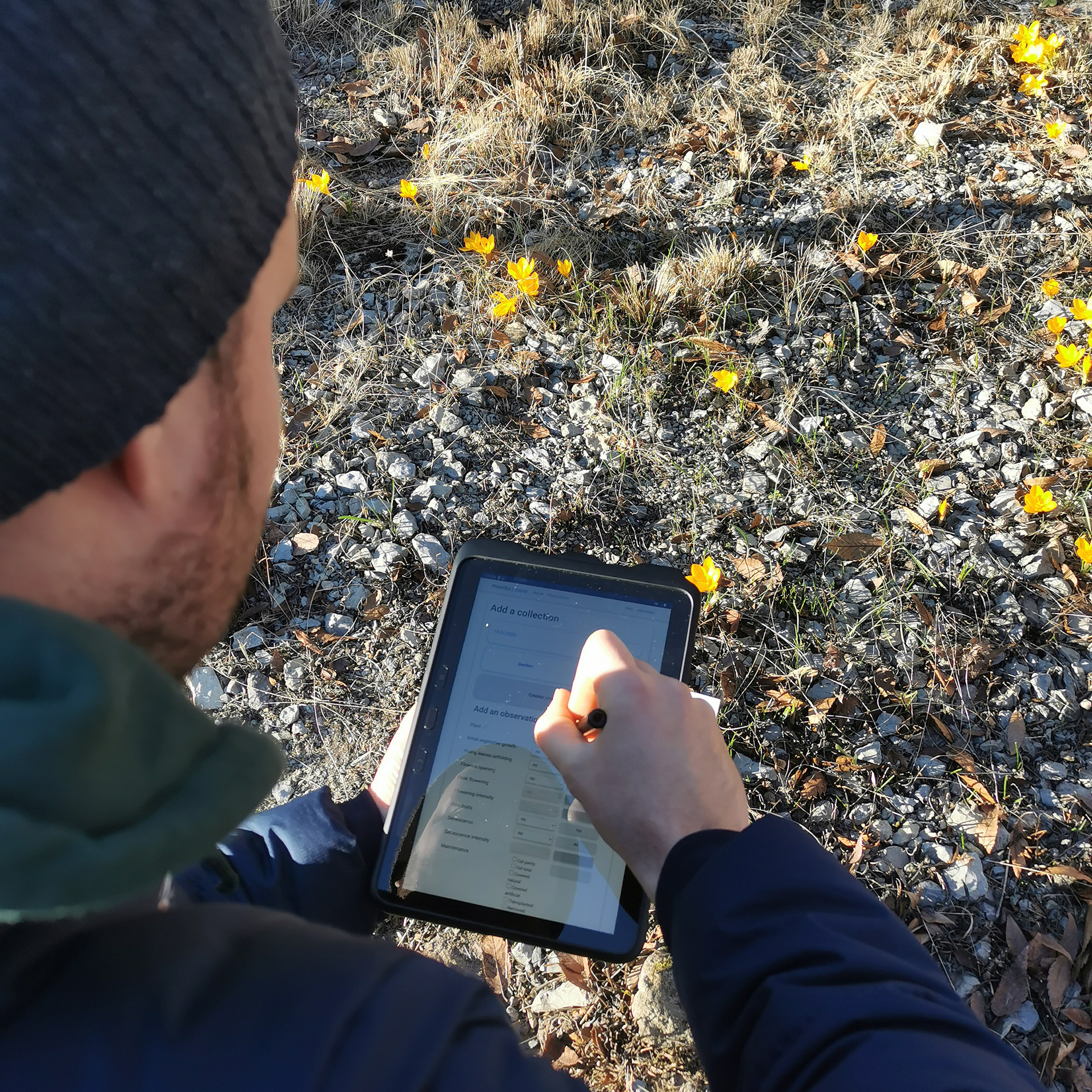
During the iDiv Summer School 2026, we want to give young scientists insights into different collections and how they can be utilised for ecological research. Participants will gather data using living collections of the botanical gardens in Leipzig and Jena, and the Herbarium Haussknecht (JE) in Jena. They will collect information such as the origin of the plants or specimens, measure functional traits and assess phenological stages. This approach will enable comparisons between species from all over the world, covering large taxonomic scales. The students will then analyse the data they have collected themselves, together with existing data, and present their findings.

Didactic aims and elements

The summer school is aimed at MSc students and doctoral researchers.

Participants will learn how to use herbaria for ecological research, in addition, they will learn to measure functional traits on living plants in the botanical garden and how to characterize different phenological stages

The focus of this course is on practical work by participants (hands-on sessions), followed by data analysis and presentations of results. These subjects are supplemented by lectures and discussions.

Basic statistical skills are required for this course. The analyses are performed using R software.


Lecturers

idiv-idiv-

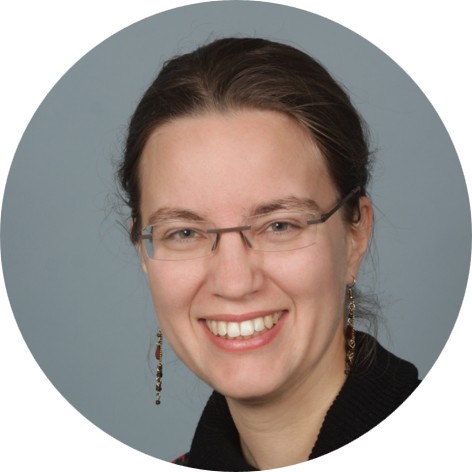
Solveig Franziska Bucher
I’m a scientist at the Senckenberg Institute for Plant Form and Function Jena. My recent work focusses on herbaria and digital Collectomics, i.e. the use of digital specimen in modern ecological research.

idiv-idiv-

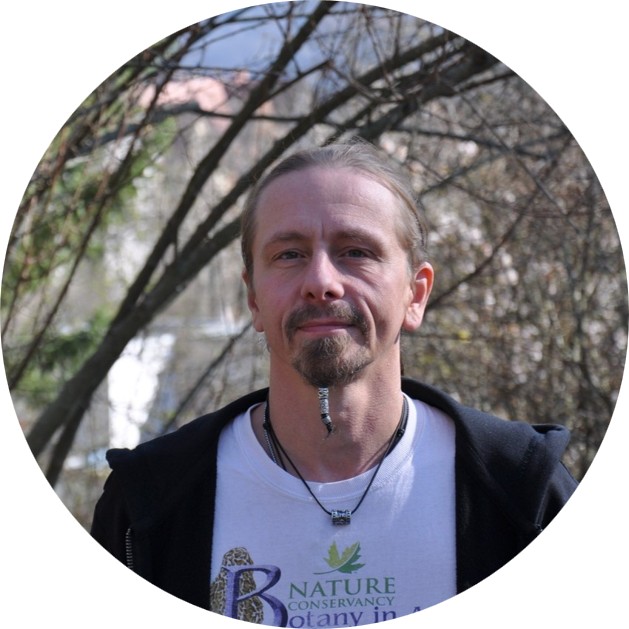
Sebastian Gebauer
I’m a scientist and curator at the Senckenberg Institute for Plant Form and Function in Jena. Since my PhD studies, I’ve focused on collection-based biodiversity research, for example on plant systematics, biogeography and ecology. As a curator, I’m also involved in the Collectomics framework at Senckenberg.

idiv-idiv-

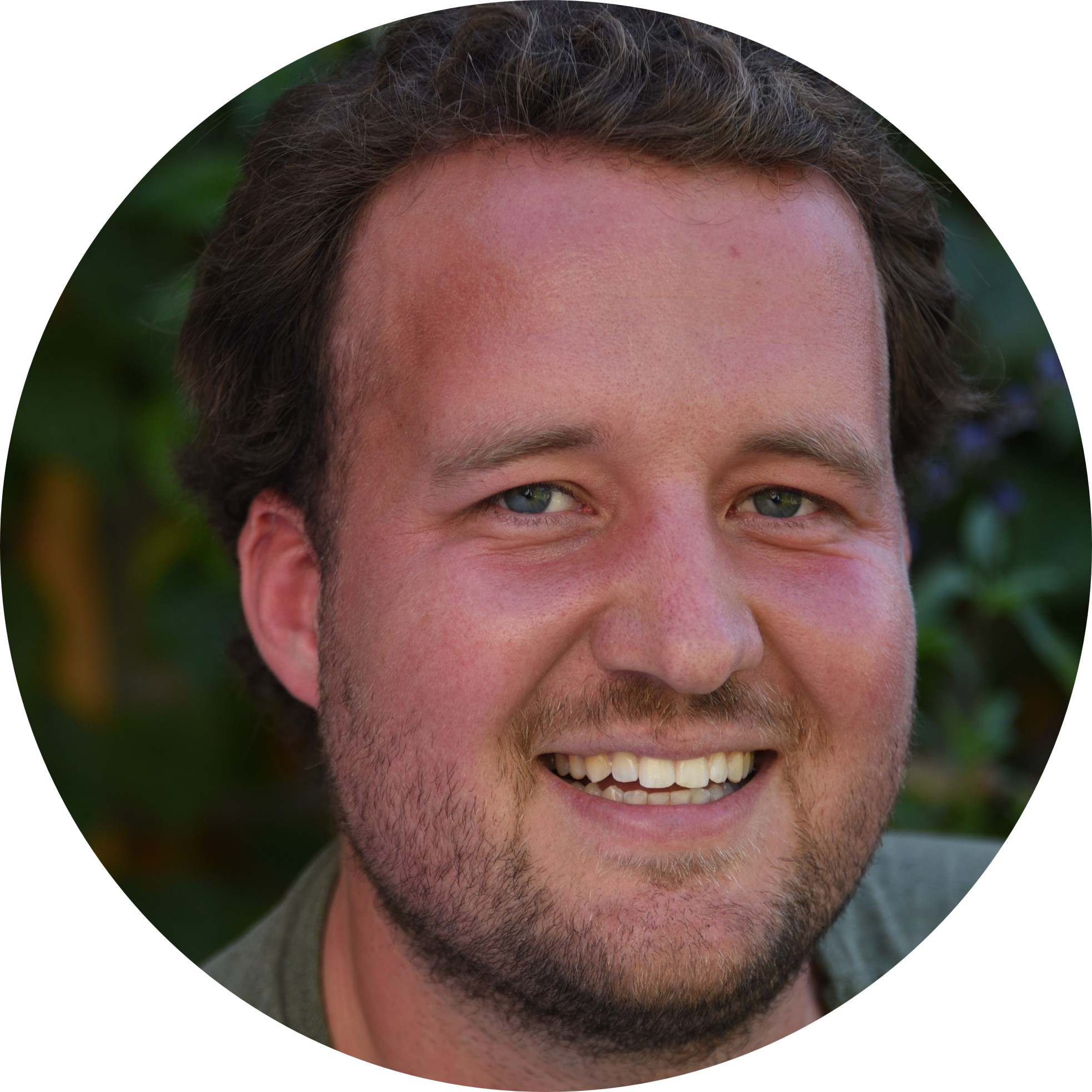
Robert Rauschkolb
Through coordinating the PhenObs project, I have gained extensive experience in how living collections in botanical gardens can be used for ecological, and particularly phenological research. In addition, as part of my PhD, I worked with material from seed banks to answer evo-ecological questions.


Costs

The total cost of the course is 350 euros without accommodation and 600 euros including accommodation.
This covers the costs of teaching and materials, coffee breaks and lunch, two dinners and the cultural programme. The participants will be provided a single room in a two-room apartment in the city centre (Apartment Central).

In addition, 2–3 fellowships are available to cover the registration fee and travel costs to Leipzig. These fellowships are for students from regions that are often underrepresented in science.

Applications are open until 31 March 2026

We are currently accepting applications from students from around the world!

There are no specific skills required. Participants should have a basic knowledge of statistical methods, advanced English skills and motivation to learn in an intercultural working environment.

Please submit your application via the iDiv application portal by 31 March 2026 and prepare to include the following information:

  1. Your name, position, home institution and contact details
  2. Upload a letter of motivation explaining why you would like to take part in the summer school and what you would like to learn. Please indicate whether or not you have experience working with collections (max. 500 words).
  3. In case you would like to apply for a fellowship (see section costs), provide a short statement.

The maximum number of participants is 12. The gender and nationality of applicants will be taken into account to maintain diverse participation. Applications from developing countries, in particular from female applicants, will be particularly welcome.

iDiv is a family-friendly workplace, and we offer various support for families. For the summer school participants, we offer on-site childcare during the daily programme. If you require this service, please let us know when you apply.

For questions about the summer school, please contact summerschool@idiv.de. We look forward to receiving your applications and hope to welcome you soon in Leipzig.

The iDiv Summer School 2026 is supported by

idiv-idiv-
idiv-idiv-