05.10.2026 | Blog Post, Experimental Interaction Ecology, iDiv, Soil Biodiversity and Functions
iDiv expert shares insights from landmark soil assessment
More
29.09.2026 | Biodiversity Conservation, Blog Post, Research
How can marine rewilding help ocean ecosystems recover?
More
28.09.2026 | Biodiversity Economics, Media Release
Historic fishery collapse holds lessons for the present
More
24.09.2026 | Biodiversity in the Anthropocene, Media Release, Research
Hot, cold, dry: Climate change shaped mammal diversity 66 to 23 million years ago
More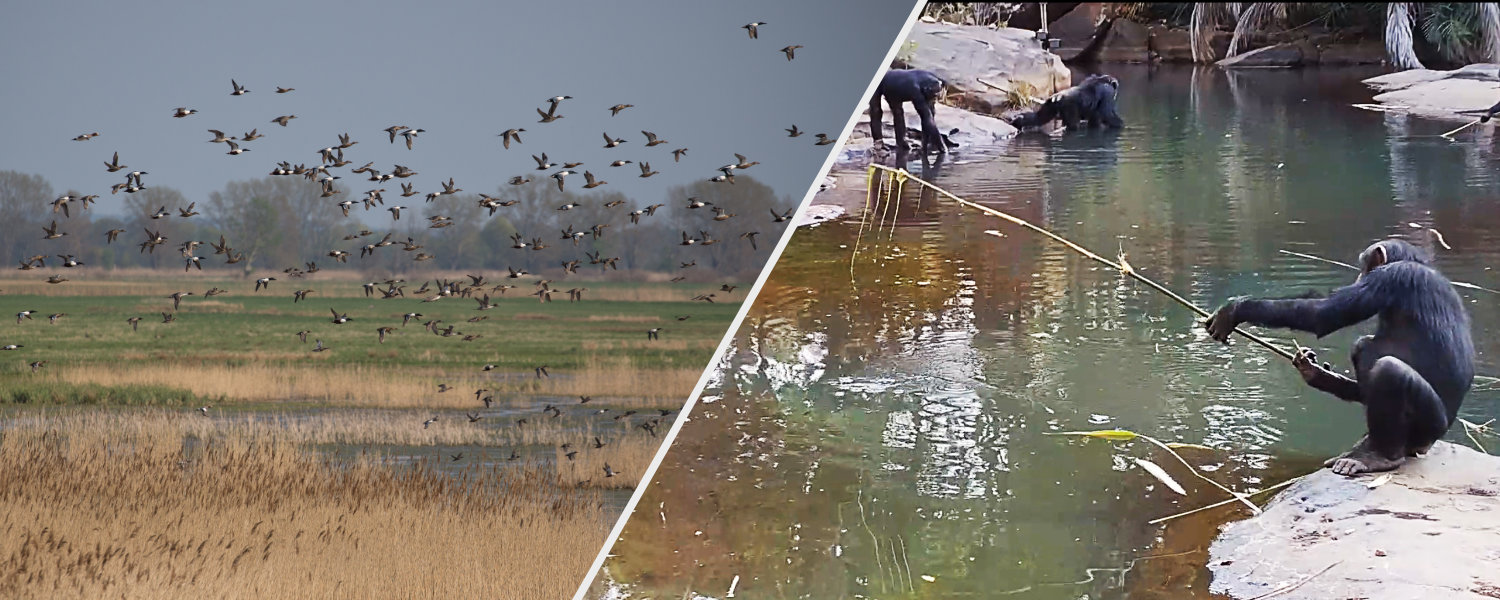
04.09.2026 | iDiv, Media Release
Two new junior research groups explore the future of biodiversity
More
05.08.2026 | Biodiversity and People, iDiv, Media Release
The scale of butterfly range shifts is far greater than previously known — affecting every continent
More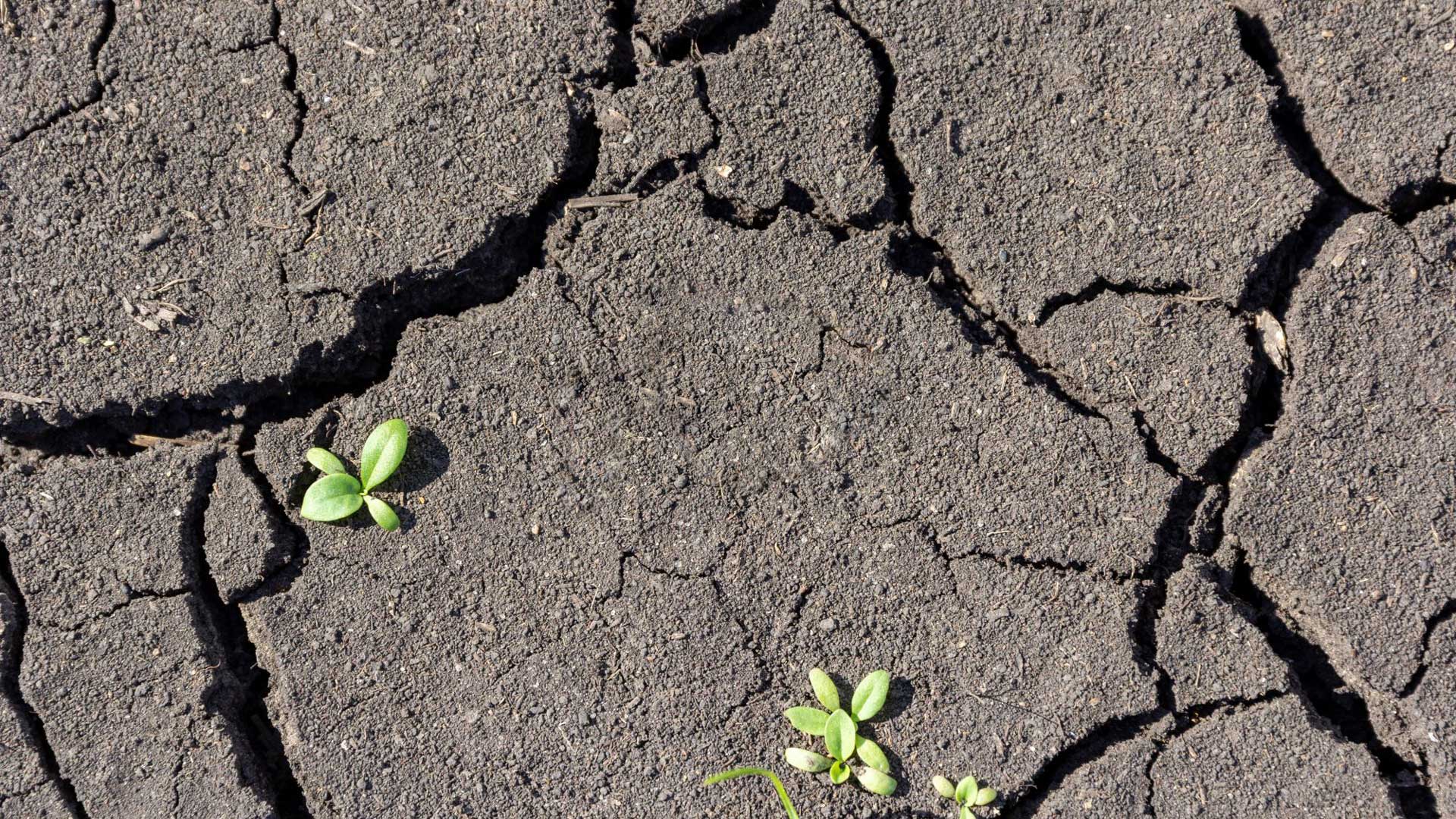
22.07.2026 | iDiv Members, Media Release
Changes in atmospheric circulation drive drought in Europe
More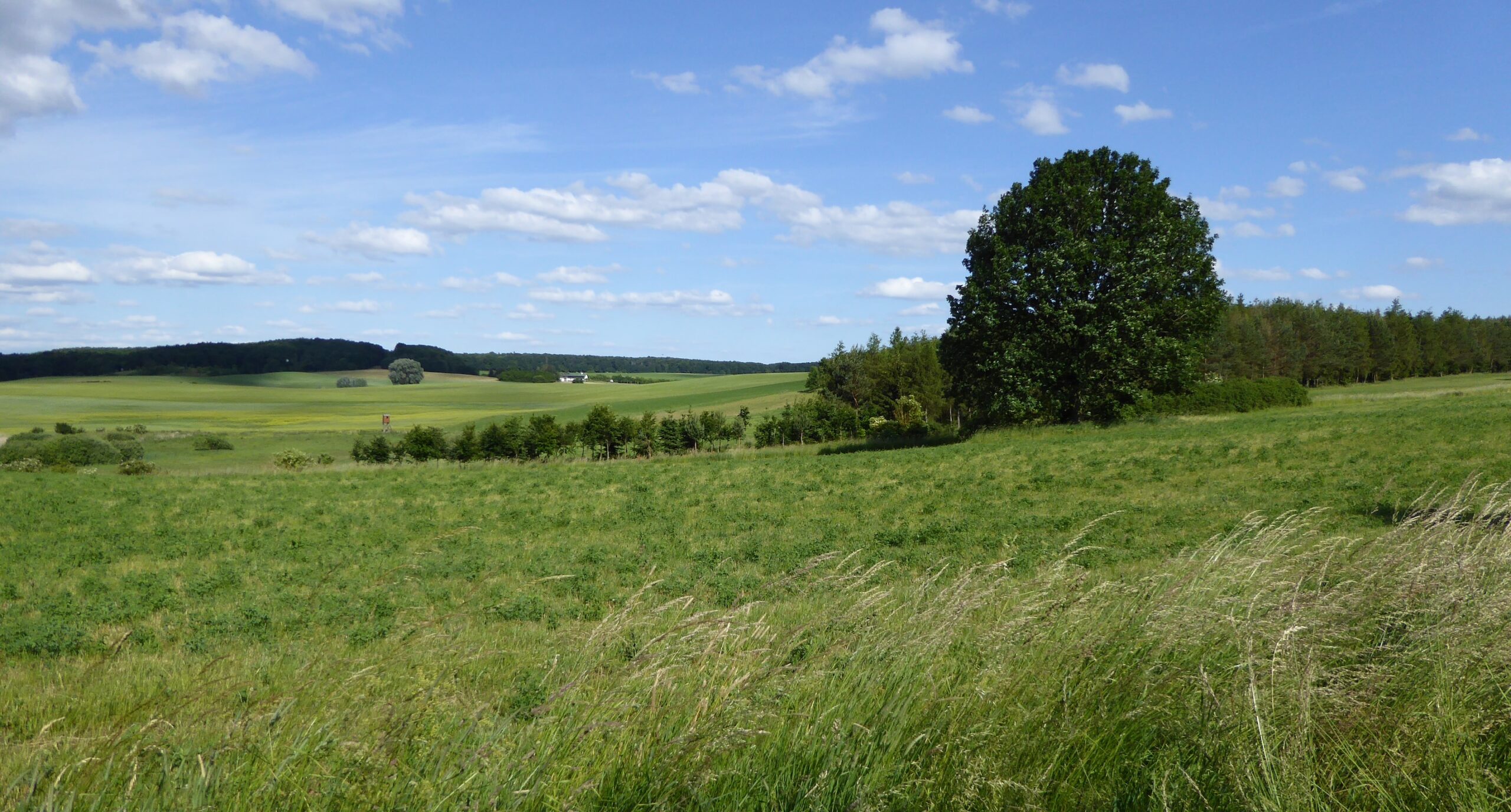
15.07.2026 | Experimental Interaction Ecology, Media Release, Research
Biodiversity does not enhance productivity equally across all ecosystems under climate extremes
More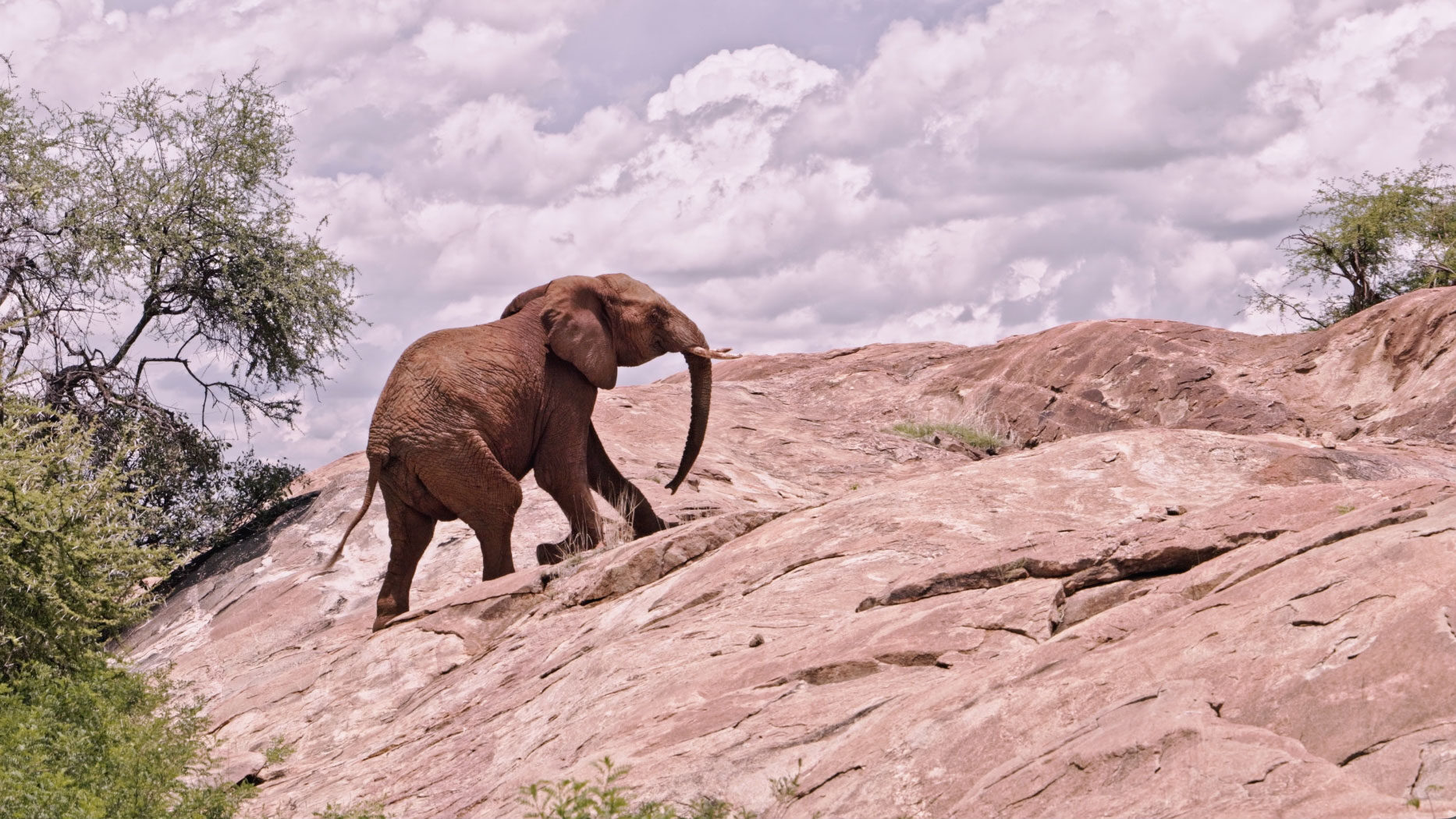
06.07.2026 | Media Release, Theory in Biodiversity Science
How did Hannibal get his elephants across the Alps?
More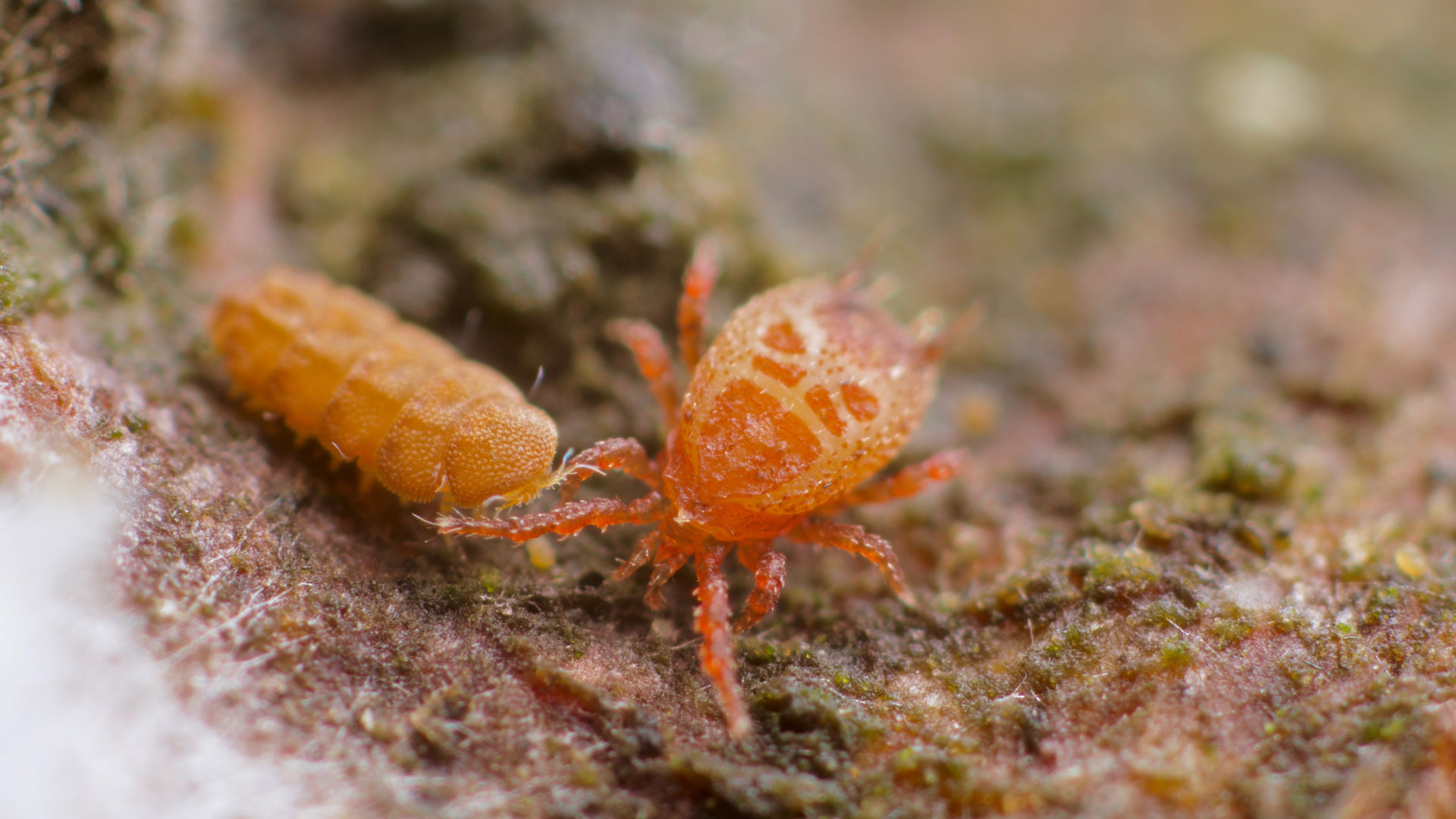
01.07.2026 | Experimental Interaction Ecology, Media Release, Theory in Biodiversity Science
Complex food webs sustain ecosystem functioning
More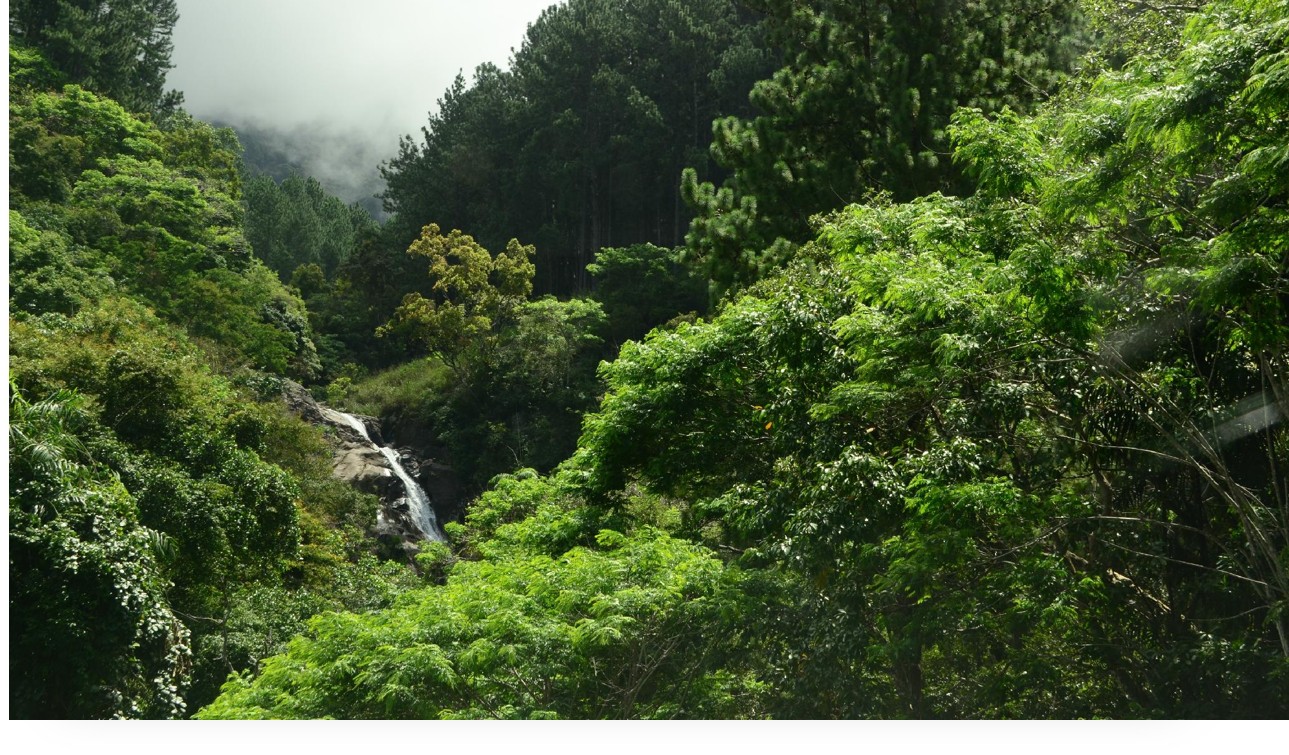
29.06.2026 | Media Release, Research
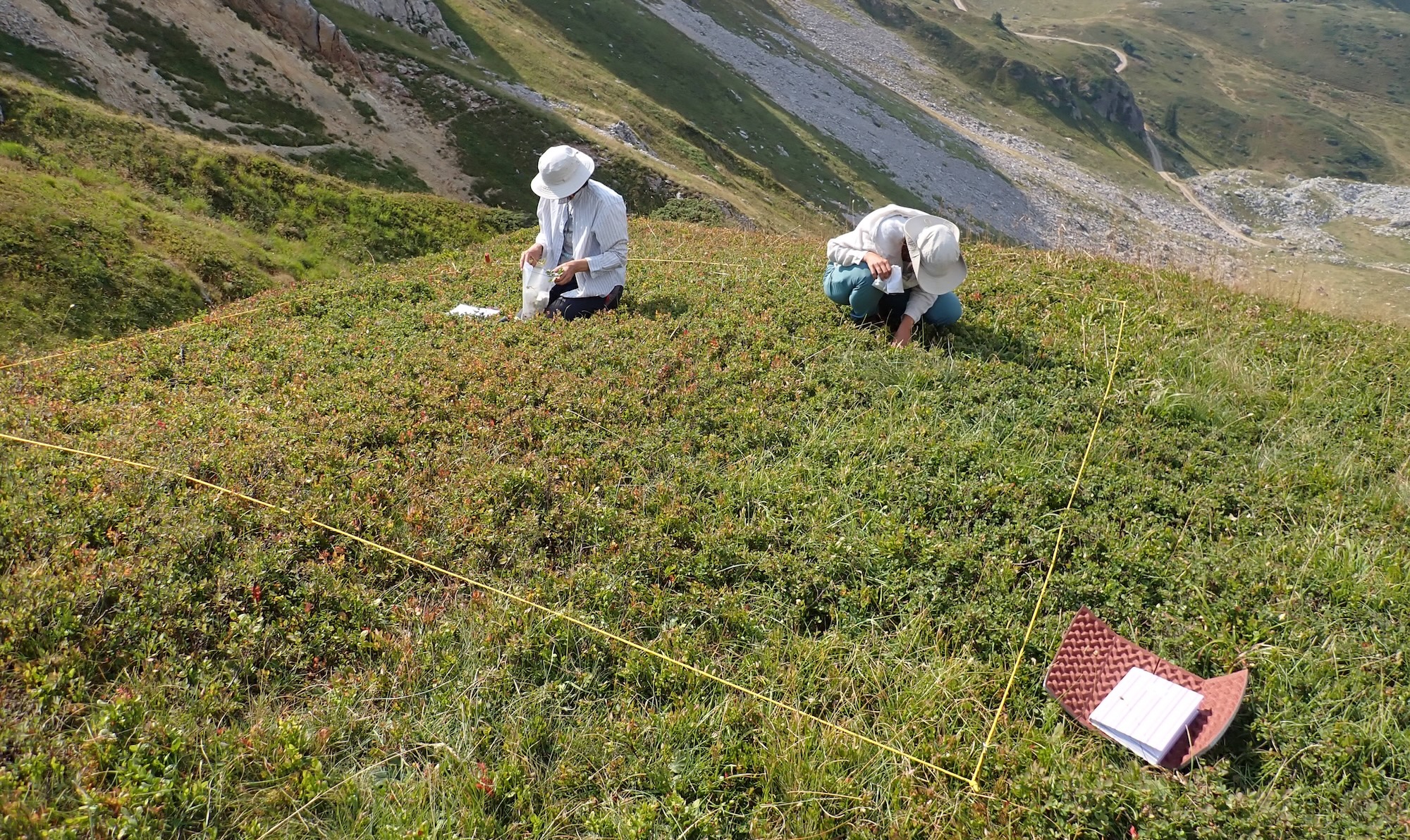
New study shows why an increase in plant species isn’t always good news
More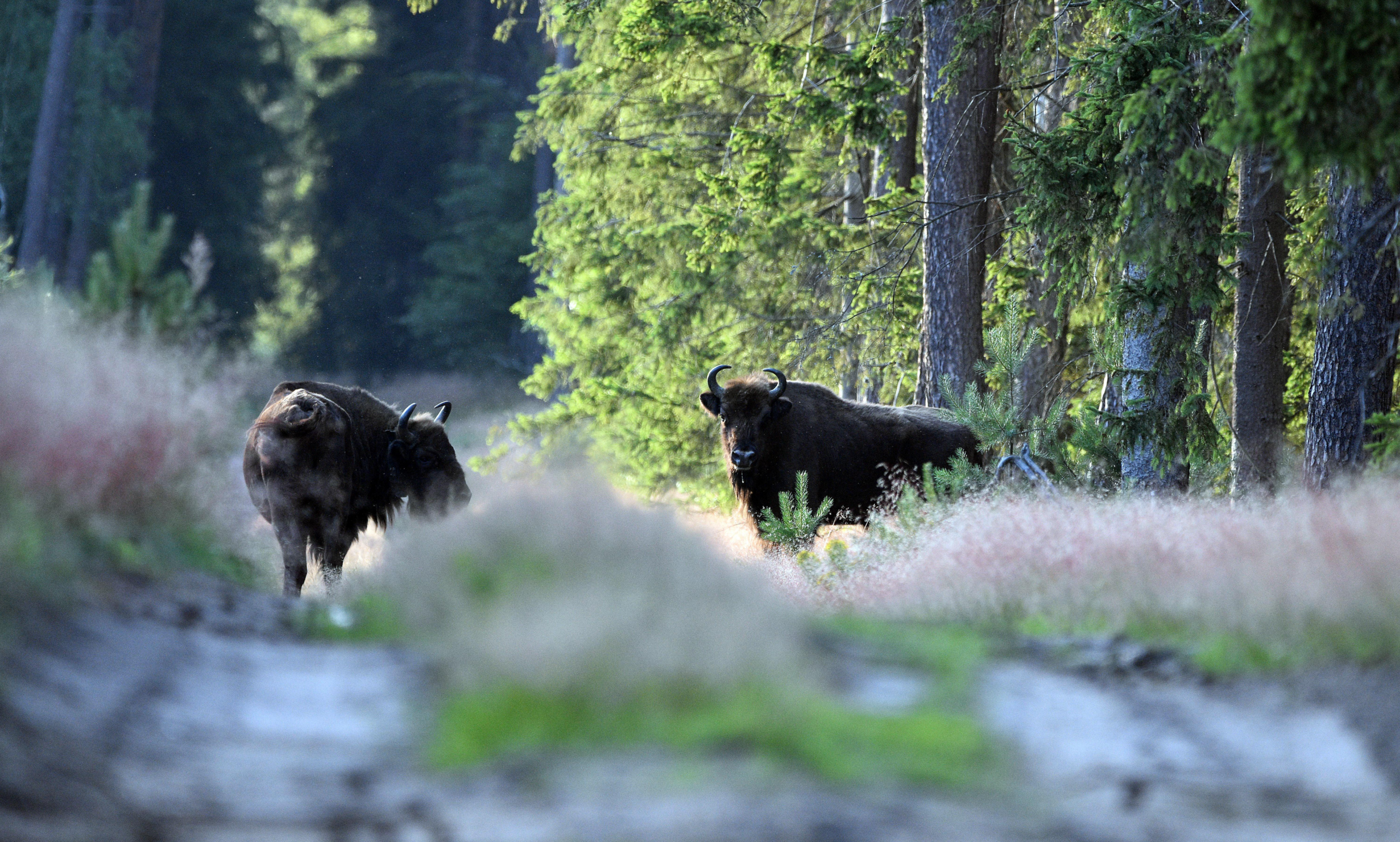
22.05.2026 | Biodiversity Conservation, Media Release, Research
New maps show where European landscapes can advance climate and biodiversity goals together
More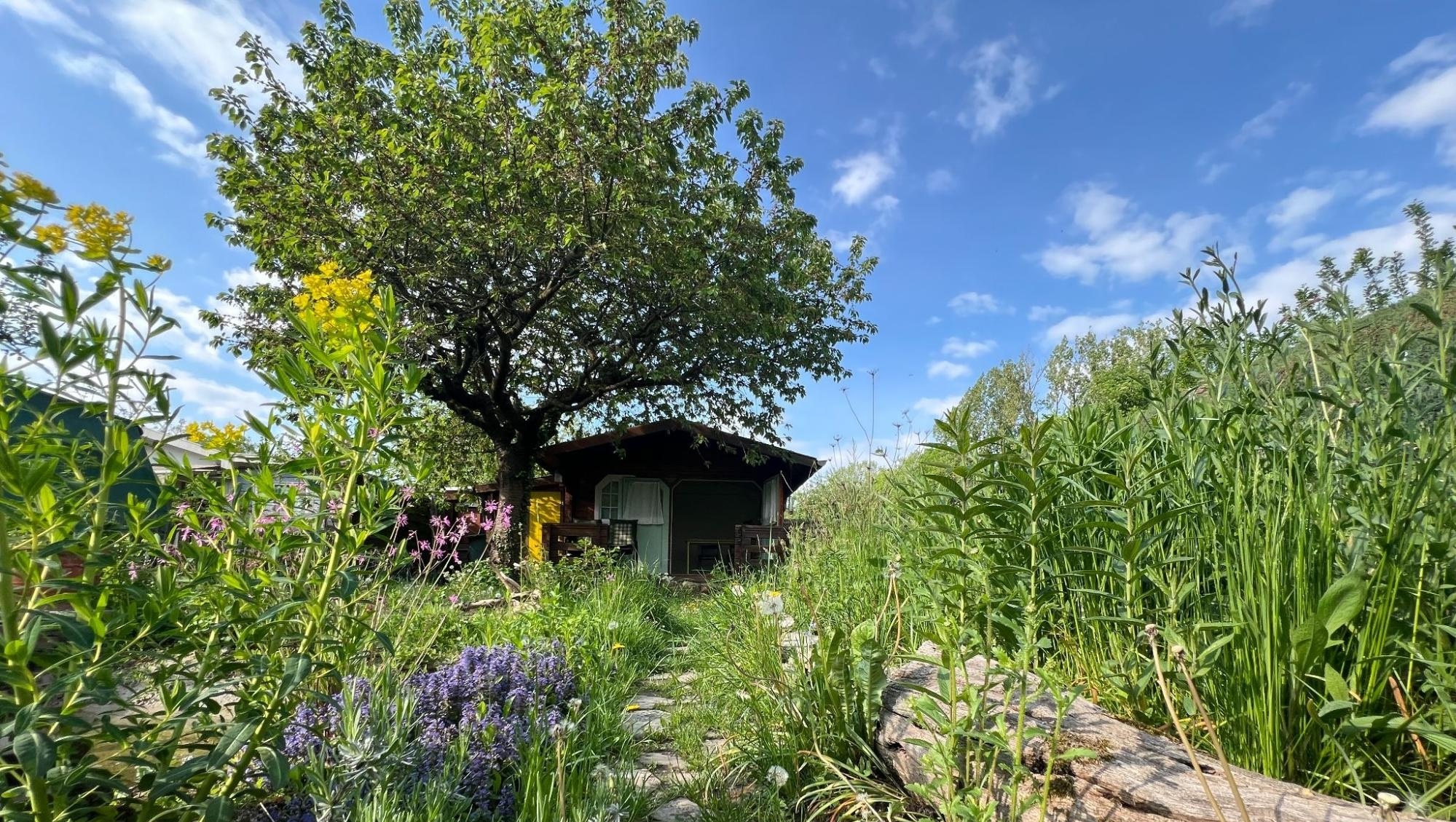
12.05.2026 | iDiv, iDiv Members, Media Release
Citizen‑science project GartenDiv enters second phase
More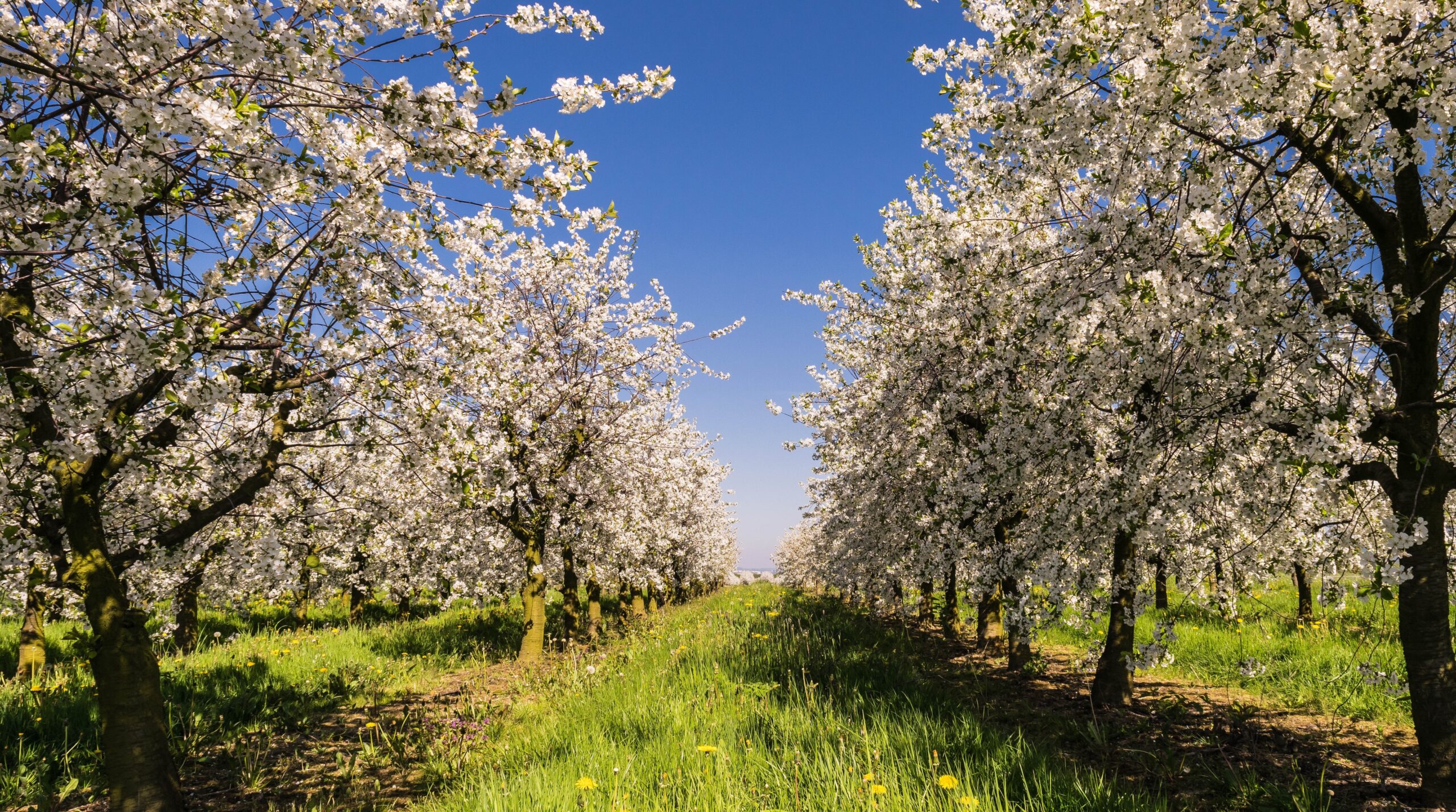
06.05.2026 | Media Release, Research
Climate change isn’t acting alone: species’ traits help set the timing of seasonal events
More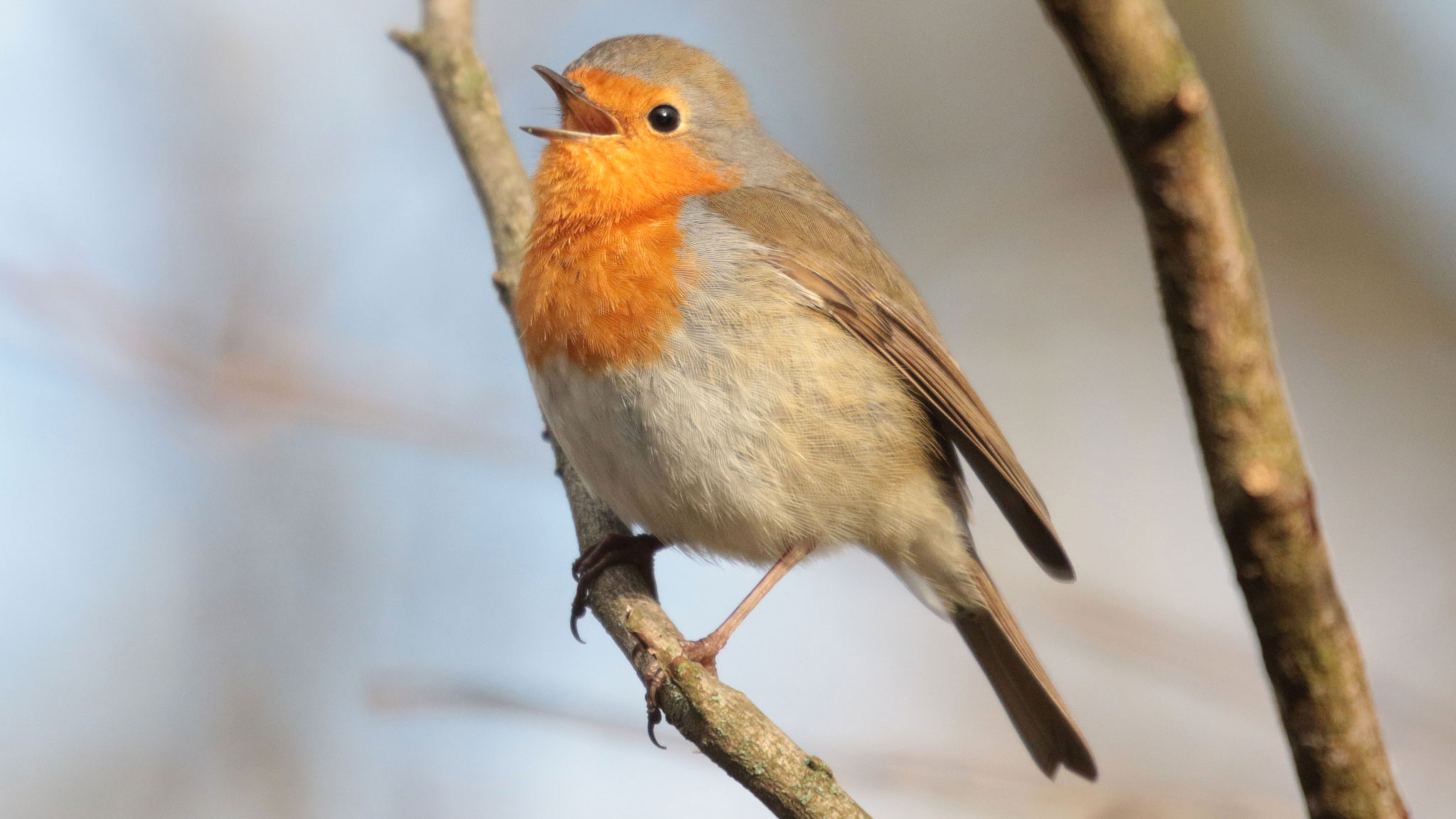
09.04.2026 | iDiv, iDiv Members, Media Release
Soundscapes from nearby forests are more uplifting than those from faraway places
More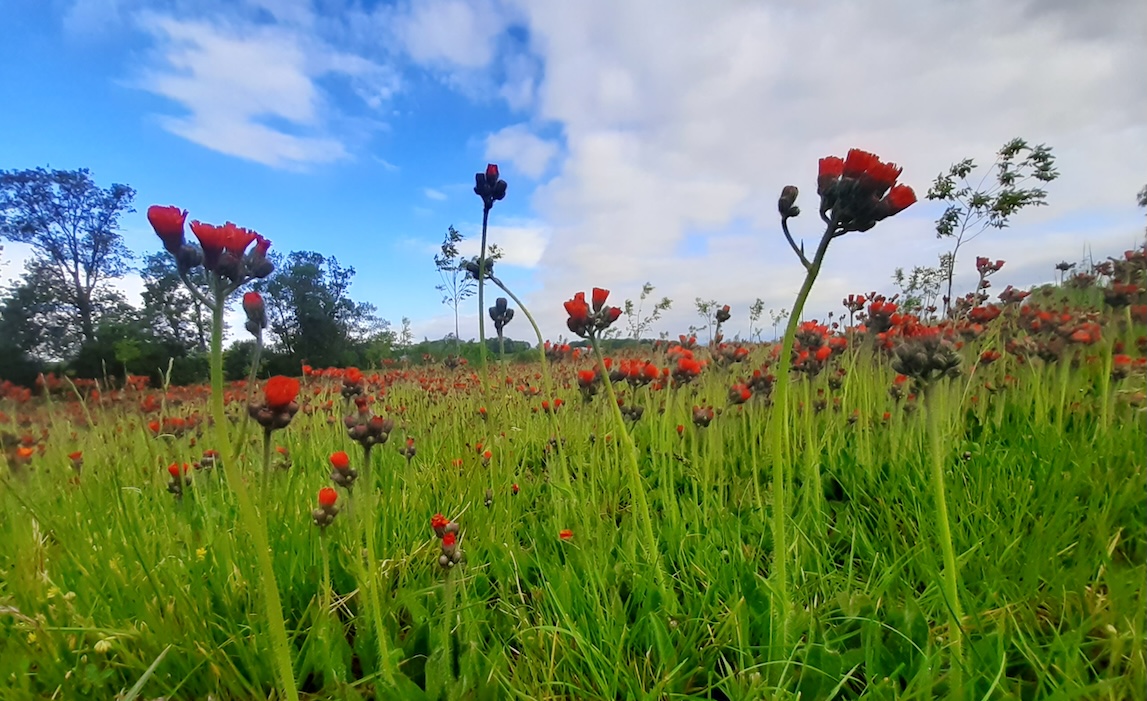
18.03.2026 | iDiv Members, Media Release
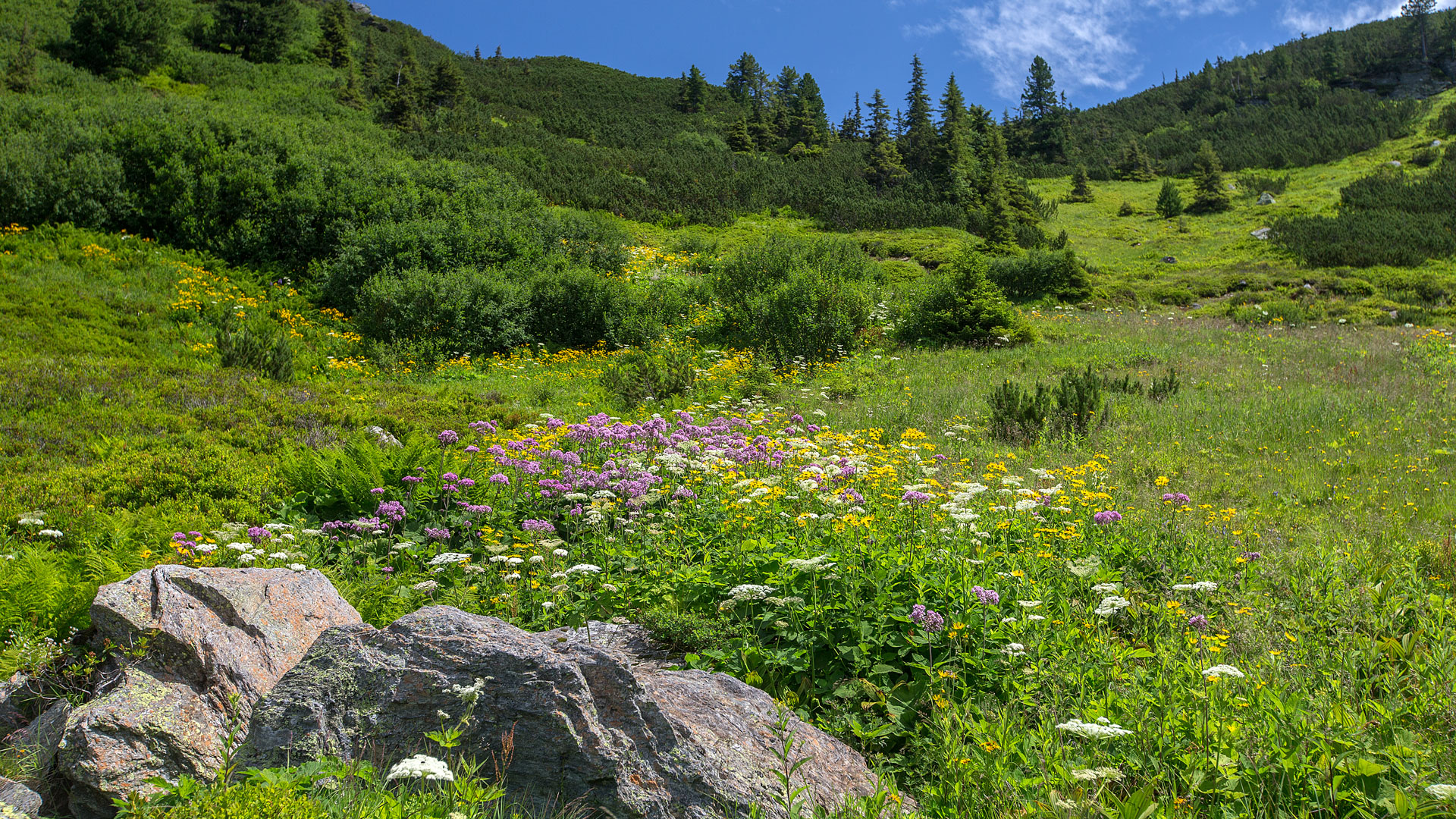
Europe’s ecosystems do not keep pace with climate warming
More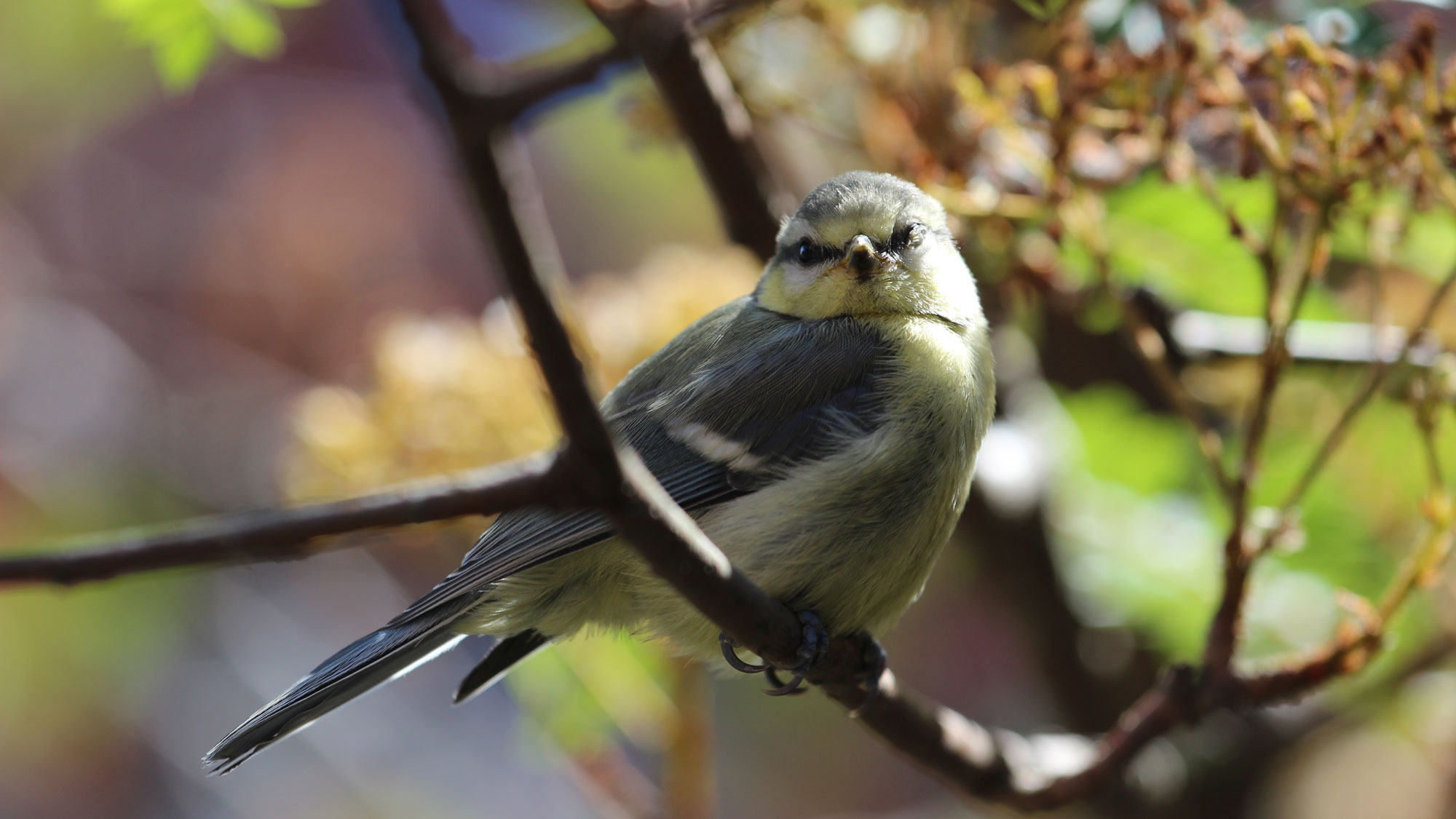
17.03.2026 | iDiv Members, Media Release
Forest type shapes bird communities throughout the year
More
09.03.2026 | Media Release, sDiv
Global call uniting synthesis centres on biodiversity and climate enters project phase at iDiv
More

23.02.2026 | Biodiversity and People, Biodiversity Conservation, iDiv Members, Media Release
Roadmap for Europe’s biodiversity monitoring system
More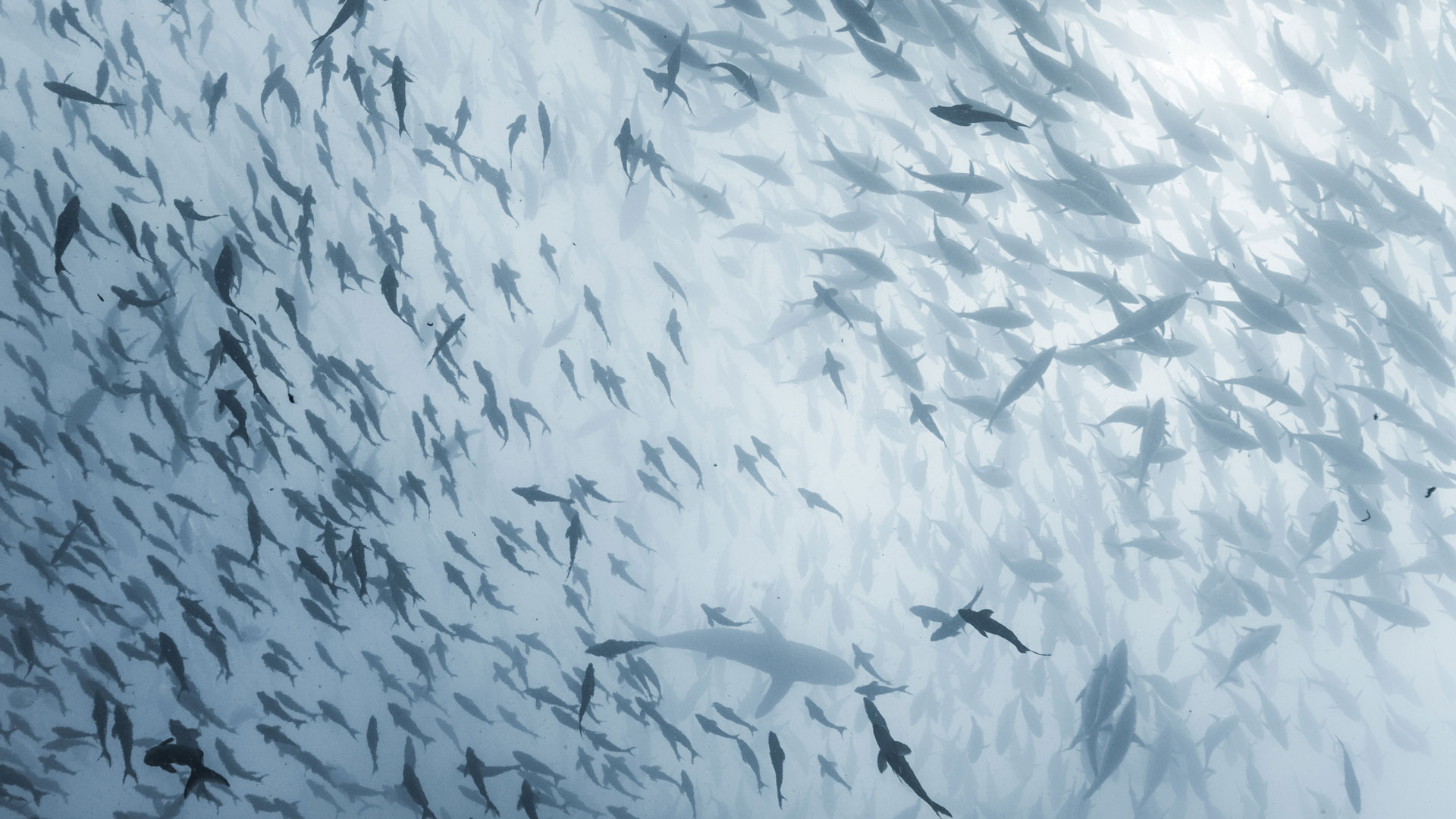
18.02.2026 | iDiv, Media Release, Research, sDiv
Smaller fish and changing food webs – even where species numbers stay the same
More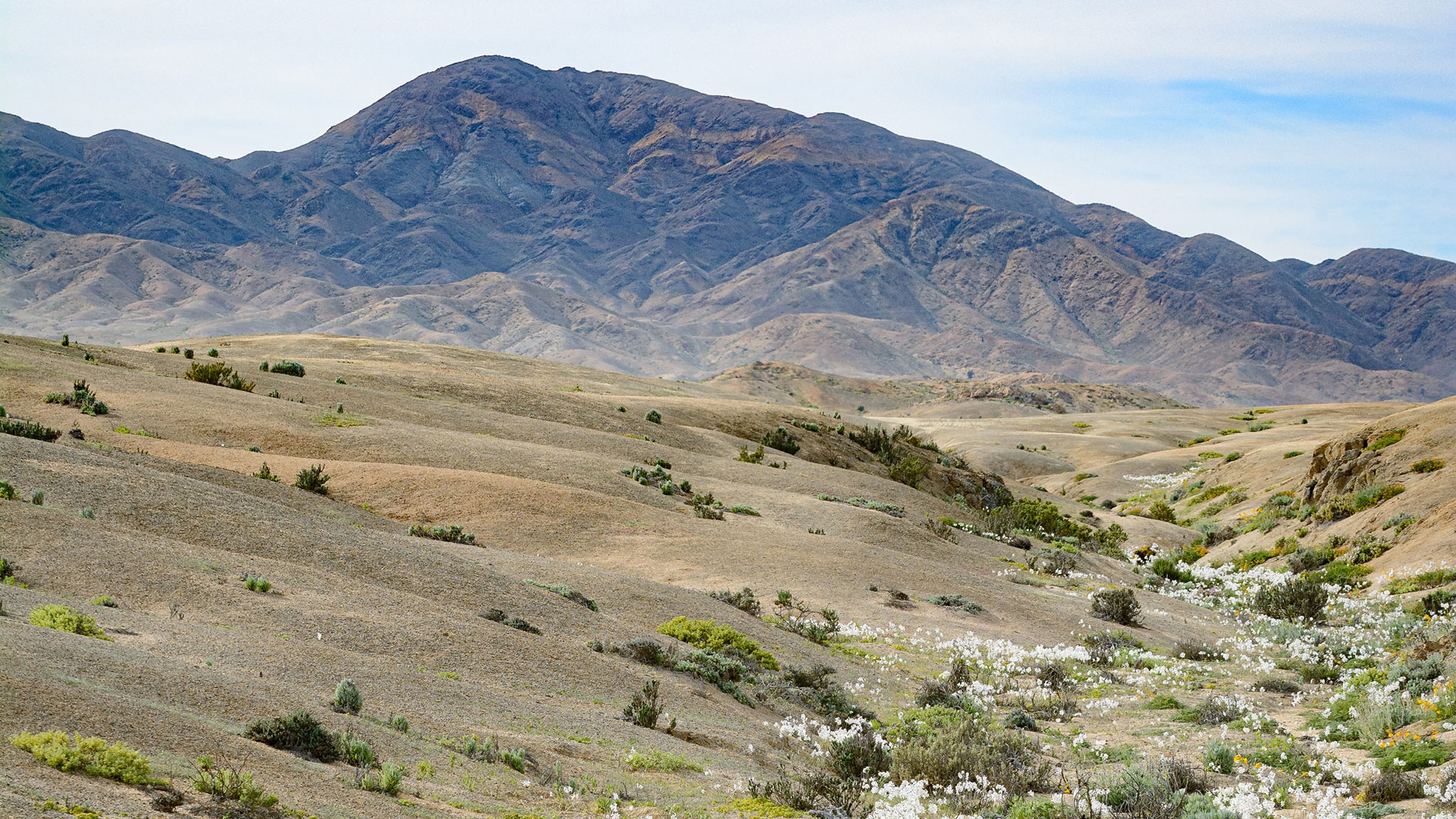
16.02.2026 | Experimental Interaction Ecology, iDiv, Media Release, Research
Intensive Grazing and Soil Fertility Favour the Growth of Non-native Plants
More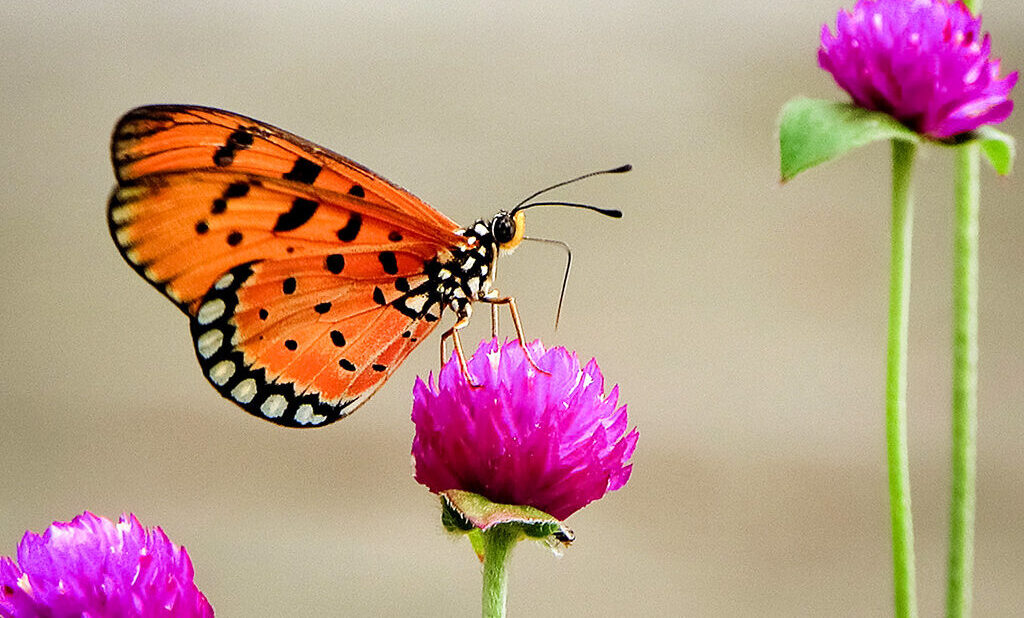
16.02.2026 | Biodiversity and People, Media Release
Social media images help fill “major gaps” in global biodiversity data
More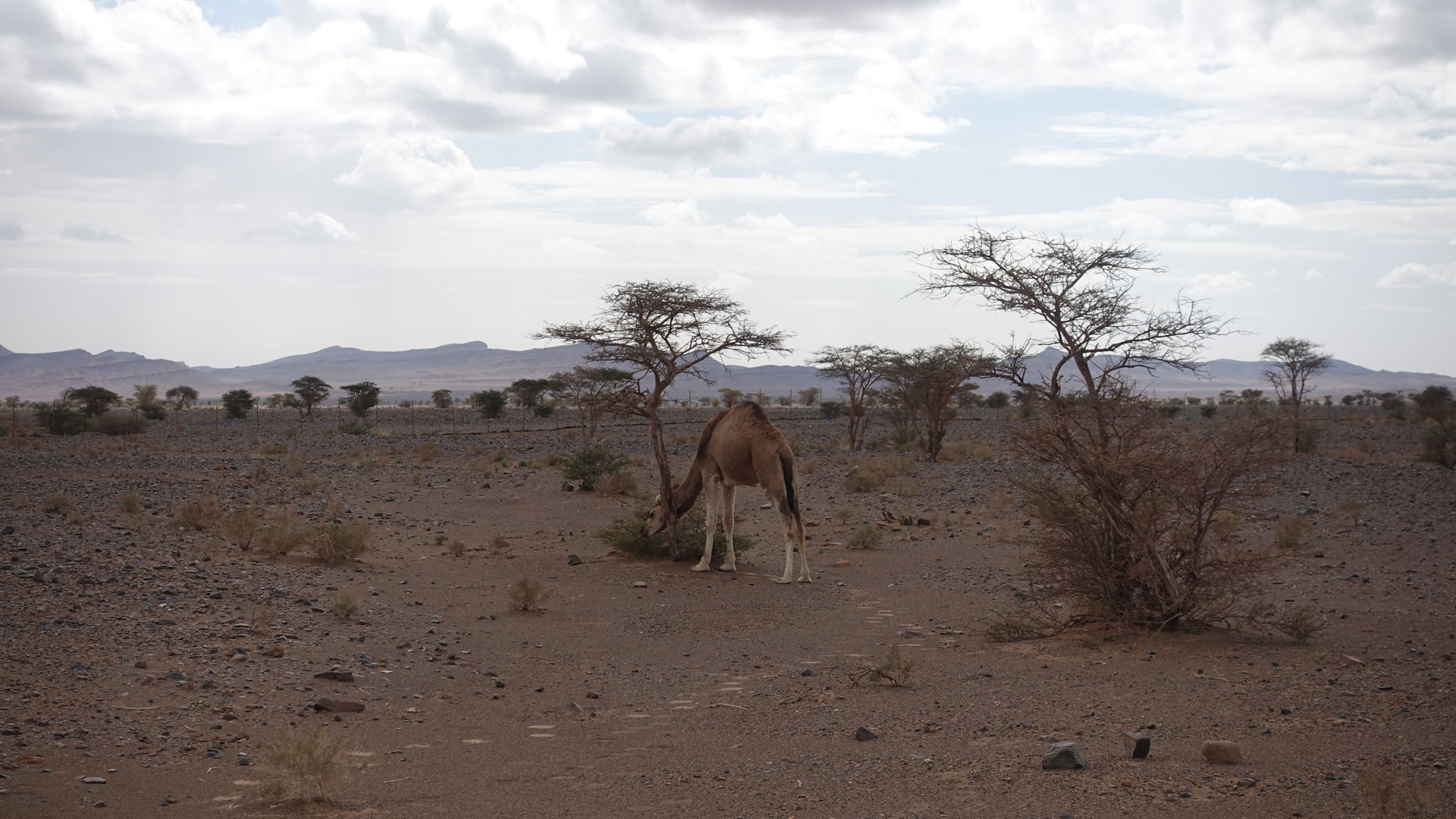
12.02.2026 | Blog Post, iDiv, iDiv Members
New high-resolution map reveals groundwater-dependent vegetation across the Mediterranean biome
More
16.01.2026 | iDiv Members, Media Release
Plants as Environmental Sensors: Citizen Science Data Reveal the Impact of Urbanization on Climate and Soils
More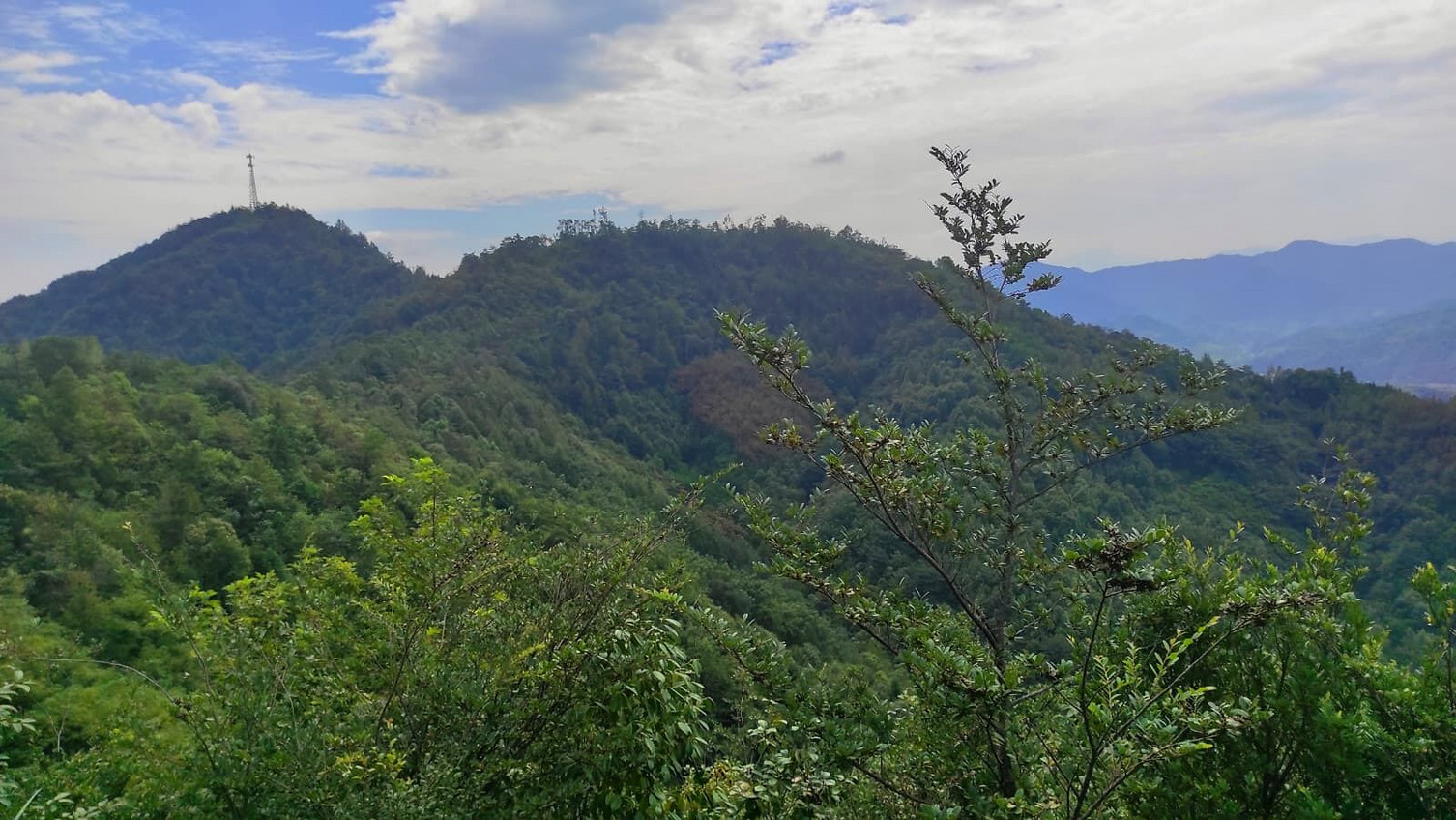
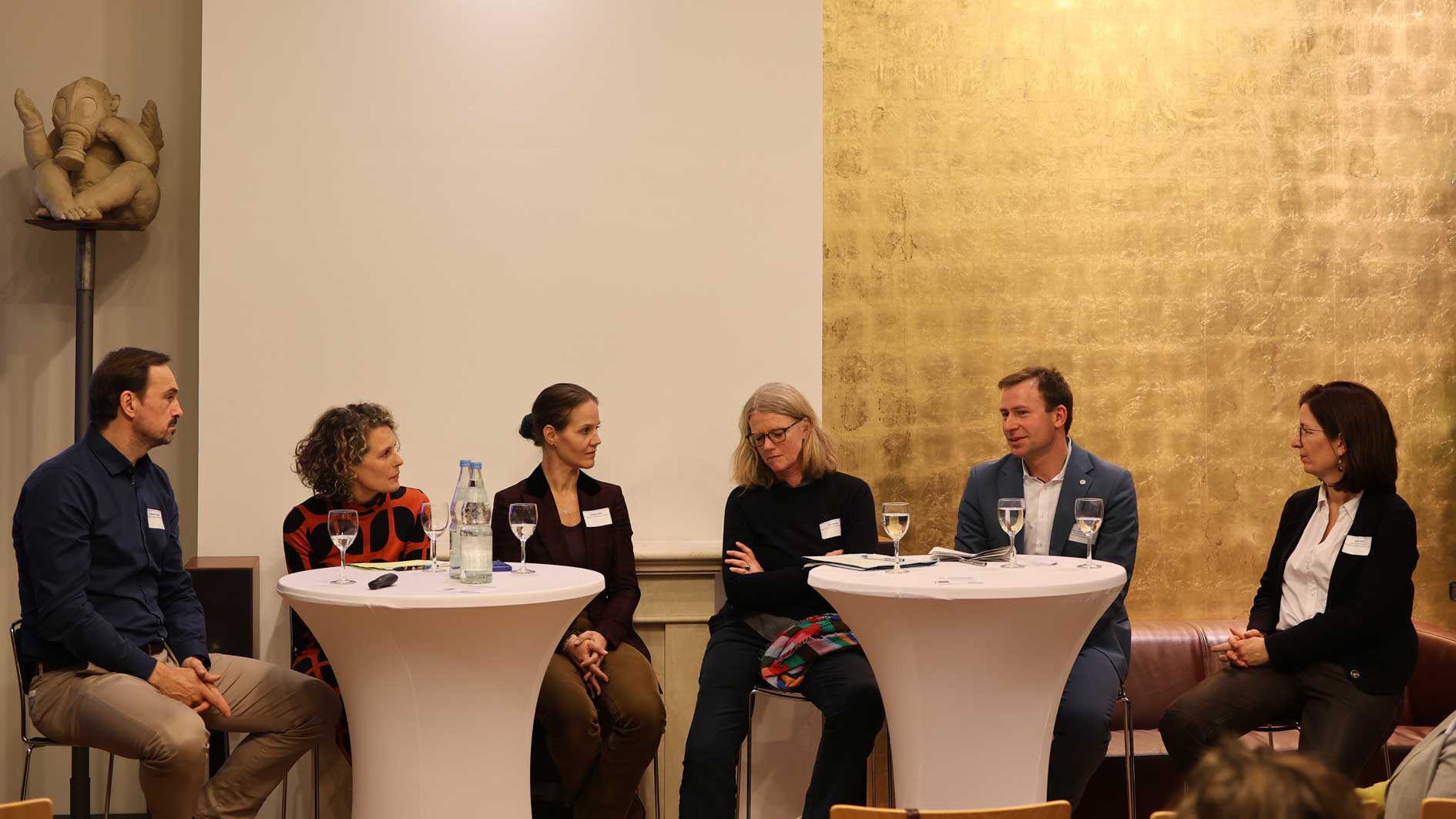
16.12.2025 | Biodiversity and People, iDiv, Media Release, Science-Policy
Citizen Science – Moving forward together!
More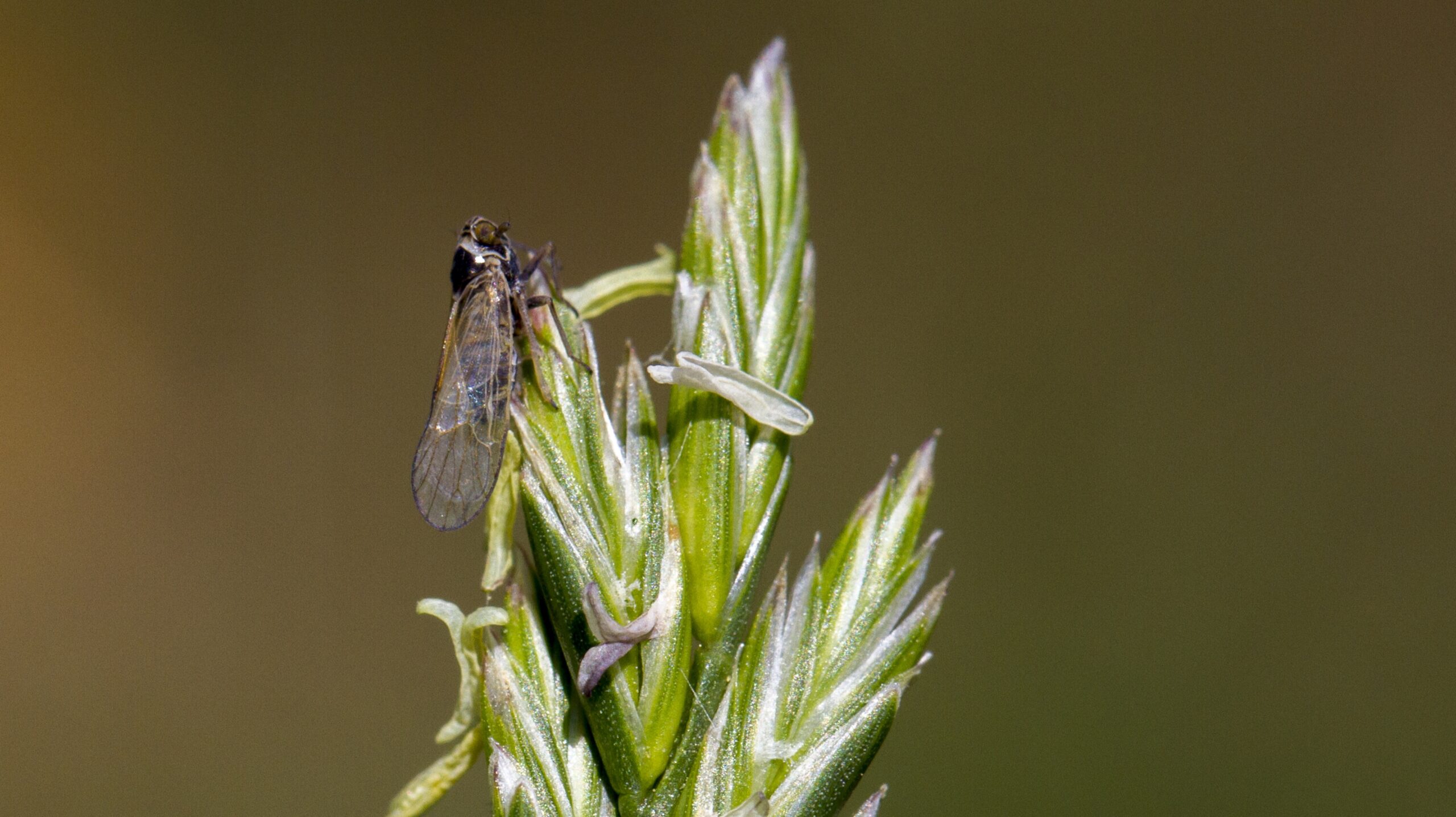
02.12.2025 | Media Release, Research
Majority of local insect biomass decline linked to species loss
More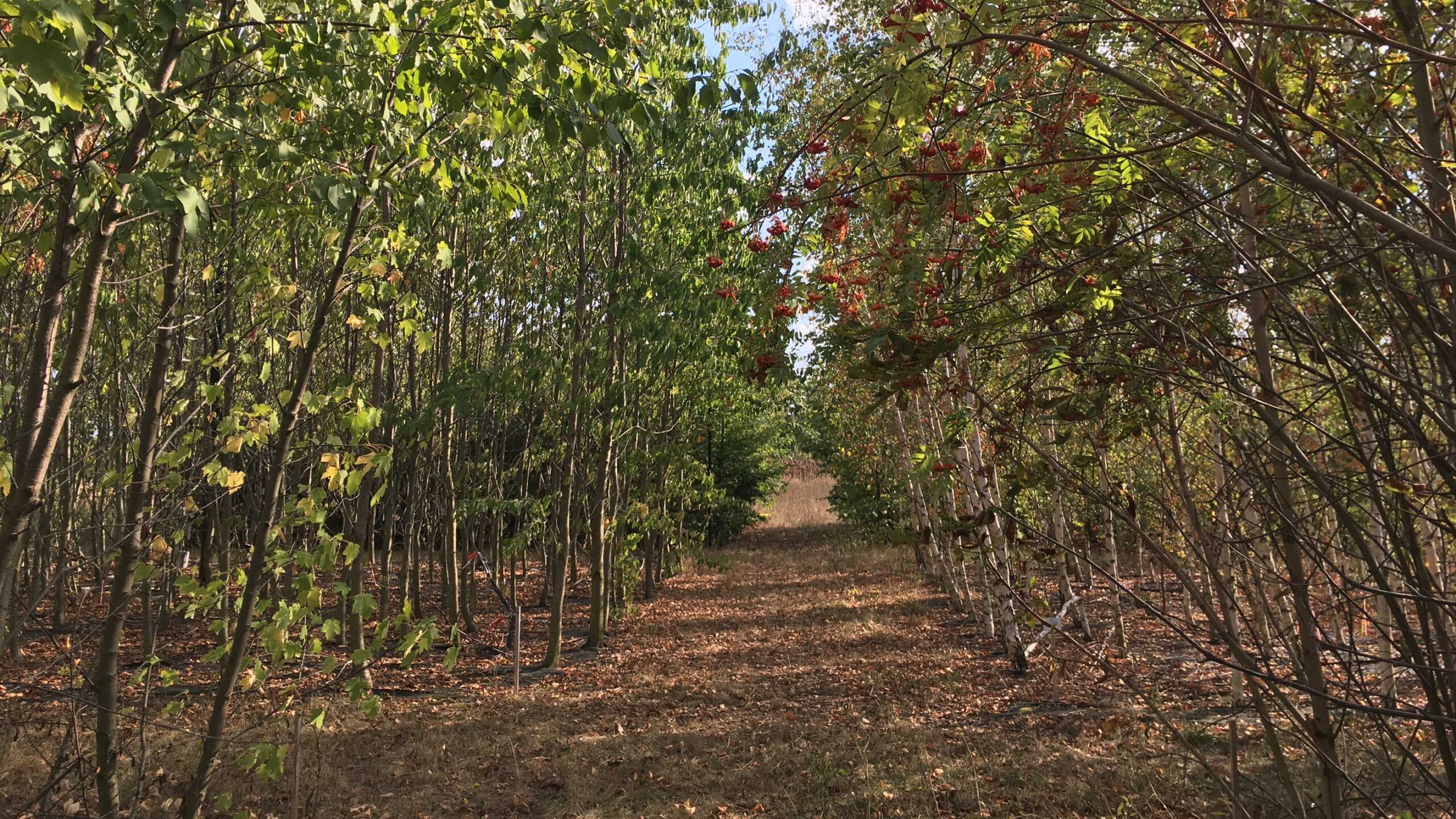
13.11.2025 | iDiv, iDiv, Media Release, Research
Diverse forests are more resistant to climate change
More
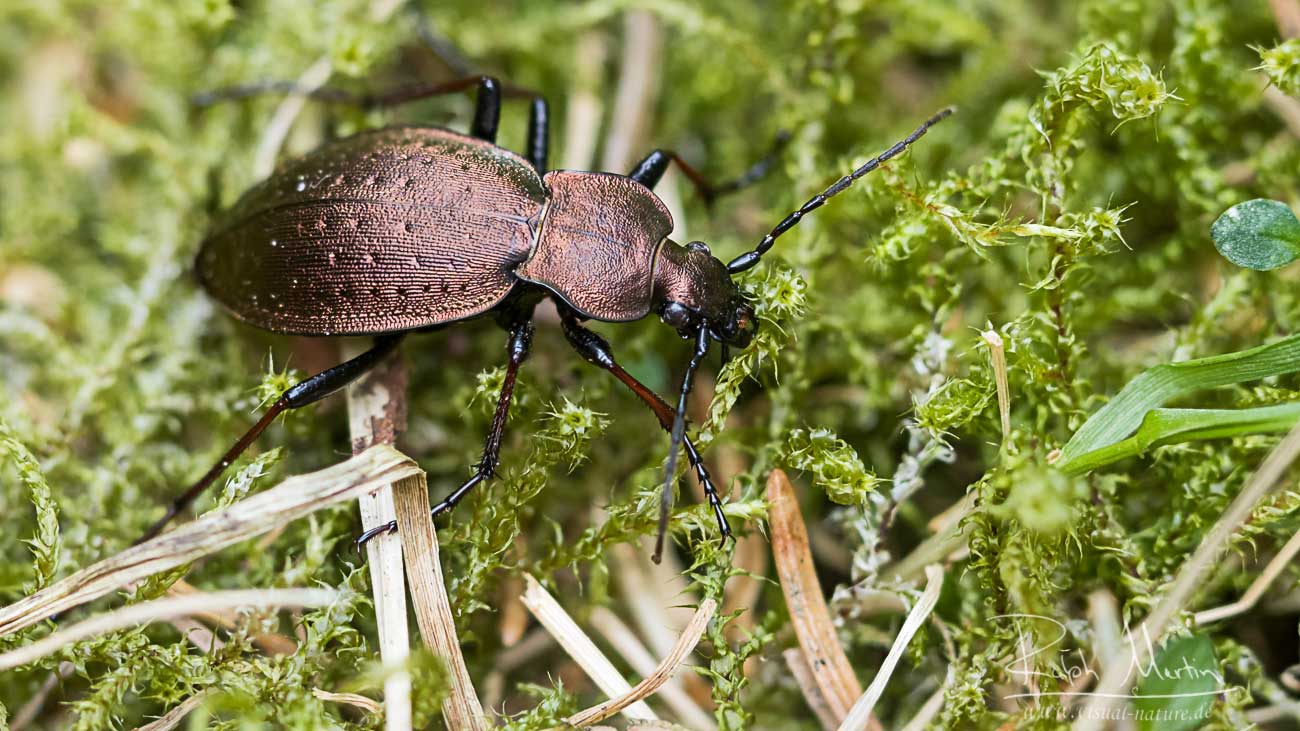
12.11.2025 | Biodiversity and People, iDiv Members, Media Release, sDiv
Fewer ground beetles in Germany
More
11.11.2025 | iDiv Members, Media Release
Non-native plant species adapt to natural ecosystems faster than expected
More
17.10.2025 | Experimental Interaction Ecology, Media Release, Research
Research shows how extreme and prolonged drought causes unprecedented productivity loss
More
09.10.2025 | Biodiversity Synthesis, Media Release, Research
New study finds gaps in REDD+ forest carbon offsets with most overstating climate impacts
More
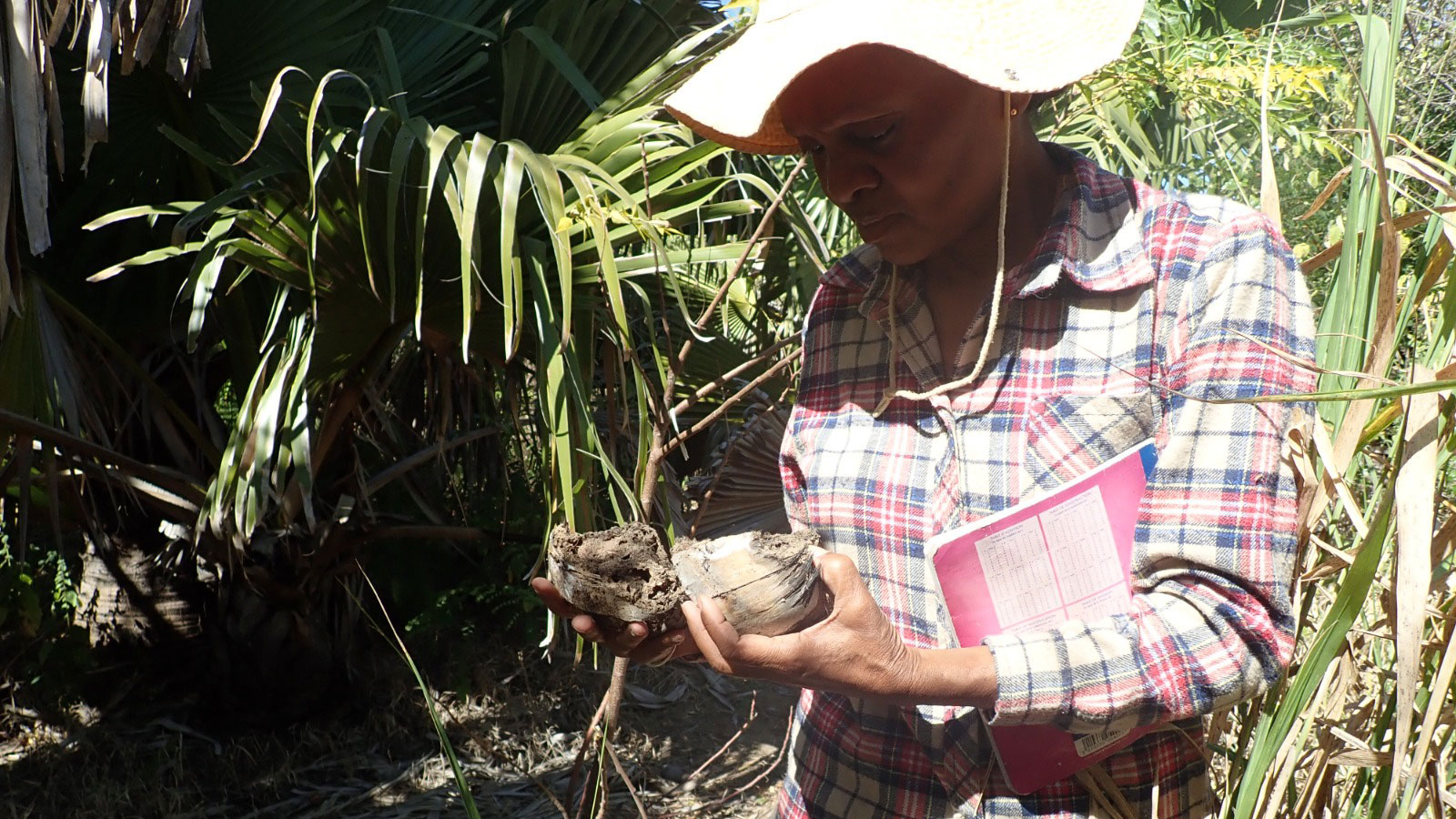
11.09.2025 | Evolution and Adaptation, iDiv, Media Release, Research
Human activities linked to declines of big seeds
More
04.09.2025 | Media Release, MLU News
Plants, islands and climate change: biologist Julian Schrader receives an ERC Starting Grant
More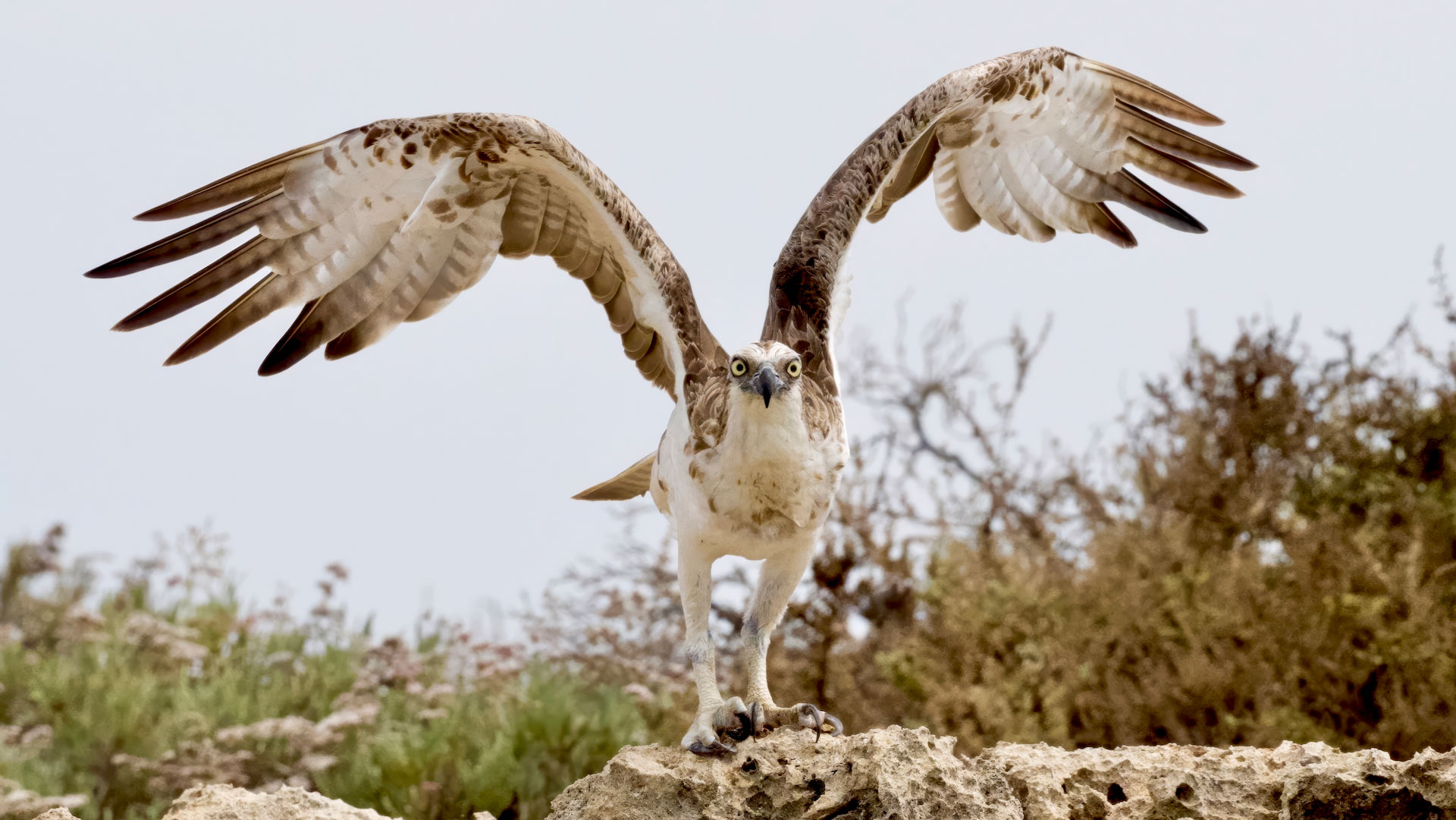
27.08.2025 | Evolution and Adaptation, iDiv, Media Release, sDiv
Older species tend to have large ranges – unless they live on islands
More

14.08.2025 | Biodiversity Conservation, Blog Post, iDiv
Connecting Stakeholders for Biodiversity: A European Network
More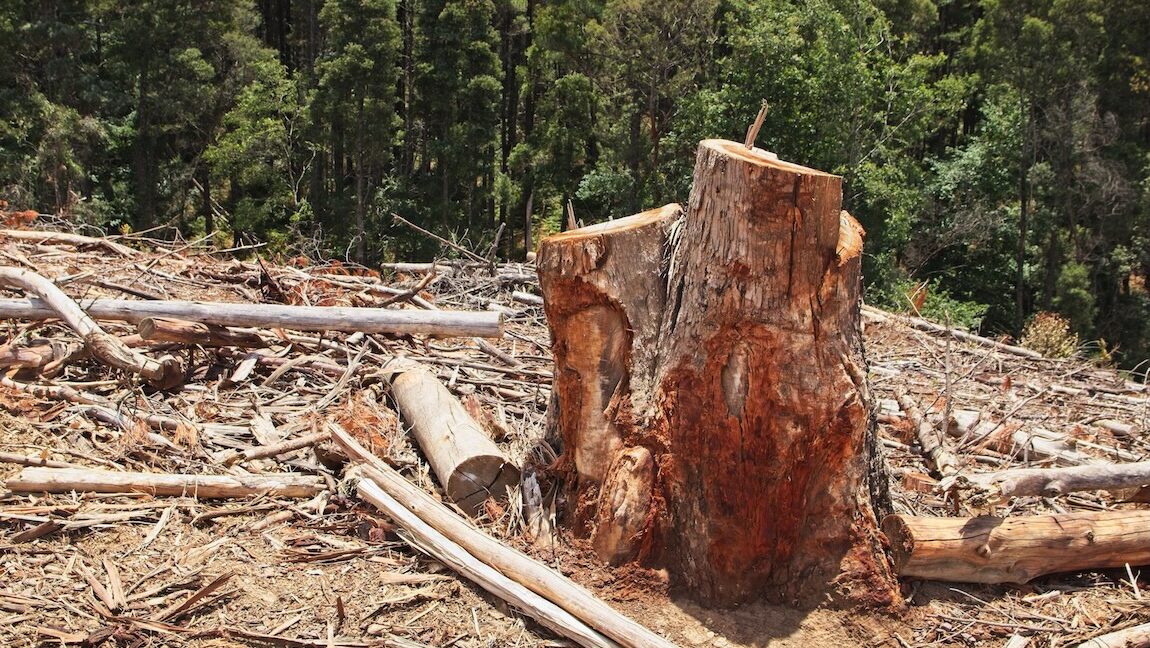
30.07.2025 | iDiv, Media Release
Why Europe’s climate success depends on securing the forest carbon sink
More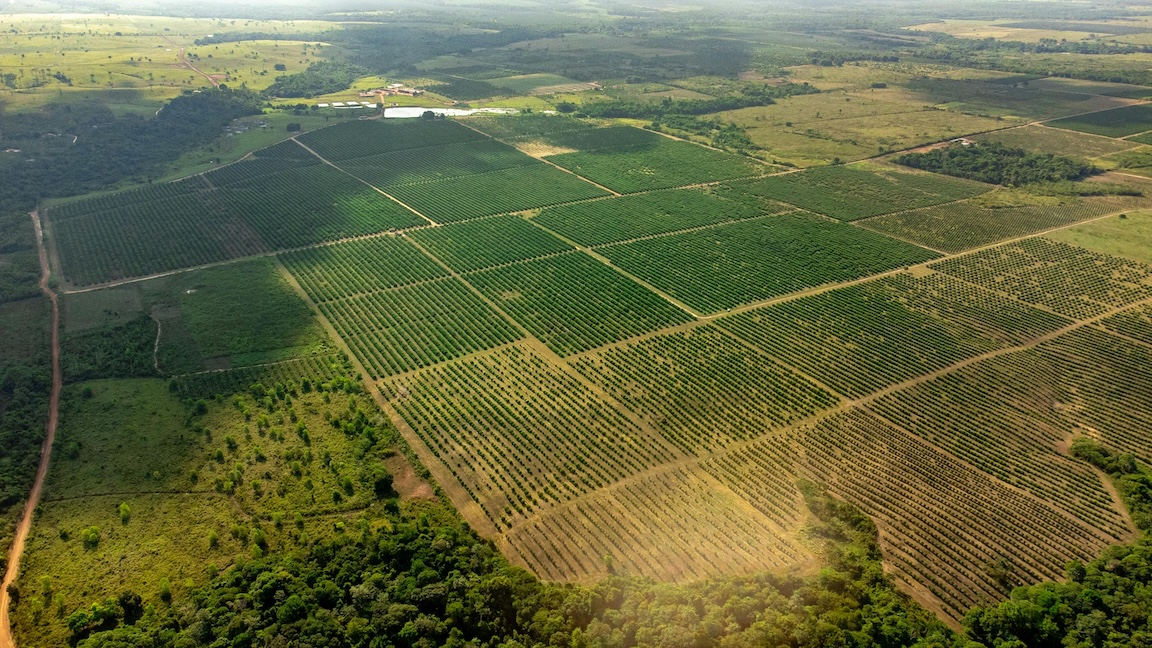
09.07.2025 | Experimental Interaction Ecology, iDiv, Media Release, Theory in Biodiversity Science
The right mix and planting pattern of trees enhance forest productivity and services
More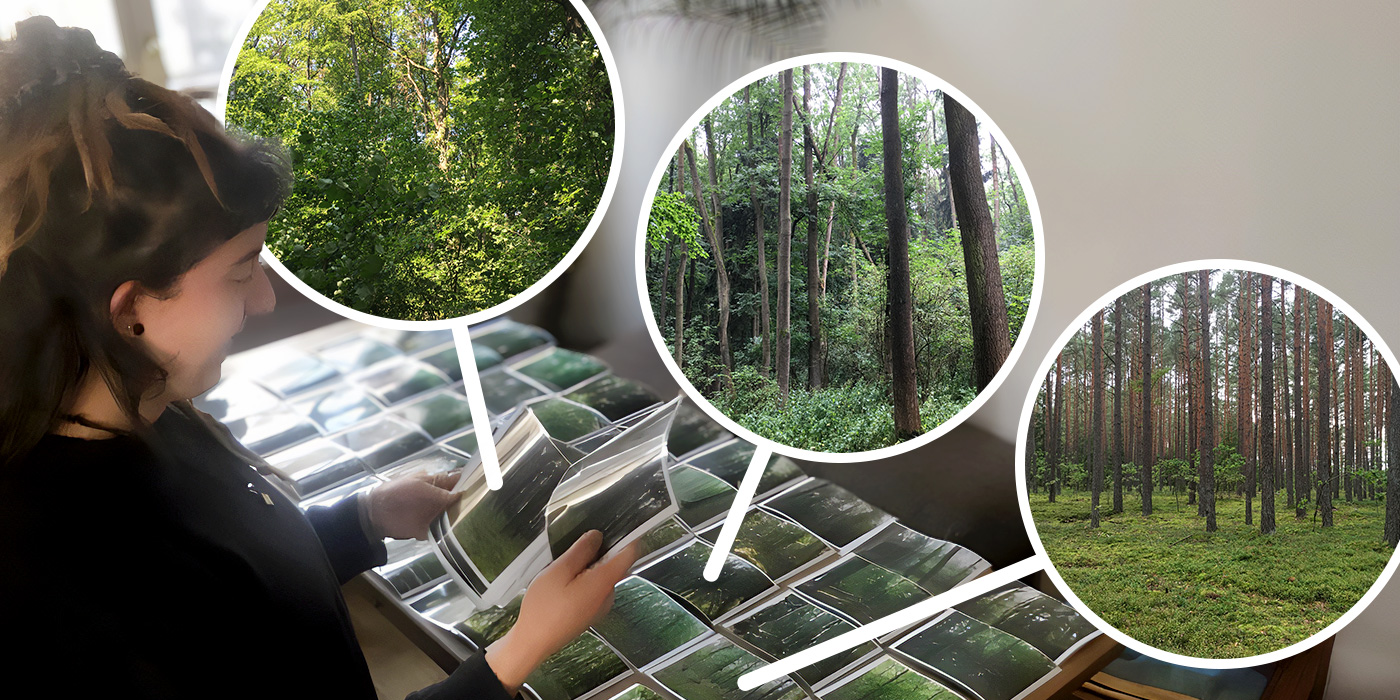
08.07.2025 | Biodiversity and People, iDiv, Media Release, Research
Study shows people perceive biodiversity
More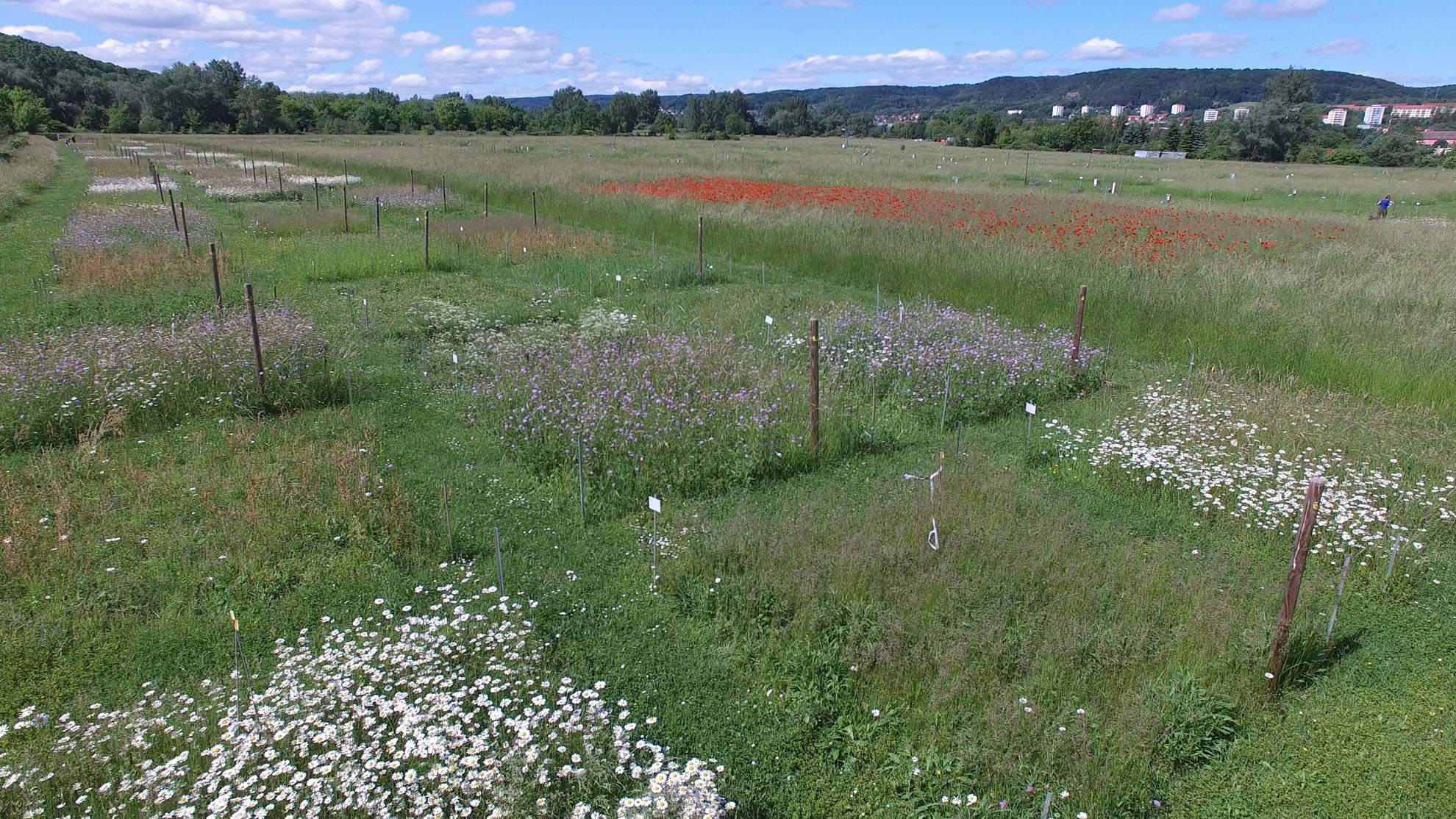
02.07.2025 | Blog Post, iDiv
Context matters: Plant diversity affects soil carbon storage differently across ecosystems
More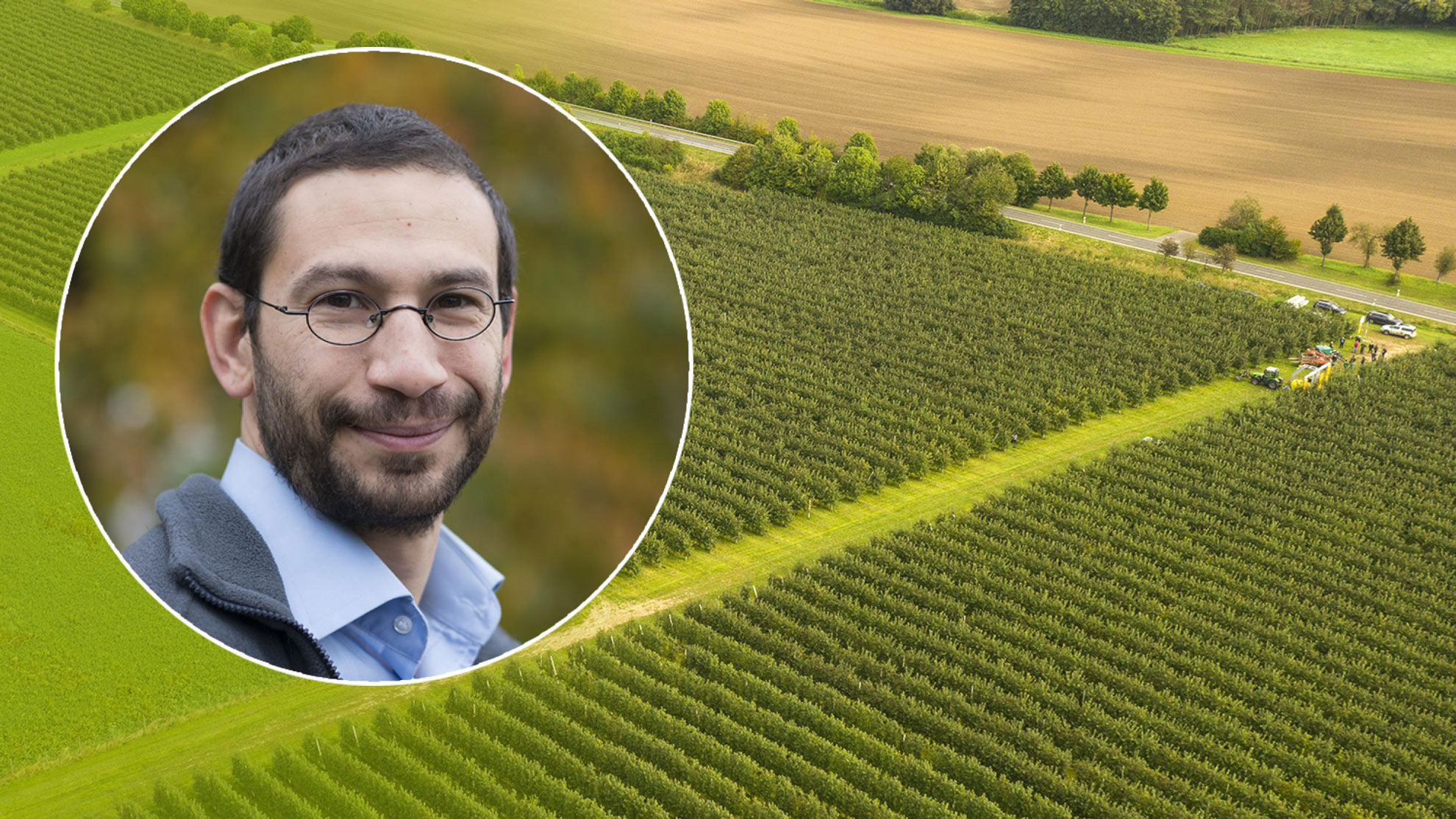
19.06.2025 | iDiv, Media Release, UFZ-News
The role of researchers in politically charged debates
More
19.06.2025 | iDiv, Media Release
The seemingly impossible reproduction of dogroses hinges on a centromere trick
More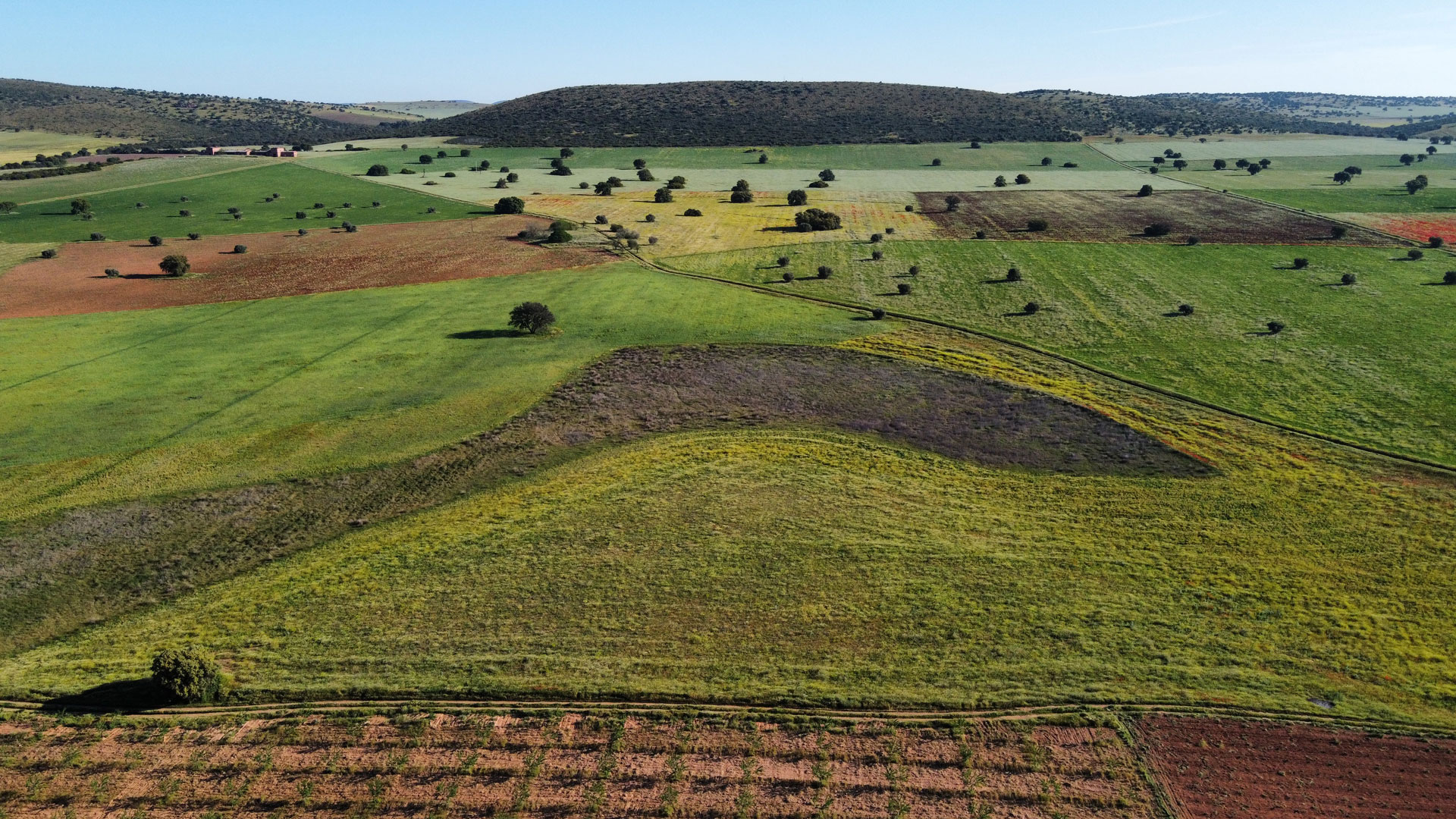
16.06.2025 | Biodiversity Conservation, Media Release, Science-Policy
Integrating rewilding into intensively used farmland
More
10.06.2025 | Experimental Interaction Ecology, iDiv, Media Release
iDiv Research Group Experimental Interaction Ecology honoured with “Best Research Environment” award
More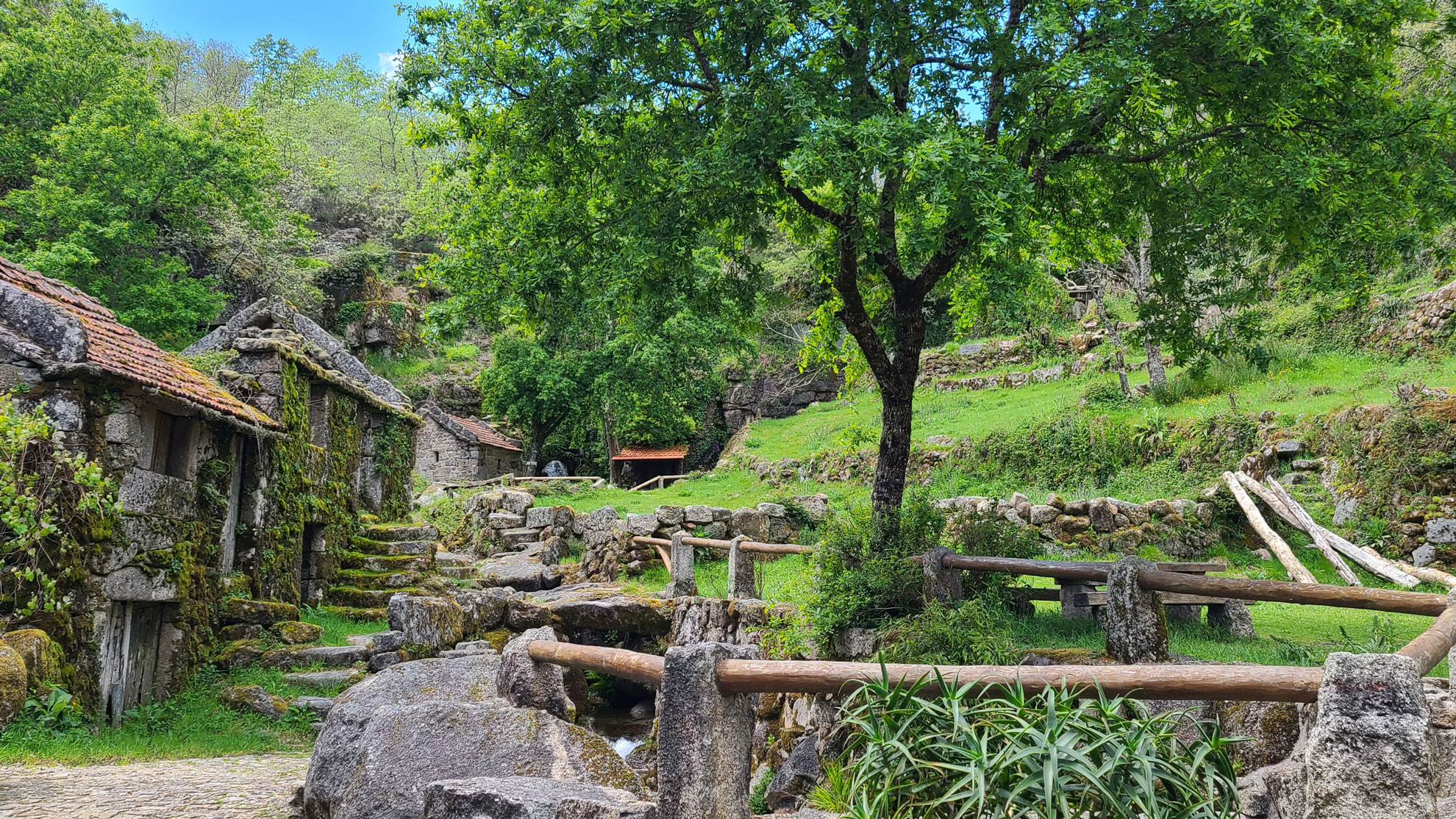
02.06.2025 | Biodiversity Conservation, iDiv, Media Release, Research, Science-Policy
Preserving the past, protecting the future: Historic village water tanks provide a lifeline for amphibians
More
26.05.2025 | iDiv, Media Release, MLU News
Study on knowledge transfer: How the “Gollum effect” hinders research and careers
More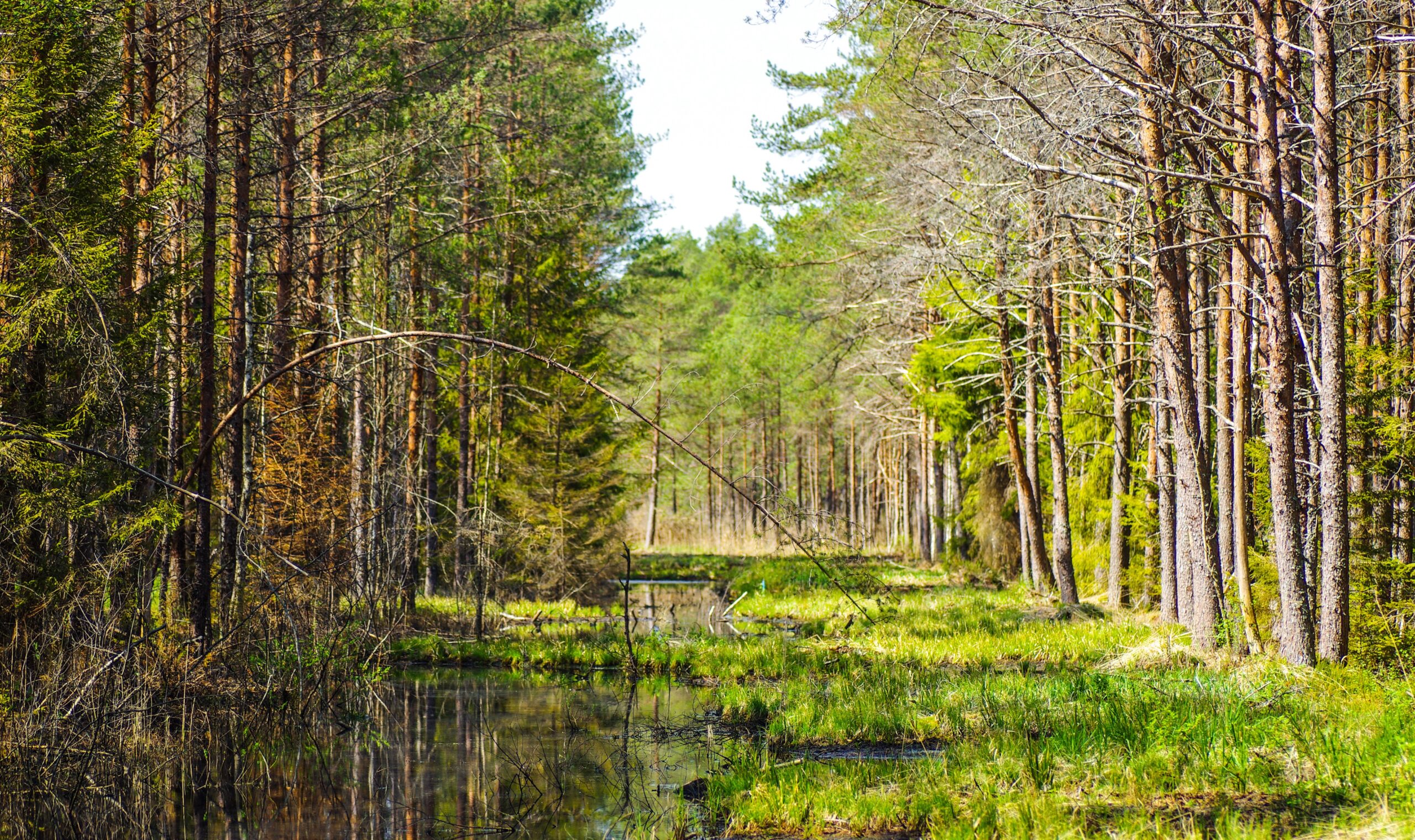
21.05.2025 | Blog Post, iDiv, Science-Policy
The EU’s Nature Restoration Regulation: How iDiv supports Europe’s path toward unified implementation
More
15.05.2025 | iDiv, Media Release
ESA’s 2025 Cooper Award Honors Groundbreaking Work on Taxonomic Harmonization in Biodiversity Research
More
05.05.2025 | Biodiversity and People, Media Release
Citizen Science project FLOW receives new funding
More
30.04.2025 | Biodiversity Conservation, Media Release
From the front garden to the continent: Why biodiversity does not increase evenly from small to large
More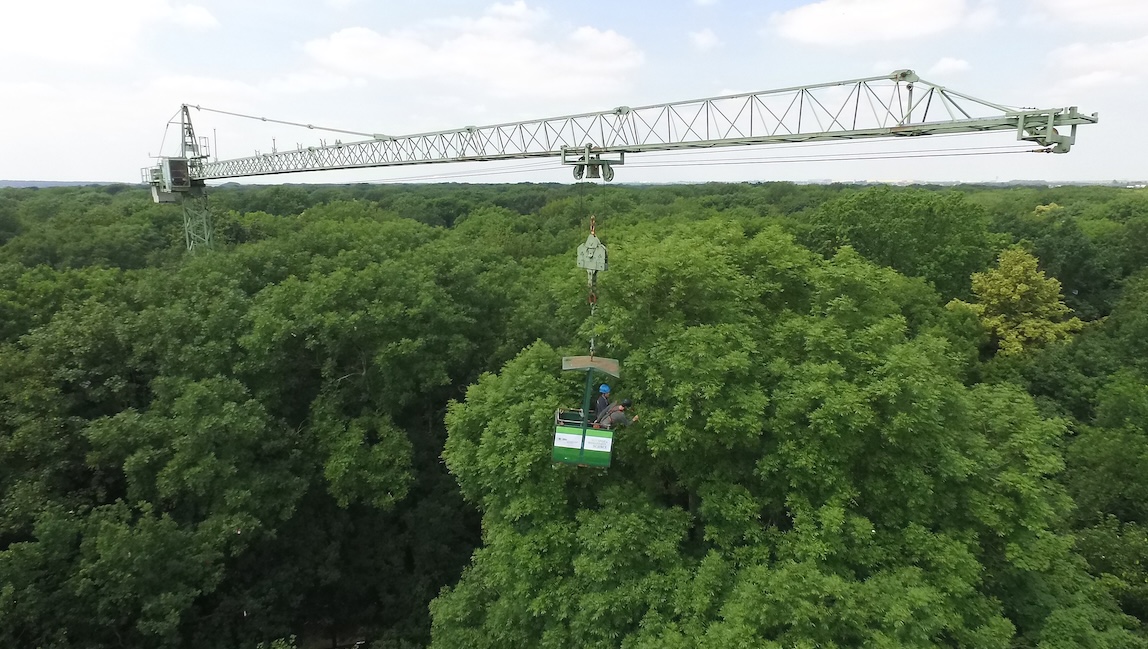
29.04.2025 | iDiv, iDiv Members
What microorganisms in tree crowns reveal about forest biodiversity
More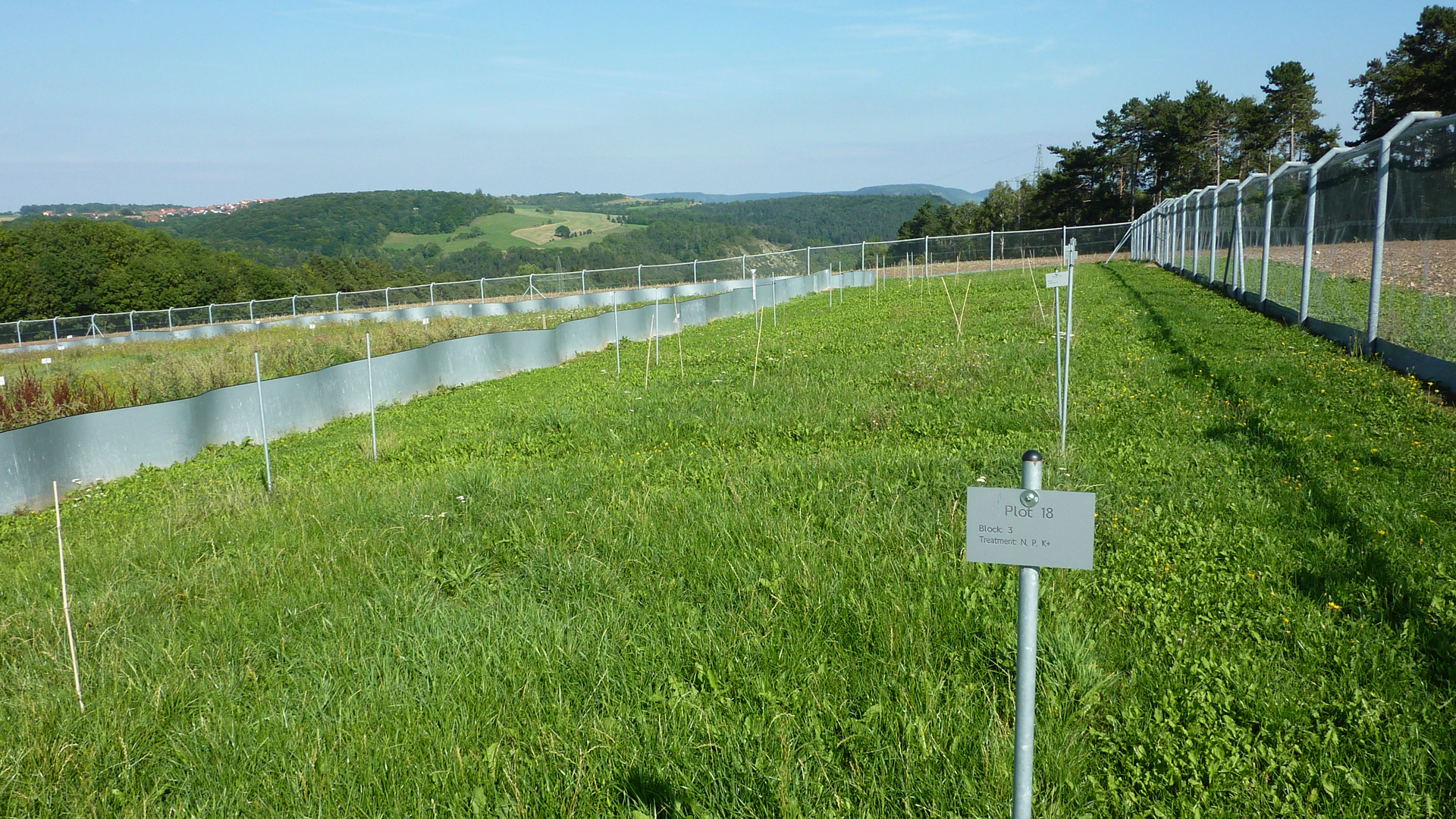
17.04.2025 | iDiv, Media Release, Research
Nutrients strengthen link between precipitation and plant growth, study finds
Global analysis reveals a stronger biomass growth when key nutrients are not limiting.
More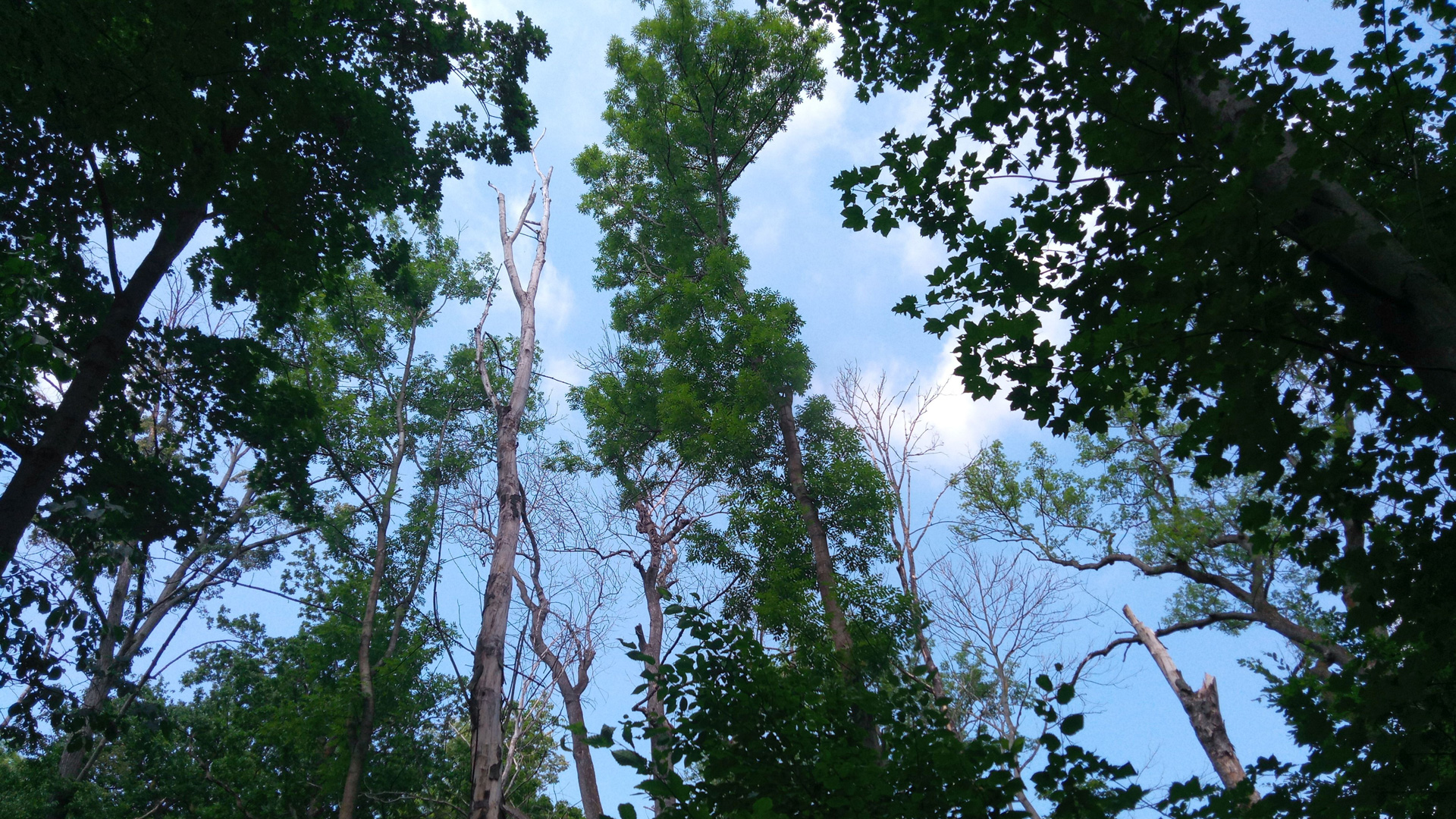
16.04.2025 | iDiv, iDiv Members, Research
Experiment in Leipzig’s floodplain forest: Using tree mortality to support oak regeneration
More
11.04.2025 | iDiv, Media Release, Research, Theory in Biodiversity Science
“Internet of nature” helps researchers explore the web of life
More

10.04.2025 | Blog Post
Striving for Gender Equity in Academia: Insights from the iDiv Female Scientists Initiative
More
03.04.2025 | iDiv, Media Release
New podcast “Inside Biodiversity”
Inside Biodiversity is a new podcast hosted by iDiv.
More
03.04.2025 | iDiv, Media Release, Research, Species Interaction Ecology
Dark Diversity Reveals Global Impoverishment of Natural Vegetation
Nature study shows that the potential occurrence of plant species is significantly higher
More
27.03.2025 | iDiv, Media Release, Research, sDiv
Study shows global seed plant distribution over millions of years
More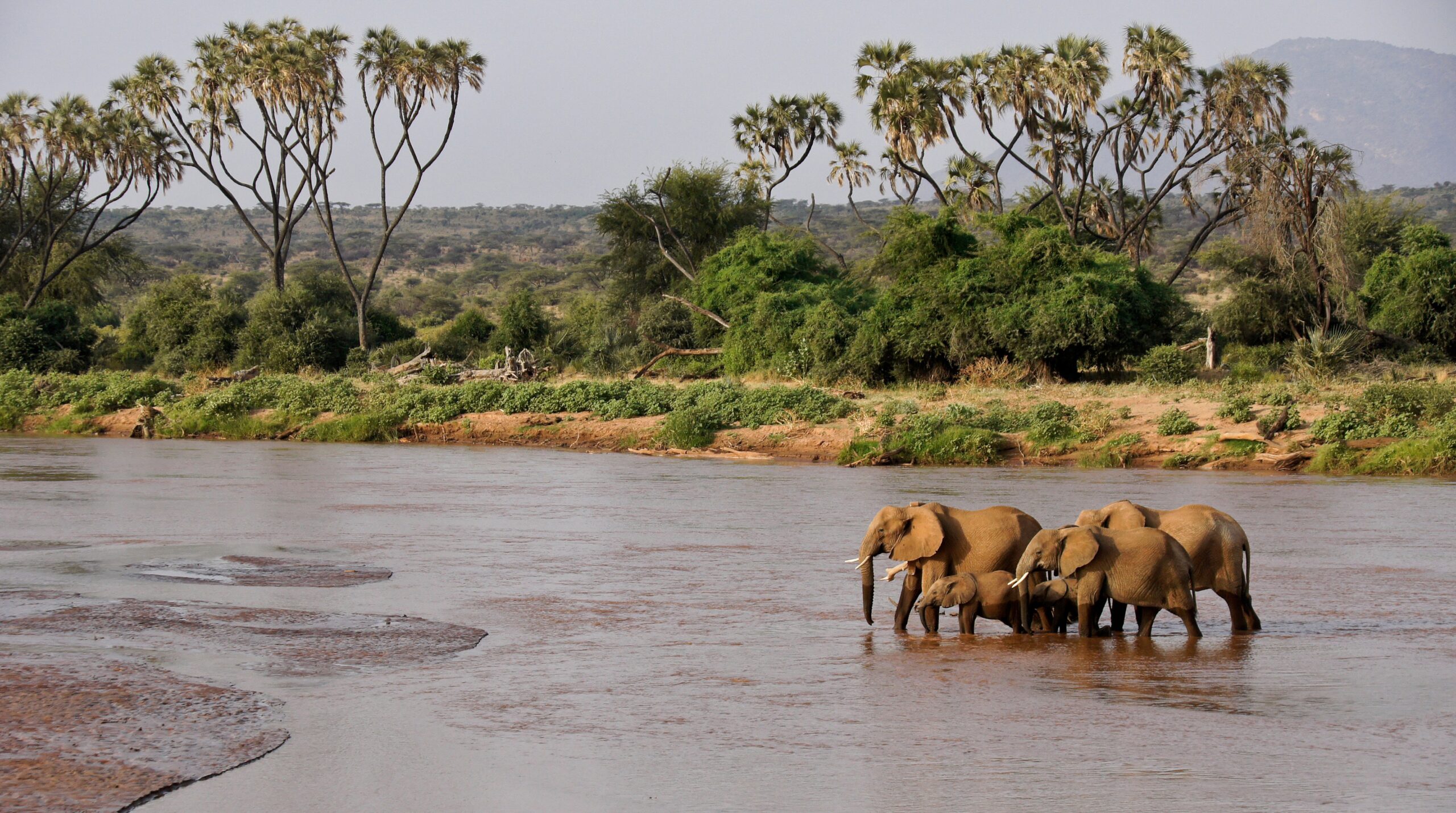
26.03.2025 | iDiv, Media Release, Research, Theory in Biodiversity Science
How elephants plan their journeys: New study reveals energy-saving strategies
More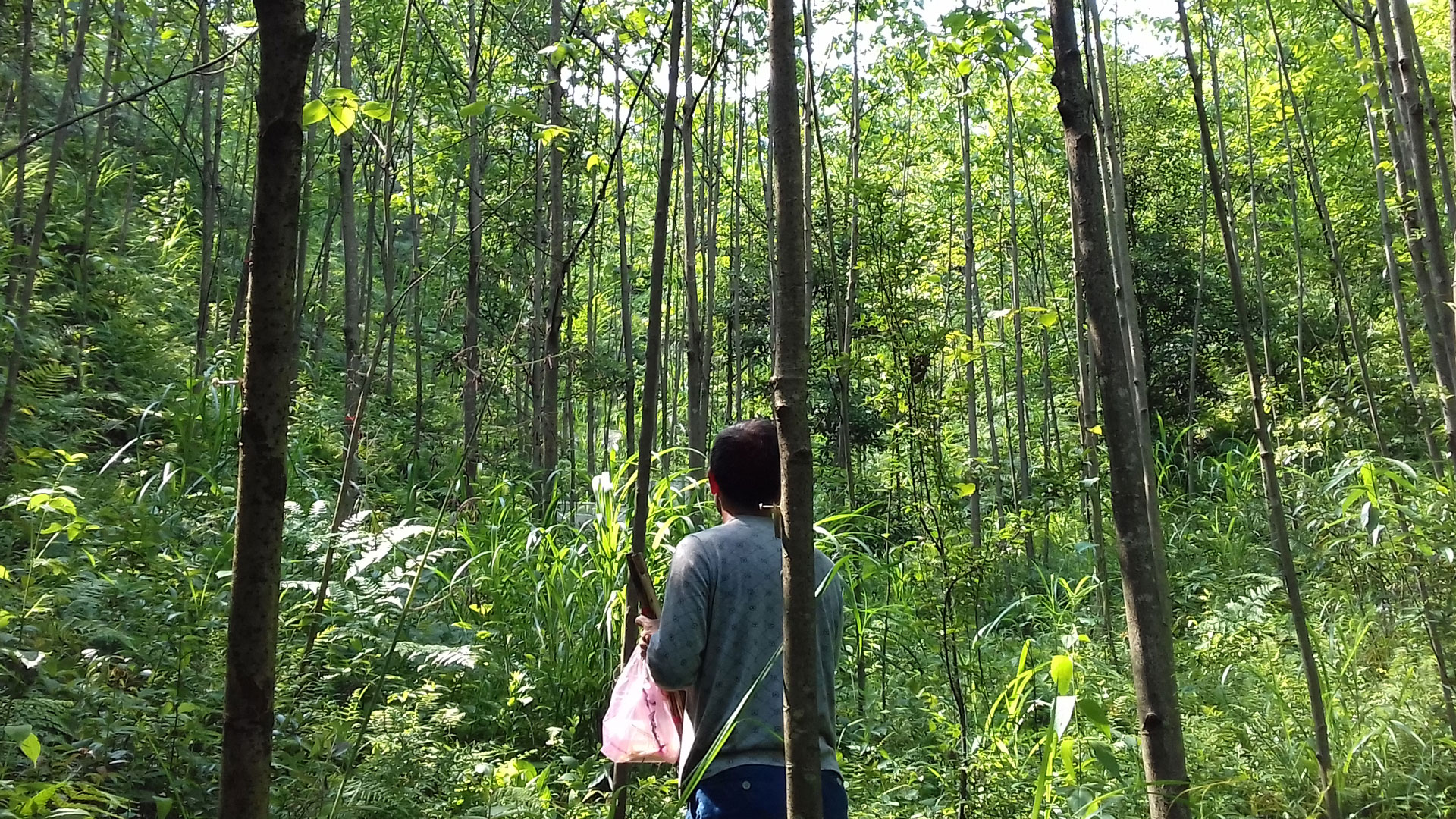
24.03.2025 | Experimental Interaction Ecology, iDiv Members, Media Release
Tree diversity helps reduce heat peaks in forests
More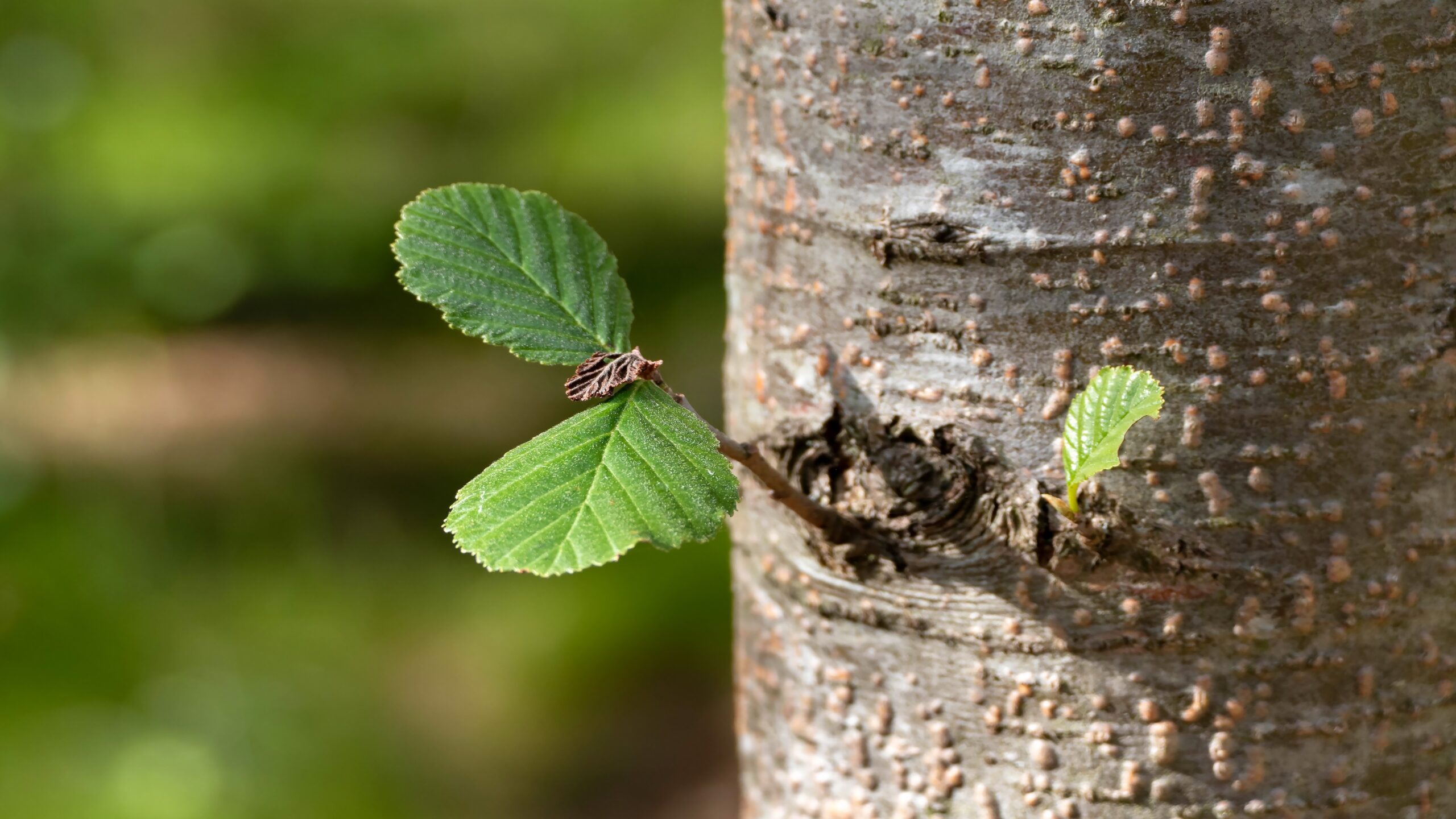
20.03.2025 | Experimental Interaction Ecology, Media Release, Research
Resource-efficient tree species grow faster under real conditions, study shows
More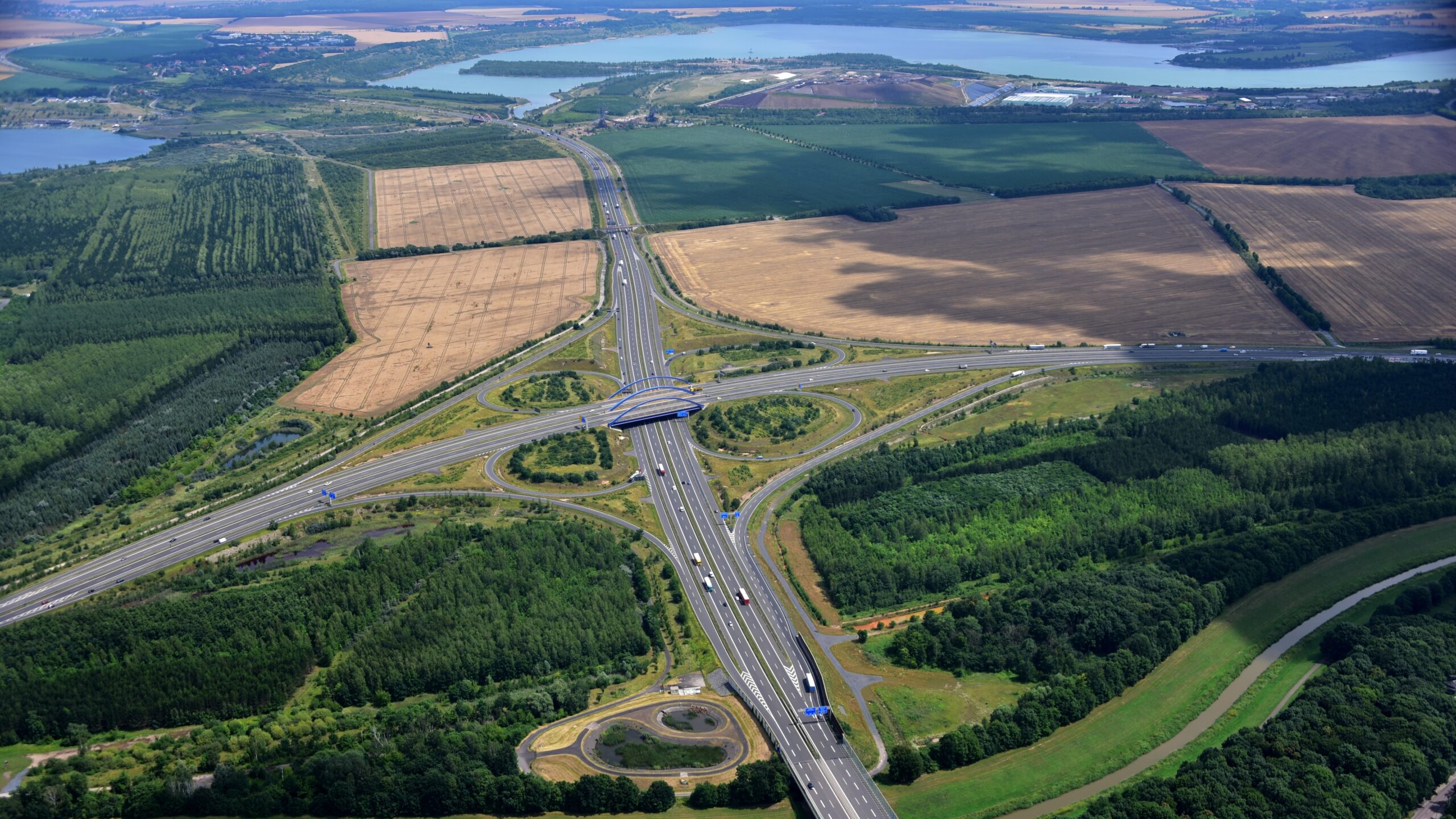
13.03.2025 | Biodiversity Synthesis, Media Release, Research
New study refutes habitat fragmentation claim
More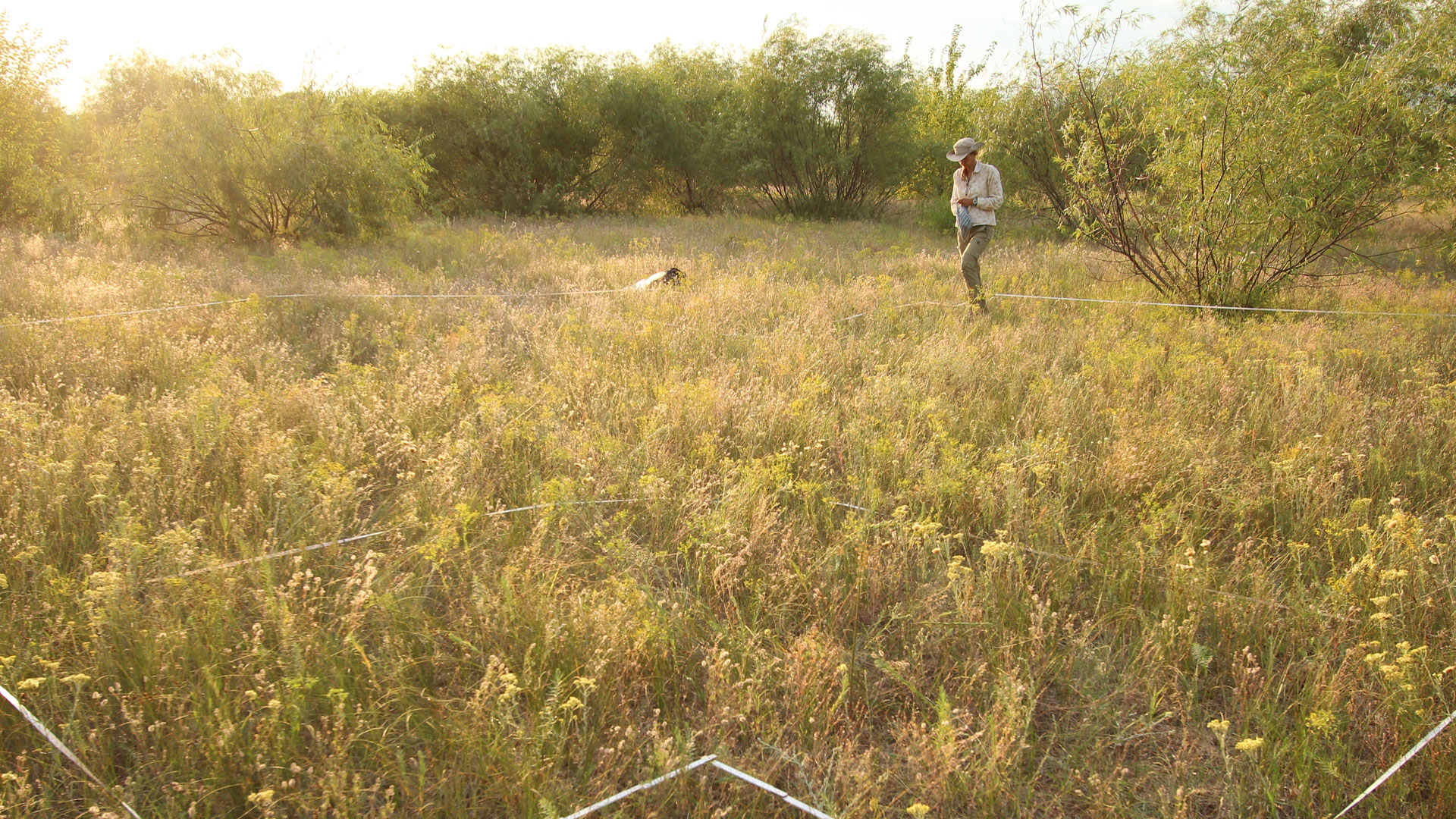
11.03.2025 | Blog Post, iDiv, sDiv
Unraveling the Secrets of Grassland Biodiversity in Ukraine
How an sDiv collaboration helped reunite Ukrainian scholars scattered across Europe due to the war and provided them with an environment of stability, focus, and scientific exchange.
More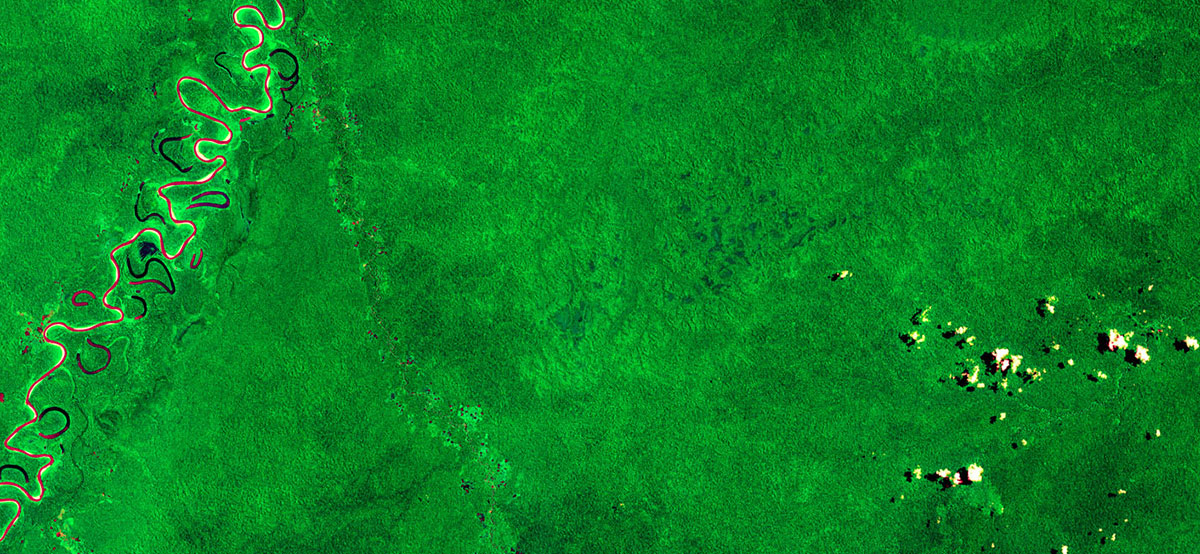
05.03.2025 | iDiv, Media Release, Research
Satellite image analysis new insight into tropical forests
New Nature paper: satellite images from space are allowing scientists to delve deeper into the individual functions of different tropical forest canopies.
More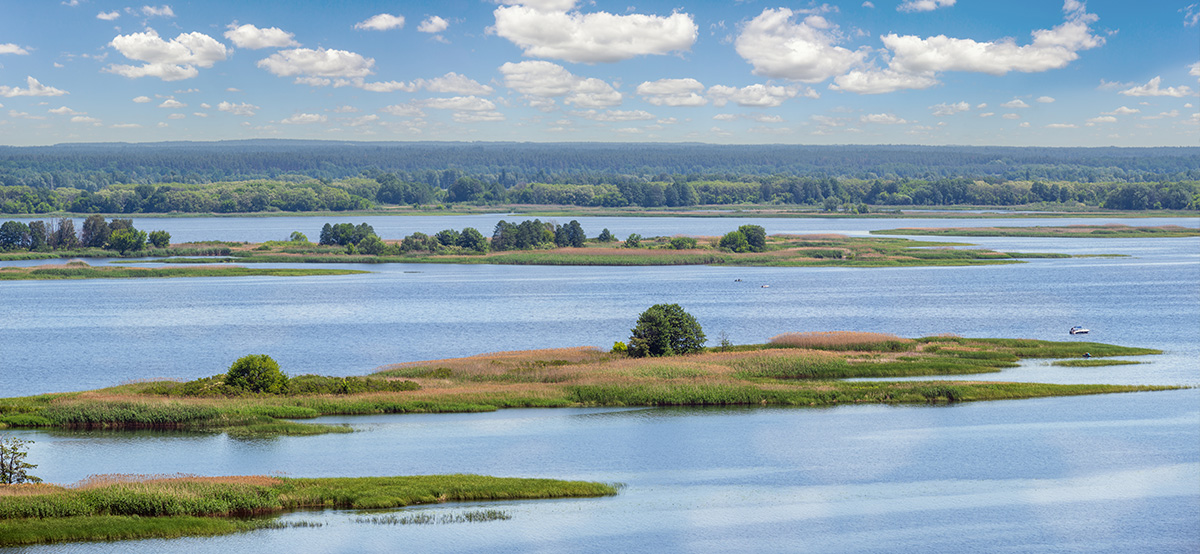
05.03.2025 | Biodiversity Conservation, iDiv, Media Release
The future of nature conservation in Europe
An international research team is pioneering an approach to European conservation, integrating biodiversity as a solution to environmental challenges.
More
27.02.2025 | Blog Post, sDiv
50,000 sDiv citations – 12 years of excellence in biodiversity research
More
19.02.2025 | Experimental Interaction Ecology, iDiv, Media Release
Translating Soil Biodiversity receives Grüter Prize
The Werner and Inge Grüter Foundation’s 2025 Award for Science Communication goes to ‘Translating Soil Biodiversity’.
More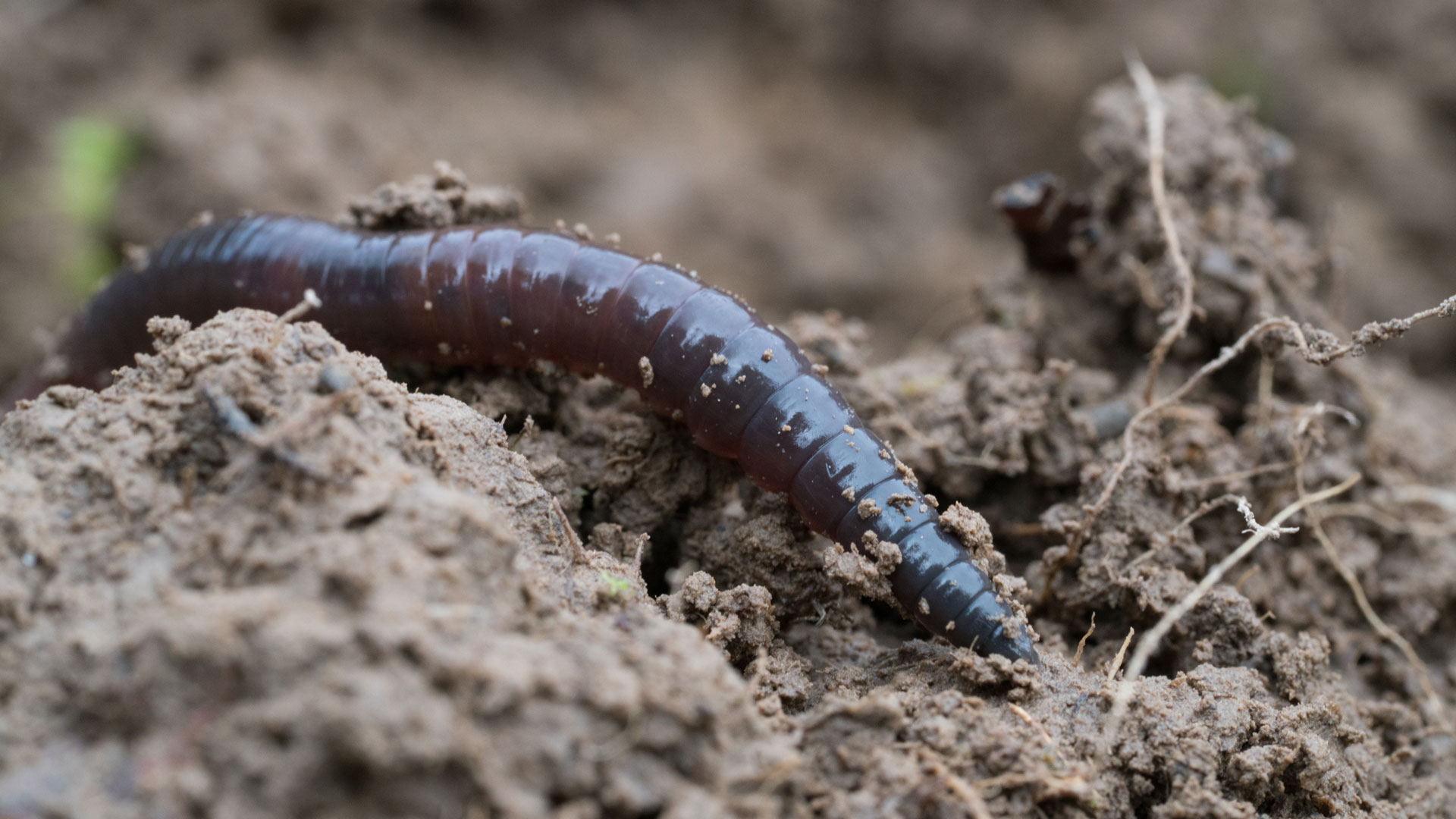
13.02.2025 | Experimental Interaction Ecology, iDiv, Media Release, Research, sDiv
Hidden engineers help shape terrestrial ecosystems
A new paper in Nature shows how soil invertebrates’ engineering effects drive global ecosystem functions.
More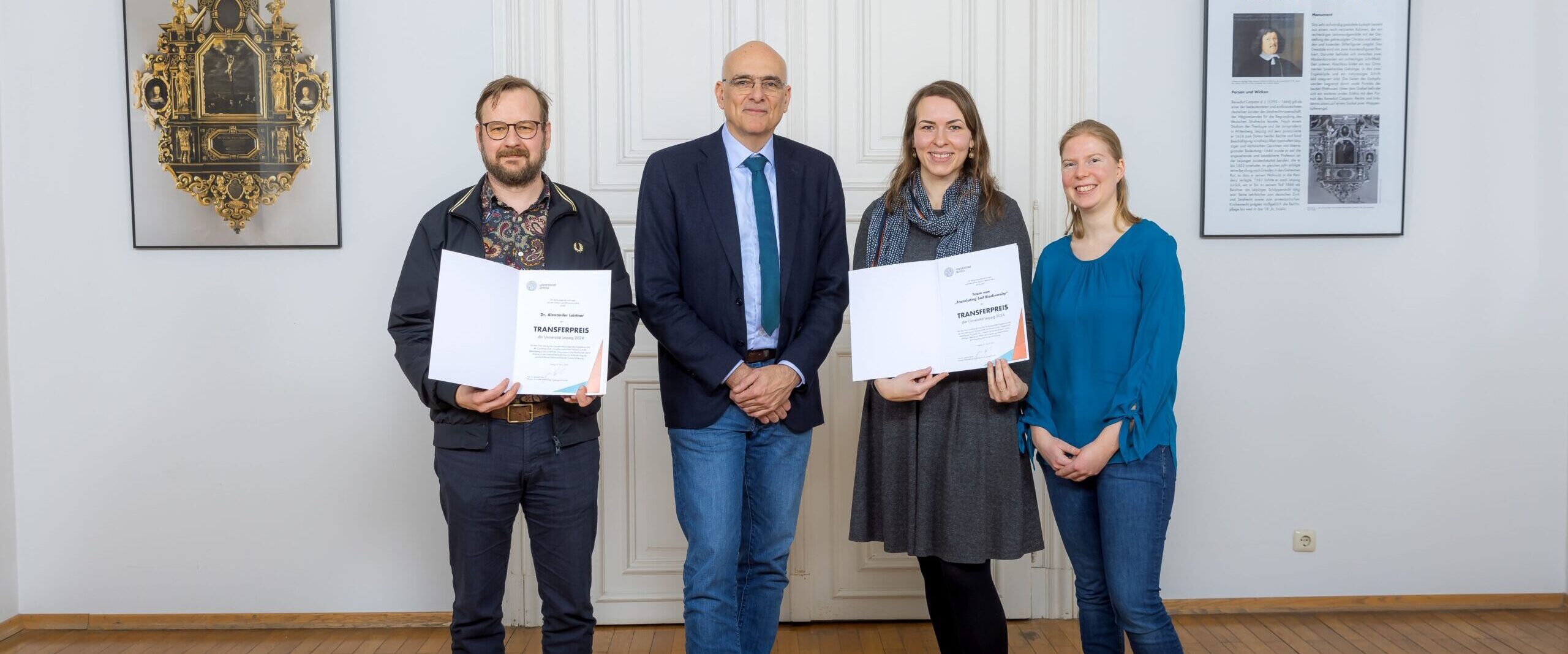
30.01.2025 | Experimental Interaction Ecology, iDiv, Media Release
Transfer prize for Translating Soil Biodiversity project
The team behind the ‘Translating Soil Biodiversity’ project at the German Centre for Integrative Biodiversity Research (iDiv) has been awarded the Transfer Prize of Leipzig University.
More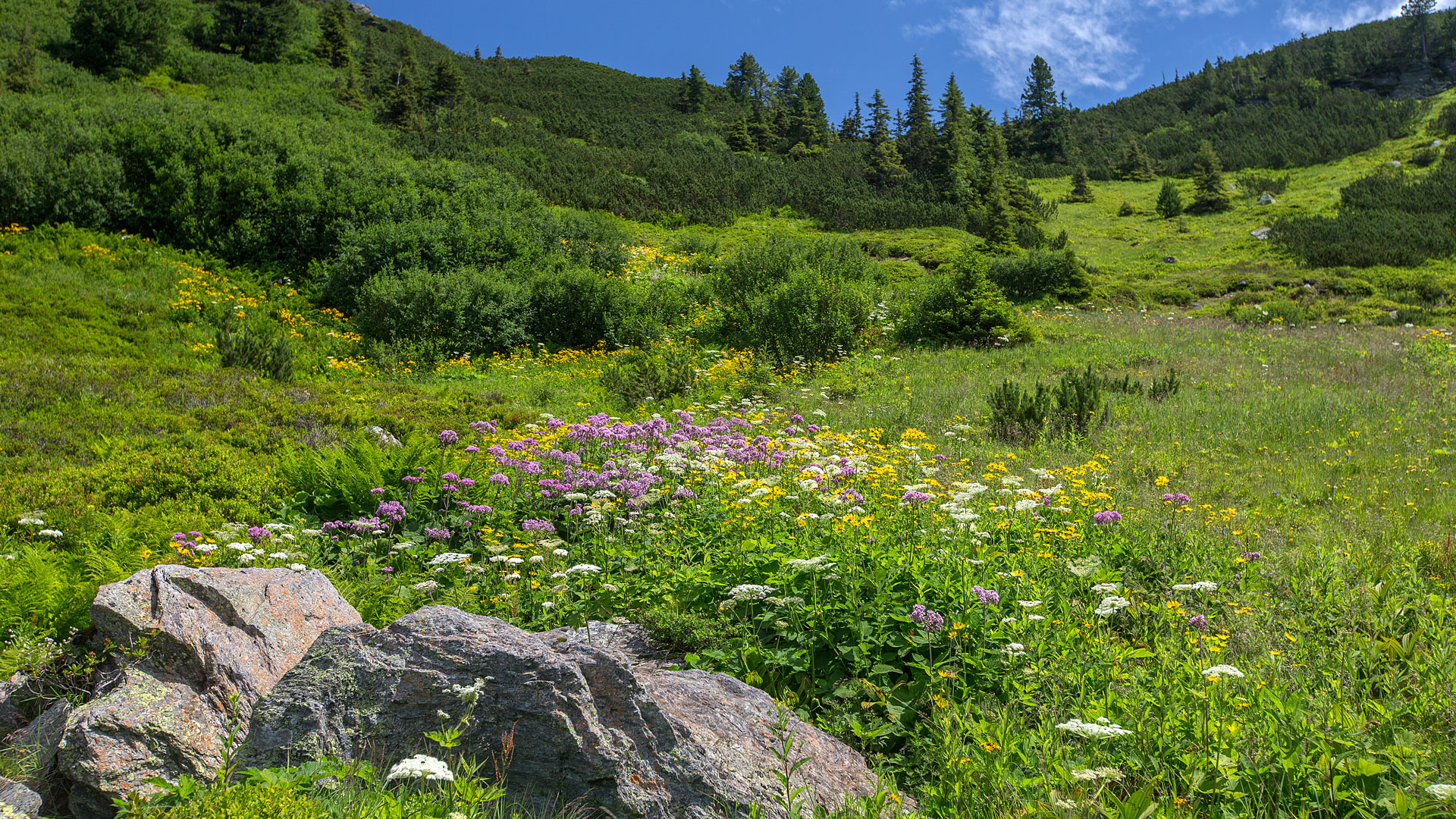
29.01.2025 | Biodiversity Synthesis, Media Release, Theory in Biodiversity Science
Climate change reshuffles species like a deck of cards
A new study found that biodiversity has changed faster in locations where warming or cooling was faster
More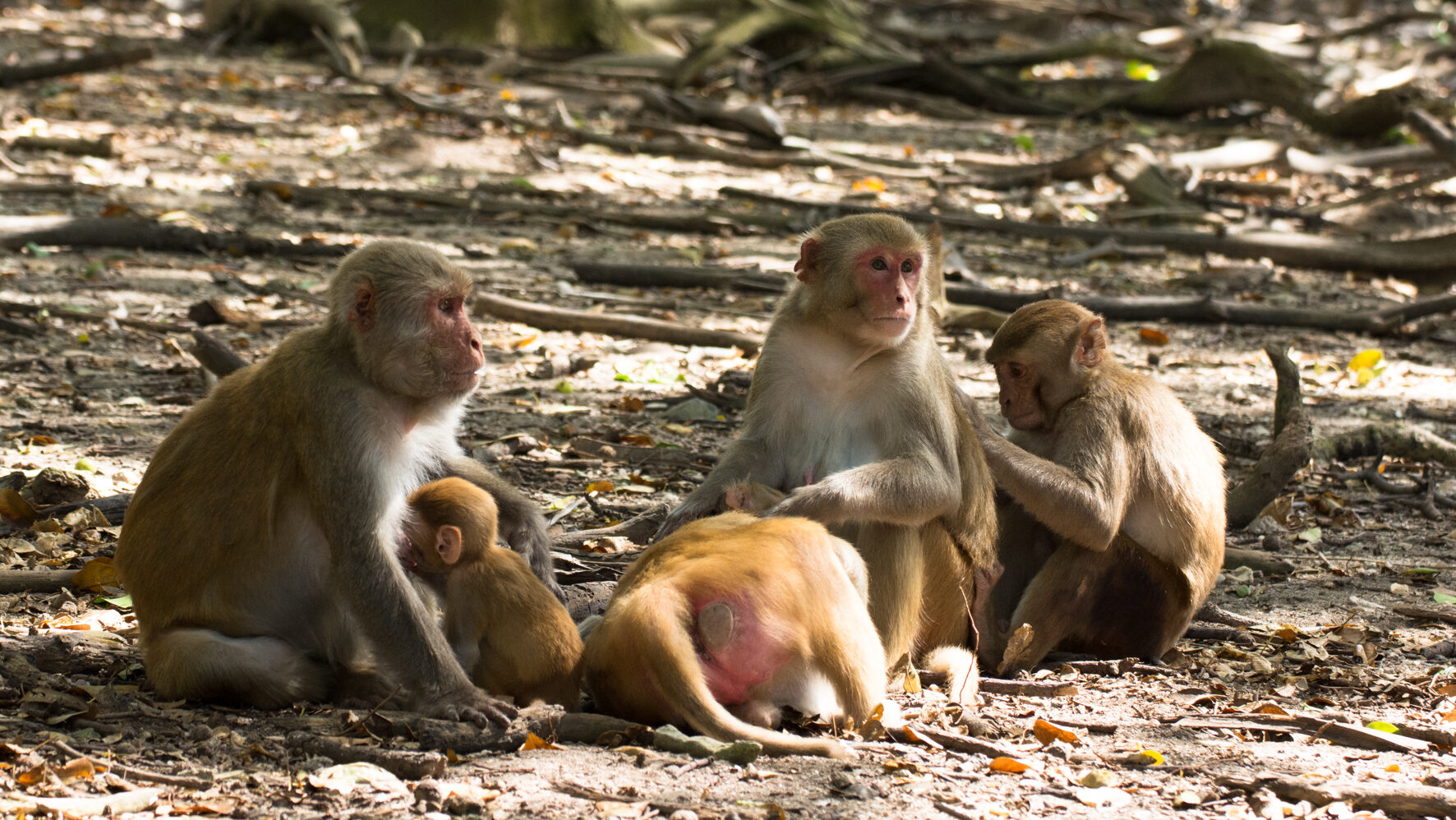
15.01.2025 | iDiv Members, Media Release, Research
New technique by scientists reveals genetic ties within animal populations
More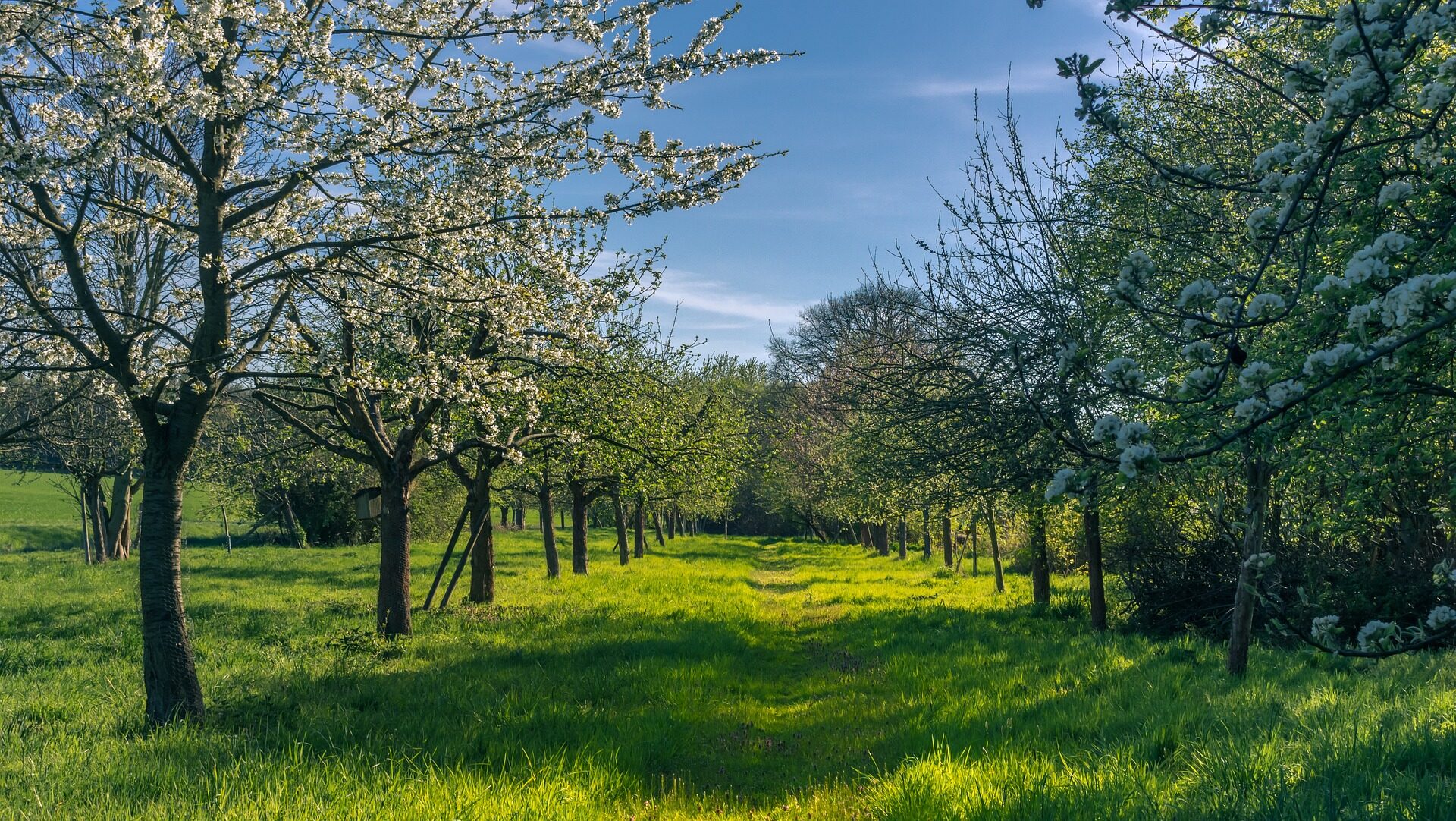
13.01.2025 | Biodiversity and People, iDiv, Media Release
Perspective: Tree crops key to advancing Sustainable Development Goals
More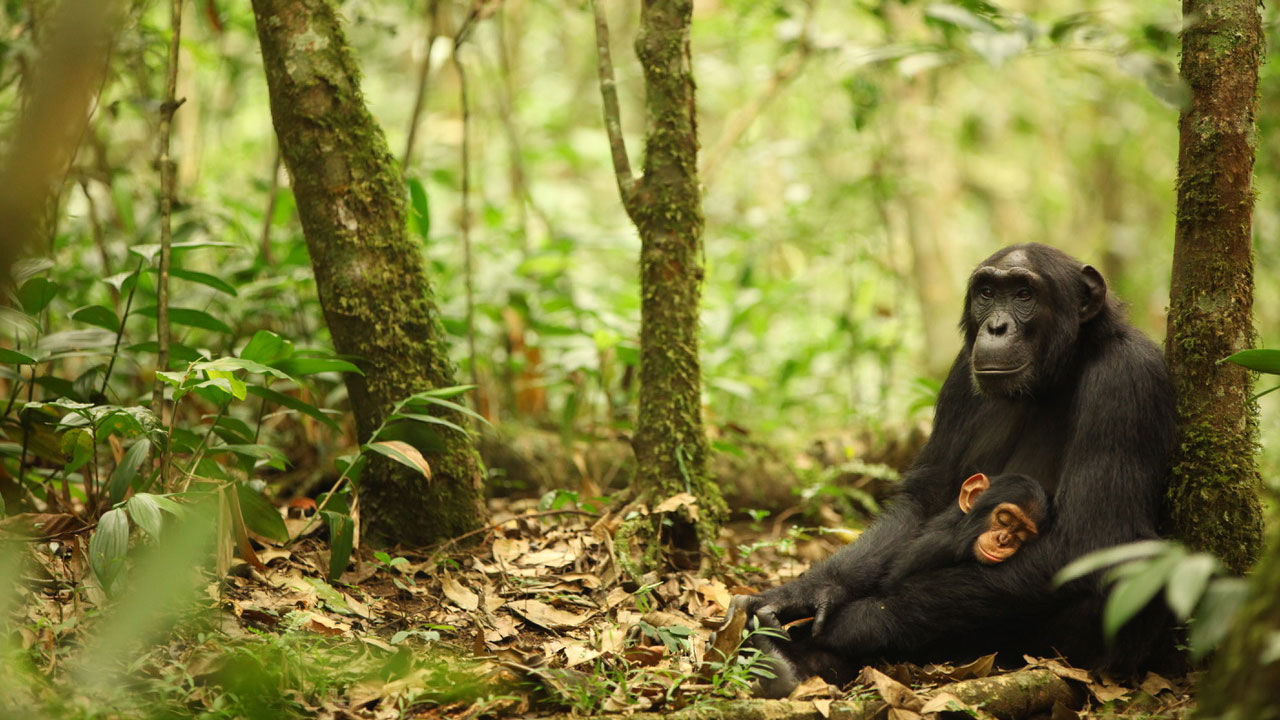
09.01.2025 | Biodiversity Conservation, iDiv Members, Media Release
Chimpanzees are genetically adapted local habitats and infections such as malaria
Chimpanzees bear genetic adaptations that help them thrive in their different forest and savannah habitats, some of which may protect against malaria
More
18.12.2024 | iDiv Members, Media Release, Soil Biodiversity and Functions
Anton Potapov receives ERC Consolidator Grant
The grant will fund the iDiv member’s research project CARBONWEB with around two million euros
More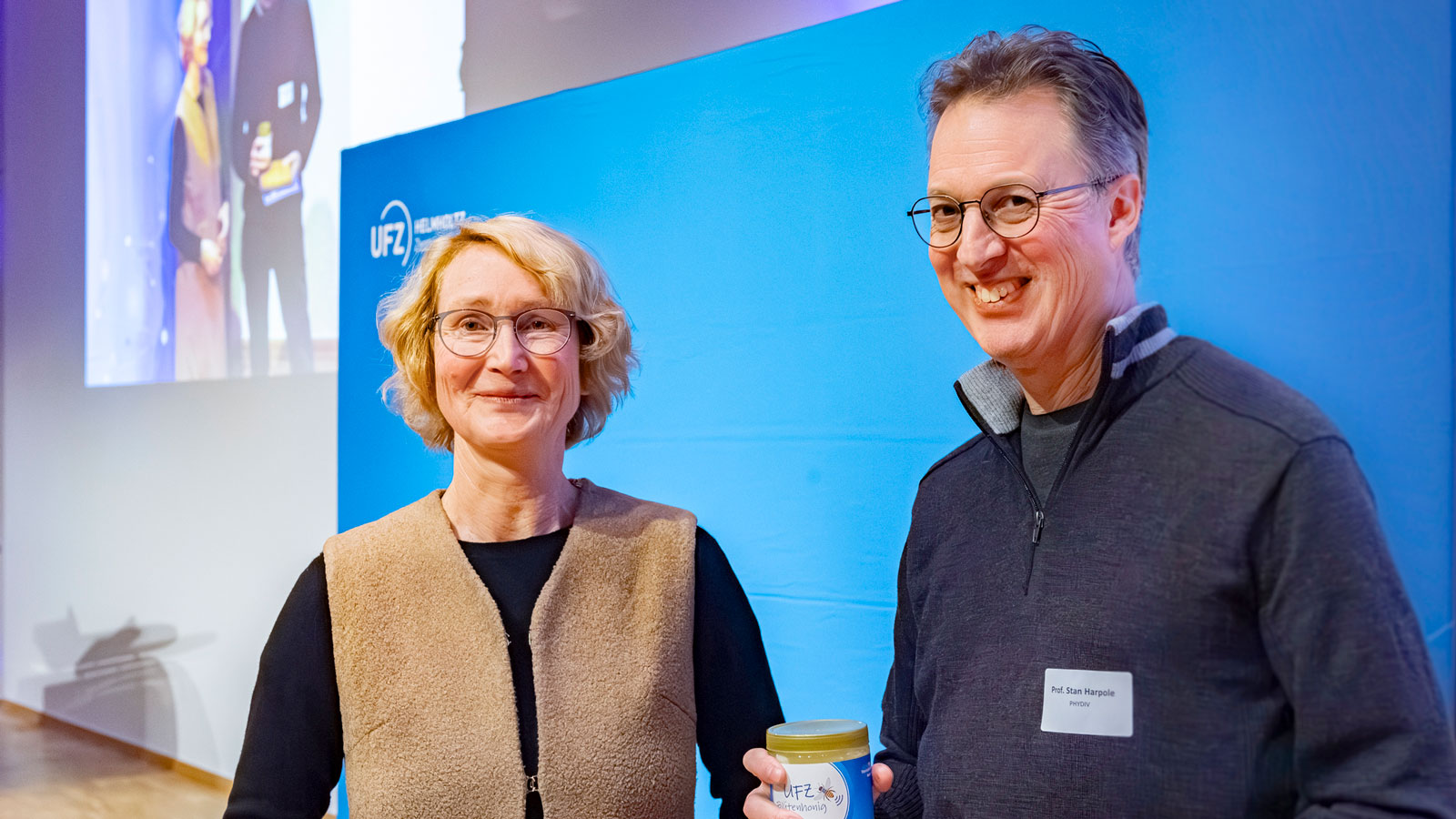
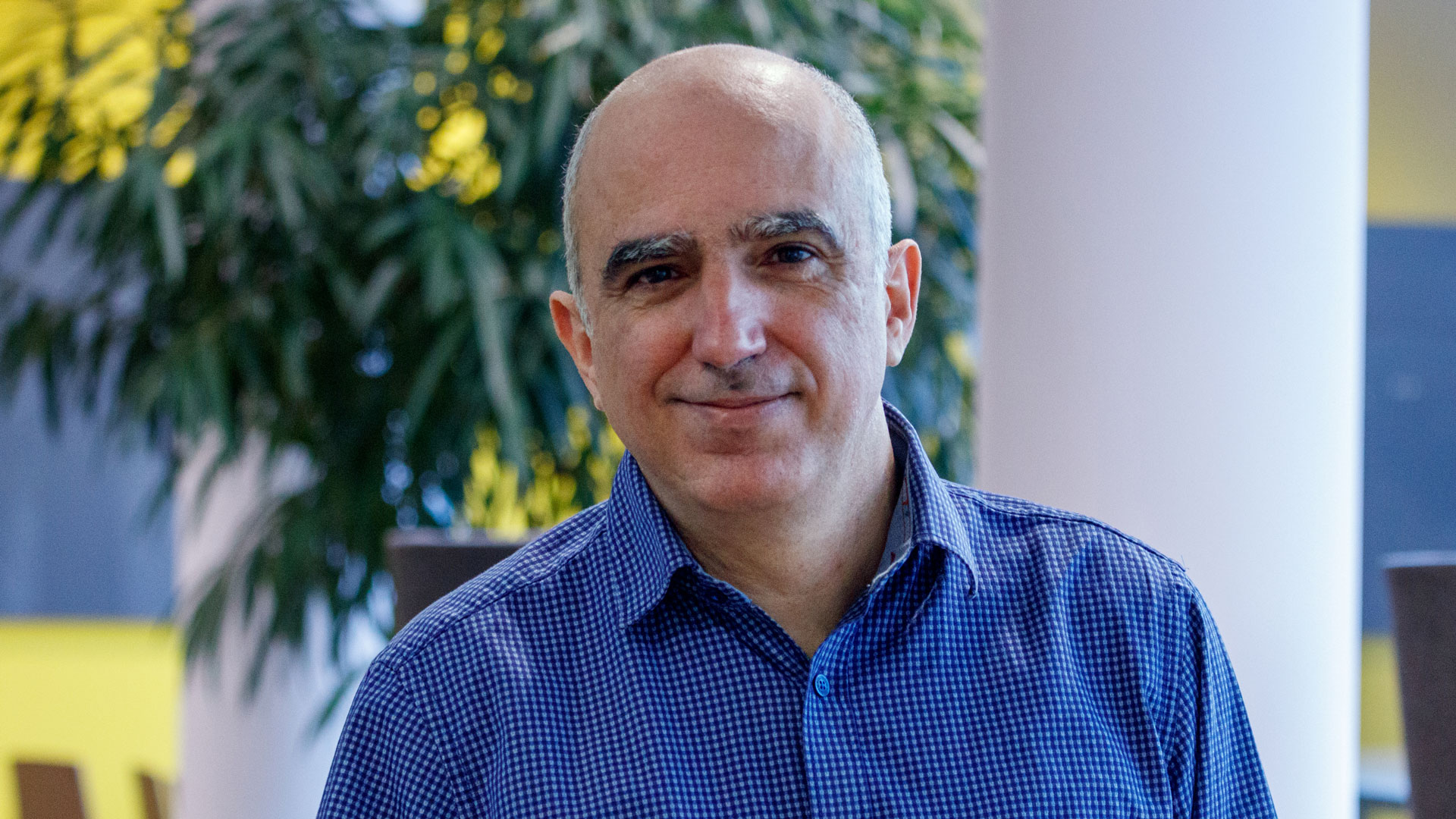
04.12.2024 | Biodiversity Conservation, TOP NEWS
Henrique Pereira elected member of the Academia Europaea
Membership honours individuals who have demonstrated “sustained academic excellence”
More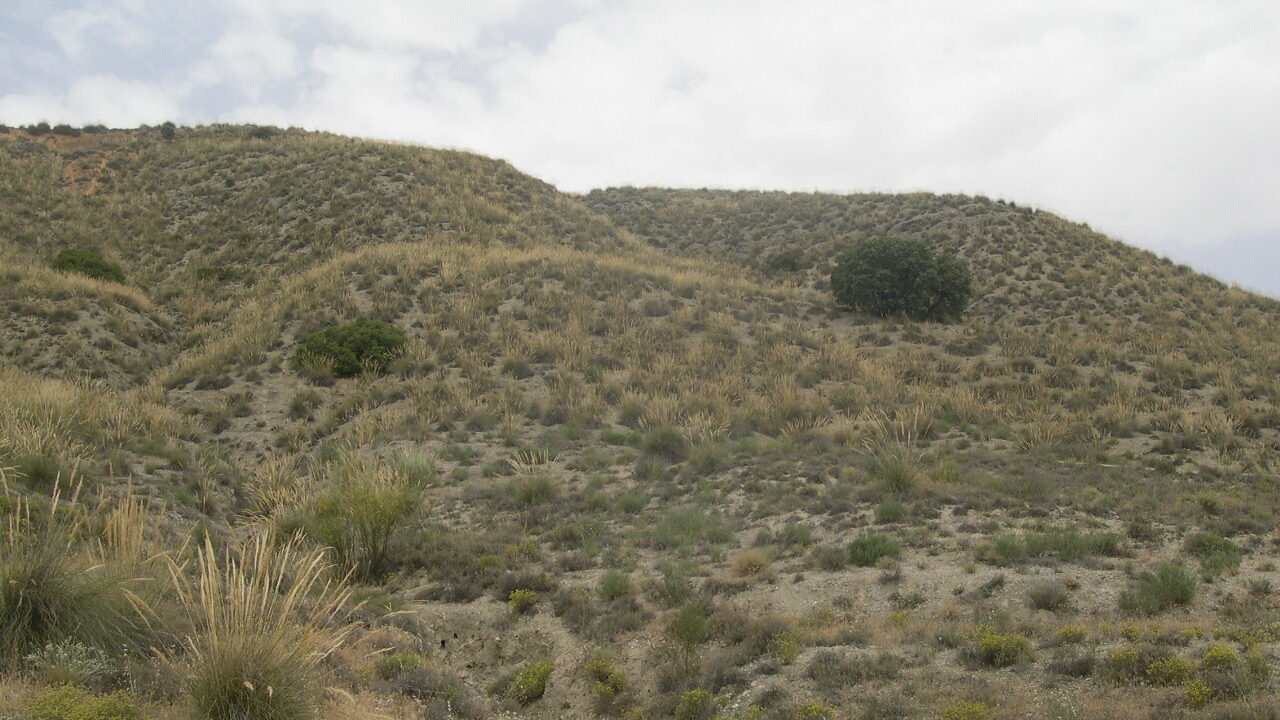
04.12.2024 | Experimental Interaction Ecology, Media Release, TOP NEWS
Survival Strategies of Tiny Soil Microbes Unravelled
New Nature paper has revealed how soil microbes are impacted by extreme weather events, offering new insights into the risks posed by climate change.
More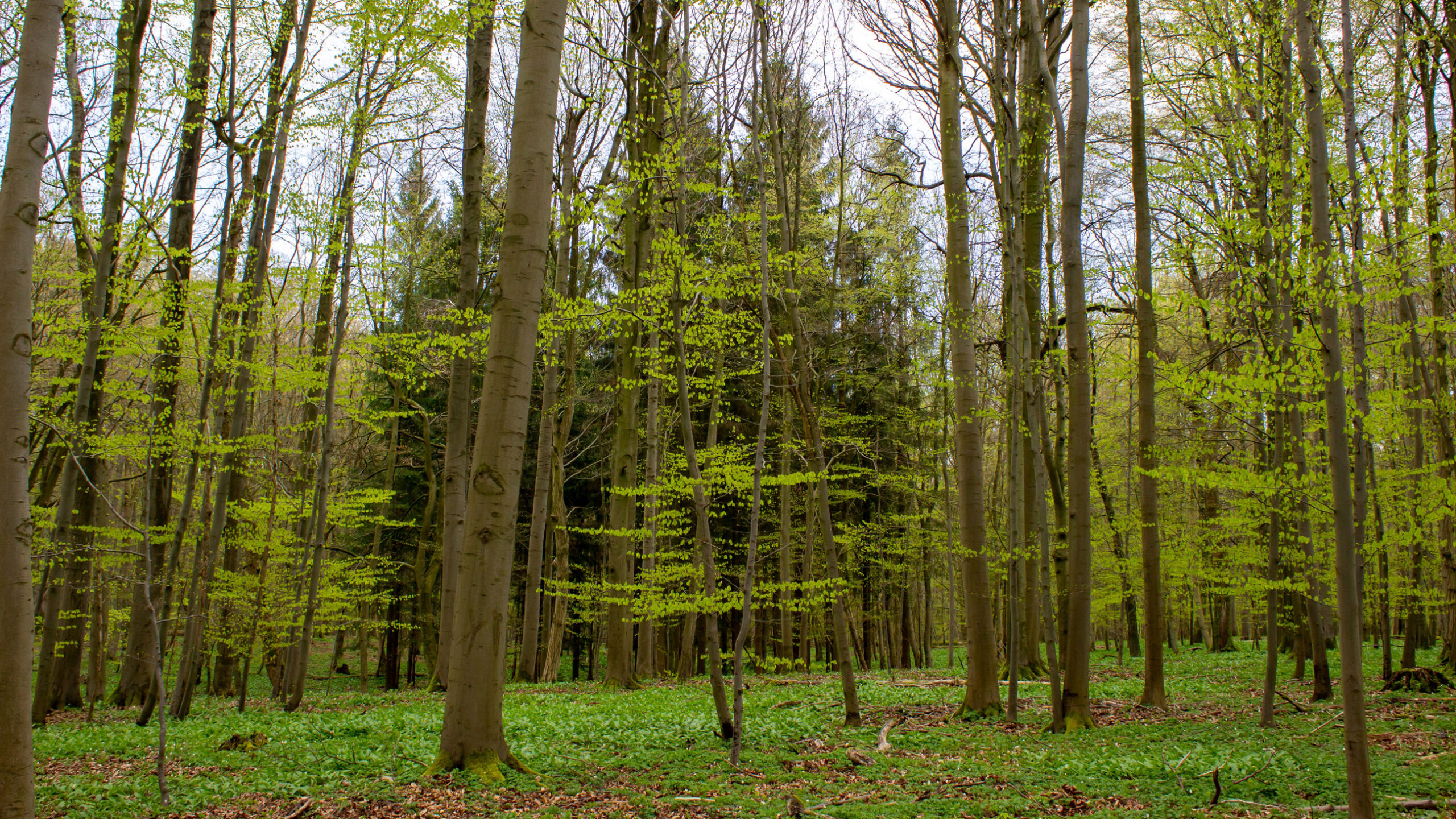
03.12.2024 | iDiv Members, MLU News, TOP NEWS
Ecosystems: new study questions common assumption about biodiversity
Plant species can fulfil different functions within an ecosystem, even if they are closely related to each other.
More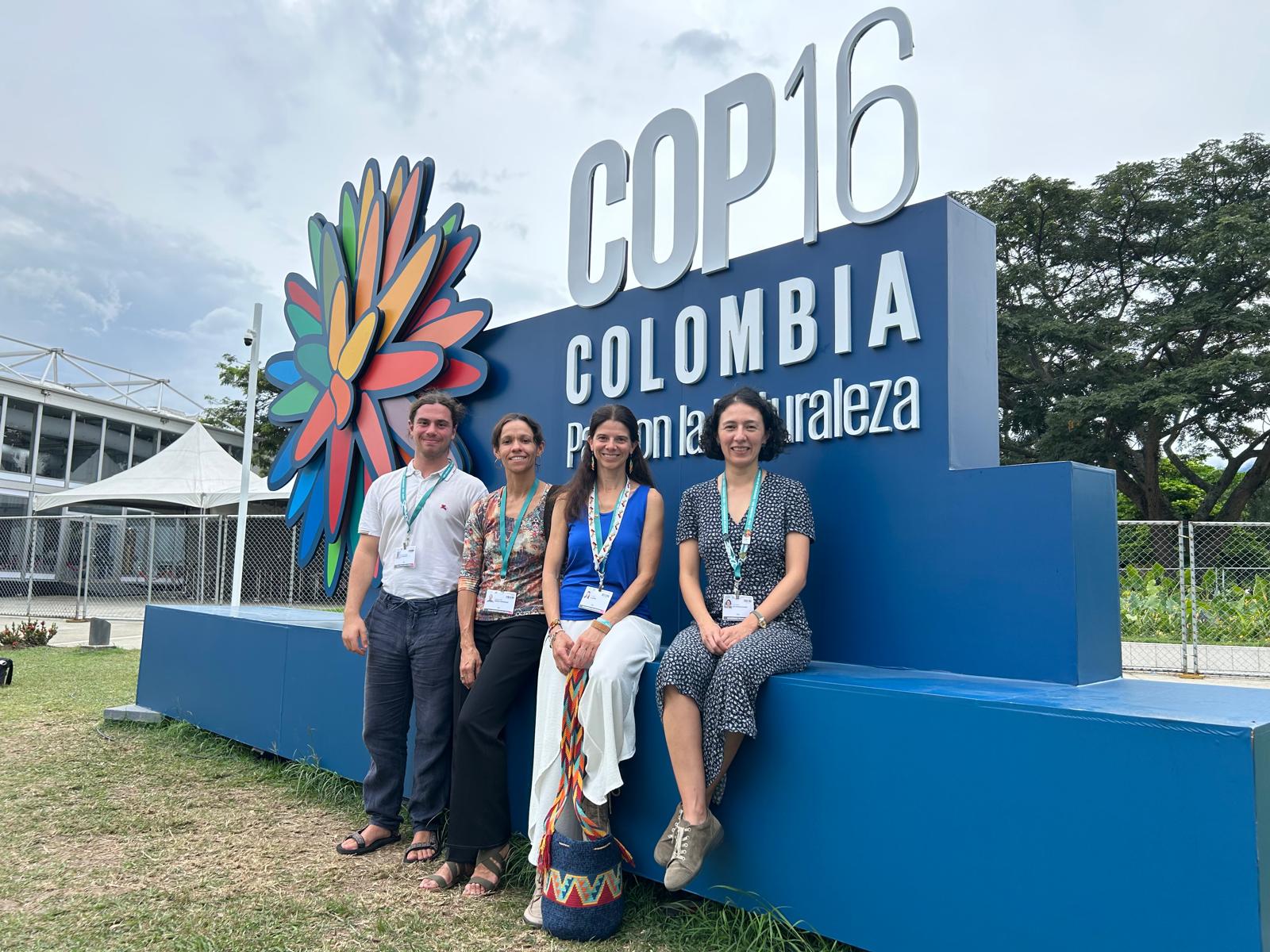
21.11.2024 | Science-Policy, TOP NEWS
iDiv researchers at the Convention on Biological Diversity’s COP16
Addressing biodiversity challenges with science-based strategies
More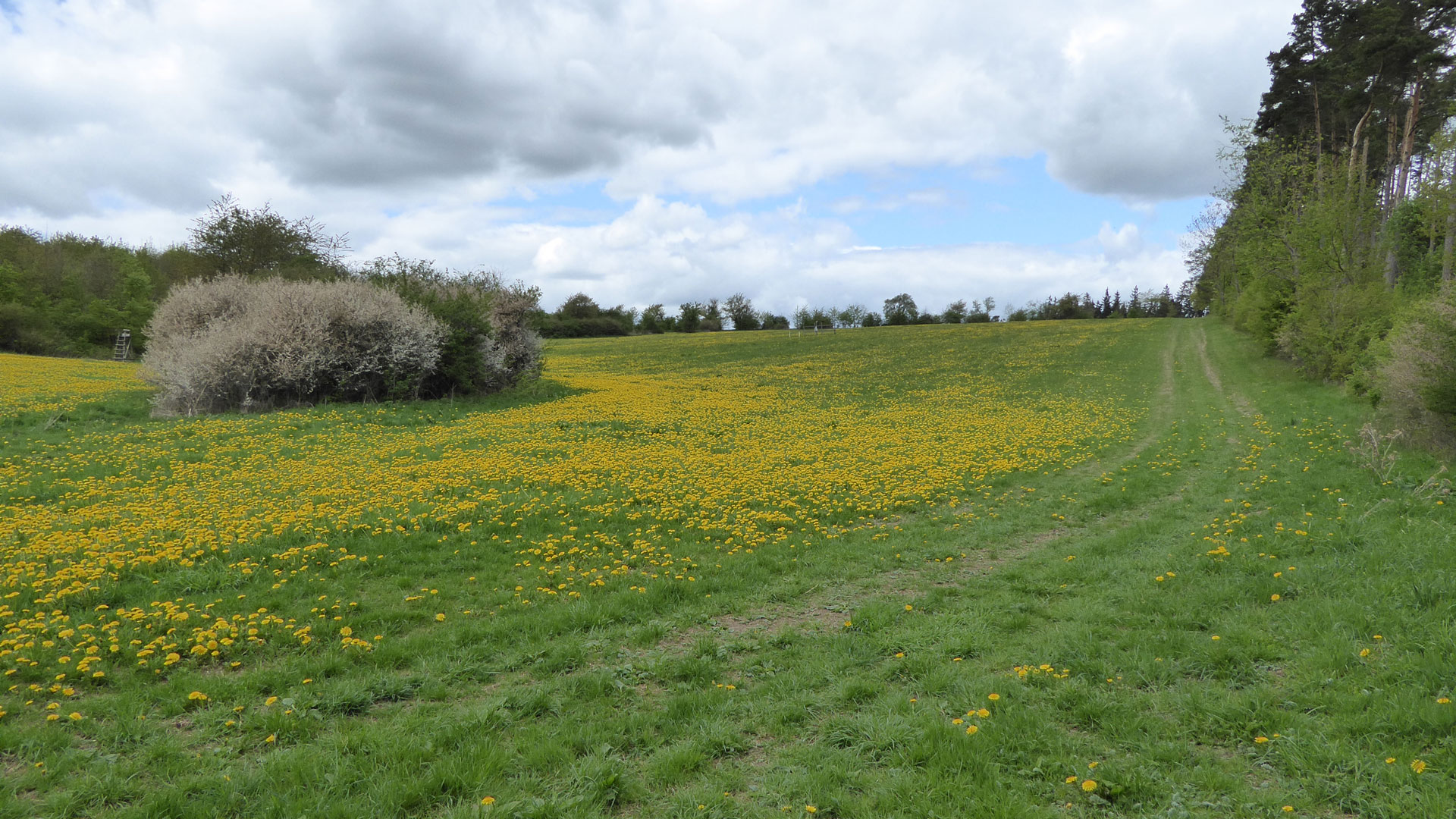
19.11.2024 | Experimental Interaction Ecology, Media Release, TOP NEWS
Soil ecosystem more resilient when land managed extensively
Researchers studied the effects of intensive and extensive land use on soil biodiversity in cropland and grassland
More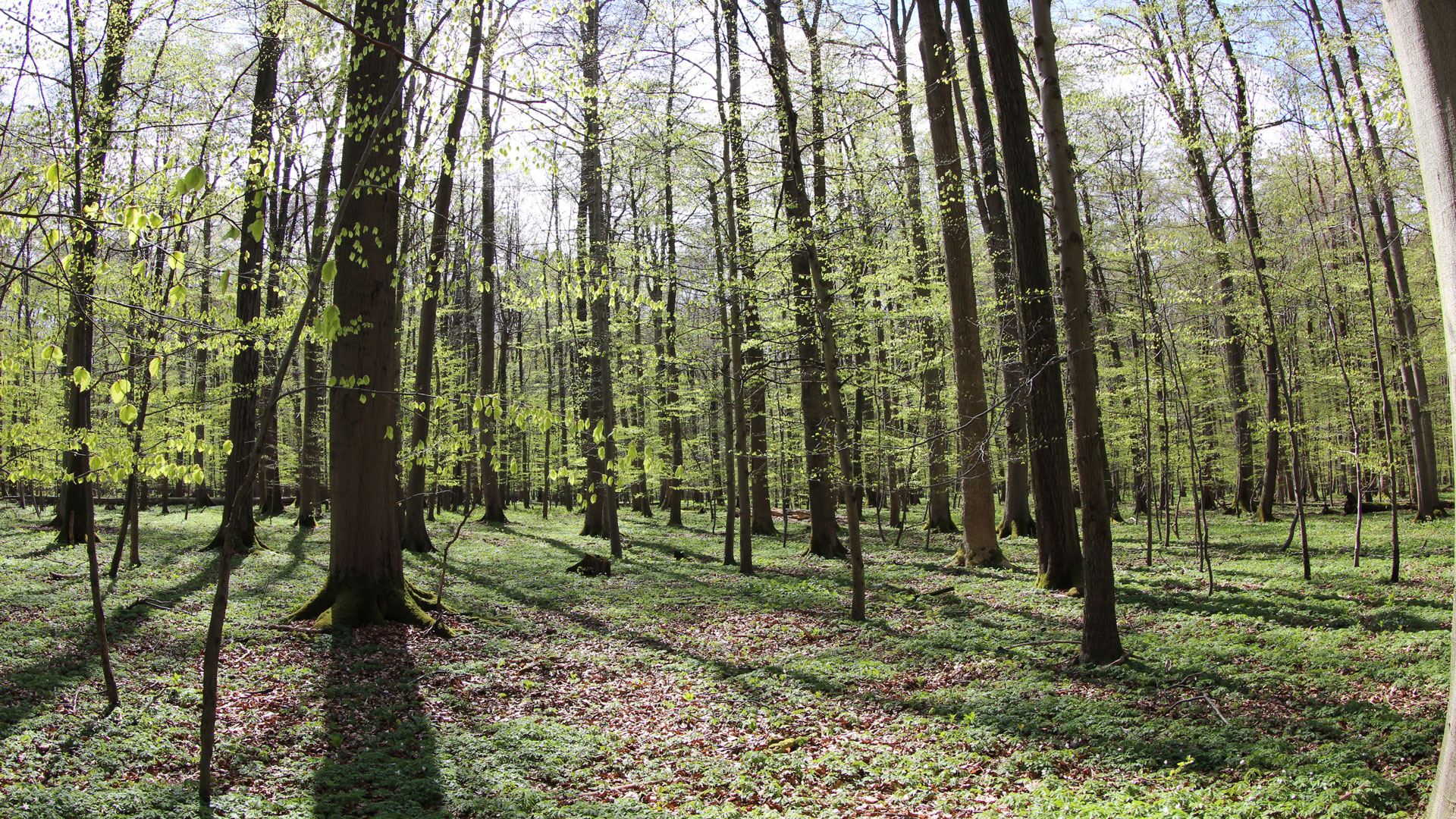
12.11.2024 | Media Release, TOP NEWS
Diverse and diverging demands on forests in Germany
Research team analyse biodiversity, ecosystems and economics of enriching beech forests with conifers
More
01.11.2024 | Biodiversity and People, TOP NEWS
Aletta Bonn appointed
iDiv researcher has been appointed to the German Advisory Council on Global Change
More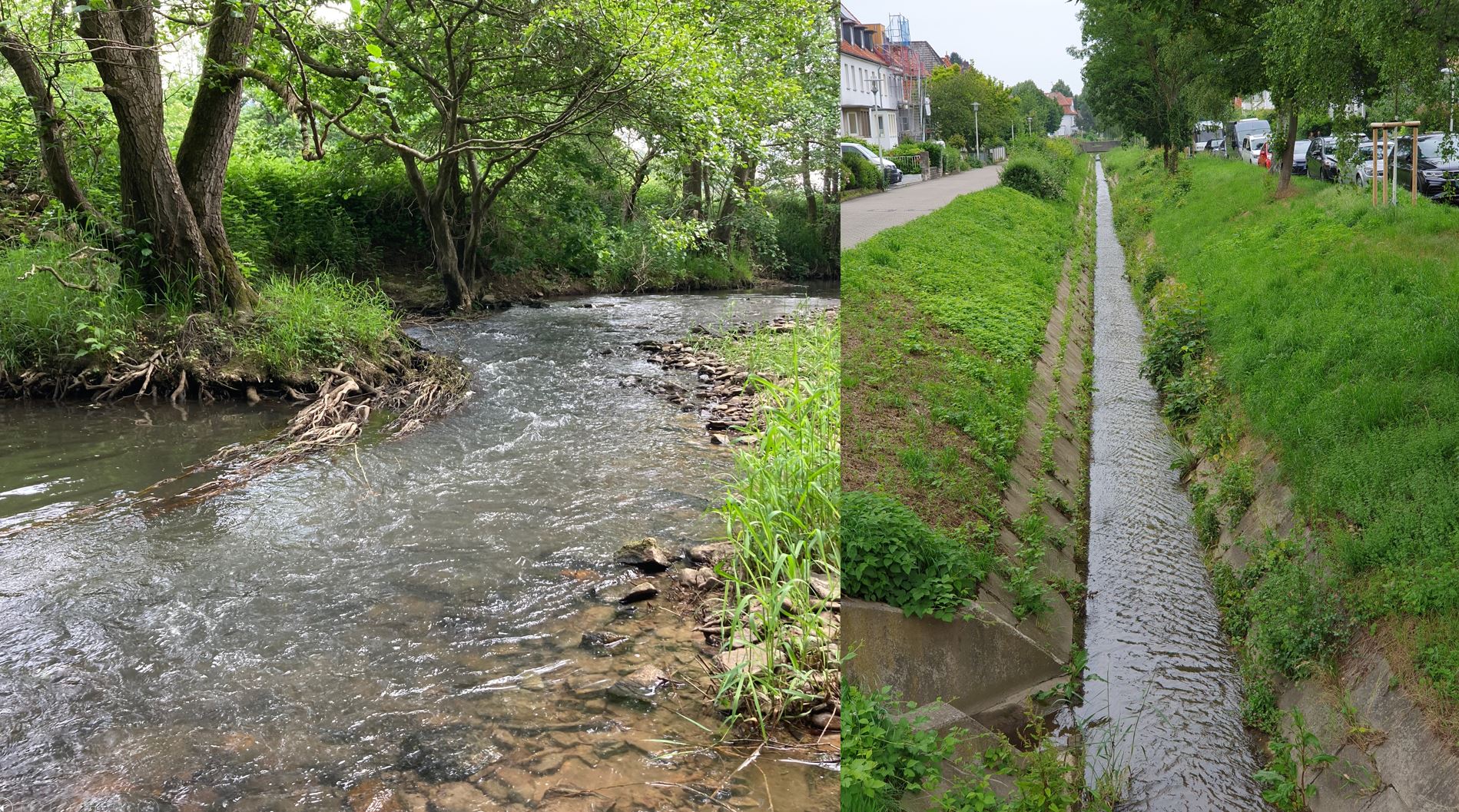
21.10.2024 | Biodiversity and People, TOP NEWS
Scientific backing for the join-in campaign ”Unsere Flüsse“ on German television
Researchers investigate the habitat quality of Germany’s streams
More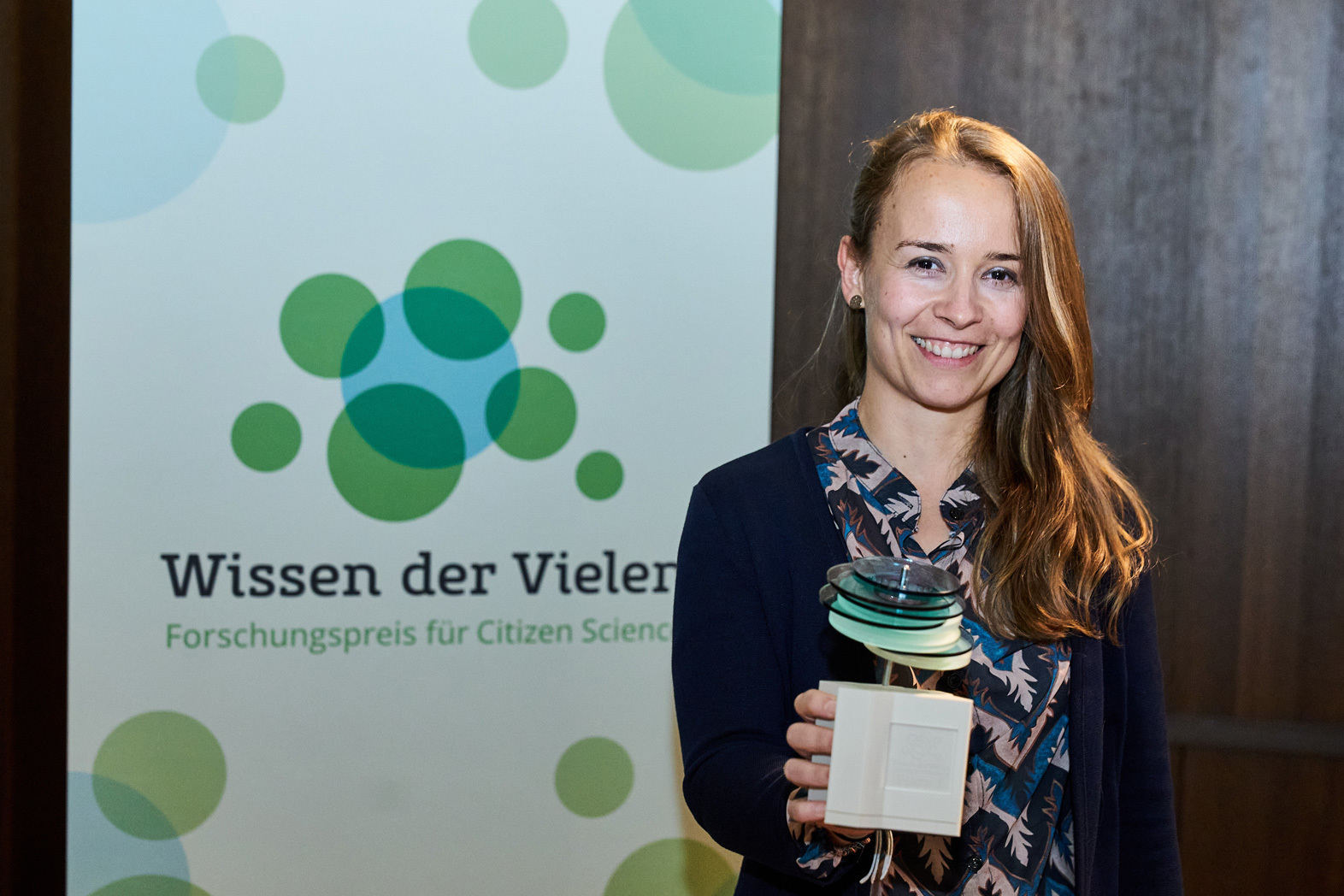
10.10.2024 | Biodiversity and People, TOP NEWS
Julia von Gönner wins Research Award for Citizen Science
The Citizen Science project FLOW mobilised over 900 citizens to contribute to the ecological monitoring of small streams.
More
10.10.2024 | iDiv Members, Media Release, sDiv, TOP NEWS
European forest plants are migrating westwards, nitrogen main cause
Based on a press release by Ghent University
More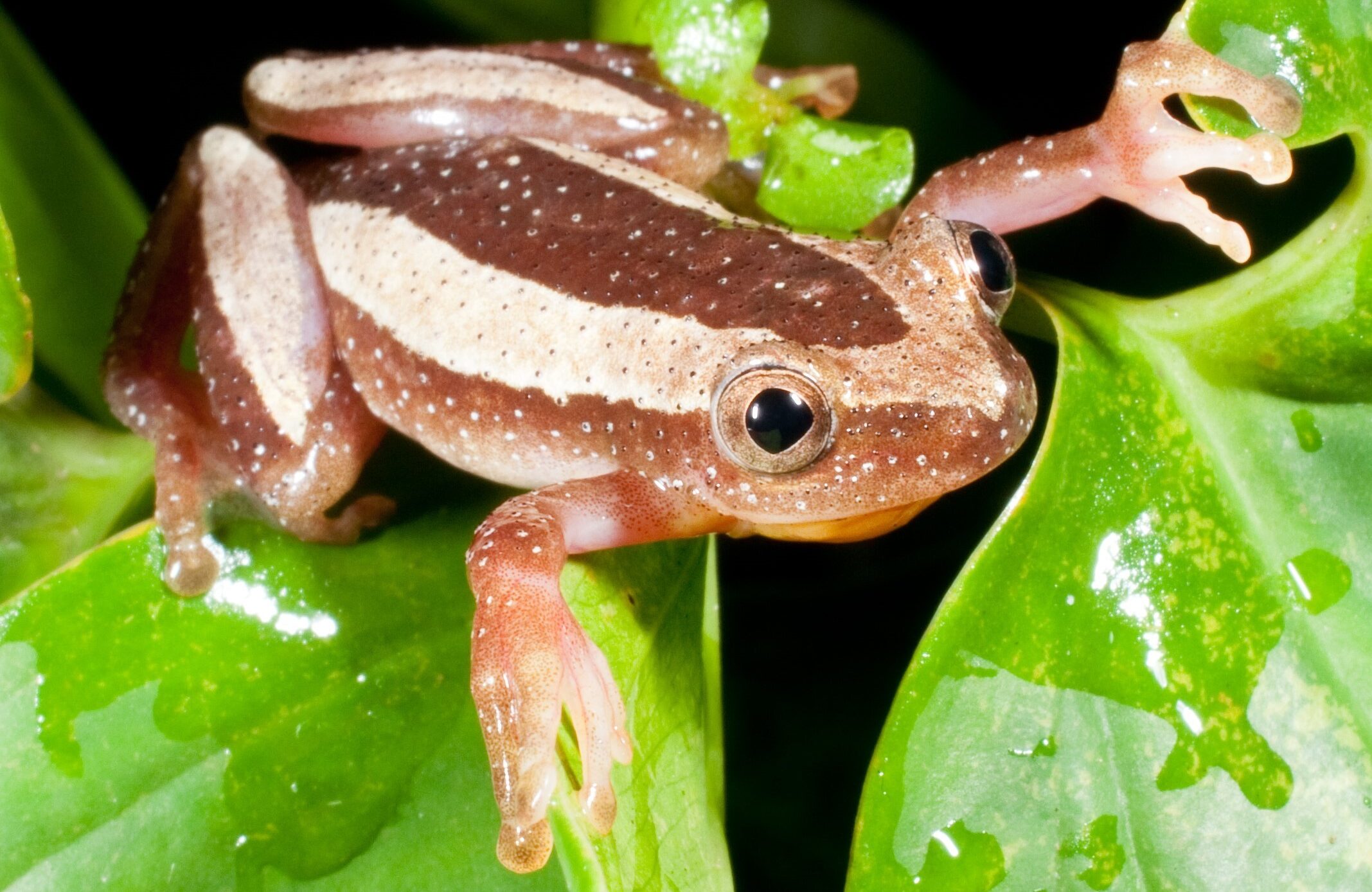
08.10.2024 | sDiv, TOP NEWS
‘Life on the edge’: A new toolbox to predict global change impact on wildlife
New climate change prediction tool provides insight into population-level vulnerability to global change through combining genomic, geographic and environmental data.
More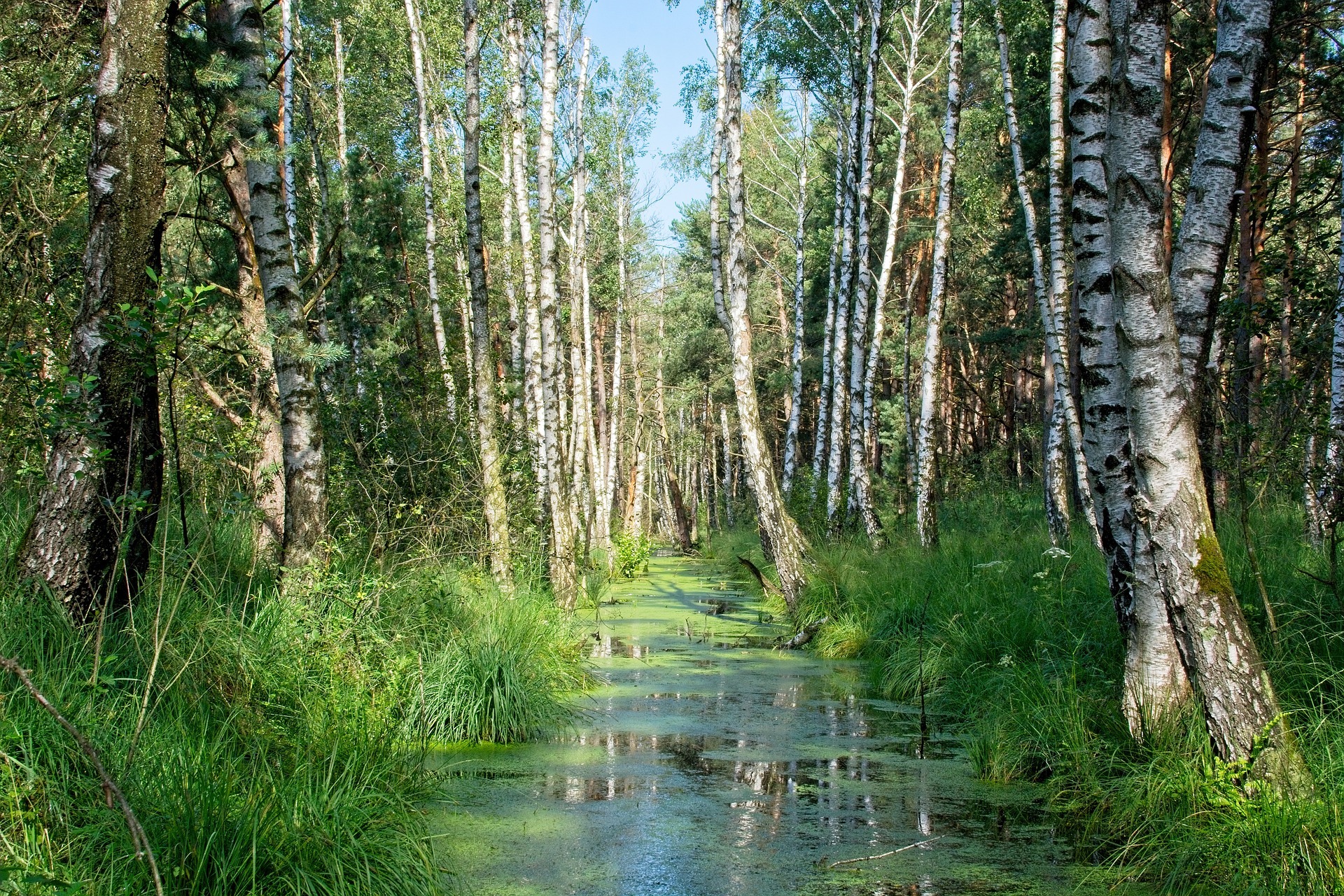
01.10.2024 | Media Release, Research, Science-Policy, TOP NEWS
Faktencheck Artenvielfalt shows the state of biodiversity in Germany
More than half of Germany’s habitat types have an ecologically unfavourable status
More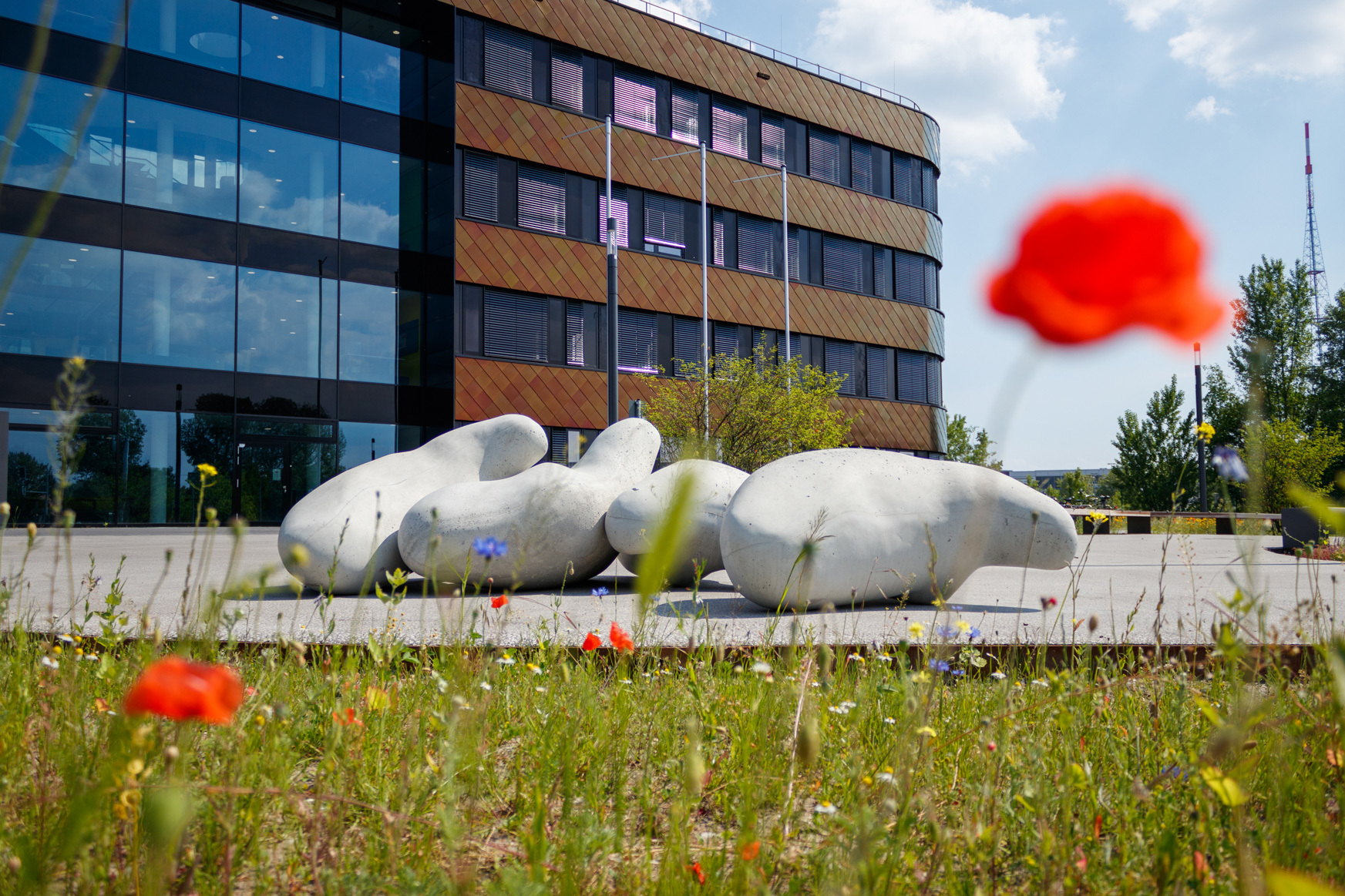
01.10.2024 | iDiv, Media Release, TOP NEWS
New Phase for iDiv: Biodiversity Research Consolidated in Central Germany
Today, the German Centre for Integrative Biodiversity Research (iDiv) enters a new phase with new funding, a new COO, and a new research group.
More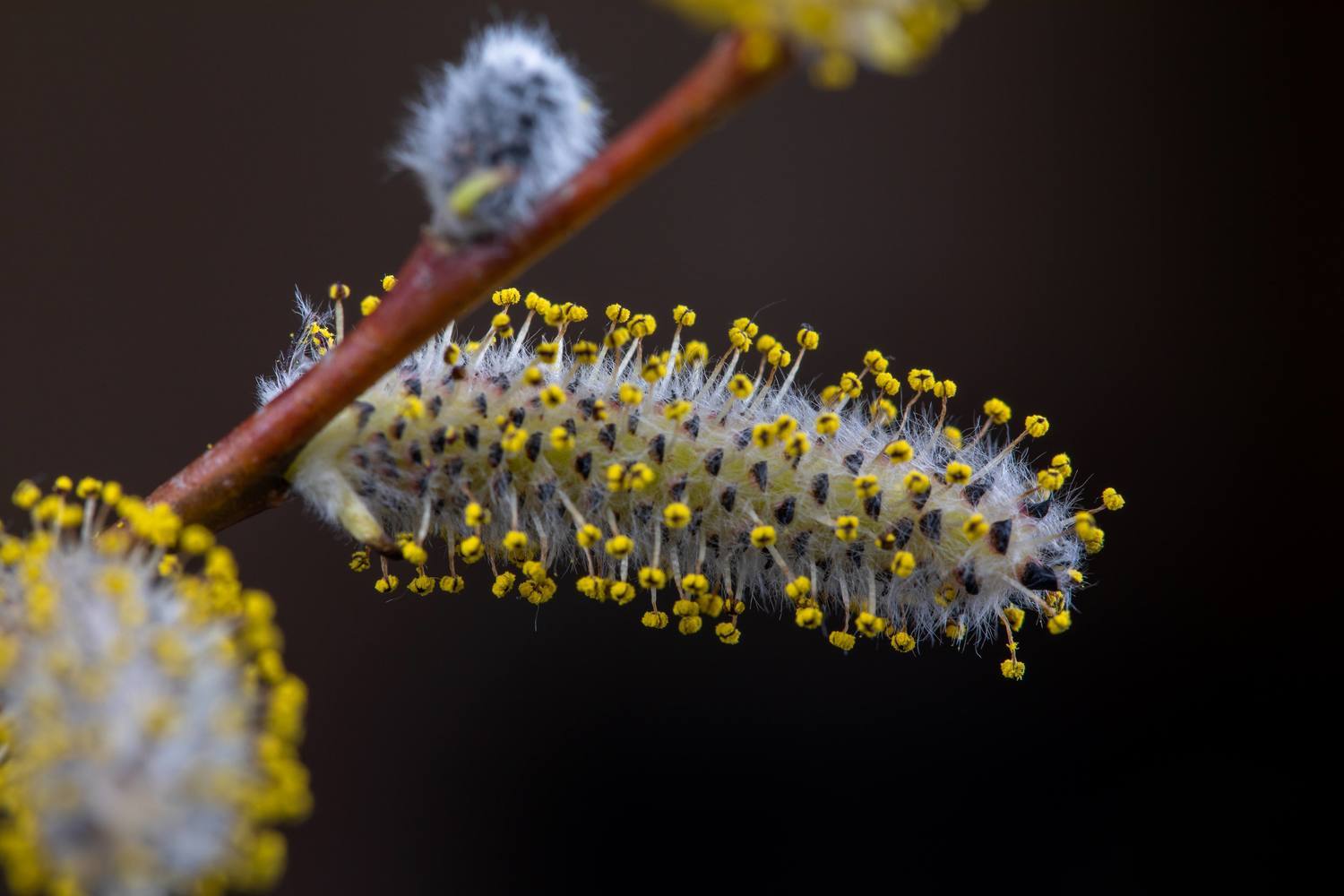
17.09.2024 | iDiv Members, Media Release, TOP NEWS
Pollen affects cloud formation and precipitation patterns
New study shows climate impact
More
16.09.2024 | Media Release, MLU News, TOP NEWS
Plants, Ecosystems and Climate Change: International Conference of the German Society for Plant Sciences in Halle
Botanik-Tagung takes place from 15 to 19 September at Martin Luther University Halle-Wittenberg
More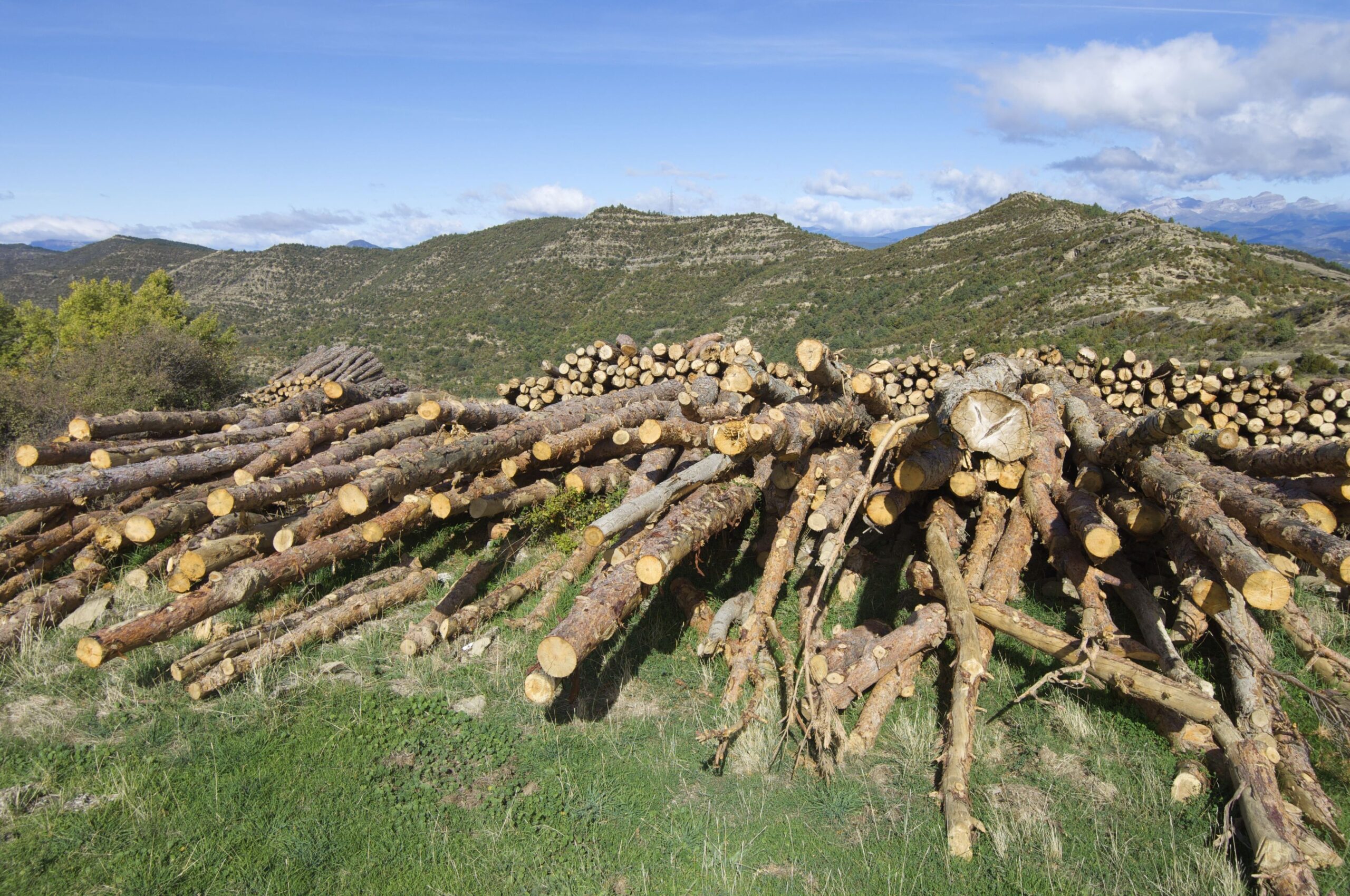
10.09.2024 | iDiv Members, Media Release, TOP NEWS
Cloud cover reduced by large-scale deforestation
Serious impact on climate, say researchers
More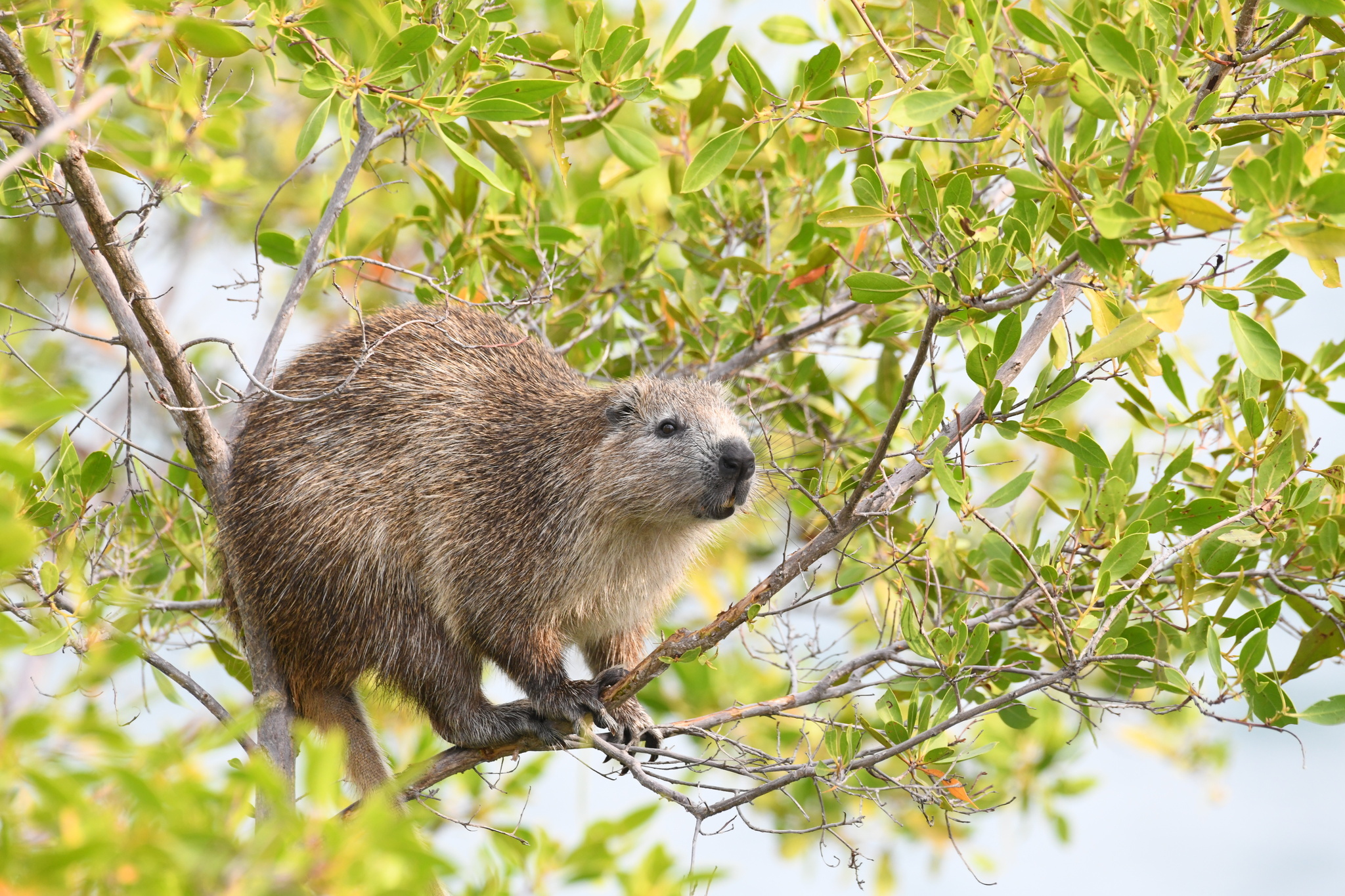
09.09.2024 | Biodiversity Synthesis, Media Release, MLU News, TOP NEWS
Island life slows animals down
Birds and mammels on islands have a slower metabolism than their closest relatives on the mainland
More
06.09.2024 | Biodiversity Economics, Media Release, TOP NEWS
Research Training Group ECO-N has started
Early career researchers study sustainable development
More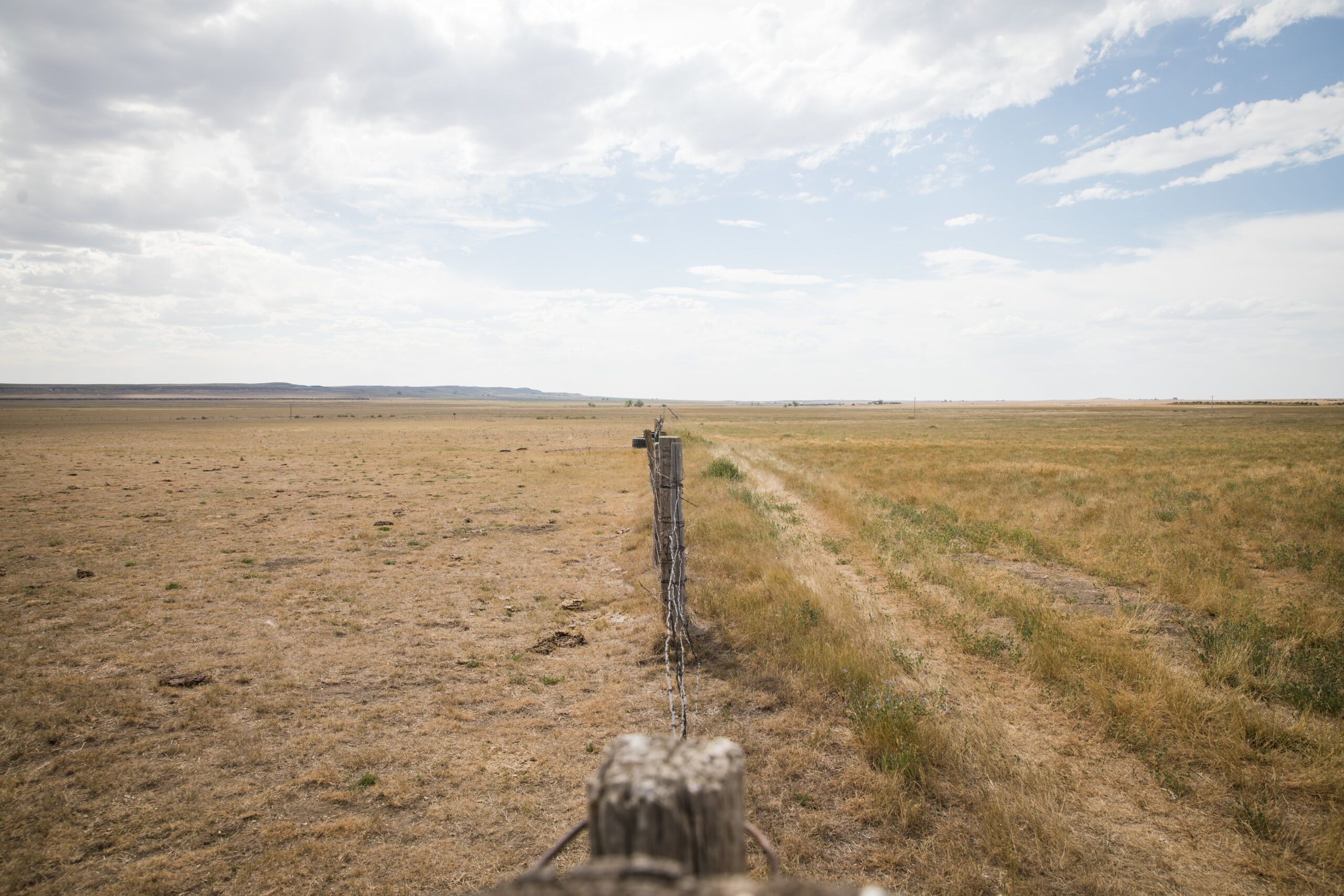
27.08.2024 | Experimental Interaction Ecology, Media Release, Research, TOP NEWS
Environmental stressors weaken ecosystem resistance to change
The higher the environmental stress, the lower the resistance to global change.
More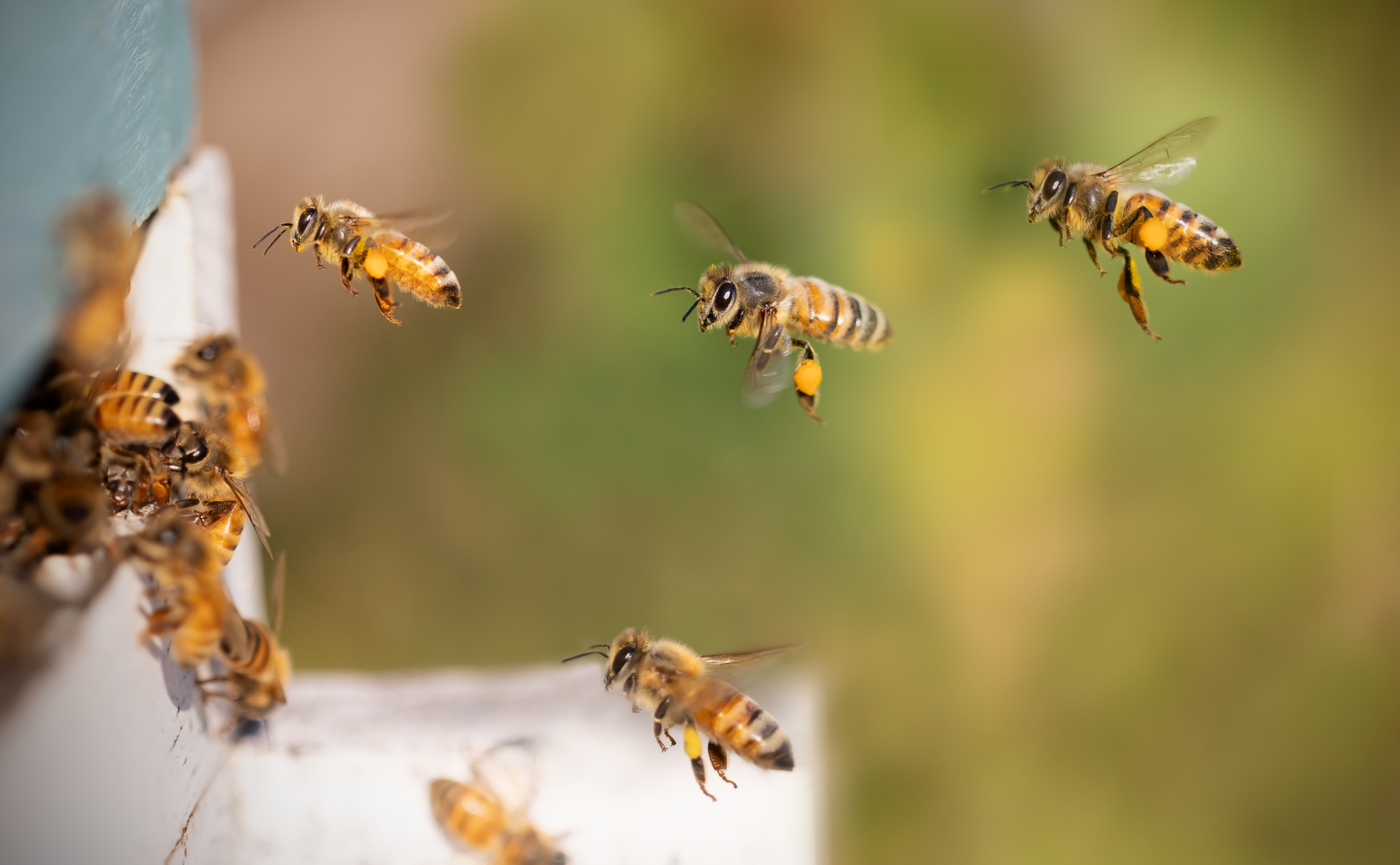
21.08.2024 | iDiv Members, Media Release, Research, TOP NEWS
Healthier honey bees found near organic fields and flower strips
A new study reveals how farming practices affect colony health.
More
07.08.2024 | iDiv, Media Release, TOP NEWS
Unlocking the Wealth of Biodiversity Knowledge
Researchers developed a comprehensive framework to promote diversity, equity, and inclusion in global biodiversity research
More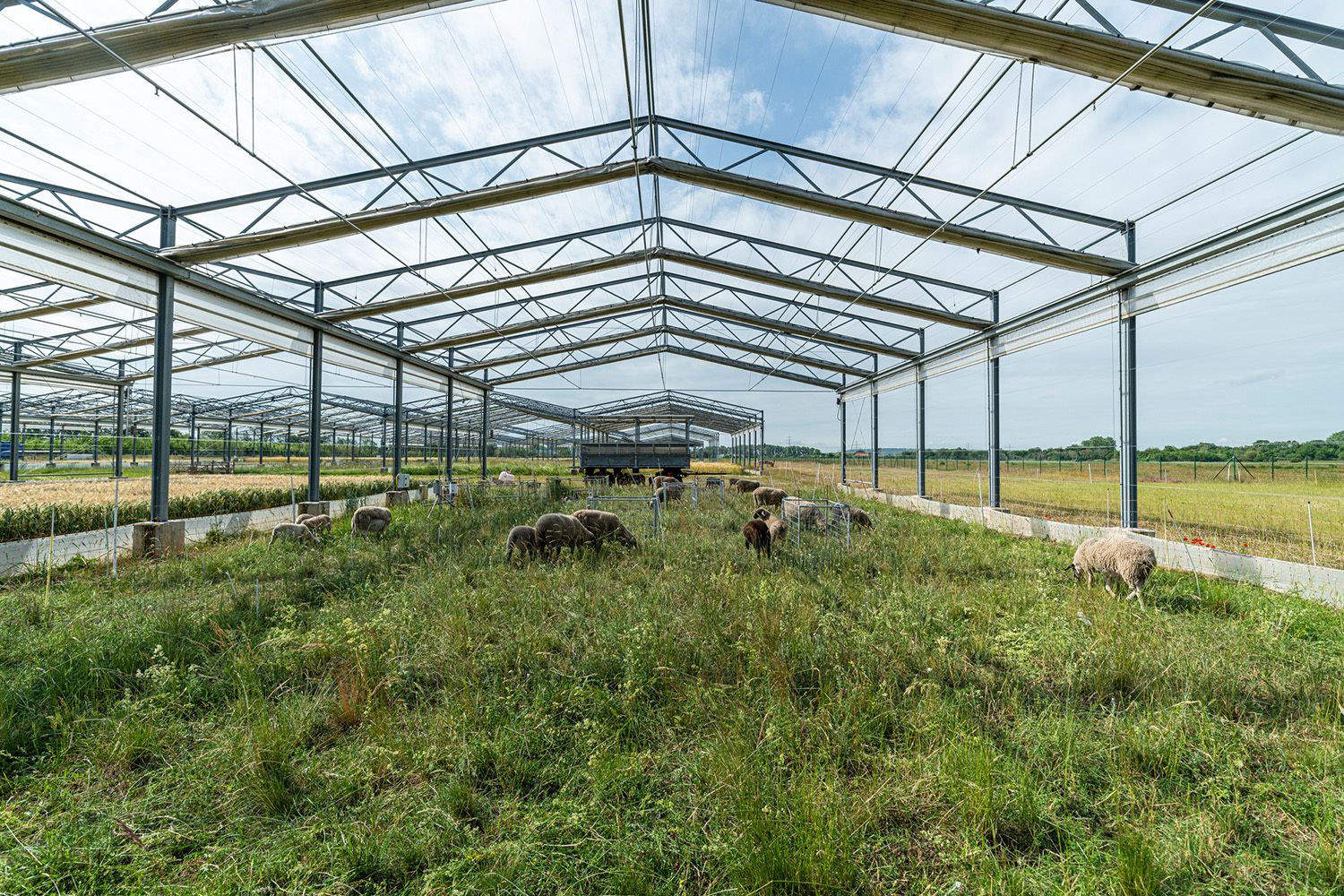
22.07.2024 | Media Release, TOP NEWS, UFZ-News
Less productive yet more stable
Low-intensity grassland is better able to withstand the consequences of climate change
More
19.07.2024 | Biodiversity and People, Research, TOP NEWS
Considering the mental health implications of nature conservation
Based on a joint text by Imperial College London and the University of Oxford
More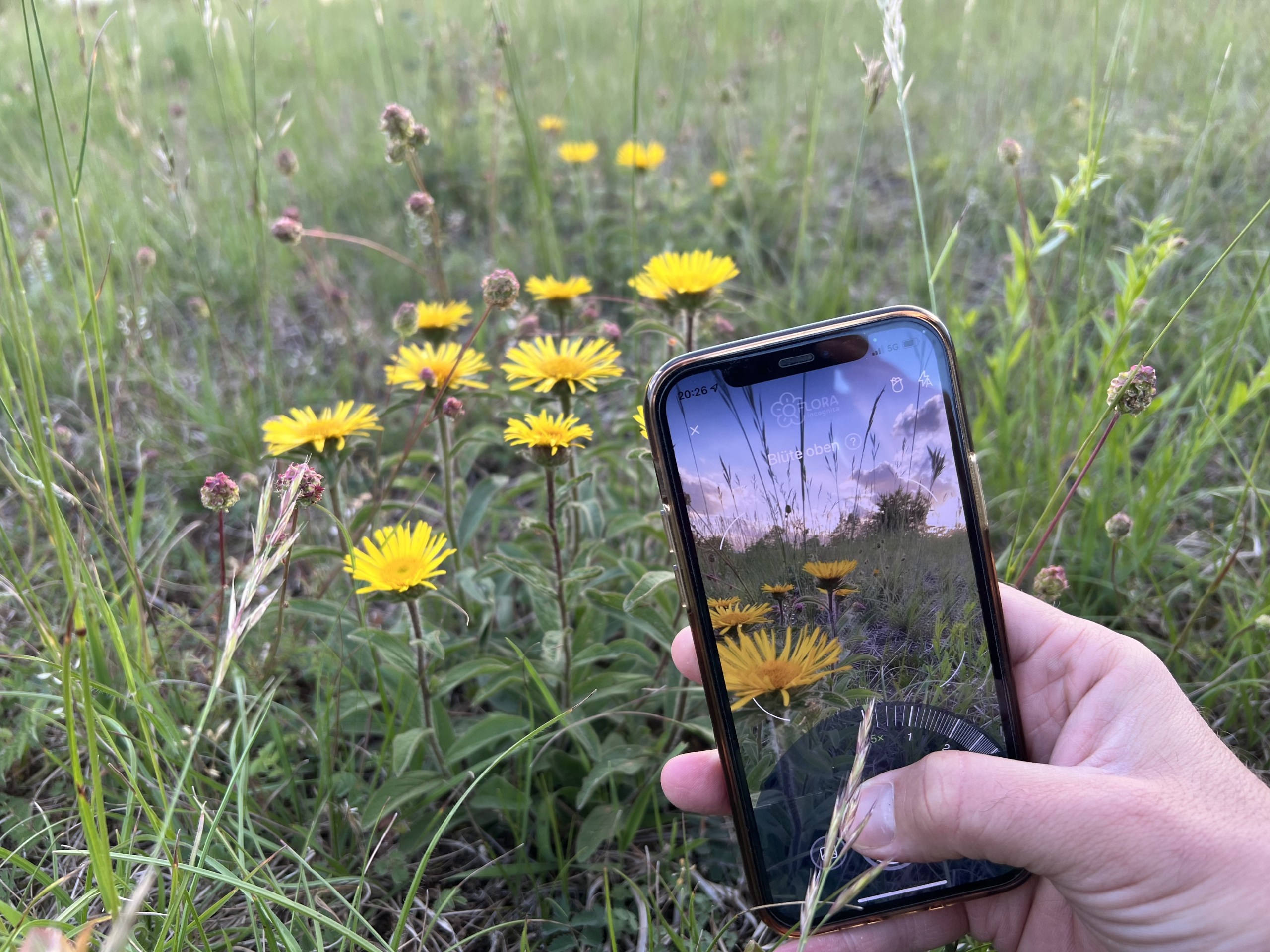
09.07.2024 | iDiv Members, Media Release, Research, TOP NEWS
How a plant app helps identify the consequences of climate change
Leipzig. A research team led by the German Centre for Integrative Biodiversity Research (iDiv) and Leipzig University has developed an algorithm that analyses observational data from the Flora Incognita app. The novel approach described in Methods in Ecology and Evolution can be used to derive ecological patterns that could provide valuable information about the effects of climate change on plants.
More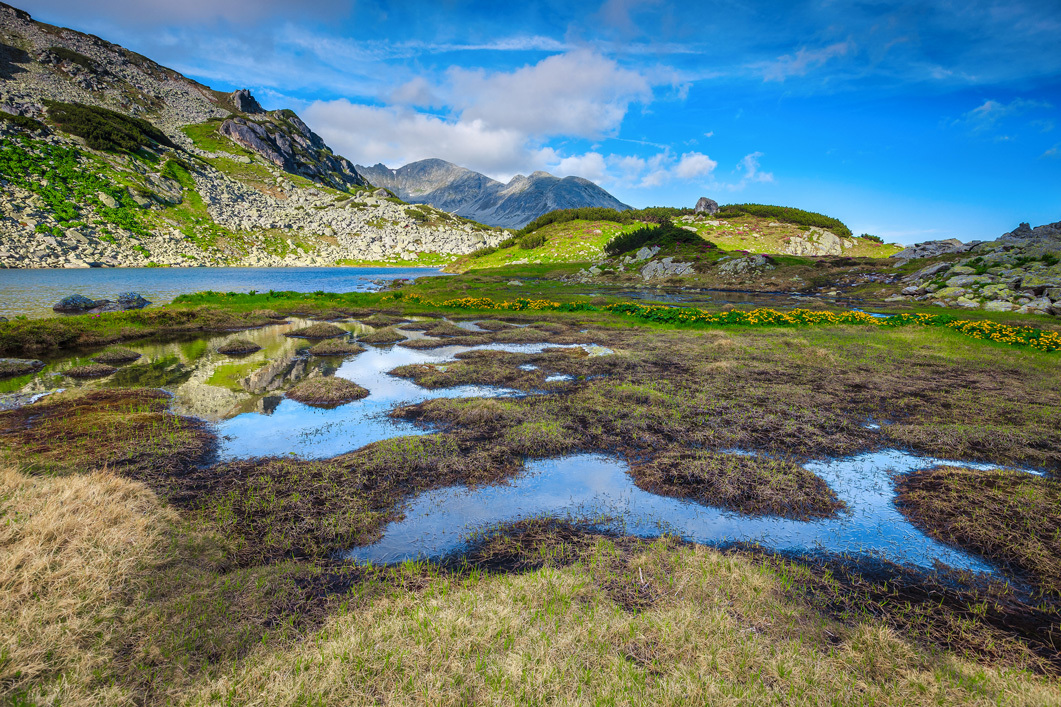
02.07.2024 | Biodiversity and People, Biodiversity Conservation, iDiv, Media Release, Science-Policy, TOP NEWS
What do we need for better biodiversity monitoring in Europe?
Based on a media release of IIASA A new publication in Conservation Letters authored by scientists from the German Centre for Integrative Biodiversity Research (iDiv) and the International Institute for Applied Systems Analysis (IIASA) with a large European consortium provides vital insights into the current status of biodiversity monitoring in Europe, identifying policy needs, challenges, and future pathways.
More
28.06.2024 | Biodiversity Synthesis, Research, TOP NEWS
New study helps unravel the paradox of habitat fragmentation on biodiversity
Based on a media release by Professor Dr Jinbao Liao, Yunnan University Habitat fragmentation, a process where a large, continuous habitat is divided into smaller, isolated areas, can both help and harm biodiversity, depending on the total amount of habitat remaining in the landscape, according to a new study published in Nature Ecology & Evolution.
More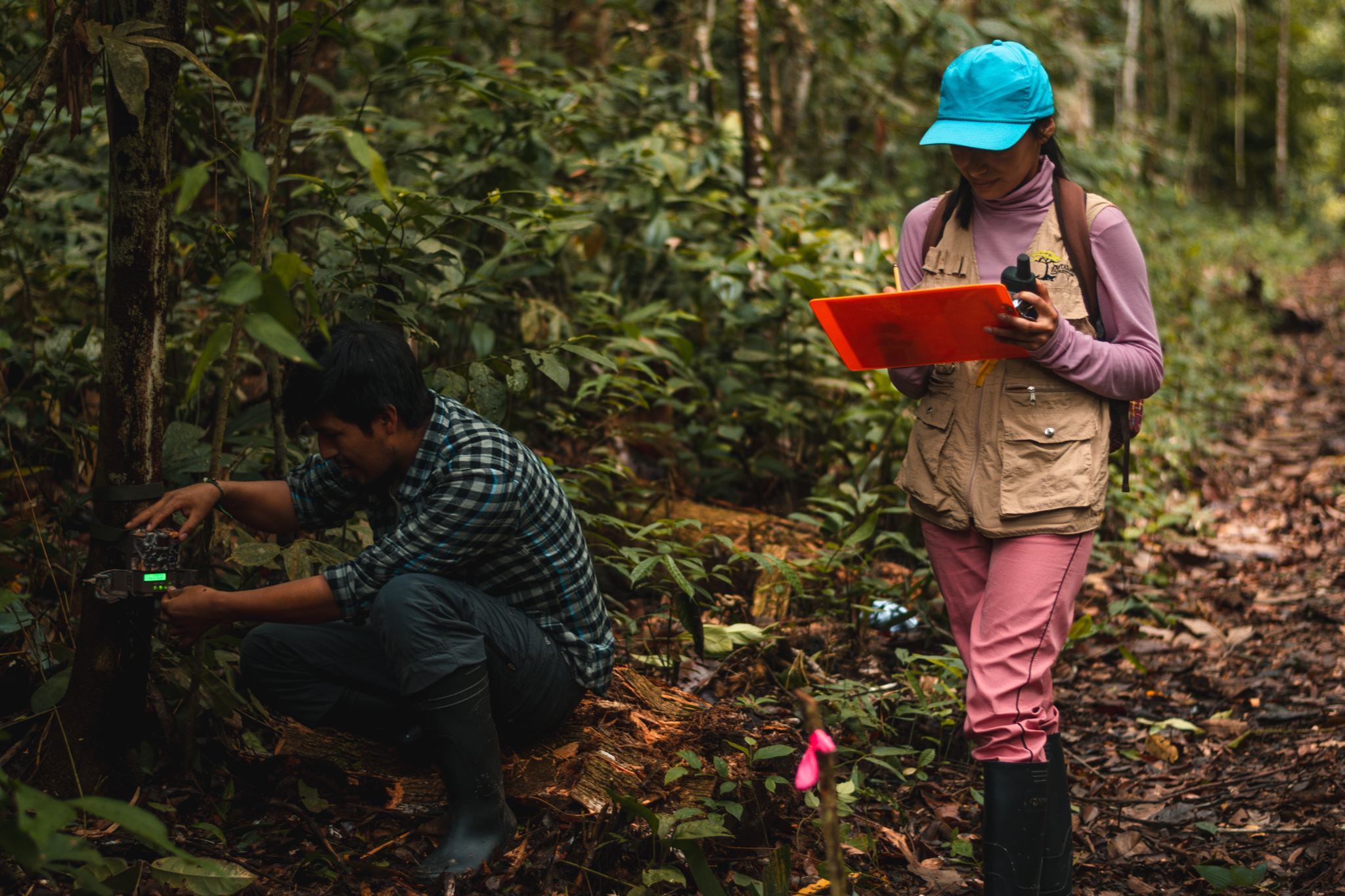
26.06.2024 | Biodiversity Conservation, Media Release, TOP NEWS
Closing the Biodiversity Knowledge Gap: Unlocking Biodiversity Insights from the Tropical Andes
Report by Jose Valdez, postdoctoral researcher of Biodiversity Conservation at iDiv and Martin Luther University Halle-Wittenberg (MLU) Despite hosting some of the world’s most biodiverse ecosystems and the urgency of the region’s conservation challenges, researchers in Bolivia, Ecuador, and Peru often struggle to share their unique insights into these complex ecosystems with the global scientific community. This results in a “publication gap” where crucial biodiversity knowledge from the region remains underrepresented in global conversations.
More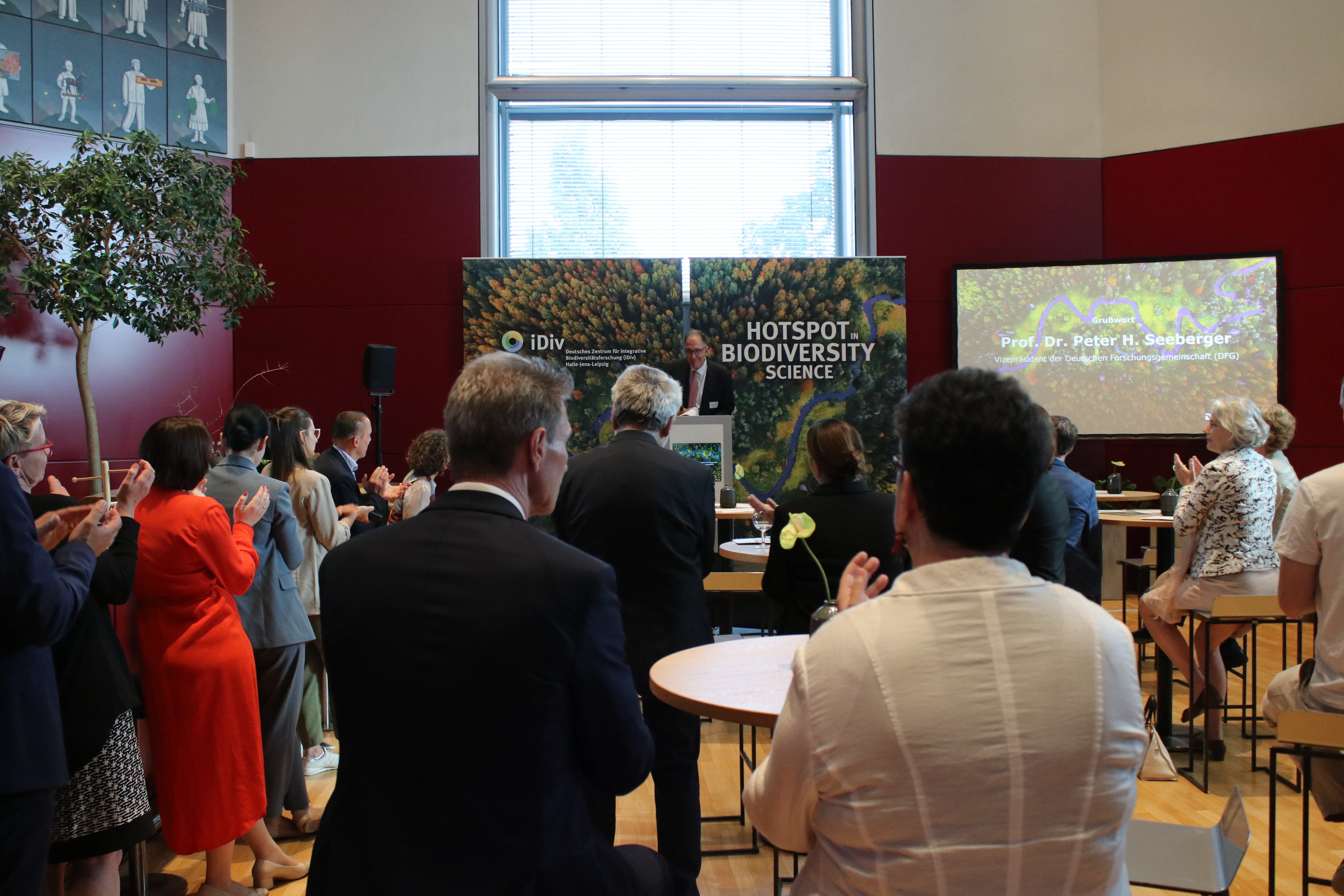
25.06.2024 | iDiv, Media Release, Science-Policy, TOP NEWS
Germany’s leading role in biodiversity research and policy
More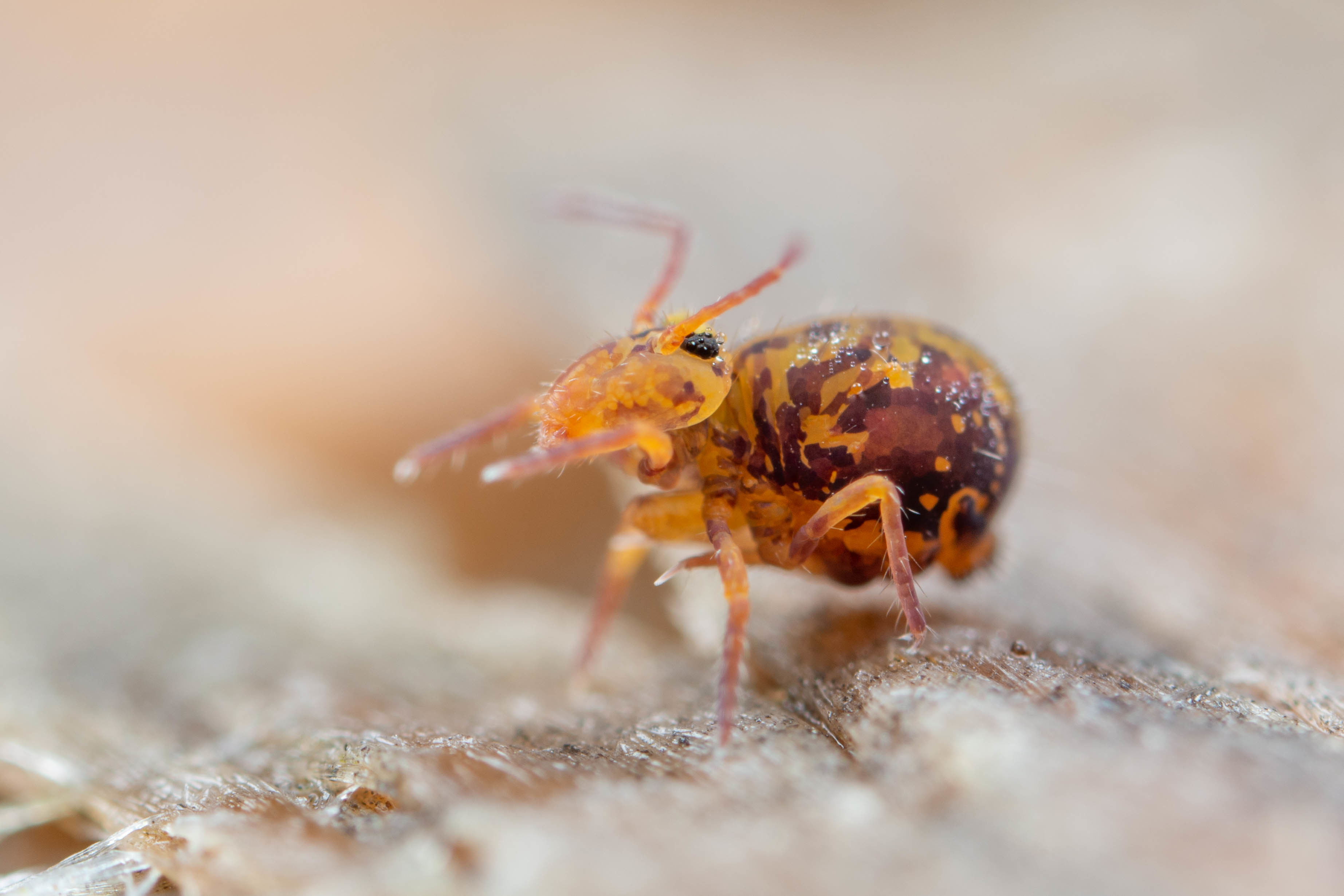
17.06.2024 | Experimental Interaction Ecology, Media Release, TOP NEWS
Soil fauna has the potential to fundamentally alter carbon storage in soil
Based on a media release of the Czech Academy of Sciences The life strategies of a multitude of soil faunal taxa can strongly affect the formation of labile and stabilized organic matter in soil, with potential consequences for how soils are managed as carbon sinks, nutrient stores, or providers of food. This is the main conclusion of a review led by a team of researchers from the Czech Academy of Sciences, the German Centre for Integrative Biodiversity Research (iDiv), Leipzig University (UL), and the Senckenberg Society for Nature Research. Based on a review of more than 180 scientific articles, the authors highlight major pathways by which soil fauna can influence soil organic matter stability, identify knowledge gaps, and suggest future research directions. The study has recently been published in Nature Communications.
More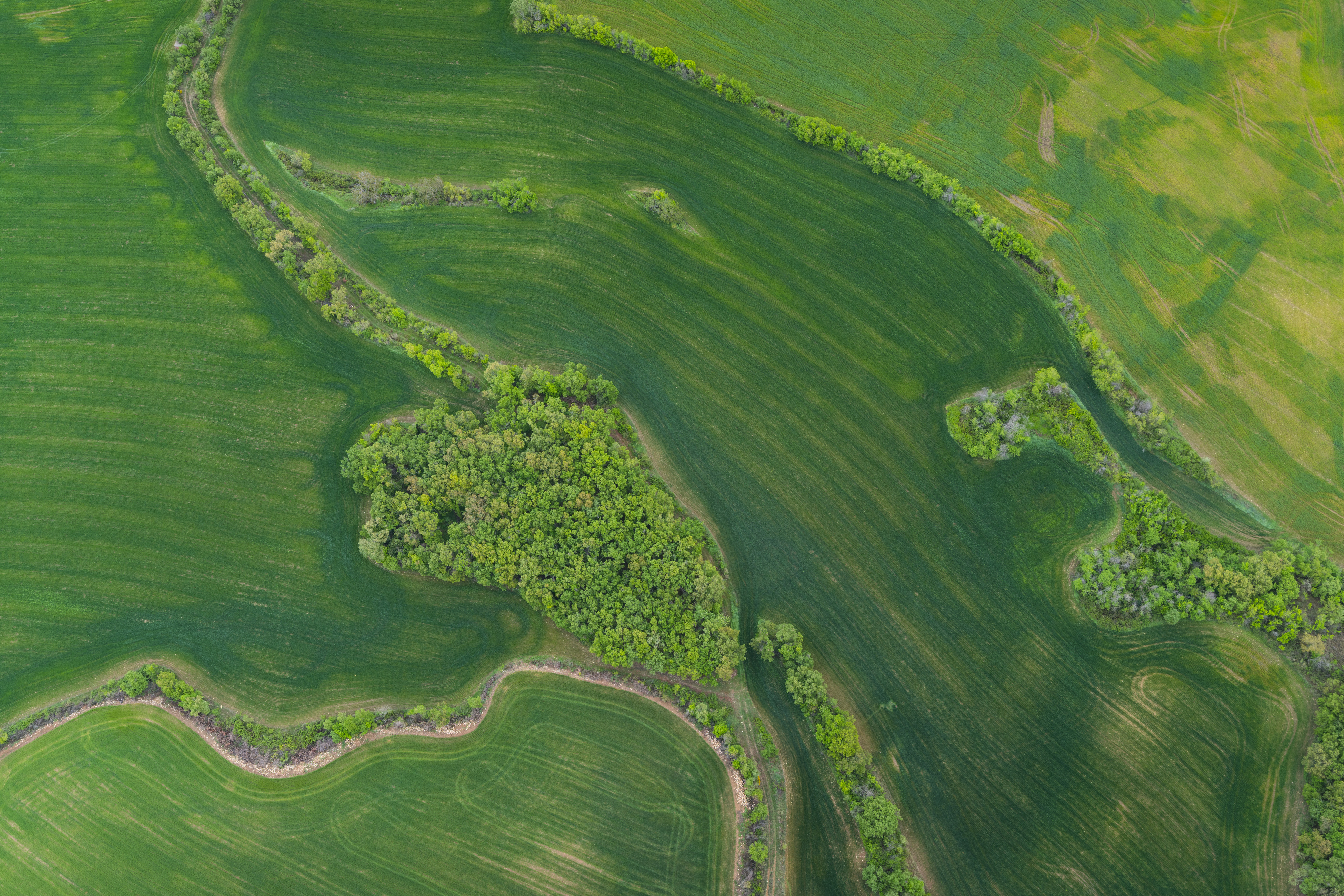
13.06.2024 | Biodiversity Economics, Experimental Interaction Ecology, Media Release, Physiological Diversity, TOP NEWS
Land management and climate change affect ecosystems’ ability to provide multiple services simultaneously
A novel study published in Nature Communications found that agroecosystems in Central Germany, specifically grasslands and croplands, may have an enhanced capacity to provide multiple goods and services simultaneously when land management reduces the use of pesticides and mineral nitrogen fertiliser.
More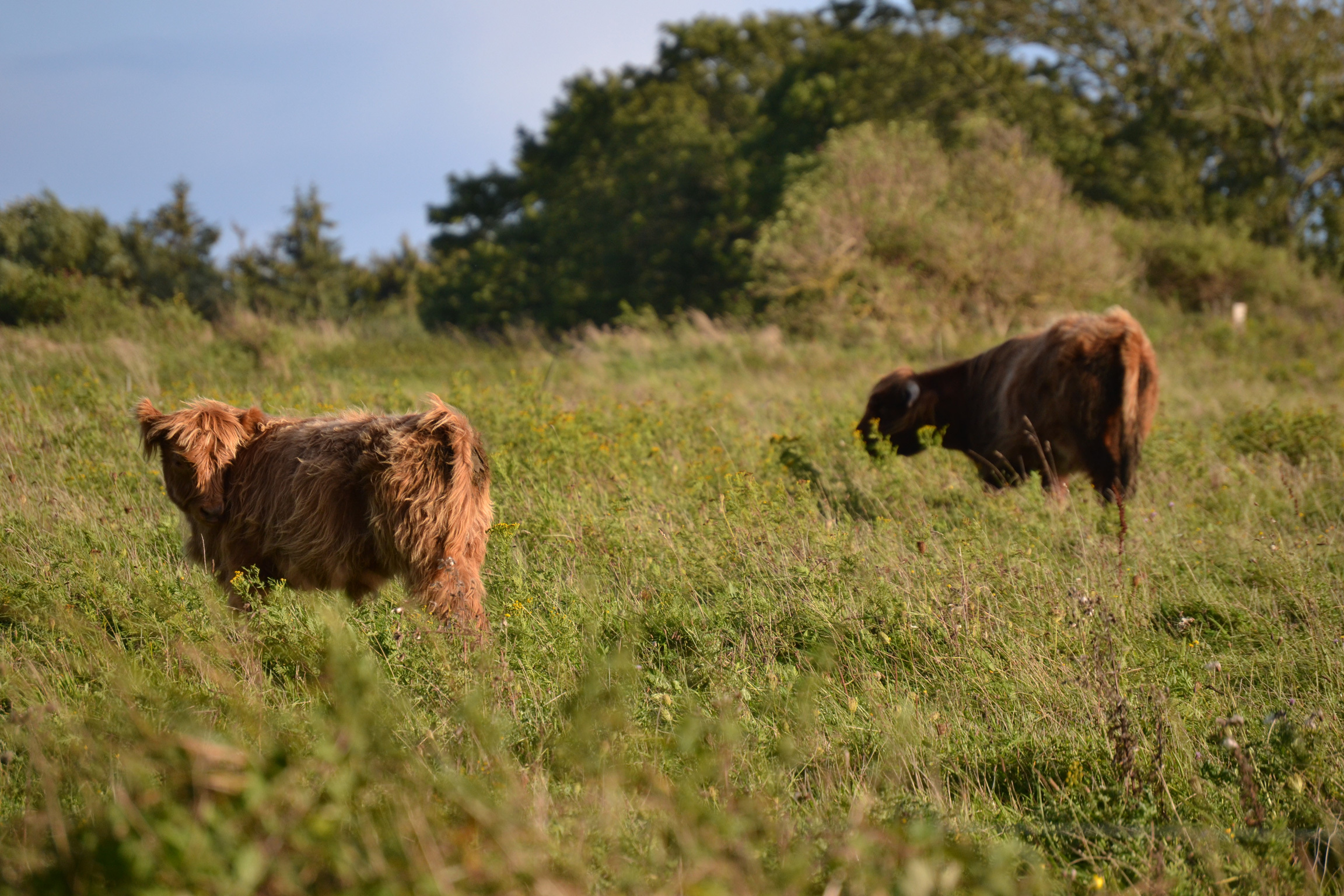
30.04.2024 | iDiv, Media Release, TOP NEWS
Low-intensity grazing is locally better for biodiversity but challenging for land users, a new study shows
A team of researchers led by the German Centre for Integrative Biodiversity Research (iDiv), Leipzig University (UL), and the Helmholtz Centre for Environmental Research (UFZ) has investigated the motivation and potential incentives for and challenges of low-intensity grazing among farmers and land users in Europe. The interview results have been published in Land Use Policy.
More
26.04.2024 | Biodiversity Conservation, iDiv Members, Media Release, TOP NEWS
Climate change could become the main driver of biodiversity decline by mid-century
More
23.04.2024 | iDiv Members, Media Release, Research, TOP NEWS
Study shows how plants regulate the climate in Europe
Based on a media release of Martin Luther University Halle-Wittenberg The climate regulates plant growth, but the climate is also regulated by plants. Depending on the vegetation composition, ecosystems even have a strong influence on the climate in Europe, a study by Martin Luther University Halle-Wittenberg (MLU) and the German Centre for Integrative Biodiversity Research (iDiv) in the journal Global Change Biology shows. The researchers linked satellite data with around 50,000 vegetation records from across Europe. A good five per cent of regional climate regulation can be explained by local plant diversity. The analysis also shows that the effects depend on many other factors. Plants regulate the climate by reflecting sunlight or cooling their surroundings through evaporation.
More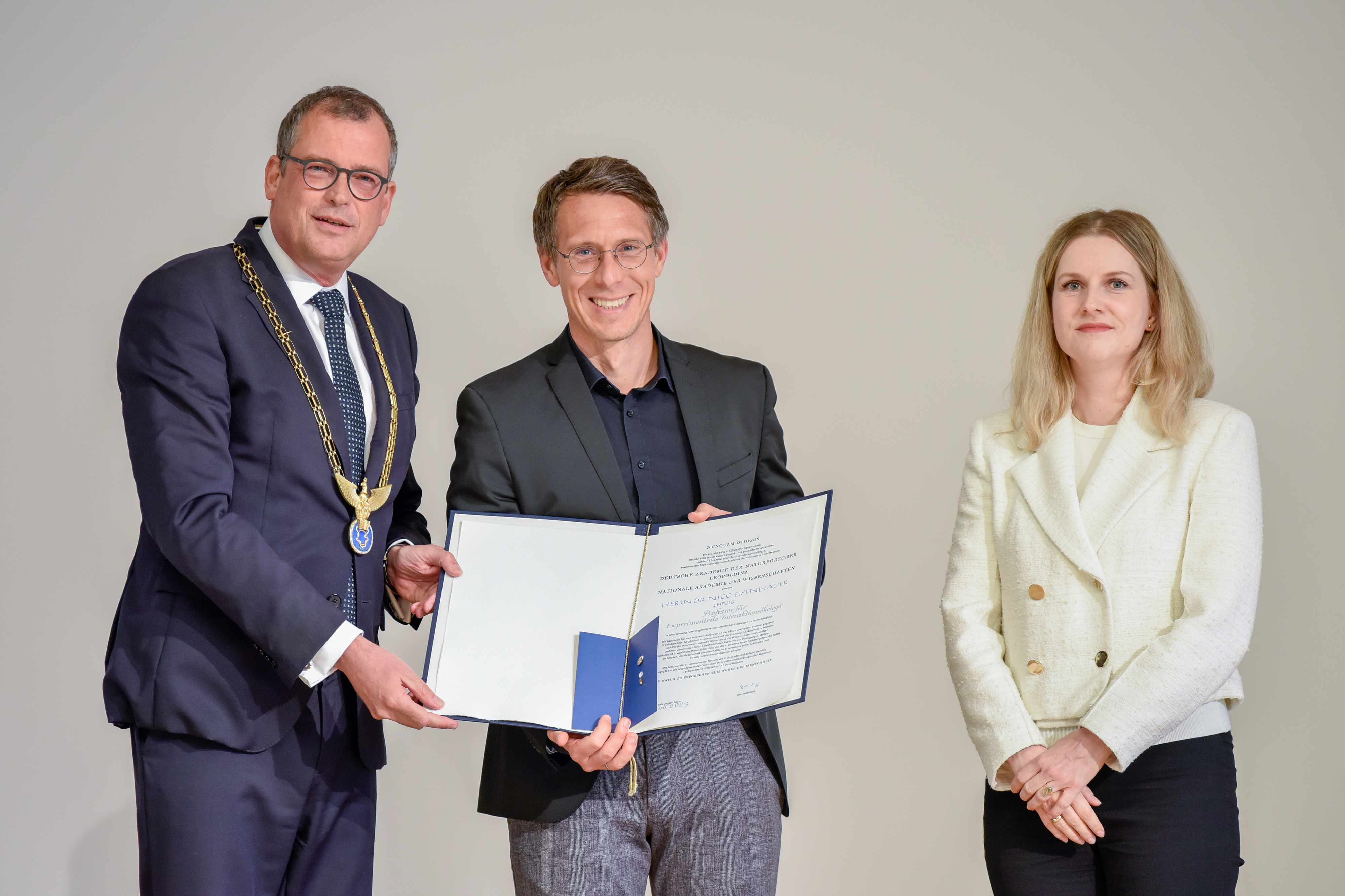
18.04.2024 | Experimental Interaction Ecology, iDiv, Media Release, TOP NEWS
iDiv’s Nico Eisenhauer becomes member of the Leopoldina Academy
More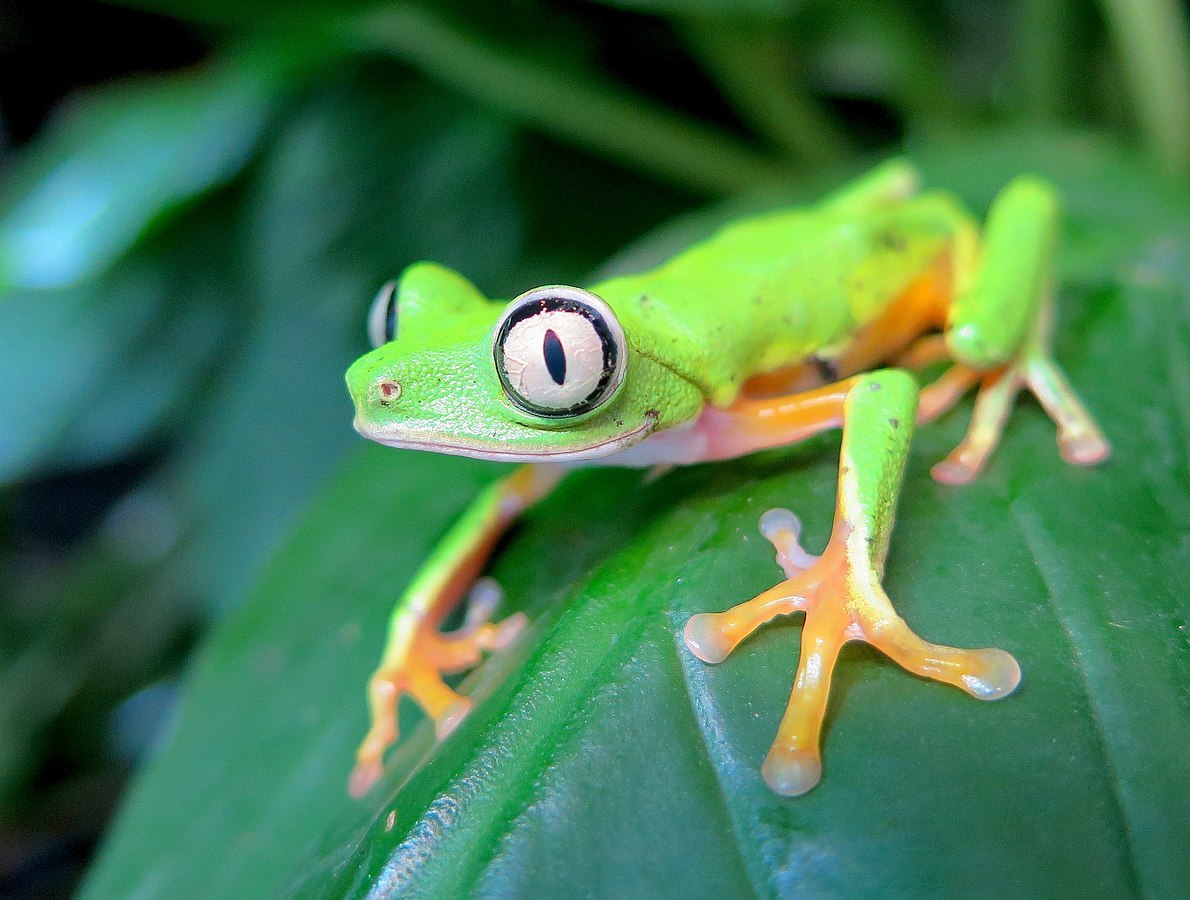
17.04.2024 | Biodiversity Conservation, Media Release, TOP NEWS
Rewilding amphibians: Protecting endangered species to restore ecosystems
By Dr Gavin S. Stark, a postdoctoral researcher in the Biodiversity Conservation group at iDiv and lead author of the study.
More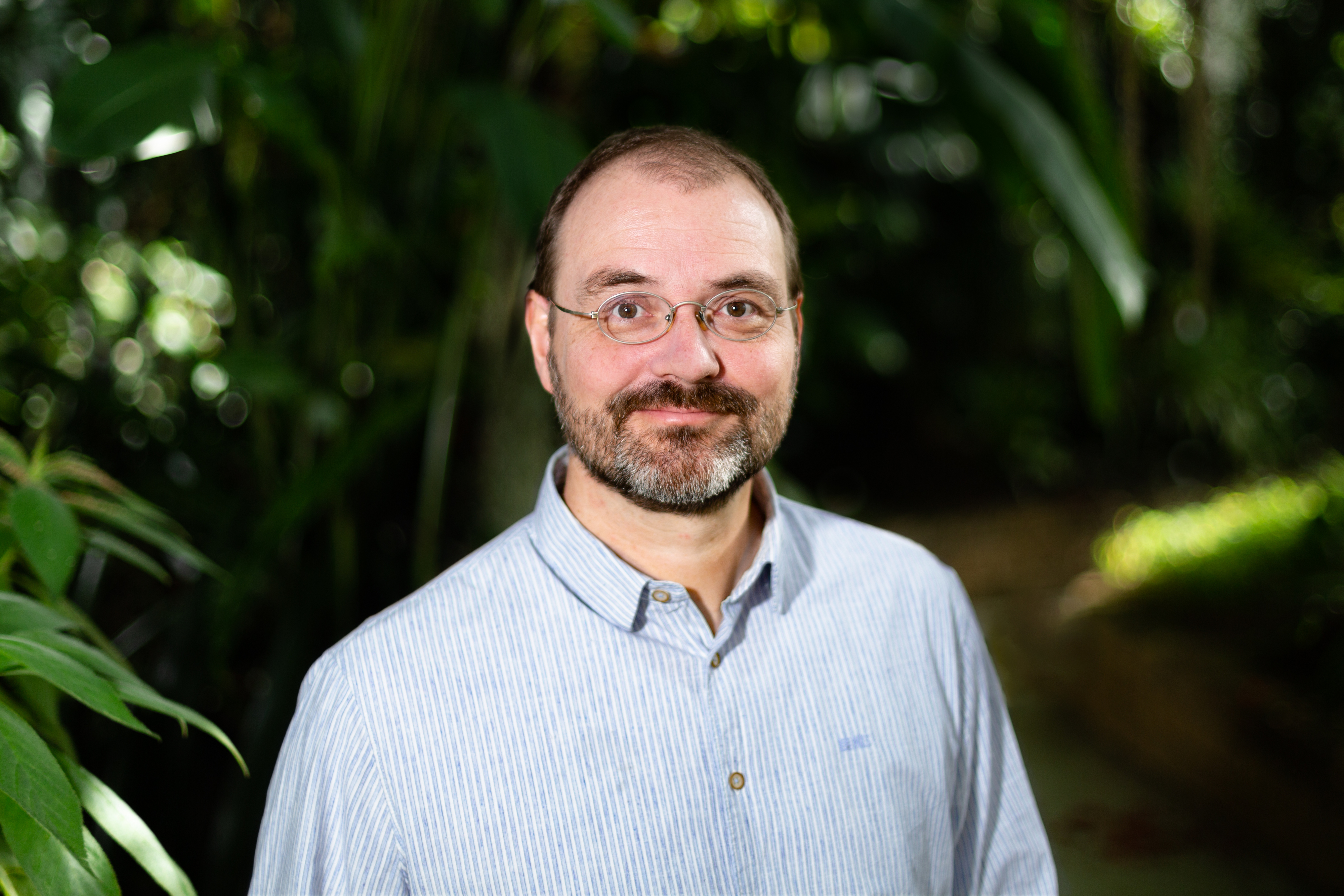
12.04.2024 | iDiv Members, TOP NEWS
iDiv’s founding director Christian Wirth Member of the Saxon Academy
More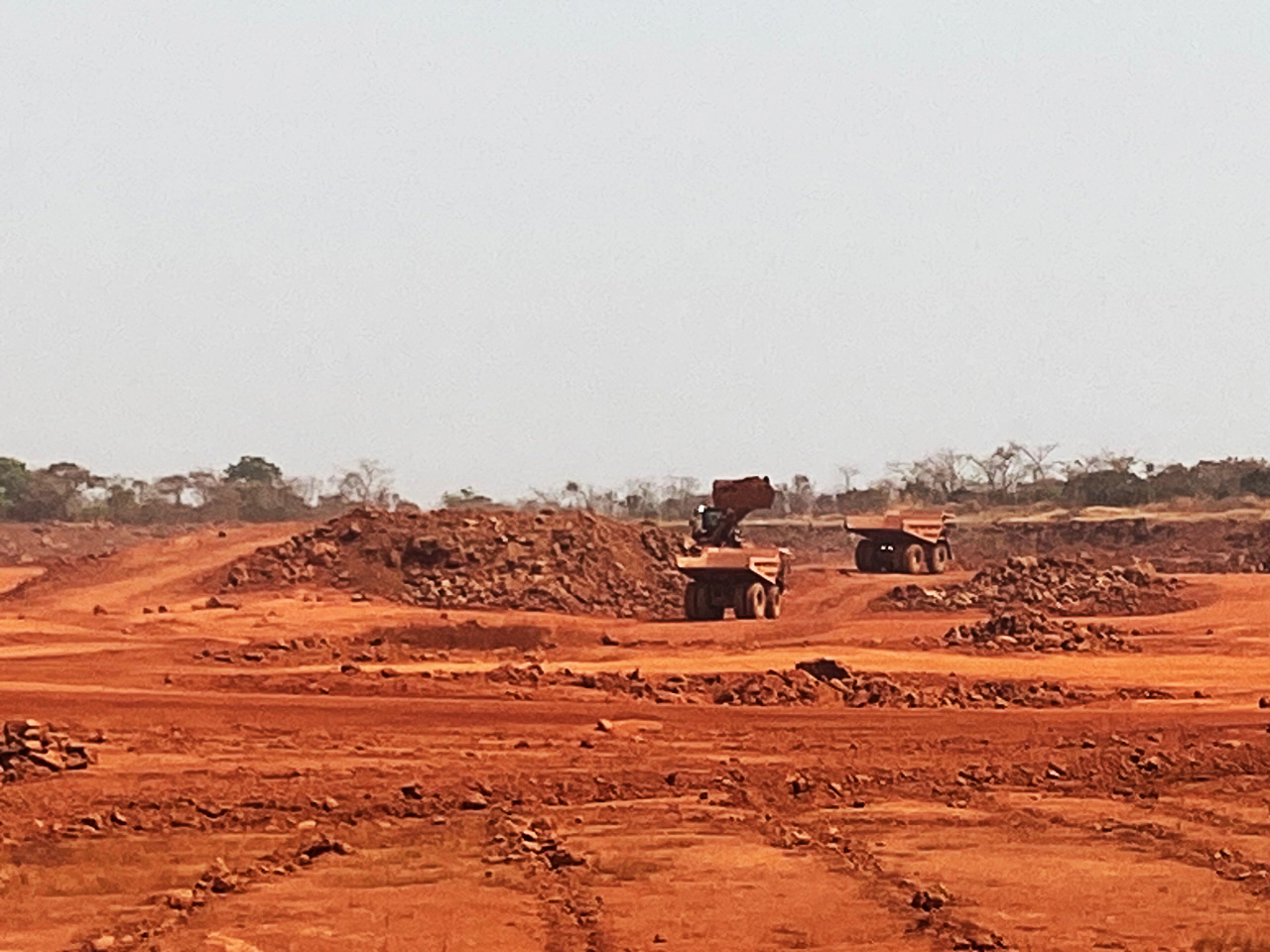
03.04.2024 | Biodiversity Conservation, iDiv, Media Release, Research, TOP NEWS
Demand for critical minerals puts African great apes at risk
A recent study led by researchers from the German Centre for Integrative Biodiversity Research (iDiv), the Martin Luther University Halle-Wittenberg (MLU) and the non-profit conservation organization Re:wild shows that the threat of mining to the great ape population in Africa has been greatly underestimated. Their results have been published in Science Advances.
More
02.04.2024 | Media Release, TOP NEWS
iDiv is mourning the loss of Diana Wall
Diana Wall passed away on the 25th of March 2024. Diana Wall, a leading environmental scientist and soil ecologist, has been a longstanding member of iDiv’s Scientific Advisory Board (SAB) and part of several research endeavours at iDiv.
More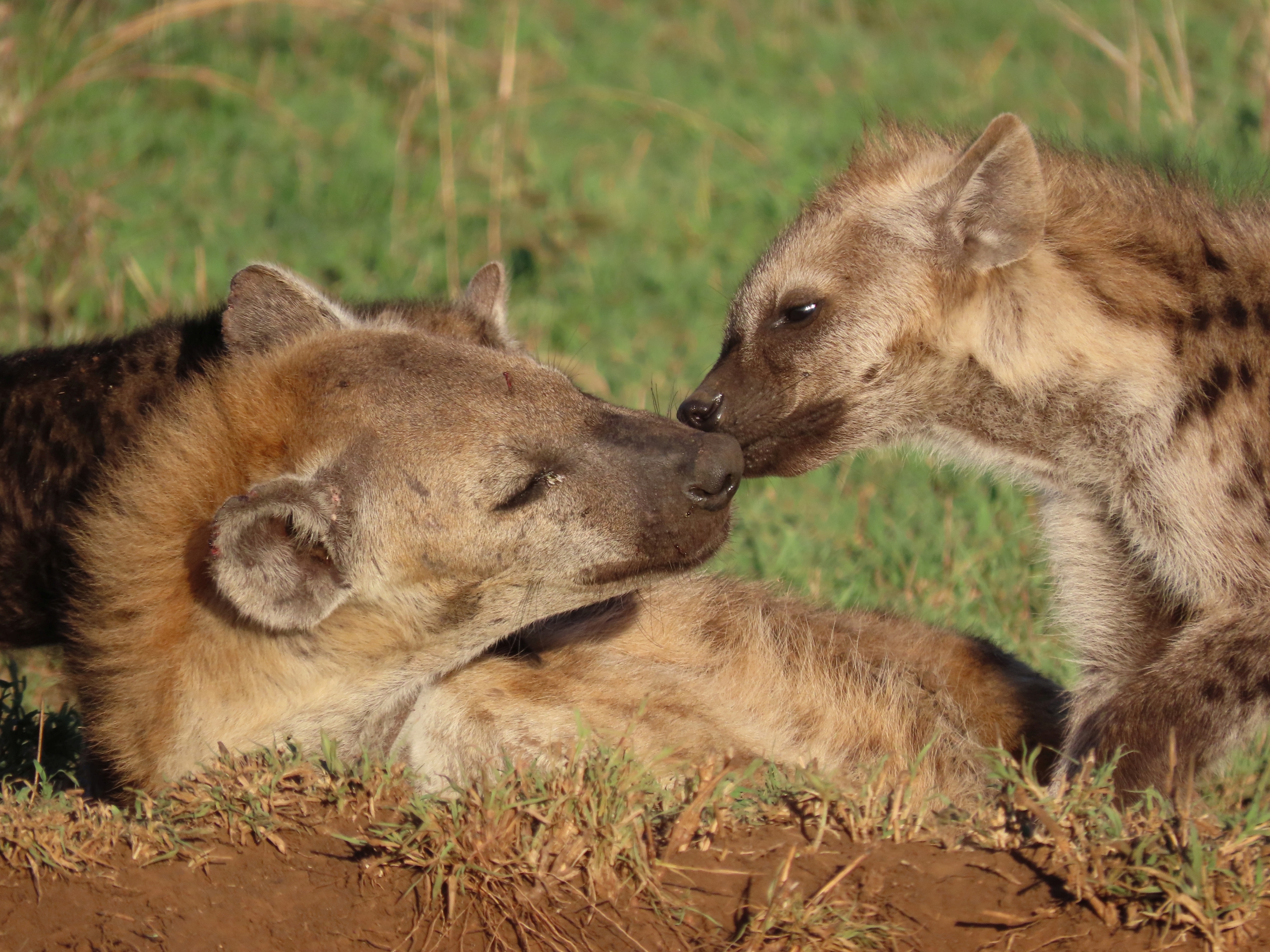
28.03.2024 | Media Release, TOP NEWS
Genetic traces of hierarchy: How social standing shapes the epigenome of Tanzania’s Spotted Hyenas
Based on a media release from the Leibniz Institute for Zoo and Wildlife Research (Leibniz-IZW) A research consortium led by scientists from the German Centre for Integrative Biodiversity Research (iDiv) Halle-Jena-Leipzig and the Leibniz Institute for Zoo and Wildlife Research (Leibniz-IZW) provide evidence that social behaviour and social status are reflected at the molecular level of gene activation (epigenome) in juvenile and adult free-ranging spotted hyenas. The results, published in the scientific journal Communications Biology, contribute to a better understanding of the role of epigenetic mechanisms in the interplay of social, environmental and physiological factors in the life of a highly social mammal.
More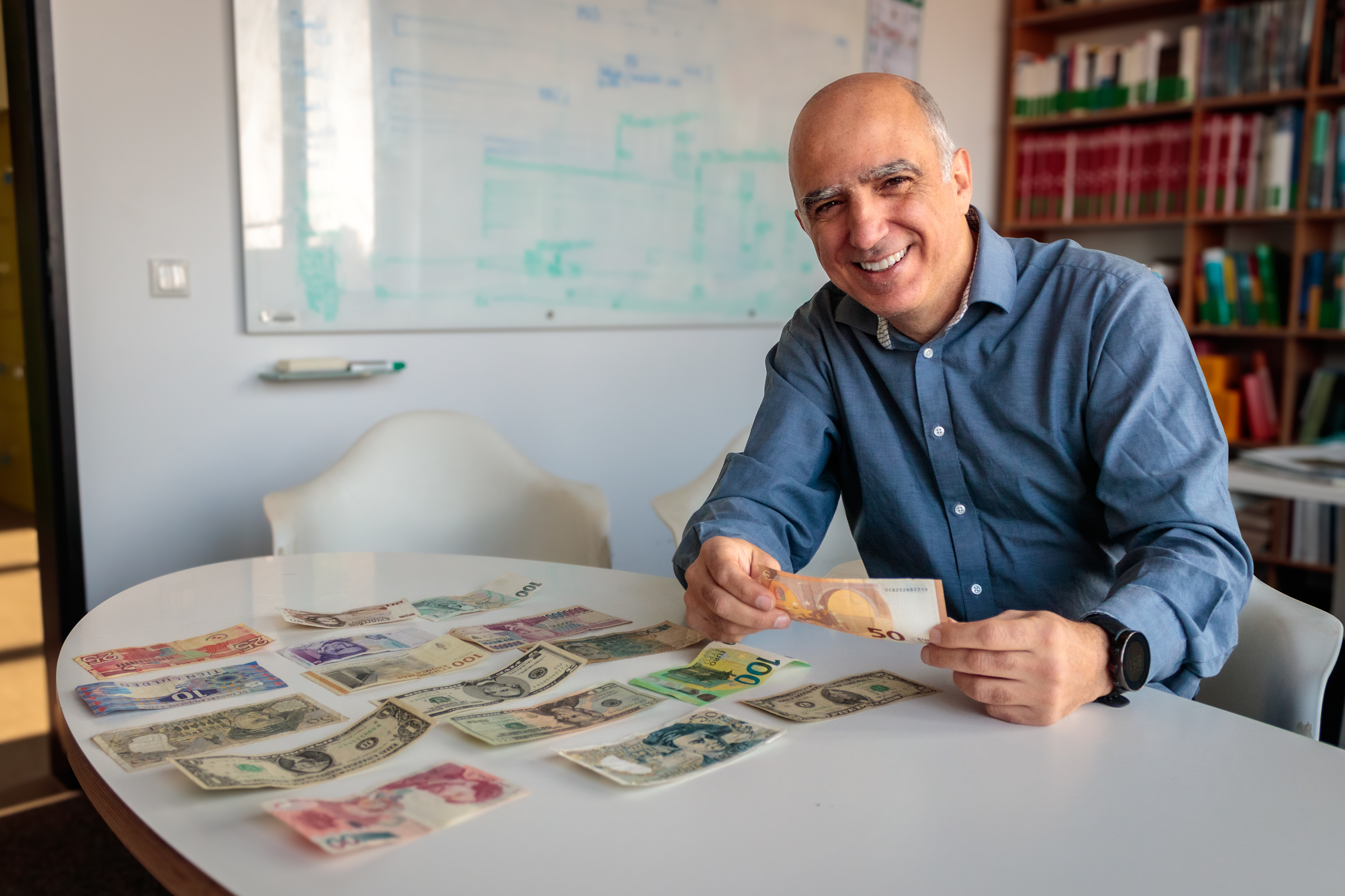
26.03.2024 | Biodiversity Conservation, Media Release, MLU News, TOP NEWS
What do birds and rivers have to do with euro notes?
More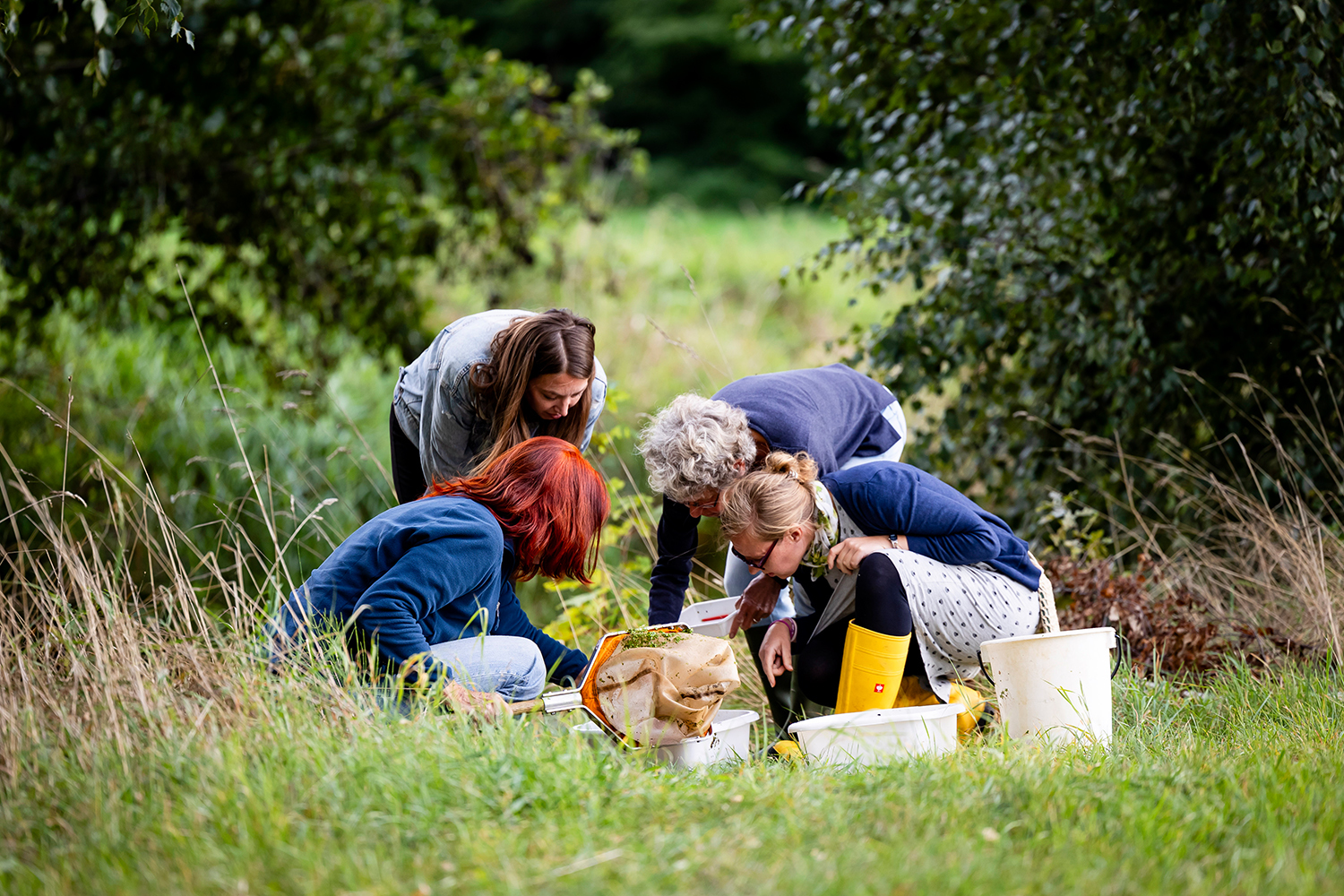
14.03.2024 | Media Release, Research, Science-Policy, TOP NEWS
Citizen Science Project FLOW shows that Germany’s small streams are not in a good ecological state
More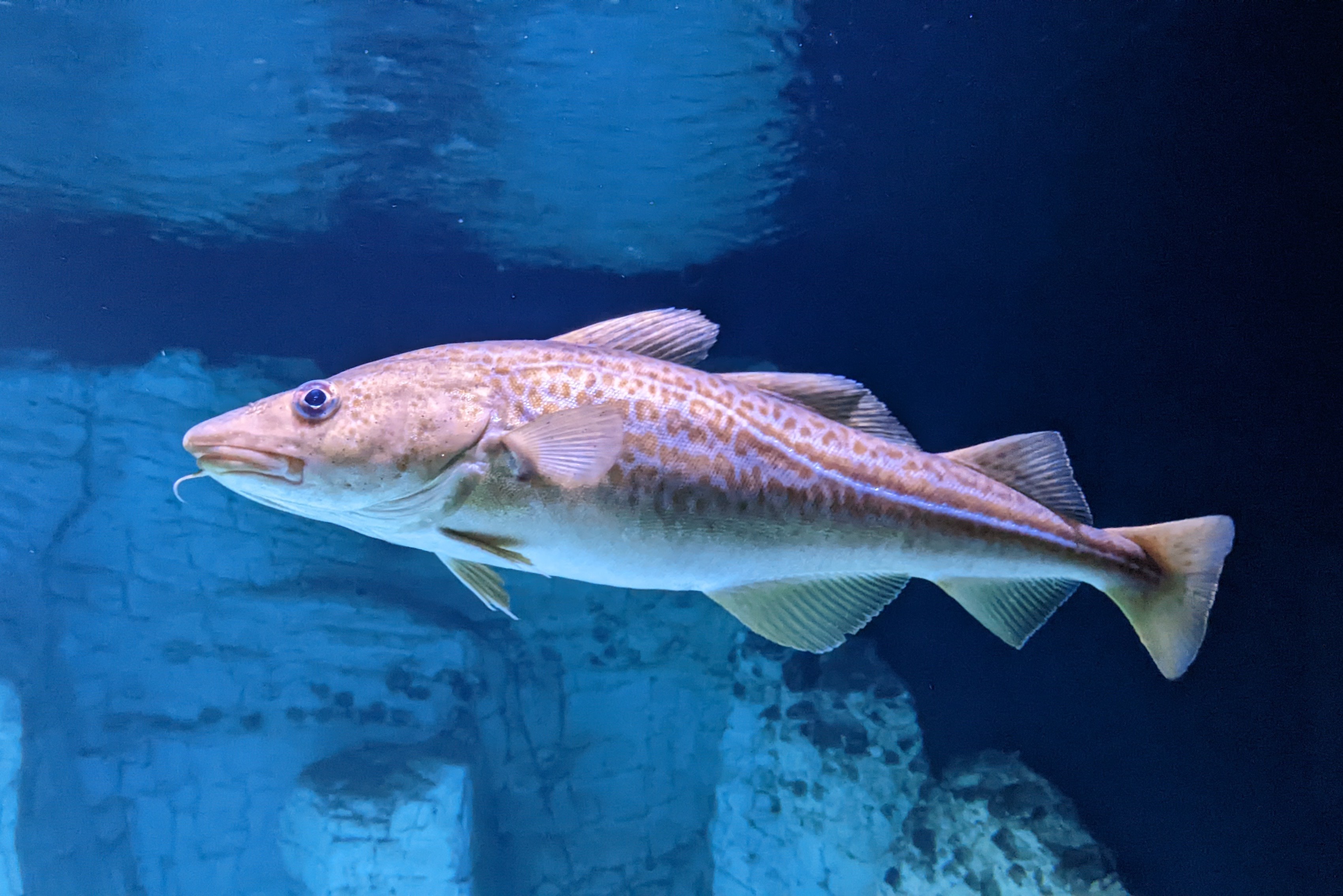
27.02.2024 | Media Release, Theory in Biodiversity Science, TOP NEWS
Extinctions could result as fish change foraging behaviour in response to rising temperatures
More
23.02.2024 | Media Release, sDiv, TOP NEWS
Disentangling Nature’s Contributions to International Trade
Researchers have developed a multi-step process to quantify the dependency of international trade and so-called Nature’s contributions to people. With their new approach, which has been published in People and Nature, the researchers hope to improve knowledge about the complex relationship between nature and international trade.
More
22.02.2024 | Biodiversity Synthesis, Research, TOP NEWS
Increasingly similar or different? Centuries-long analysis suggests biodiversity is differentiating and homogenising to a comparable extent
More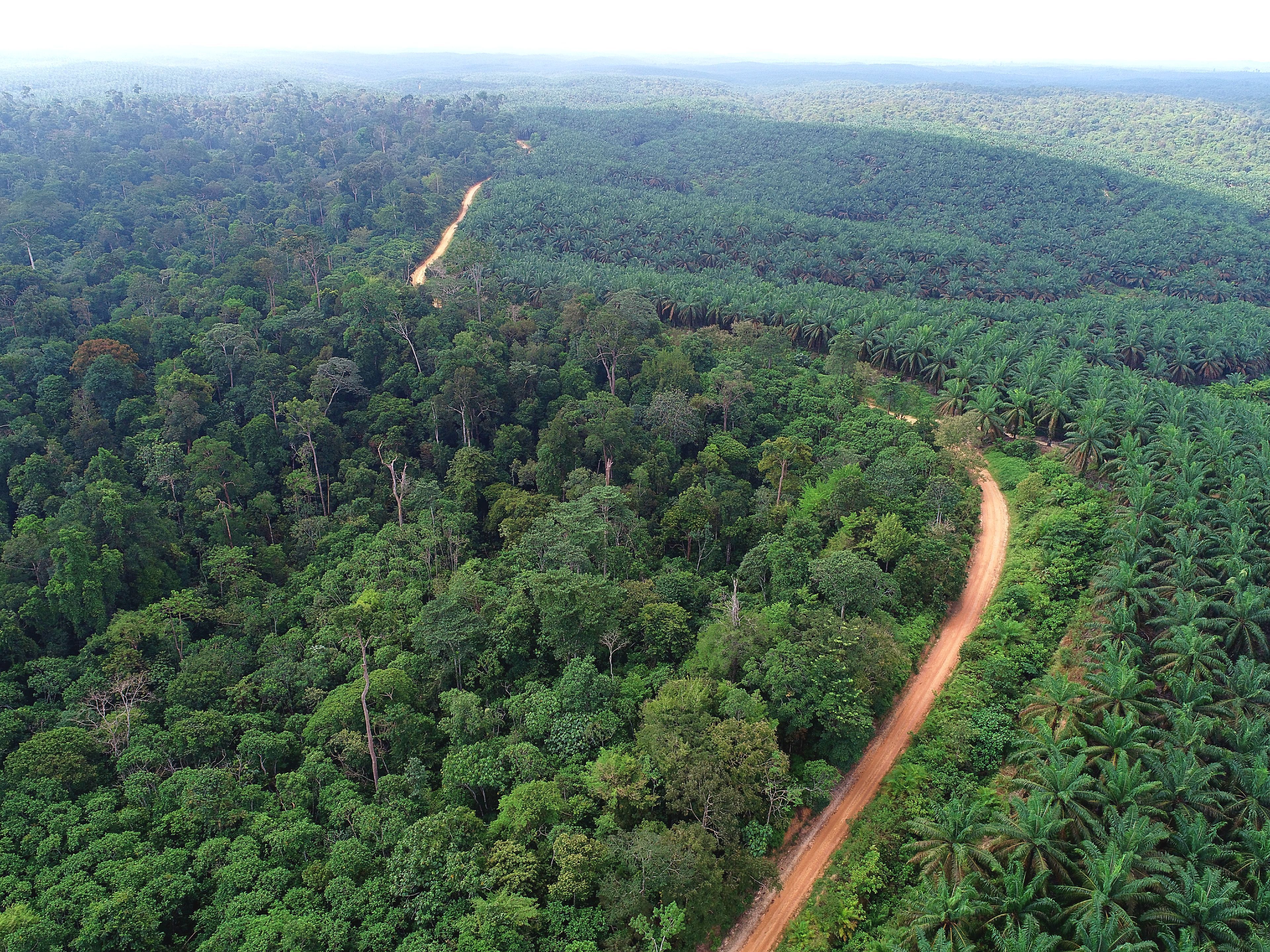
20.02.2024 | iDiv, Media Release, TOP NEWS
Converting rainforest to plantation impacts food webs and biodiversity
Based on a media release of the University of Goettingen The conversion of rainforest into plantations erodes and restructures food webs and fundamentally changes the way these ecosystems function, according to a new study published in Nature. The findings provide the first insights into the processing of energy across soil and canopy animal communities in mega-biodiverse tropical ecosystems.
More
14.02.2024 | iDiv, Media Release, Research, TOP NEWS
Critical Habitats at Risk: Three-quarters of vegetation types in the Americas are under-protected
The study published in Global Ecology and Conservation found that three-quarters of these distinct habitats in North, Central, and South America fall below the Global Biodiversity Convention’s target of 30% protection. The research led by the German Centre for Integrative Biodiversity Research (iDiv) and Martin Luther University Halle-Wittenberg (MLU) also highlights that over 40% of threatened bird and mammal species are mostly found in a single vegetation type, putting them at risk for extinction if these critical habitats remain unprotected.
More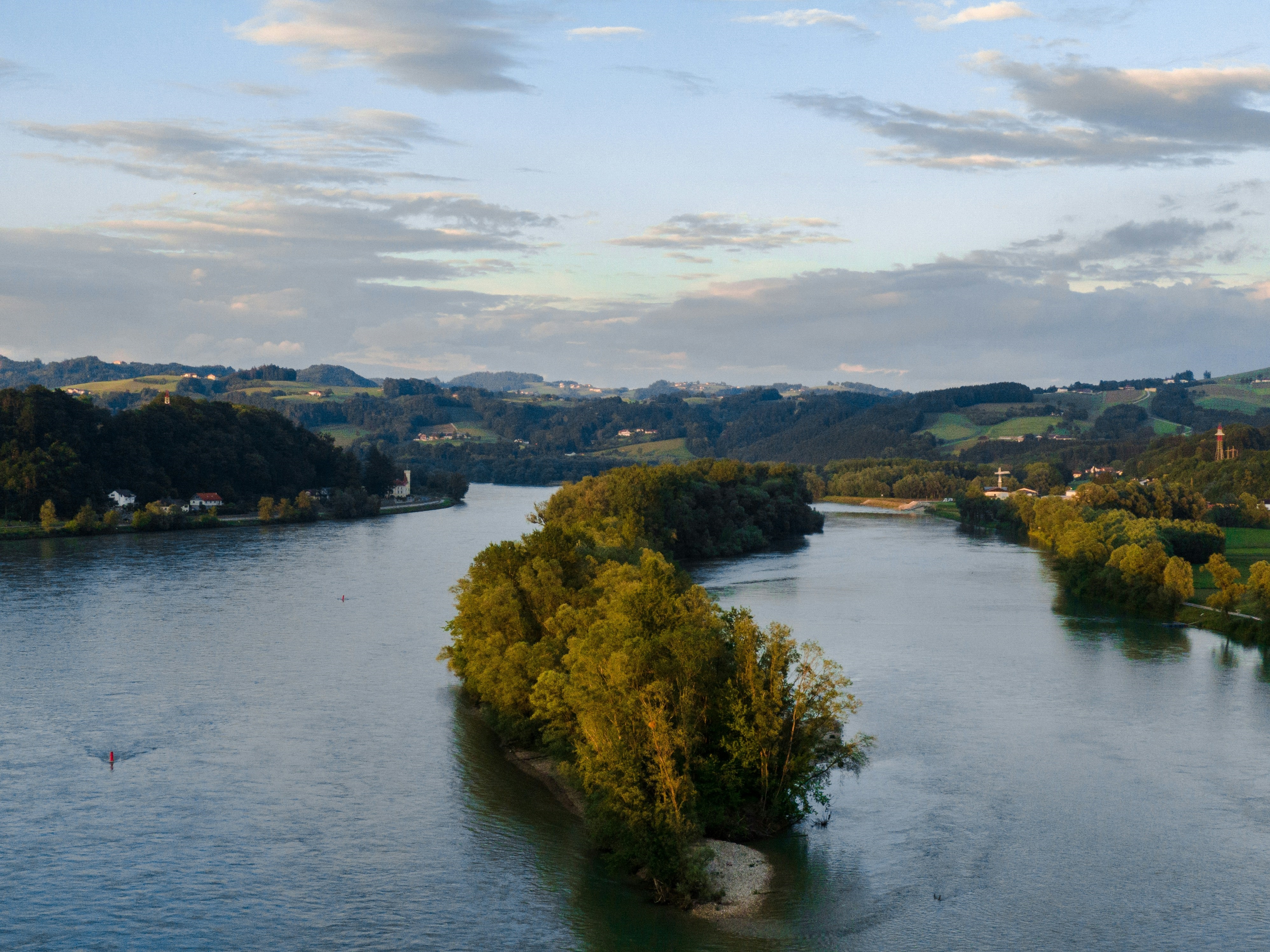
14.02.2024 | Biodiversity and People, Media Release, TOP NEWS
Fish in the upper Danube could be just as endangered in the future as they were in the past, but for different reasons
Based on a media release from the Leibniz Institute of Freshwater Ecology and Inland Fisheries (IGB) Rivers belong to the most threatened ecosystems on Earth. While many studies have projected climate change effects on species, little is known about the severity of these changes compared to historical alterations. Researchers led by the Leibniz Institute of Freshwater Ecology and Inland Fisheries (IGB) and the German Centre for Integrative Biodiversity Research (iDiv) explored the vulnerability of 48 native fish species in the upper Danube River Basin to past and potential future environmental changes. They show that fish have been particularly sensitive to changes in flow regimes in the past, while higher temperatures will pose the greatest threat in the future. The threat assessment will remain at least as high in the future. However, it could probably be mitigated by reconnecting former floodplains and improving river connectivity.
More
09.02.2024 | Media Release, MLU News, TOP NEWS
Ecologist Brian McGill receives Humboldt Research Award
Based on a media release of Martin Luther University Halle-Wittenberg The Alexander von Humboldt Foundation has honoured US scientist Professor Dr Brian McGill from the University of Maine with the prestigious Humboldt Research Award. The biodiversity researcher was nominated by Professor Dr Jonathan Chase, head of Biodiversity Synthesis at the German Centre for Integrative Biodiversity Research (iDiv) and Martin Luther University Halle-Wittenberg (MLU). The award is endowed with 60,000 euros. McGill will use the money for several research stays at iDiv.
More
22.01.2024 | Biodiversity Conservation, iDiv, Media Release, Research, TOP NEWS
Wolves and elk are (mostly) welcome back in Poland and Germany’s Oder Delta region, survey shows
An online survey conducted in Germany and Poland shows that large parts of the participants support the return of large carnivores and herbivores, such as wolves and elk, to the Oder Delta region, according to a study published in People and Nature. Presented with different rewilding scenarios, the majority of survey participants showed a preference for land management that leads to the comeback of nature to the most natural state possible. Locals, on the other hand, showed some reservations.
More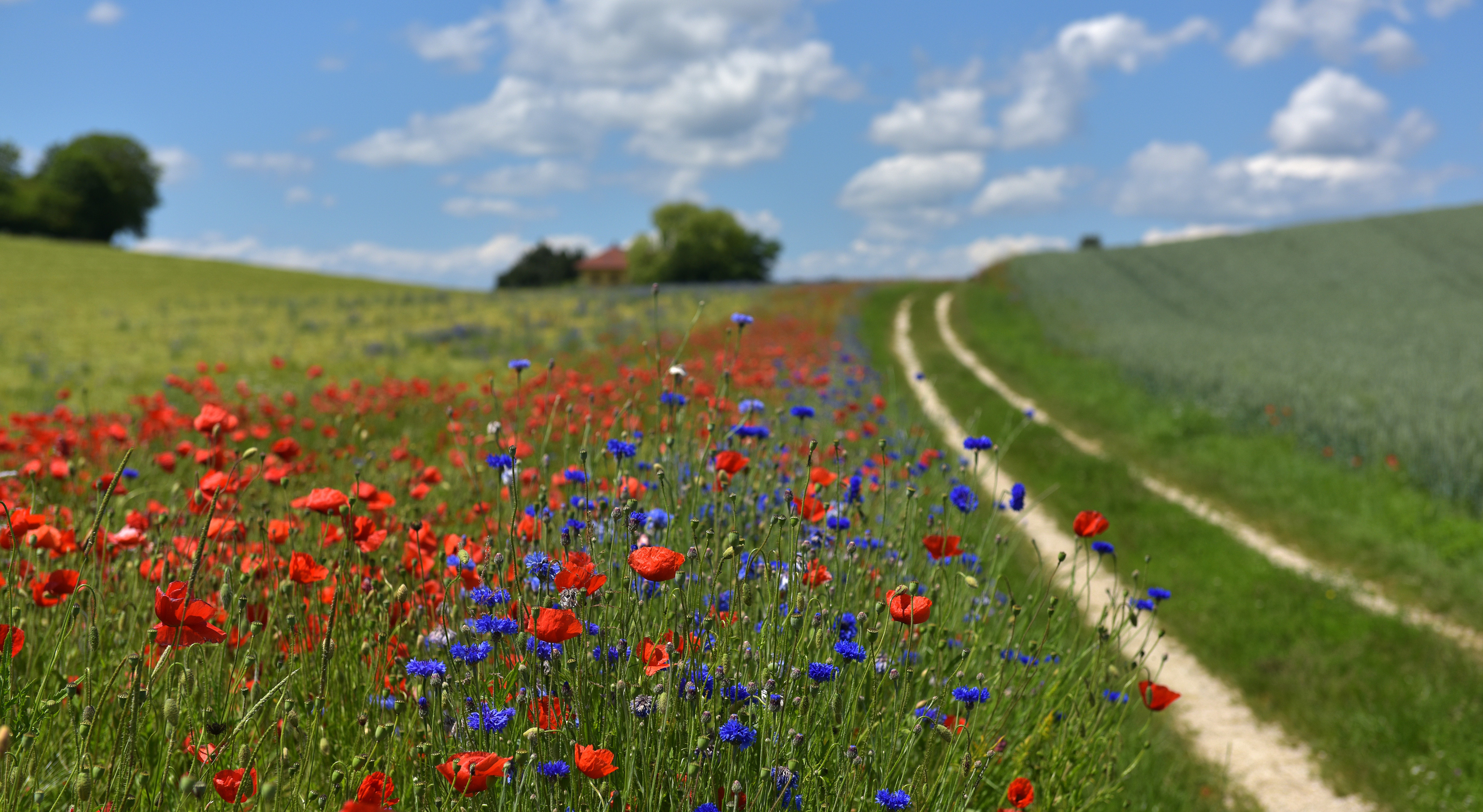
22.01.2024 | Media Release
Bloom or bust
A new white paper ‘Bloom or bust’, that has been produced by USB together with experts including Dr Miguel Fernandez from the German Centre for Integrative Biodiversity Research (iDiv) and Martin Luther University Halle-Wittenberg, takes stock of where the world stands on biodiversity loss, existing solutions, and the role that finance, government action, and collaboration can play.
More
17.01.2024 | iDiv Members, Media Release, TOP NEWS
Honoured: Christian Wirth appointed External Member of the Max Planck Institute for Biogeochemistry
Based on a media relase by the Max Planck Institute for BiogeochemistryThe Max Planck Institute for Biogeochemistry (MPI BGC) has gained a new external member: Prof Dr Christian Wirth has been appointed by the Senate of the Max Planck Society as External Scientific Member at the request of the MPI BGC. Wirth is the founding director and spokesperson of the German Centre for Integrative Biodiversity Research (iDiv), professor at Leipzig University and director of the Leipzig Botanical Garden. The plant ecologist investigates the effects of natural and man-made changes in plant biodiversity on ecosystem processes, such as carbon storage, water consumption and energy balance. As a former group leader and later fellow at the MPI BGC, Wirth initiated and supported the development of the TRY database, the world’s largest collection on plant traits. His research on the influence of climate change on biodiversity and ecosystem services of forests ideally complements the research focus of the Max Planck Institute in Jena.
More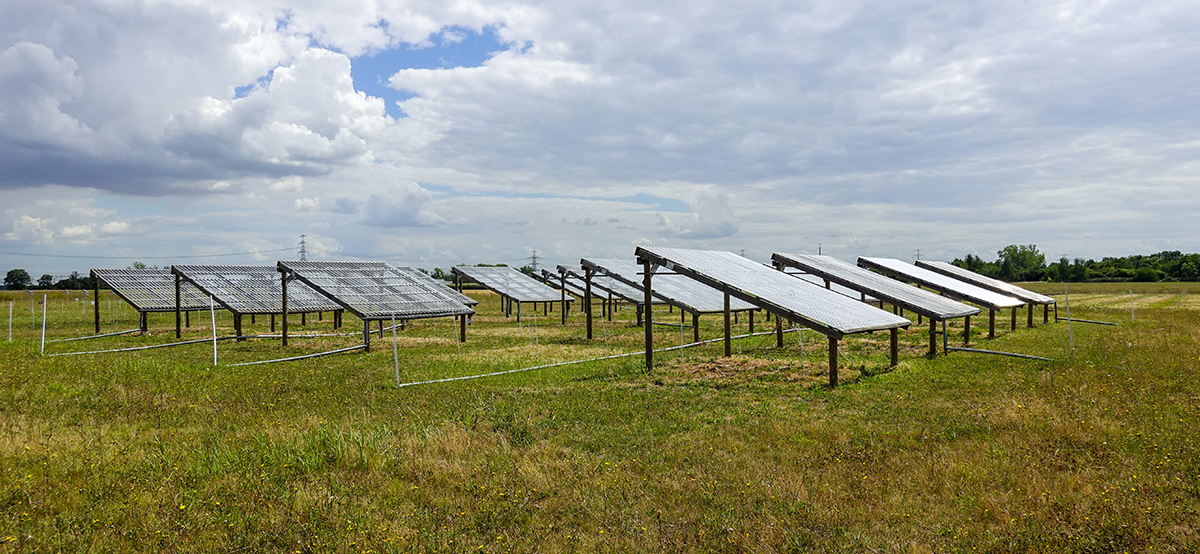
09.01.2024 | Media Release, TOP NEWS
Global study of extreme drought impacts on grasslands and shrublands
Based on a media release of Colorado State University A global study organized and led by Colorado State University scientists and with participation of several researchers from the German Center for Integraitive Biodiversity Research (iDiv) shows that the effects of extreme drought – which is expected to increase in frequency with climate change – have been greatly underestimated for grasslands and shrublands.
More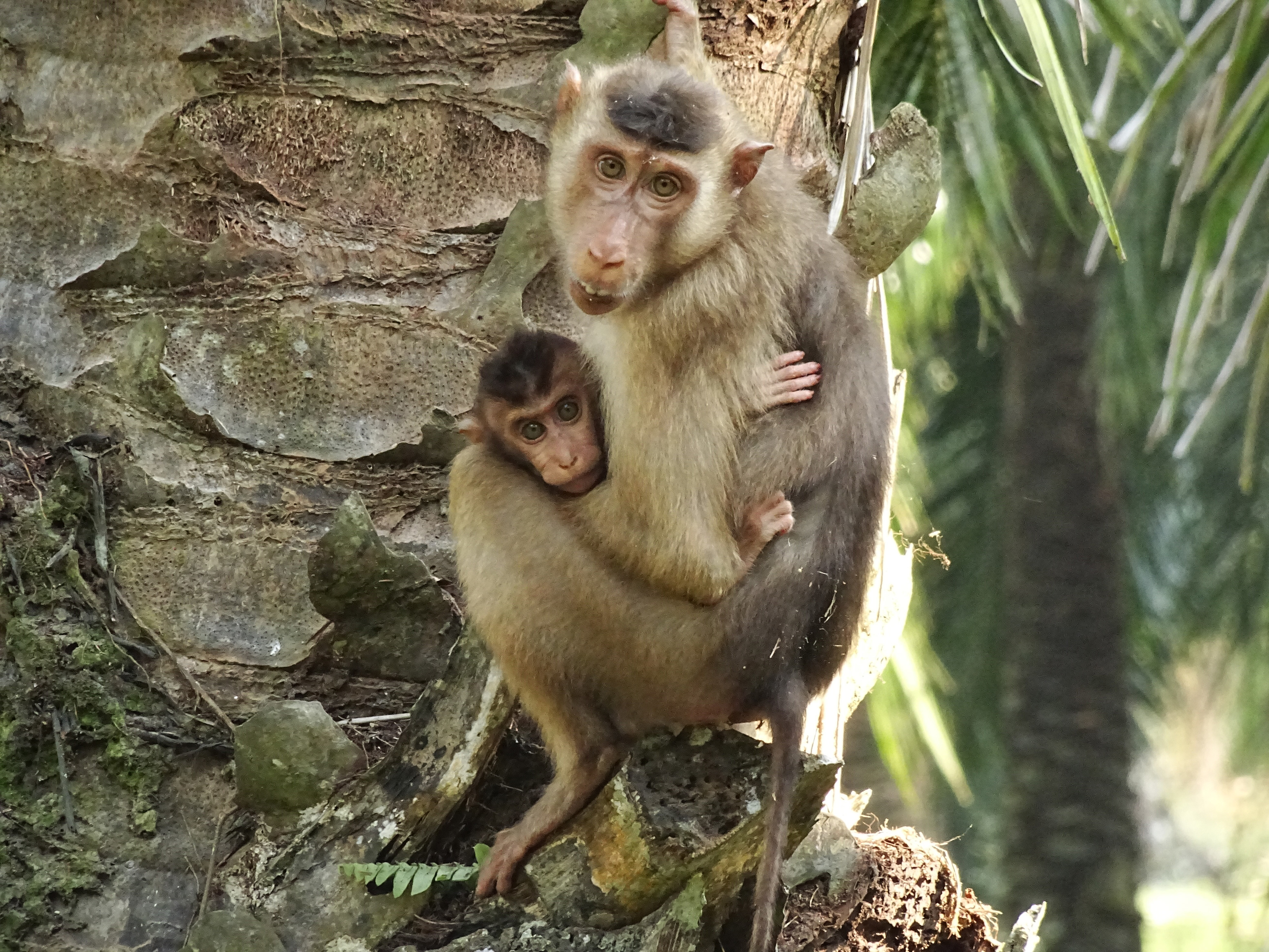
08.01.2024 | iDiv Members, Media Release, Research, TOP NEWS
Use of habitat for agricultural purposes puts primate infants at risk
Frequent visits to oil palm plantations are leading to a sharp increase in mortality rates among infant southern pig-tailed macaques (Macaca nemestrina) in the wild, according to a new study published in Current Biology. In addition to increased risk from predators and human encounters, exposure to harmful agricultural chemicals in this environment may negatively affect infant development.
More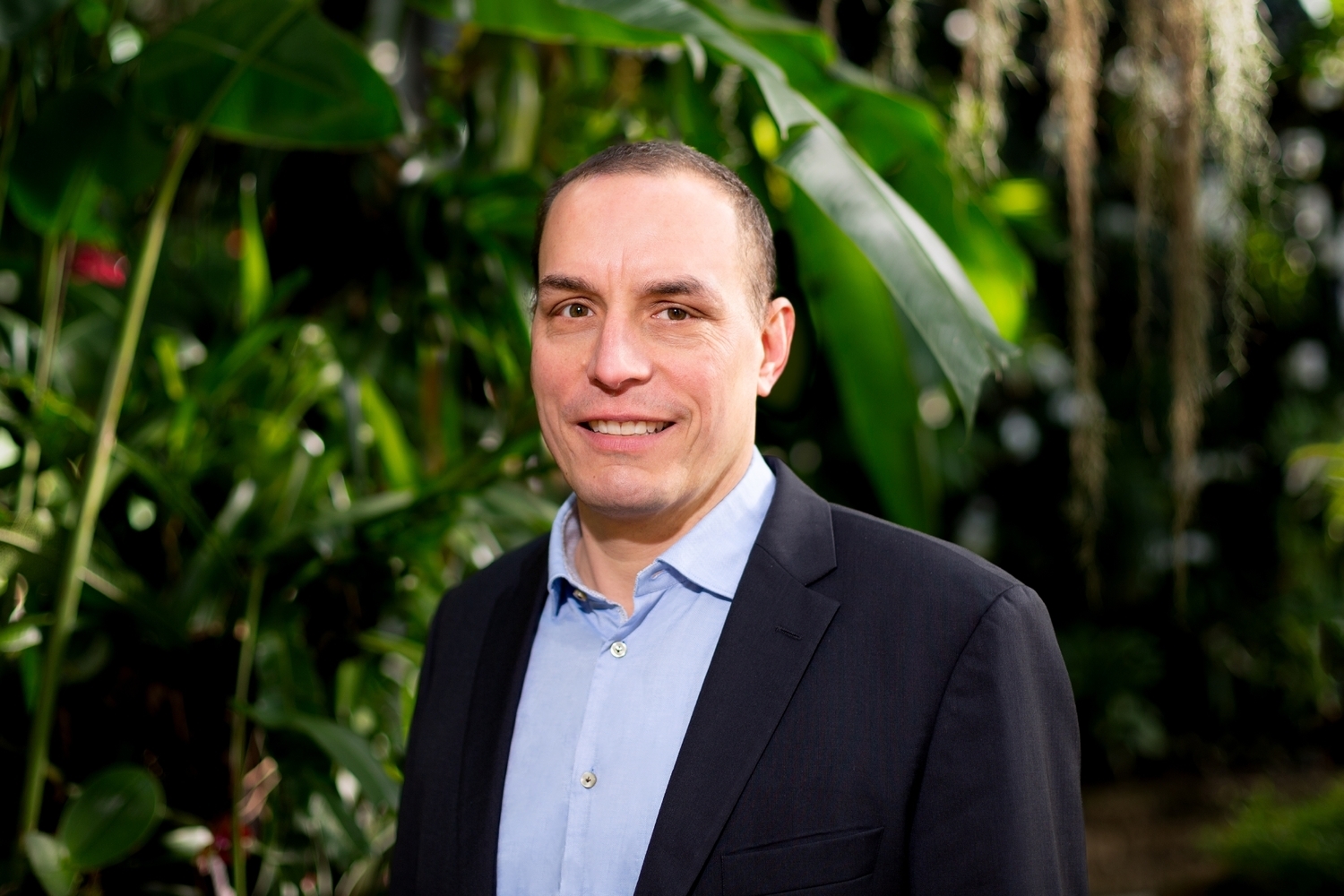
05.01.2024 | Biodiversity Economics, Media Release, Science-Policy, TOP NEWS
Environmental economist: “There is no justification for subsidising agricultural diesel”
More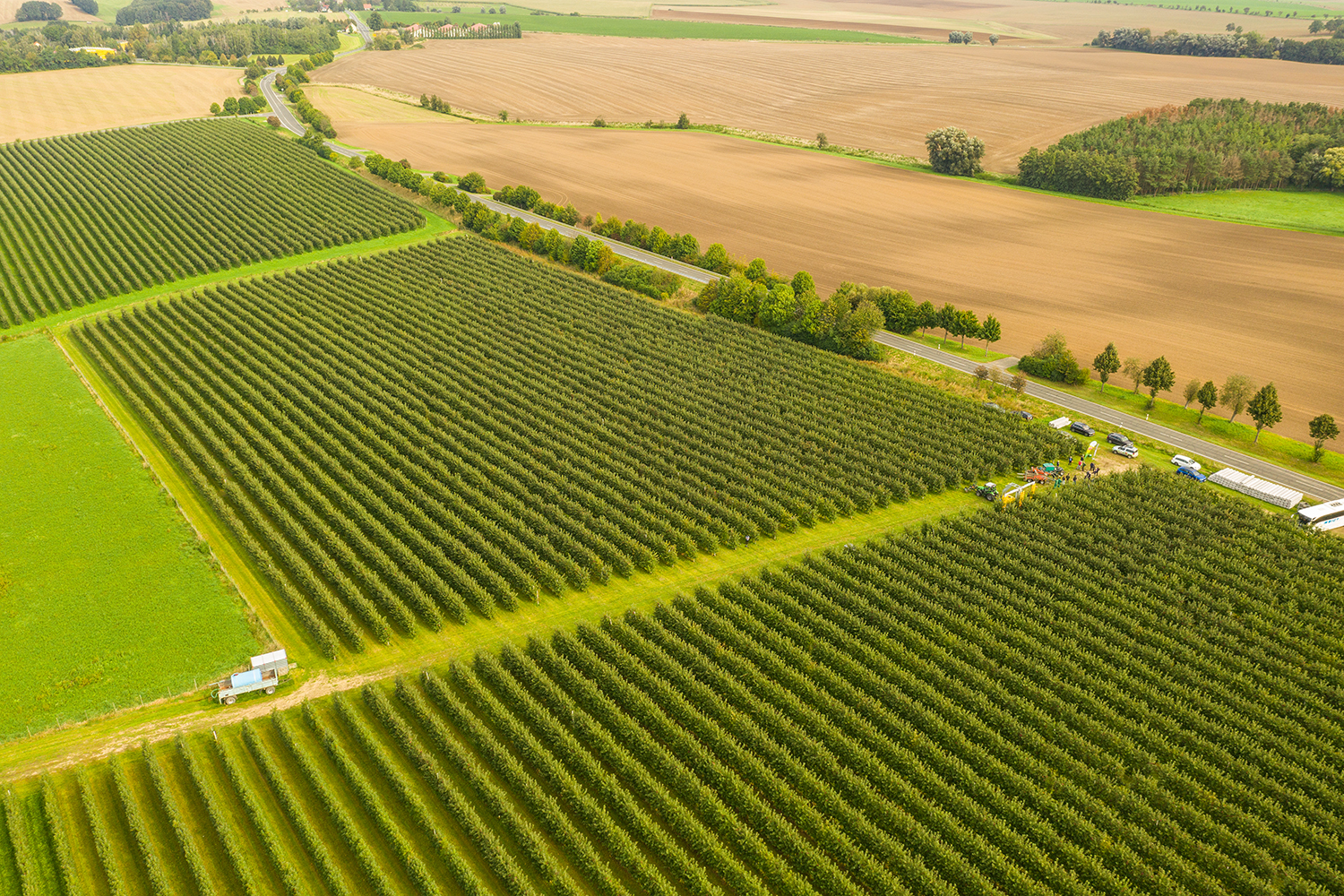
15.12.2023 | Media Release, TOP NEWS
How can Europe restore its nature?
Based on a media release of the University of Duisburg-Essen Early 2024, the European Parliament will take a final vote on the ‘Nature Restoration Law’ (NRL), a globally unique but hotly debated regulation that aims to halt and reverse biodiversity loss in Europe. An international team of scientists led by the University of Duisburg-Essen und with contribution from reseachers from the German Center for Integrative Biodiversity Research (iDiv) as well as the Helmholtz Centre for Environmental Research (UFZ) investigated the prospects of the new regulation. The article has been published in the Science Magazine.
More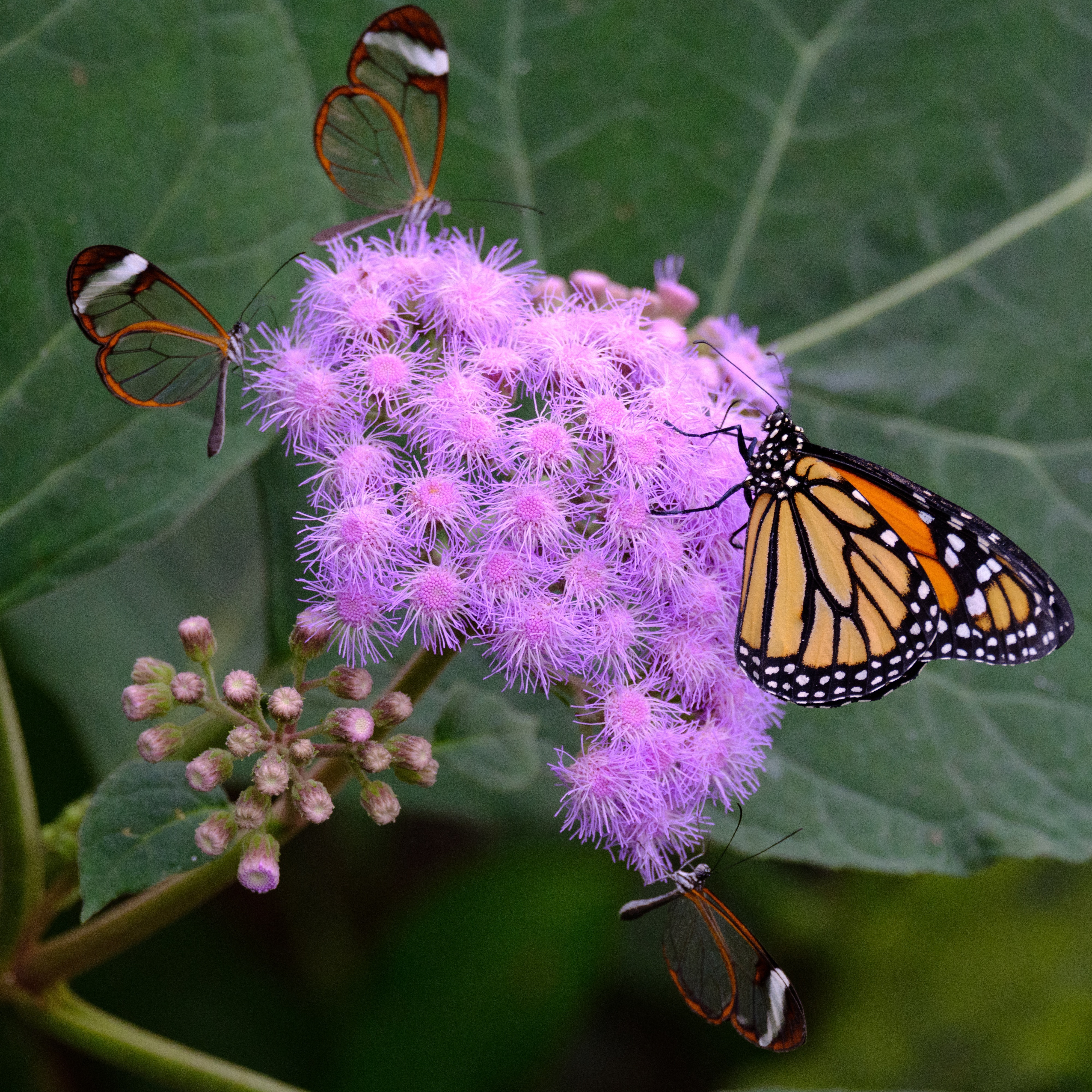
15.12.2023 | Biodiversity and People, Biodiversity Synthesis, Media Release, TOP NEWS
Common insect species are suffering the biggest losses
Leipzig. Insect decline is being driven by losses among the locally more common species, according to a new study published in Nature. Led by researchers at the German Centre for Integrative Biodiversity Research (iDiv) and the Martin Luther University Halle-Wittenberg (MLU), the meta-analysis of 923 locations around the world notes two significant trends: 1) the species with the most individuals (the highest abundance) are disproportionately decreasing in number, and 2) no other species have increased to the high numbers previously seen. This likely explains the frequent observation that there are fewer insects around now than ten, twenty, or thirty years ago.
More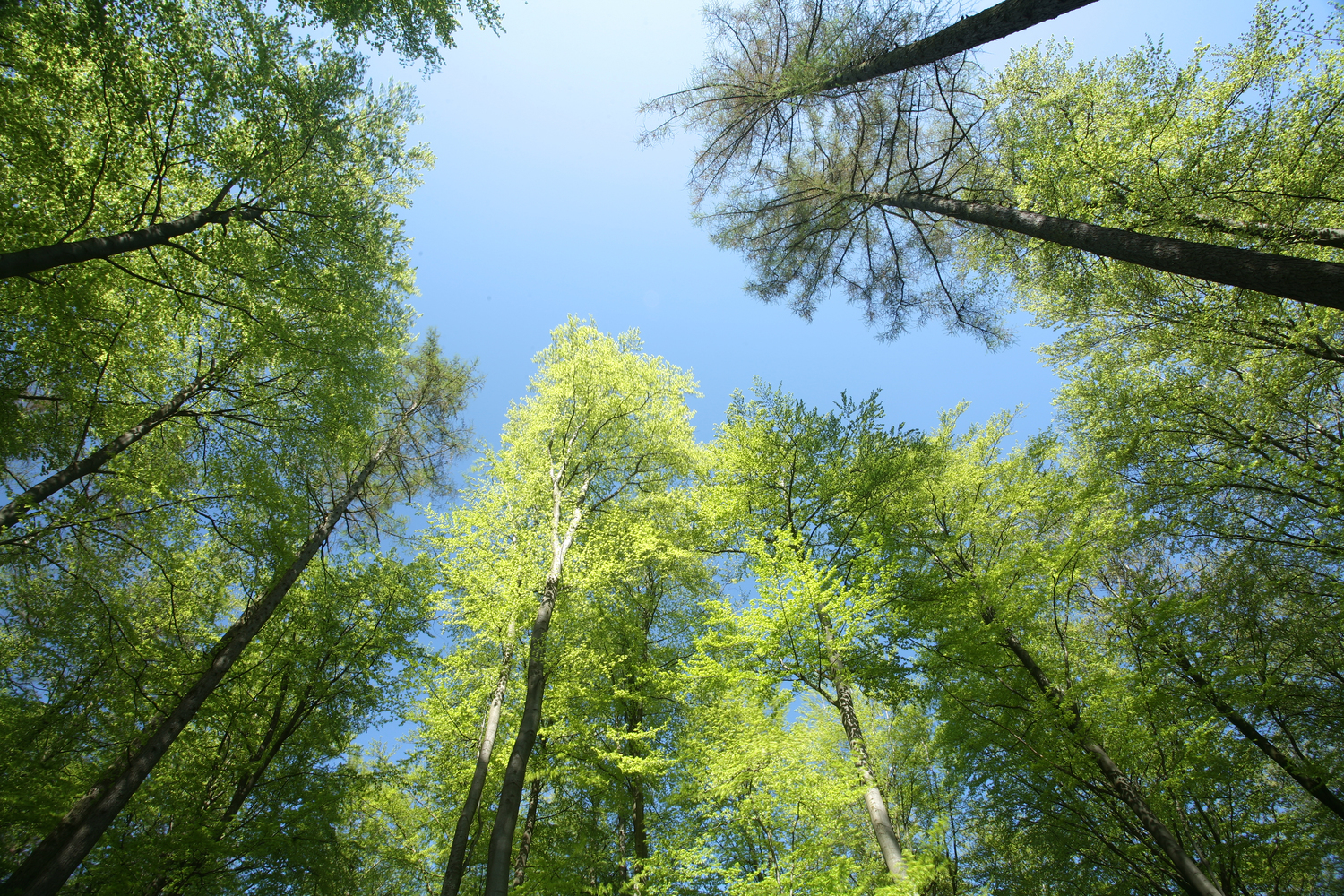
13.12.2023 | Experimental Interaction Ecology, iDiv Members, Media Release, TOP NEWS
How forests smell – a risk for the climate?
Based on a media release of Leipzig University Plants emit odours for a variety of reasons, such as to communicate with each other, to deter herbivores or to respond to changing environmental conditions. An interdisciplinary team of researchers from Leipzig University, the Leibniz Institute for Tropospheric Research (TROPOS) and the German Centre for Integrative Biodiversity Research (iDiv) carried out a study to investigate how biodiversity influences the emission of these substances. For the first time, they were able to show that species-rich forests emit less of these gases into the atmosphere than monocultures. In the past, it was assumed that forests with more species would release more emissions. Experiments by the Leipzig team have now disproved this assumption. Their study has been published in the journal Communications Earth & Environment.
More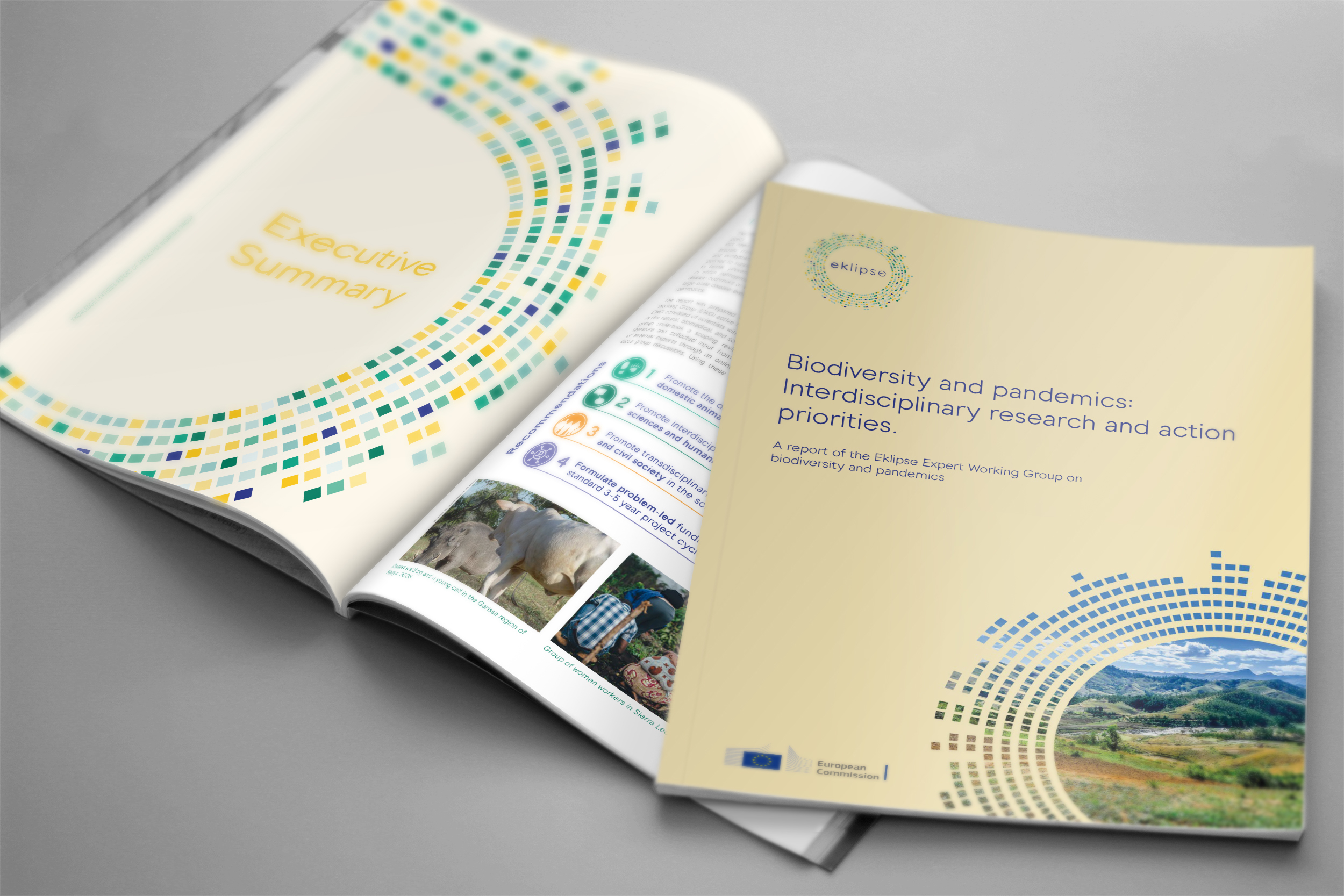
07.12.2023 | iDiv, Media Release, TOP NEWS
Recommendations for a research agenda on biodiversity and pandemics
Leipzig. An Expert Working Group with involvement of the German Centre for Integrative Biodiversity Research (iDiv) has published science-policy recommendations for future research to support transformative pandemic-prevention and preparedness policies. The report was published by Eklipse, a spinoff of a UFZ-led EU project.
More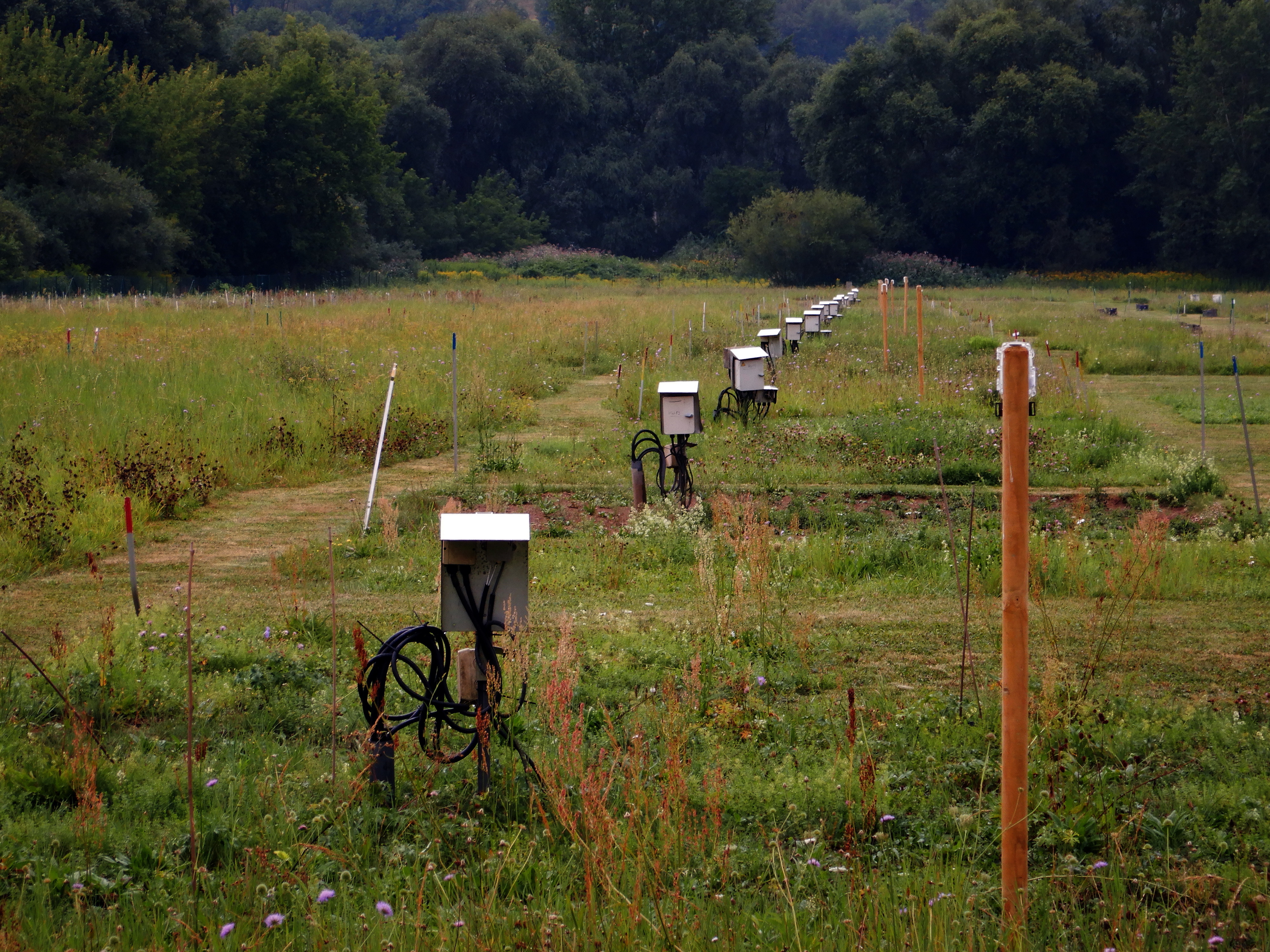
06.12.2023 | Experimental Interaction Ecology, iDiv, Media Release, Research, TOP NEWS
Deciphering nature’s climate shield: Plant diversity stabilises soil temperature
Based on a media release of Leipzig University A new study has revealed a natural solution to mitigate the effects of climate change, such as extreme weather events. Researchers from Leipzig University, the Friedrich Schiller University Jena, the German Centre for Integrative Biodiversity Research Halle-Jena-Leipzig (iDiv) and other research institutions have discovered that high plant diversity acts as a buffer against fluctuations in soil temperature. This buffer can then be of vital importance to ecosystem processes. They have just published their new findings in the journal Nature Geoscience.
More
04.12.2023 | iDiv, Media Release, TOP NEWS
Ecology: “iDiv Universities” climb to the top of the international Shanghai Ranking 2023
Halle, Jena, Leipzig. The three universities that comprise the German Centre for Integrative Biodiversity Research’s (iDiv) consortium rose to the top of this year’s international Shanghai Ranking in the field of ecology. Of the 5,000 universities evaluated, the universities of Halle, Jena, and Leipzig placed 27th, 51st*, and 35th, respectively. This recognition means Central Germany is home to three of the country’s six highest-ranked universities in the field.
More
15.11.2023 | TOP NEWS
Highly Cited Researchers 2023
Clarivate Analytics lists eight iDiv members in its 2023 selection of “Highly Cited Researchers”. According to Clarivate Analytics, these scientists have demonstrated significant influence through the publication of multiple papers, highly cited by their peers, during the last decade.
More
13.11.2023 | Biodiversity Economics, iDiv, Media Release, TOP NEWS
DFG gives green light for new Research Training Group
Based on a media release of Leipzig University Another great success for Leipzig in supporting early career researchers: the German Research Foundation (DFG) announced that it will provide around 7 million euros in funding for a new Research Training Group from April 2024. Under the leadership of Professor Martin Quaas, head of Biodiversity Economics at the German Centre for Integrative Biodiversity Research (iDiv) and Leipzig University, more than 40 doctoral researchers in the fields of economics and management science, the natural and life sciences will investigate sustainable concepts for the use of natural common goods.
More
13.11.2023 | iDiv, Media Release, TOP NEWS
When writers write about biodiversity
Based on a media release of Leipzig University Novels and poems often contain descriptions of plants or animals – sometimes more, sometimes less detailed. The extent to which flora and fauna feature in a literary work also depends on who wrote it and under what circumstances. For example, female authors tend to use more species names when they write. This is the conclusion of a research team from Leipzig University, the German Centre for Integrative Biodiversity Research (iDiv) and Goethe University Frankfurt, who examined around 13,500 literary works by approximately 2,900 authors. The study published in People and Nature is an example of how methods from the natural sciences and the humanities can be combined using digital techniques.
More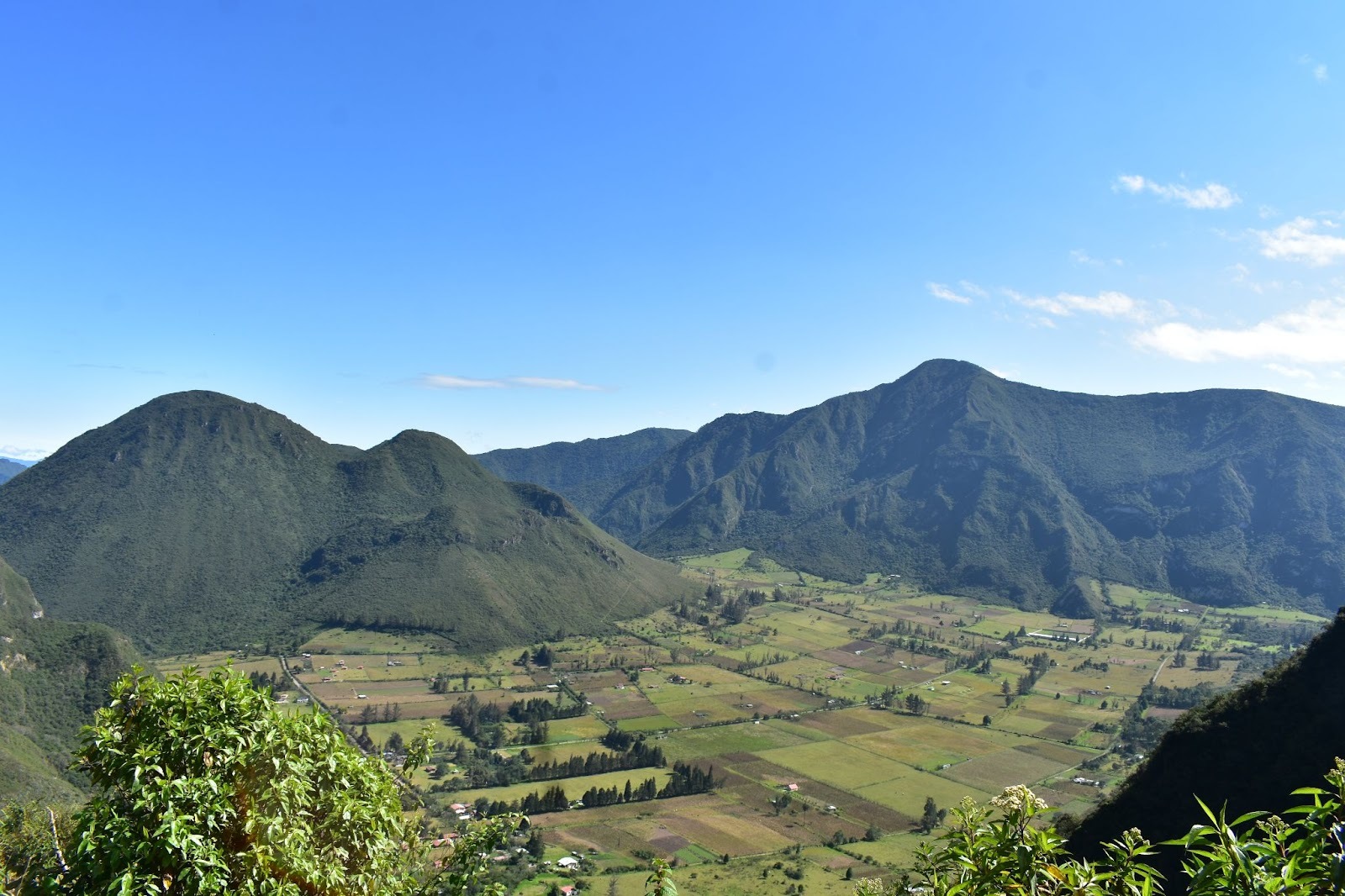
03.11.2023 | Biodiversity Conservation, TOP NEWS
Tailoring Biodiversity Information to Local Needs in the Threatened Tropical Andes
Lima, Halle, Leipzig. Sustainable biodiversity conservation requires cooperation among scientific, societal, economic, and political institutions. In the journal Conservation Science and Practice, researchers have published a new approach to co-designing biodiversity indicators relevant for conservation. They brought together multiple stakeholders in a consultative process, tailoring user-relevant biodiversity information to local needs. The project was led by researchers of the German Centre for Integrative Biodiversity Research (iDiv) and the Martin Luther University Halle-Wittenberg, together with multiple partners in the Tropical Andes. The collaborative approach can serve as a blueprint for making biodiversity information more inclusive, considering the diverse worldviews, values, and knowledge systems between science, policy, and practice.
More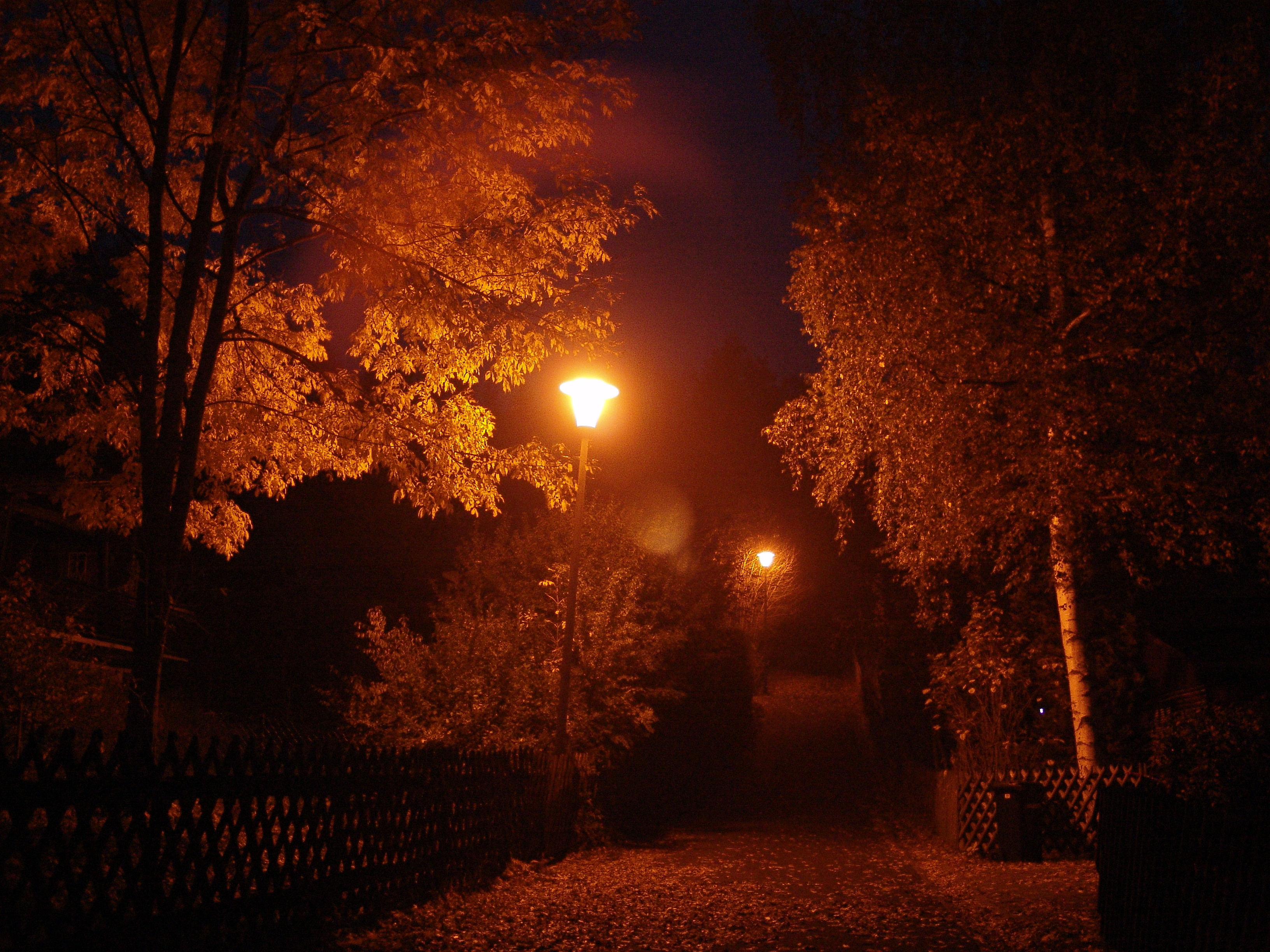
30.10.2023 | Experimental Interaction Ecology, Media Release, Theory in Biodiversity Science, TOP NEWS
Even low levels of artificial light disrupt ecosystems
Leipzig, Jena. A new collection of papers on artificial light at night show the impact of light pollution to be surprisingly far-reaching, with even low levels of artificial light disrupting species communities and entire ecosystems. Published in Philosophical Transactions of the Royal Society B, the special theme issue, which includes 16 scientific papers, looks at the effects of light pollution in complex ecological systems, including soil, grassland, and insect communities. Led by researchers at the German Centre for Integrative Biodiversity Research (iDiv) and the Friedrich Schiller University Jena, the collection notes the increasing ubiquity of light pollution, while emphasising the domino effect light pollution has on ecosystem function and stability.
More
27.10.2023 | Biodiversity and People, iDiv, Media Release, Research, TOP NEWS
How social media can contribute to species conservation
Leipzig. Photos of plant and animal species that are posted on social media can help protect biodiversity, especially in tropical regions. This is the conclusion of a team of researchers led by the German Centre for Integrative Biodiversity Research (iDiv), the Helmholtz Centre for Environmental Research (UFZ), the Friedrich Schiller University Jena (FSU), and the University of Queensland (UQ). Recently published in BioScience, One Earth, and Conservation Biology, the three studies investigated the benefits of using Facebook data for conservation assessments in Bangladesh. The researchers point out that social media can support species monitoring and significantly contribute to conservation assessments in tropical countries.
More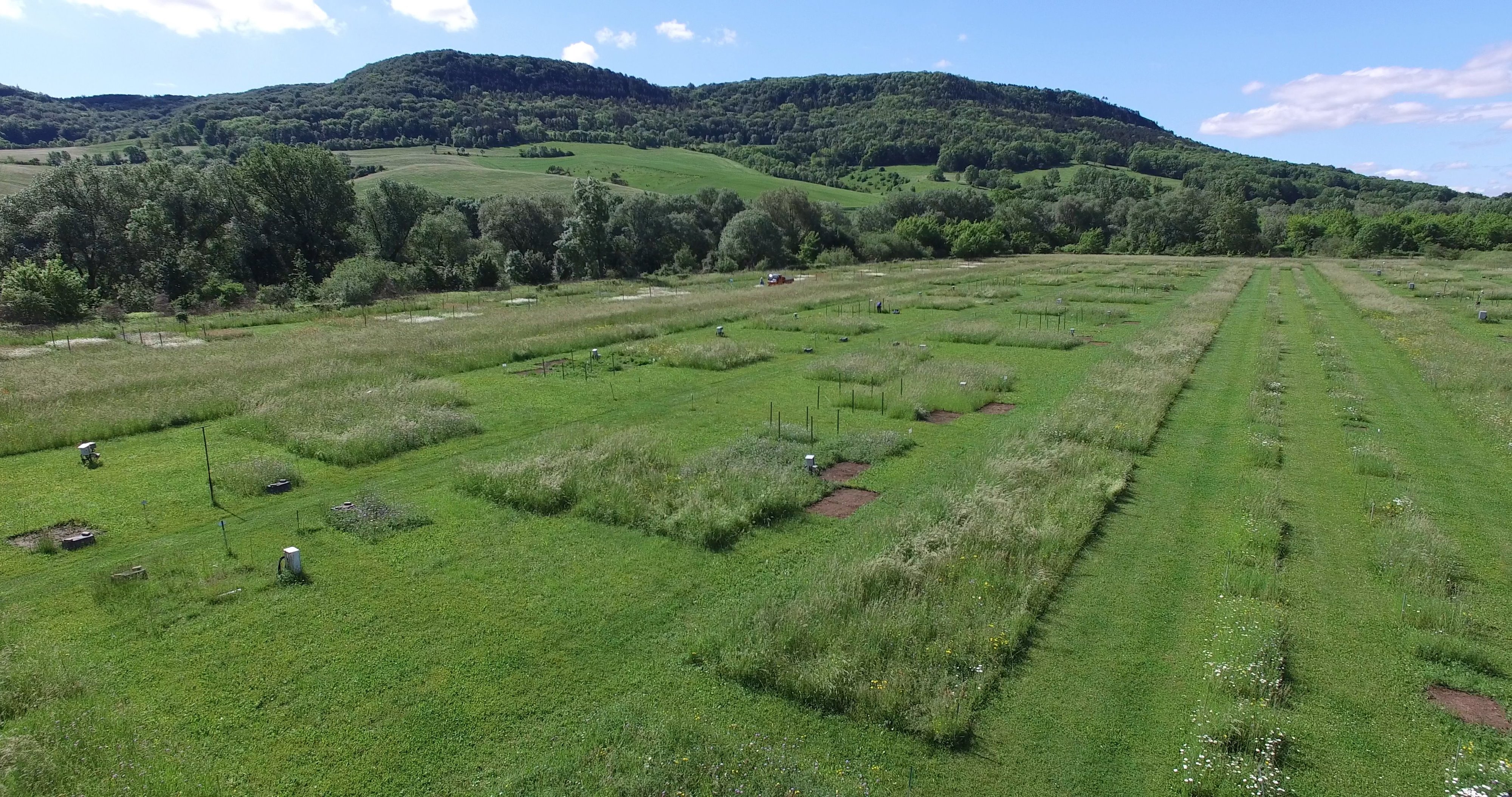
10.10.2023 | Experimental Interaction Ecology, Media Release, TOP NEWS
Funding new research in the Jena Experiment – focus on ecosystem stability
Joint media release from iDiv, Leipzig University and Friedrich Schiller University Jena Jena/Leipzig. The Deutsche Forschungsgemeinschaft (DFG) is to fund a Research Unit in the Jena Experiment for a further four years with around five million euros. The scientists, led by the German Centre for Integrative Biodiversity Research (iDiv), Leipzig University and the Friedrich Schiller University Jena, will focus in particular on the stabilising effect of biodiversity against extreme climate events such as drought, heat and frost.
More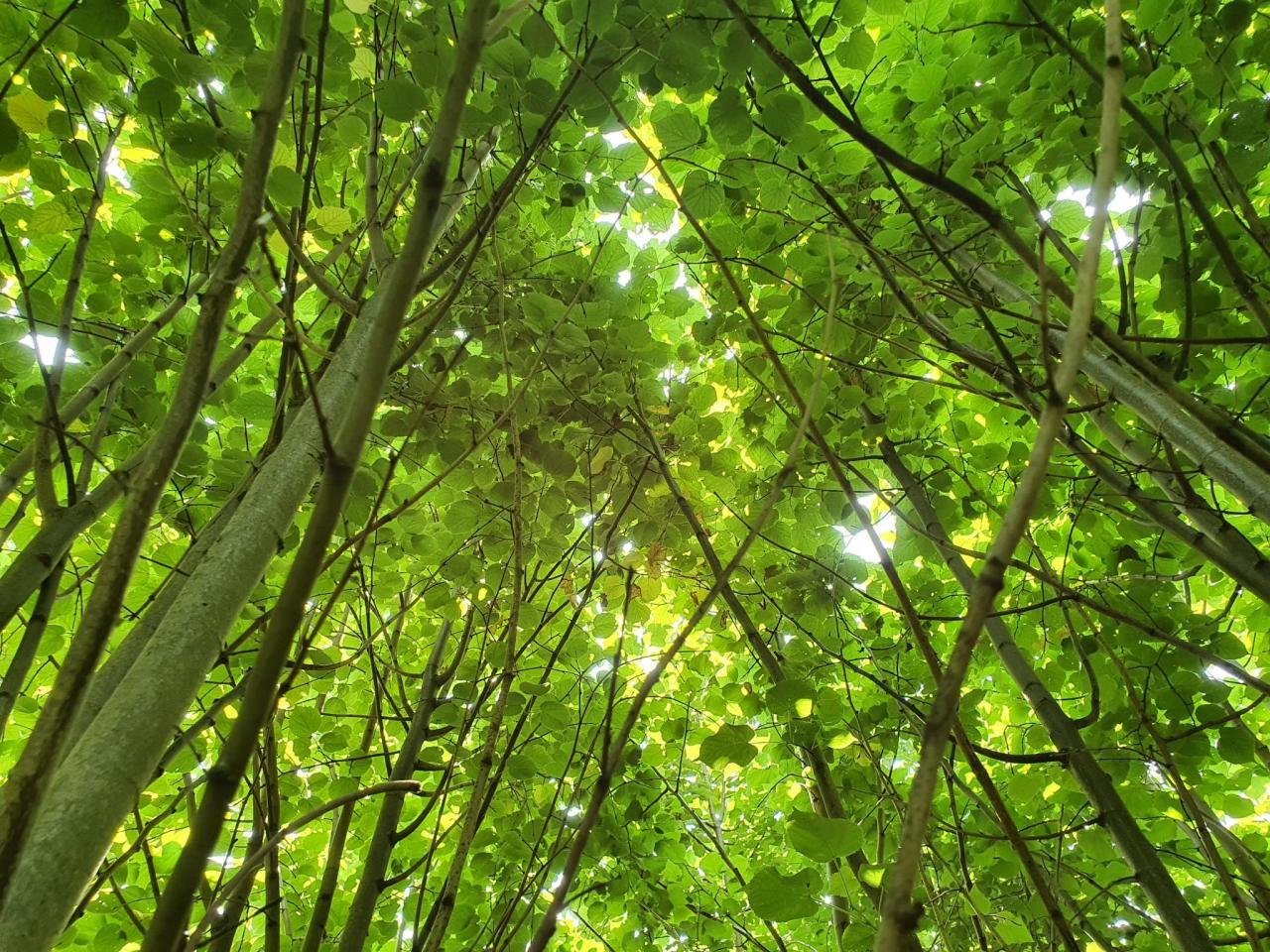
09.10.2023 | Experimental Interaction Ecology, iDiv Members, Media Release, TOP NEWS
Mixed forests are more productive when they are structurally complex
Dresden, Halle, Leipzig. Tree species richness increases forest productivity by enhancing aboveground structural complexity. This is the key result of a joint study by TUD Dresden University of Technology, the German Centre for Integrative Biodiversity Research (iDiv), Leuphana University Lüneburg, Martin Luther University Halle-Wittenberg, Leipzig University, and the University of Montpellier. The results have been published in the journal Science Advances.
More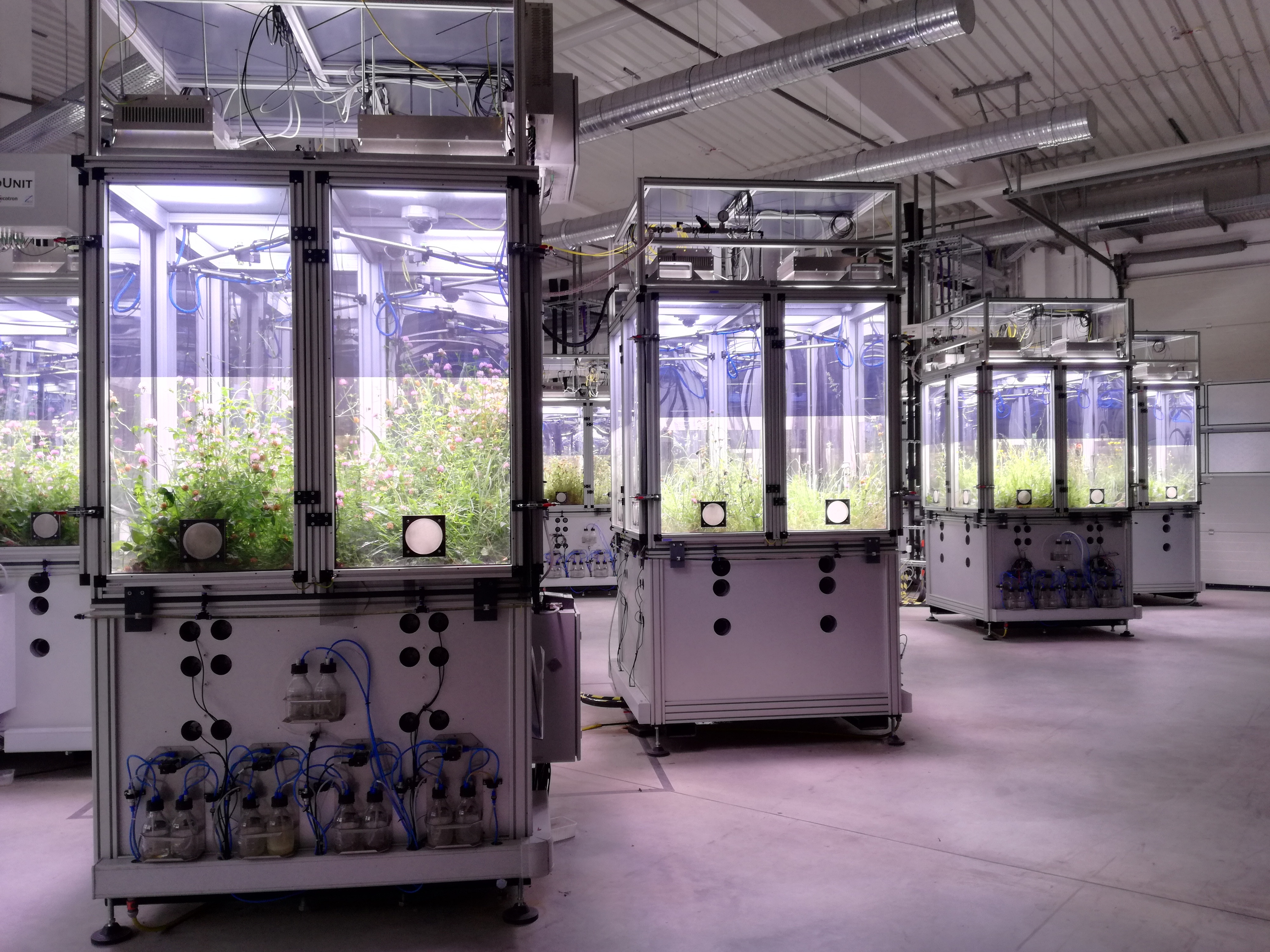
26.09.2023 | Experimental Interaction Ecology, iDiv, Media Release, Research, TOP NEWS
Invertebrate decline reduces natural pest control and decomposition of organic matter
Leipzig. The decline in invertebrates also affects the functioning of ecosystems, including two critical ecosystem services: aboveground pest control and belowground decomposition of organic material, according to a new study published in Current Biology and led by researchers at the German Centre for Integrative Biodiversity Research (iDiv) and Leipzig University. The study provides evidence that loss of invertebrates leads to a reduction in important ecosystem services and to the decoupling of ecosystem processes, making immediate protection measures necessary.
More
08.09.2023 | Biodiversity Synthesis, iDiv, Research, TOP NEWS
Big fish are shrinking and small fish are multiplying, a new study shows
Based on a media release from the University of St. Andrews St. Andrews/Leipzig. Organisms are becoming smaller through a combination of species replacement, and changes within species. Published in Science, the research looked at time series covering the past 60 years, from many types of animals and plants around the world. The study was conducted by an international team of scientists from 17 universities, as part of a working group funded by the German Centre for Integrative Biodiversity Research (iDiv), and led by scientists of the University of St Andrews, and the University of Nottingham.
More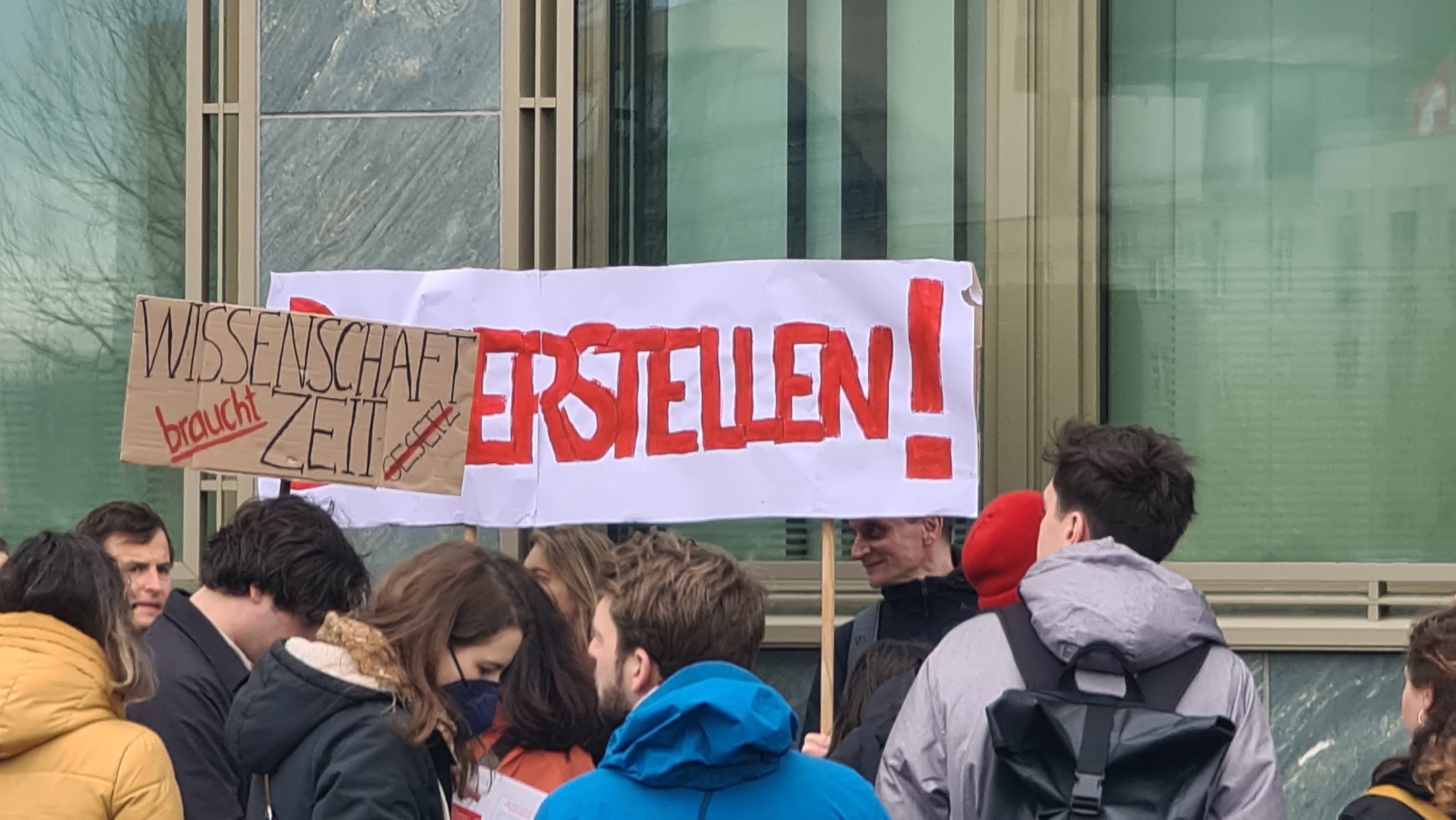
08.09.2023 | iDiv, Media Release, TOP NEWS
iDiv’s early career researchers’ response to the proposed changes to the WissZeitVG
iDiv’s researchers1 are concerned about the already precarious working conditions in German academia and are alarmed that the proposed changes to the WissZeitVG will exacerbate this.
More
04.09.2023 | Biodiversity Conservation, Biodiversity Synthesis, Media Release, TOP NEWS
Most species are rare. But not very rare
Halle/Saale, Fort Lauderdale. More than 100 years of observations in nature have revealed a universal pattern of species abundances: Most species are rare but not very rare, and only a few species are very common. These so-called global species abundance distributions have become fully unveiled for some well-monitored species groups, such as birds. For other species groups, such as insects, however, the veil remains partially unlifted. These are the findings of an international team of researchers led by the German Centre for Integrative Biodiversity Research (iDiv), the Martin Luther University Halle-Wittenberg (MLU) and the University of Florida (UF), published in the journal Nature Ecology and Evolution. The study demonstrates how important biodiversity monitoring is for detecting species abundances on planet Earth and for understanding how they change.
More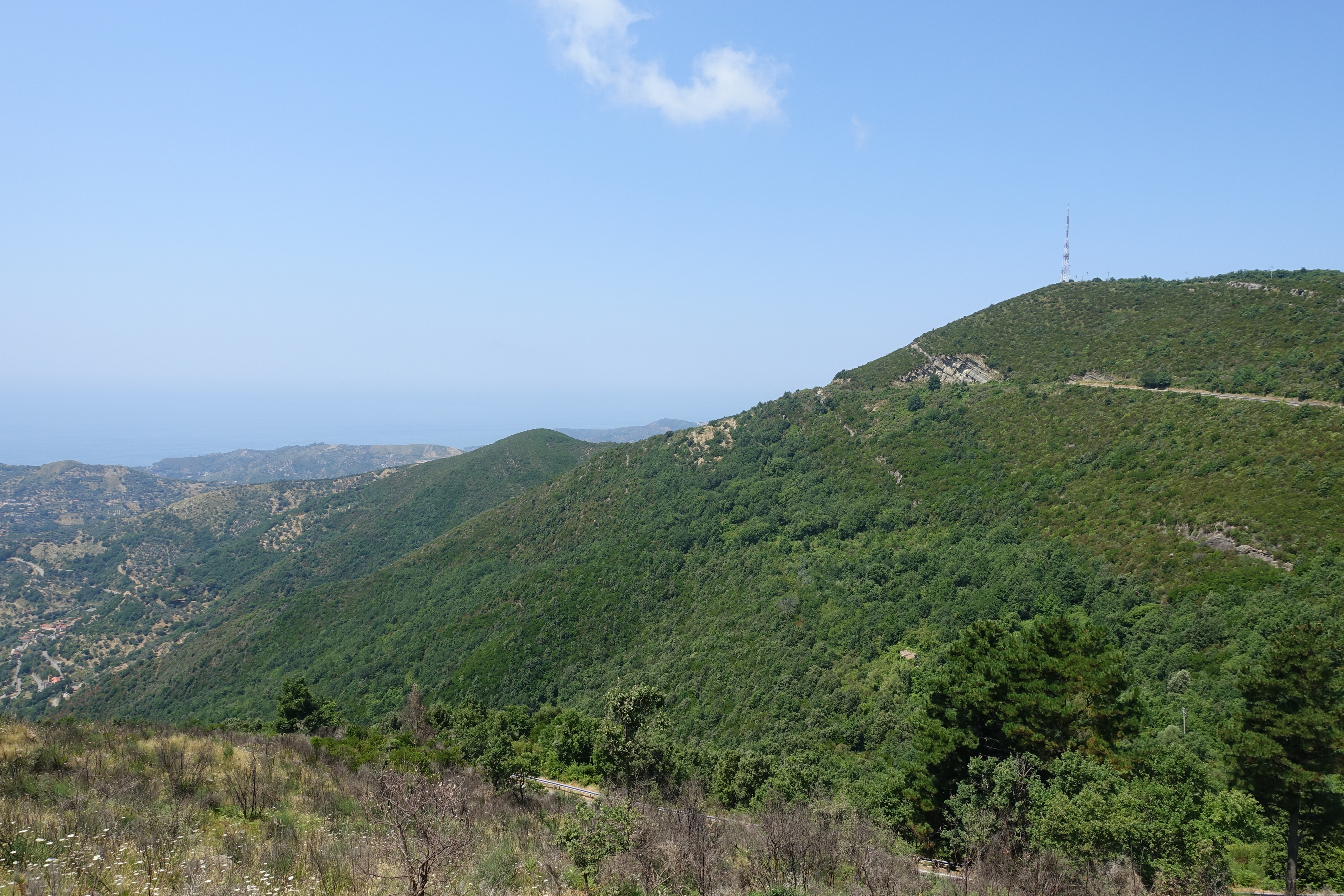
01.09.2023 | iDiv, TOP NEWS
New map on potentially groundwater-dependent vegetation in the Mediterranean biome
Report by Léonard El-Hokayem, doctoral student at Martin Luther University Halle-Wittenberg and the German Centre for Integrative Biodiversity Research (iDiv) Halle. Decreasing rainfall and increased groundwater use are threatening vegetation and ultimately biodiversity in the Mediterranean biome. Plants that depend on groundwater are particularly vulnerable. We have developed a novel, easy-to-use index to map potentially groundwater dependent vegetation (pGDV) based on environmental site conditions and vegetation characteristics. Our concept combines globally-available geodata and remote sensing and has recently been published in Science of The Total Environment. The results indicate that 31 % of the natural vegetation in the Mediterranean likely depends on groundwater. A biome-wise map of pGDV is important to prioritise areas for detailed identification of actual GDV and biodiversity conservation.
More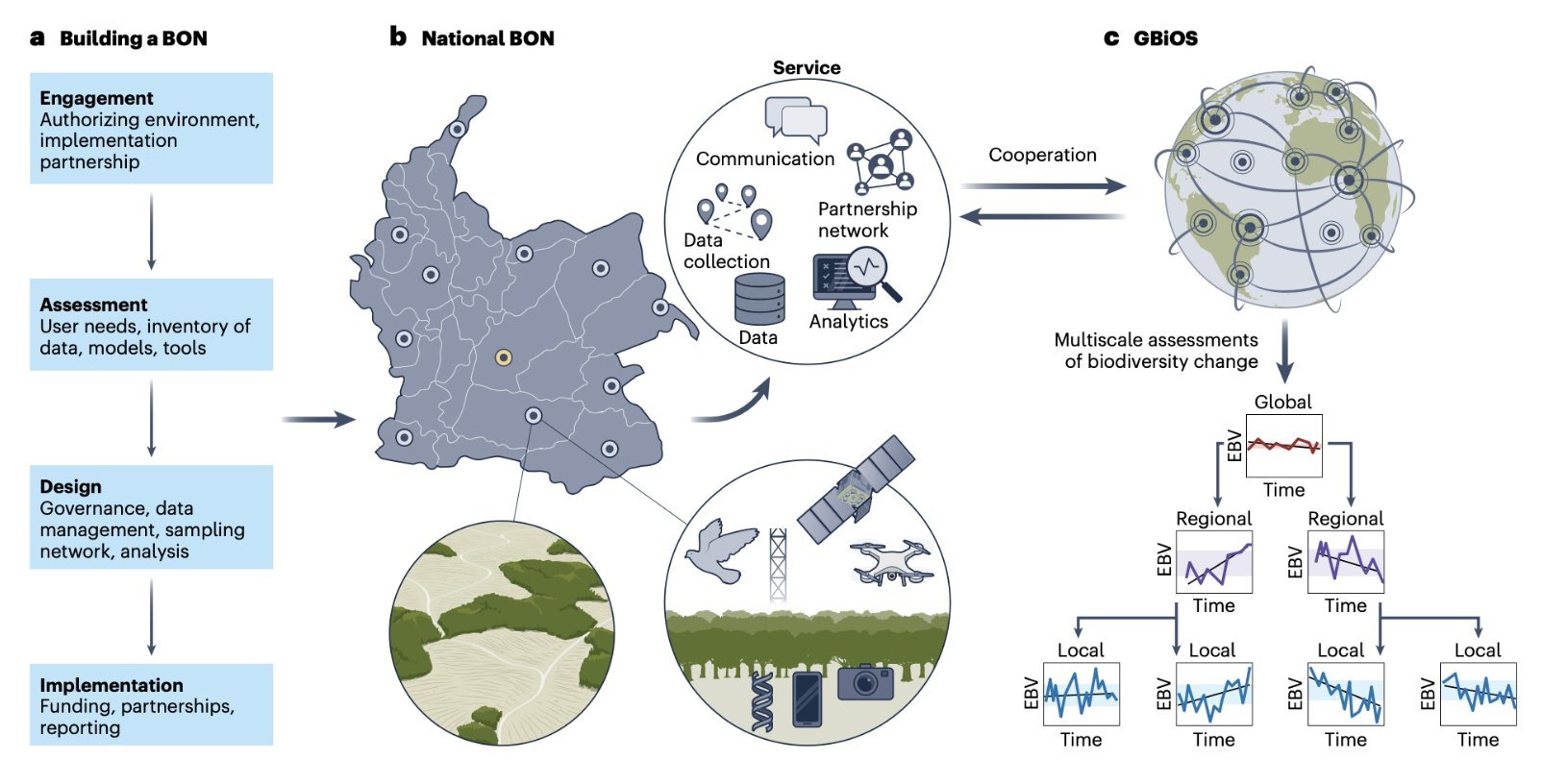
25.08.2023 | iDiv, Media Release, TOP NEWS
A global observatory to monitor Earth’s biodiversity
Based on a media release of GEO BON The Global Biodiversity Observing System (GBiOS) is a proposal developed by scientists from the Group on Earth Observations Biodiversity Observation Network (GEO BON), and its partners, including the German Center for Integrative Biodiversity Research (iDiv). It will combine technology, data, and knowledge from around the world to foster collaboration and data sharing among countries and to provide the data urgently needed to monitor biodiversity change and target action. The proposal for this novel system was published in Nature Ecology & Evolution.
More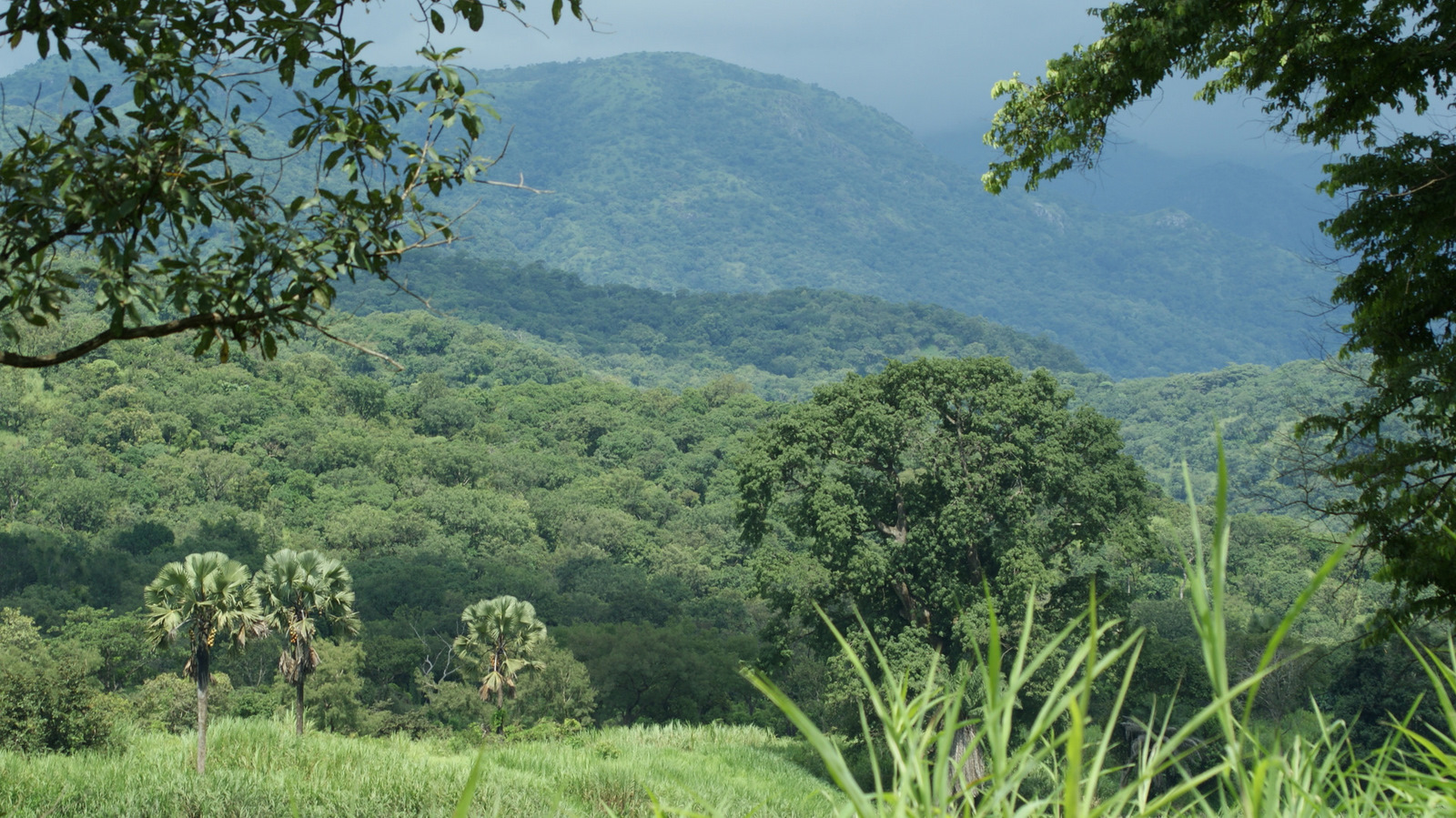
23.08.2023 | iDiv, iDiv Members, Media Release, Research, TOP NEWS
1000 new species for Nigeria
Leipzig/Katsina. To date, over 1000 vascular plants in Nigeria may be undescribed, making it impossible to know whether or not these plants are endangered and in need of protection. This is one of the key results of a new study led by researchers from the German Center for Integrative Biodiversity Research (iDiv) and Leipzig University, published in Annals of Botany. In order to meet the targets of the CBD’s Global Biodiversity Framework, urgent measures are required that promote local taxonomic activities.
More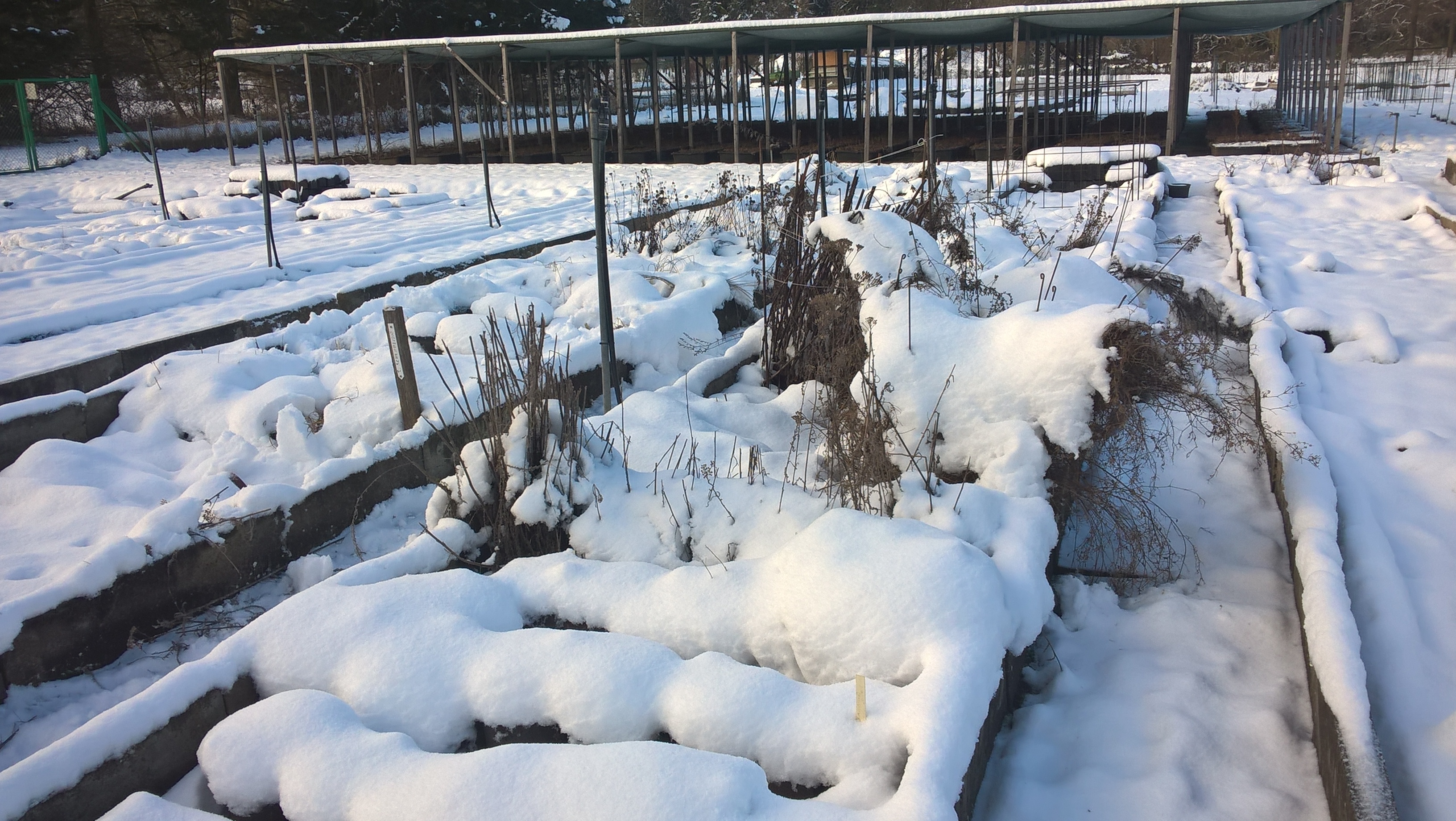
15.08.2023 | Media Release, TOP NEWS
Some plants do not shed their leaves in autumn, for good reason
Report by Dr Gerrit Angst, postdoctoral researcher of the Experimental Interaction Ecology at iDiv, Leipzig University, and the Czech Academy of Sciences and co-author: Leipzig/Budweis/Prague. Retention of dead biomass by plants is common in the temperate herbaceous flora and can be related to certain plant traits, indicating relevance to ecosystem functioning. These are the main findings of an experimental study on more than 100 plant species jointly performed by researchers from the German Centre for Integrative Biodiversity Research (iDiv), Leipzig University, the Czech Academy of Sciences, and the Charles University, Prague. The study has recently been published in the Journal of Ecology.
More
08.08.2023 | Media Release, sDiv, TOP NEWS
Satellite documentation of effects of heat waves on plants
More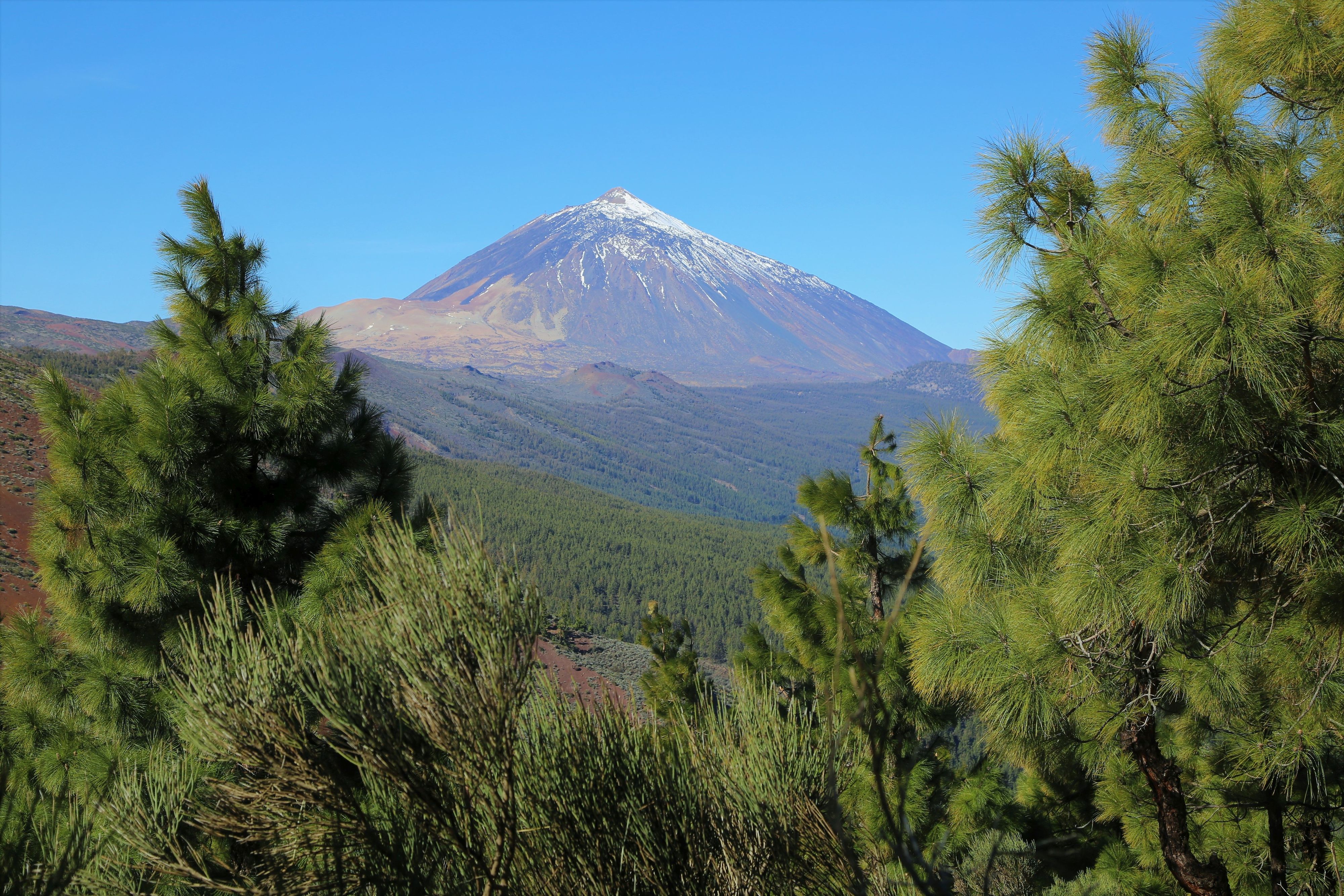
12.07.2023 | iDiv, Media Release, TOP NEWS
Remote plant worlds
Based on a media release by the University of Göttingen Oceanic islands provide useful models for ecology, biogeography and evolutionary research. Many ground-breaking findings – including Darwin’s theory of evolution – have emerged from the study of species on islands and their interplay with their living and non-living environment. Now, an international research team led by researchers from the University of Göttingen and the German Centre for Integrative Biodiversity Research (iDiv) has investigated the flora of the Canary Island of Tenerife. The results were surprising: the island’s plant-life exhibits a remarkable diversity of forms. However, the plants differ little from mainland plants in functional terms. However, unlike the flora of the mainland, the flora of Tenerife is dominated by slow-growing, woody shrubs with a “low-risk” life strategy. The results were published in Nature.
More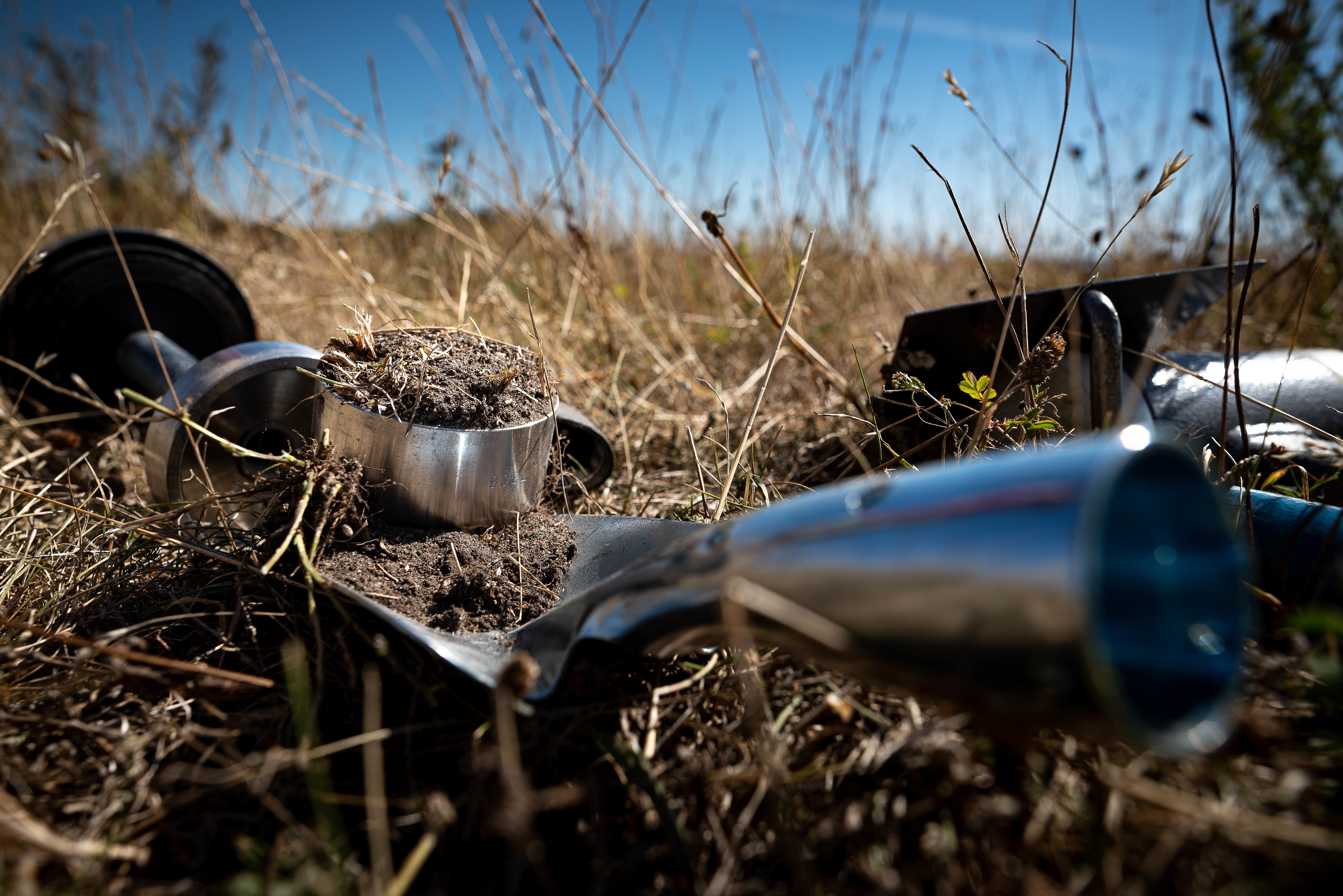
15.06.2023 | Experimental Interaction Ecology, Media Release, TOP NEWS
Holistic management is key to increase carbon sequestration in soils
Report by Dr Gerrit Angst, postdoctoral researcher of the Experimental Interaction Ecology at iDiv, Leipzig University, and the Czech Academy of Sciences and first author: Leipzig/Budweis/Copenhagen. Increased carbon sequestration in soil to help mitigate climate change can only be achieved by a more holistic management. This is the conclusion from our opinion paper conceptualized together with colleagues from the German Centre for Integrative Biodiversity Research (iDiv), Leipzig University, the Czech Academy of Sciences, and the University of Copenhagen. We developed a novel framework that can guide informed and effective management of soils as carbon sinks. The study has recently been published in Nature Communications.
More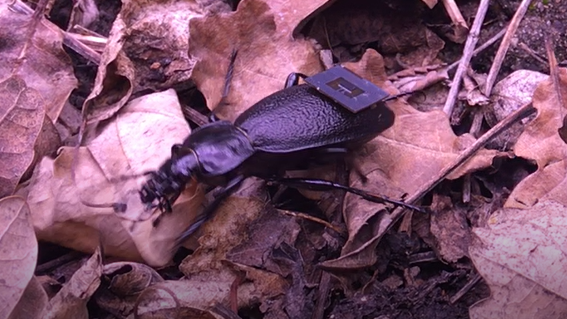
26.04.2023 | iDiv, Media Release, Research, Theory in Biodiversity Science, TOP NEWS
Diverse landscapes help insects cope with heat stress
Leipzig/Jena/Bad Lauchstädt. Global warming is affecting terrestrial insects in multiple ways. In response to increasingly frequent heat extremes, they have to either reduce their activity or seek shelter in more suitable microhabitats. A new study led by researchers from the German Centre for Integrative Biodiversity Research (iDiv) and Friedrich Schiller University Jena shows: The more diverse these microhabitats are, the better for the insects. For their study, published in Global Change Biology, they developed a new approach to accurately track insect movements and activity.
More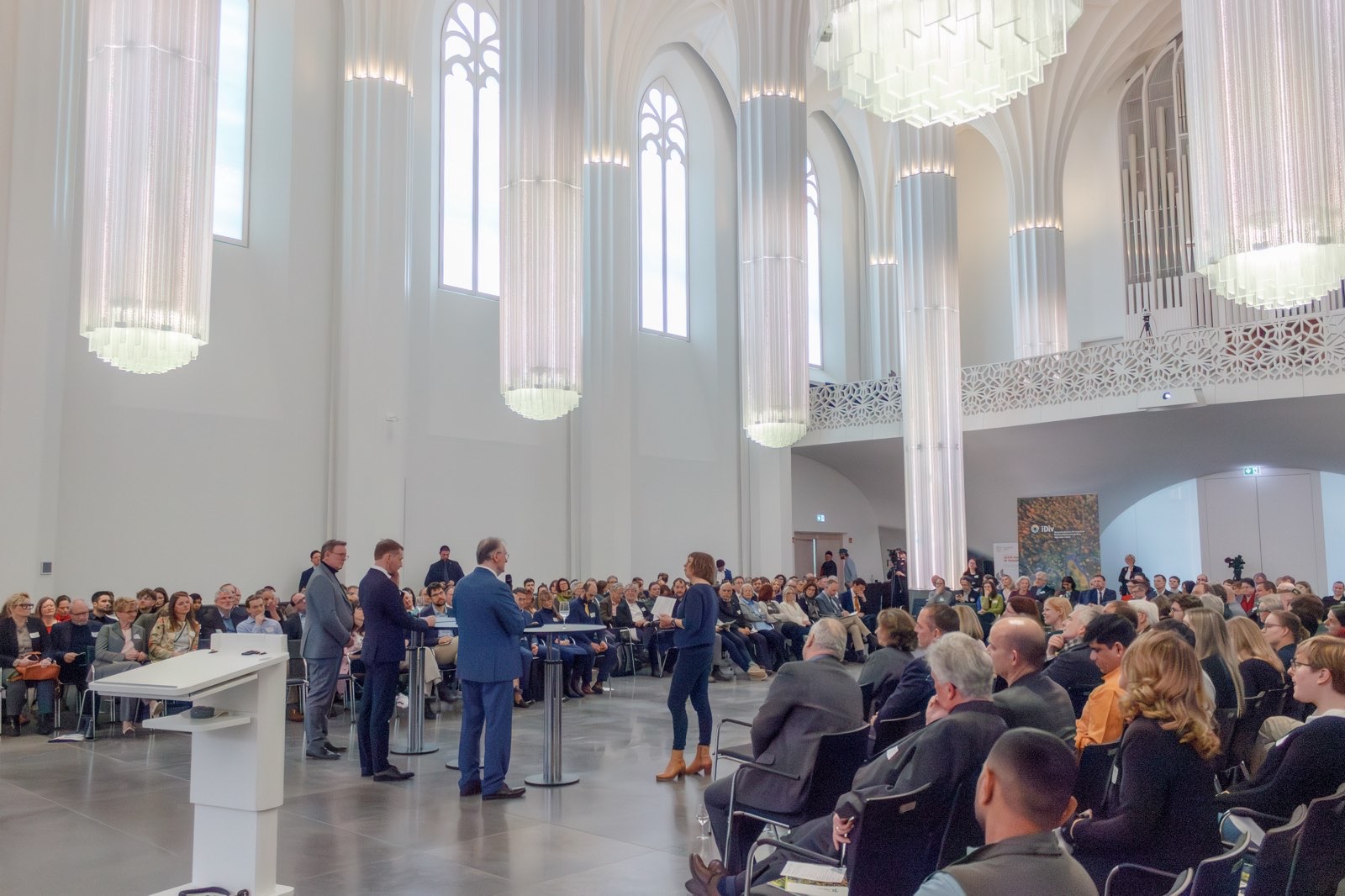
20.04.2023 | iDiv, Media Release, TOP NEWS
iDiv celebrates its 10th anniversary
The German Centre for Integrative Biodiversity Research (iDiv) celebrated its 10th anniversary today with a ceremony in the Leipzig University Paulinum. Over 300 guests from politics, science and civil society took part, including the ministers-president of Saxony, Saxony-Anhalt and Thuringia, Michael Kretschmer, Dr Reiner Haseloff and Bodo Ramelow as well as the Federal Government Commissioner for eastern Germany, Carsten Schneider. They acknowledged the research centre’s important contributions to the protection of biological diversity. In his welcoming message, Federal Chancellor Olaf Scholz stressed the importance of “world-class basic research” for international biodiversity policy.
More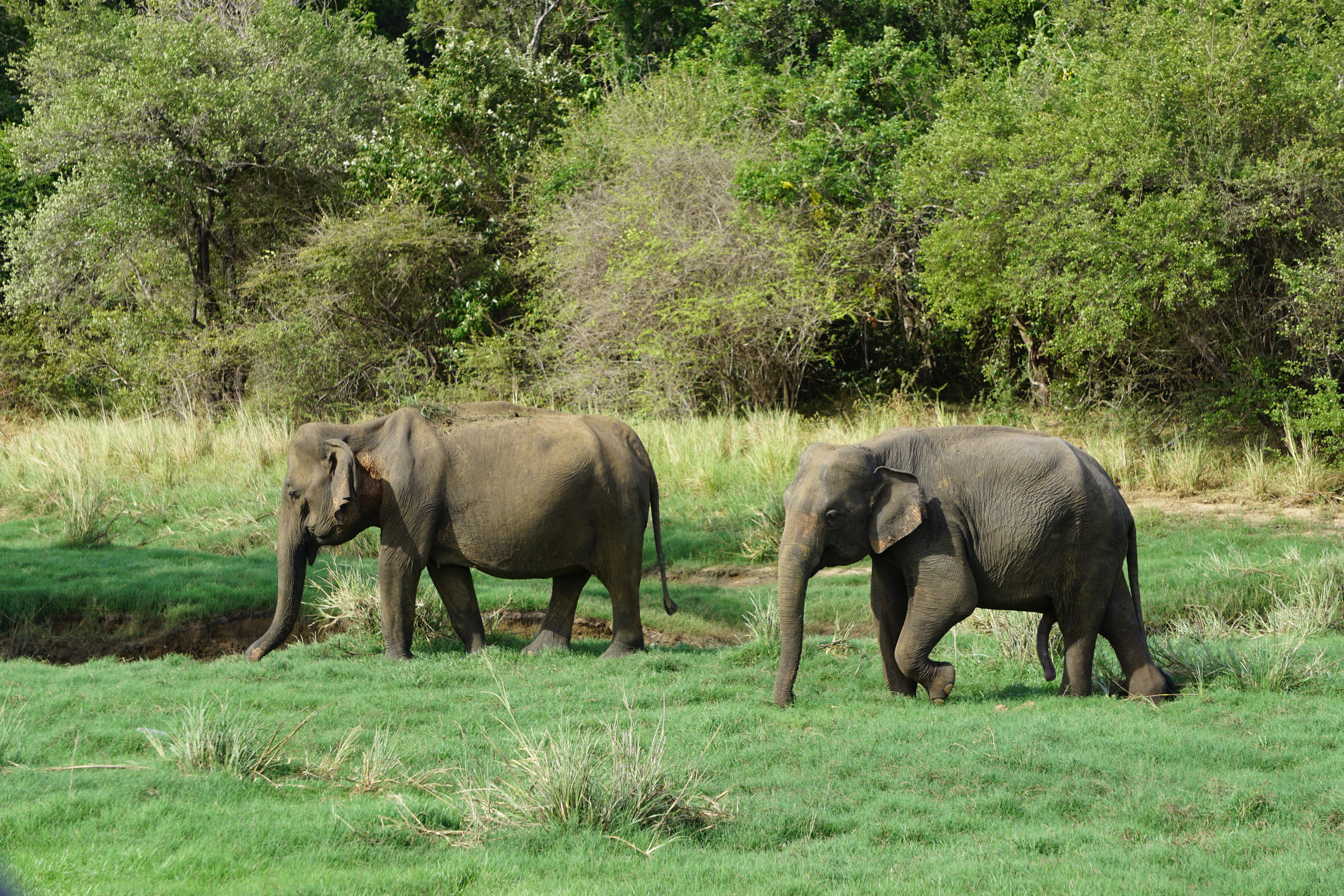
19.04.2023 | iDiv, Media Release, Research, Theory in Biodiversity Science, TOP NEWS
Large animals travel more slowly because they can’t keep cool
Leipzig. Whether an animal is flying, running or swimming, its traveling speed is limited by how effectively it sheds the excess heat generated by its muscles, according to a new study led by Alexander Dyer from the German Centre for Integrative Biodiversity Research (iDiv) and the Friedrich Schiller University Jena, published in the open access journal PLOS Biology.
More
30.03.2023 | Biodiversity Synthesis, iDiv, Media Release, TOP NEWS
New ideas for biodiversity research: ecologist Jonathan Chase receives ERC Advanced Grant
Joint media release of the German Centre for Integrative Biodiversity Research (iDiv) and Martin Luther University Halle-Wittenberg The European Research Council (ERC) announced that Prof. Dr. Jonathan Chase will be awarded one of the prestigious ERC Advanced Grants. The scientist will receive almost 2.5 million euros over the next five years to fund his research project “MetaChange”. With this project, he plans to develop new concepts, tools and analyses for a better understanding of biodiversity and its change. Chase has been conducting research and teaching at the German Centre for Integrative Biodiversity Research (iDiv) and Martin Luther University Halle-Wittenberg (MLU) since 2014.
More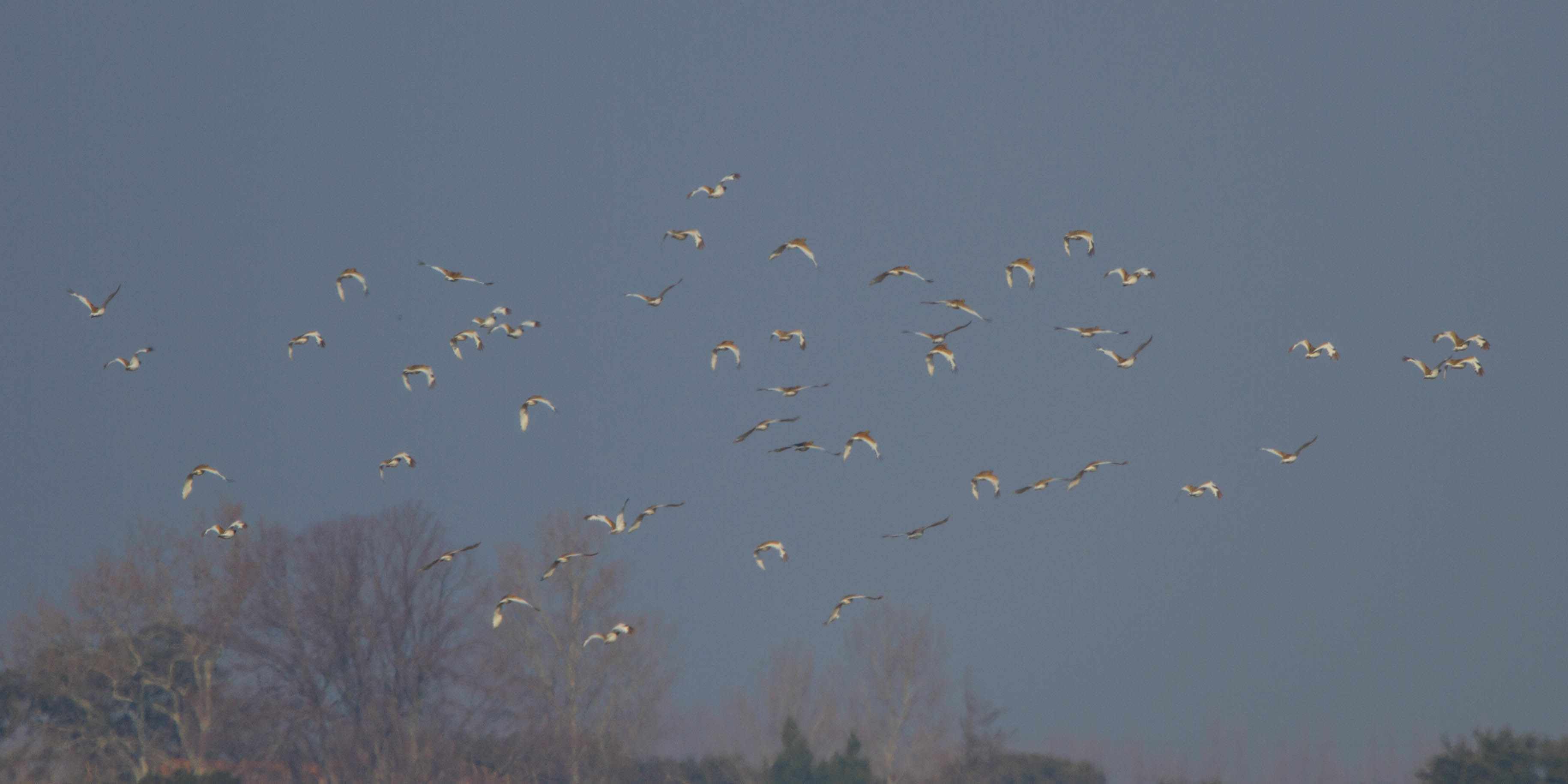
20.03.2023 | Biodiversity Synthesis, iDiv, Media Release, Research, TOP NEWS
Widespread species gaining ground
Leipzig/Halle. Human activities are accelerating biodiversity change and promoting a rapid turnover in species composition. A team of researchers led by the German Centre for Integrative Biodiversity Research (iDiv) and Martin Luther University Halle-Wittenberg (MLU) has now shown that more widespread species tend to benefit from anthropogenic changes and increase the number of sites they occupy, whereas more narrowly distributed species decrease. Their results, which were published in Nature Communications, are based on an extensive dataset of over 200 studies and provide evidence that habitat protection can mitigate some effects of biodiversity change and reduce the systematic decrease of small-ranged species.
More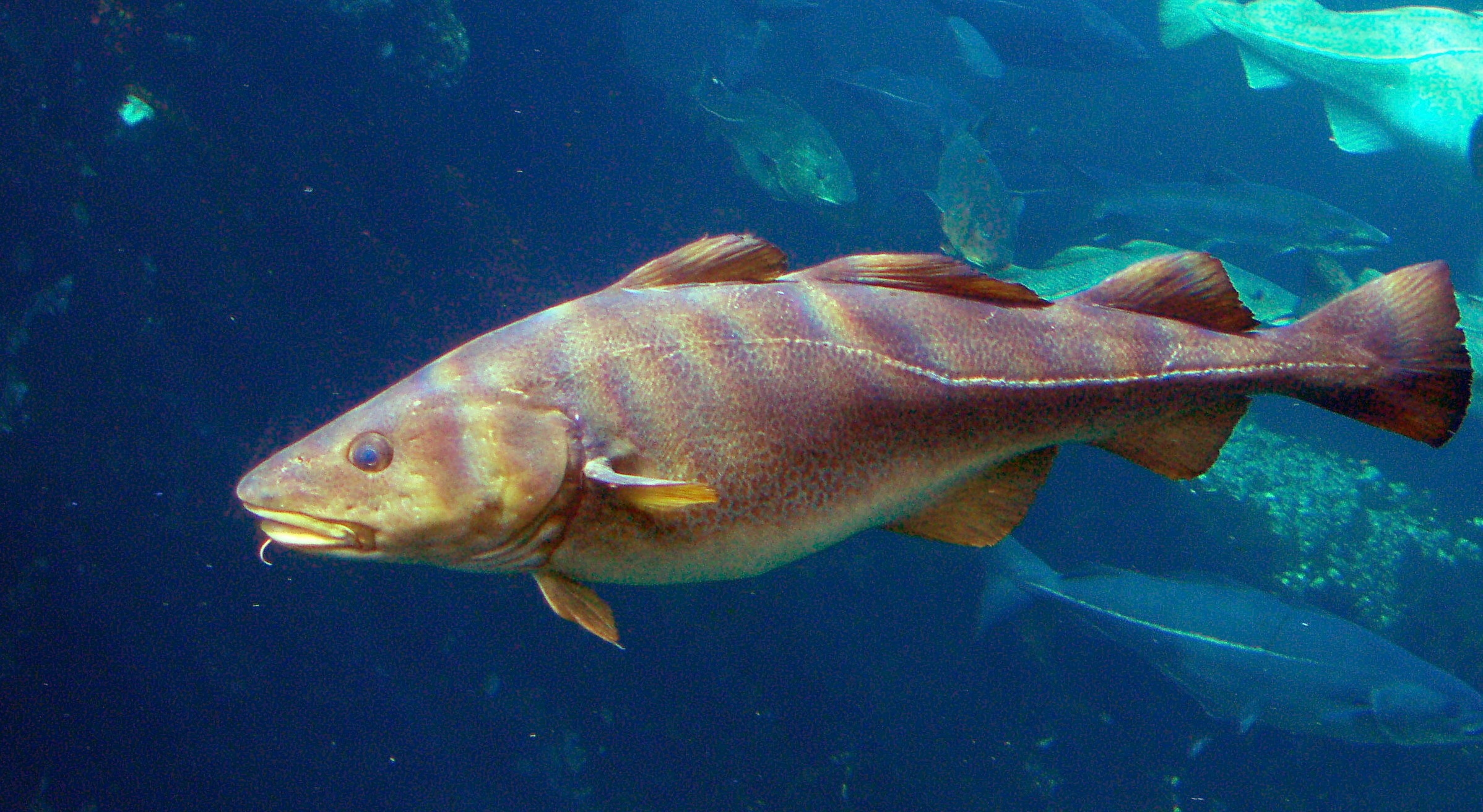
16.03.2023 | Biodiversity Economics, iDiv, Media Release, Research, TOP NEWS
How fishermen benefit from reversing evolution of cod
Leipzig. Intense fishing and overexploitation have led to evolutionary changes in fish stocks like cod, reducing both their productivity and value on the market. These changes can be reversed by more sustainable and far-sighted fisheries management. The new study by researchers from the German Centre for Integrative Biodiversity Research (iDiv), Leipzig University and the Institute of Marine Research in Tromsø, which was published in Nature Sustainability, shows that reversal of evolutionary change would only slightly reduce the profit of fishing, but would help regain and conserve natural genetic diversity.
More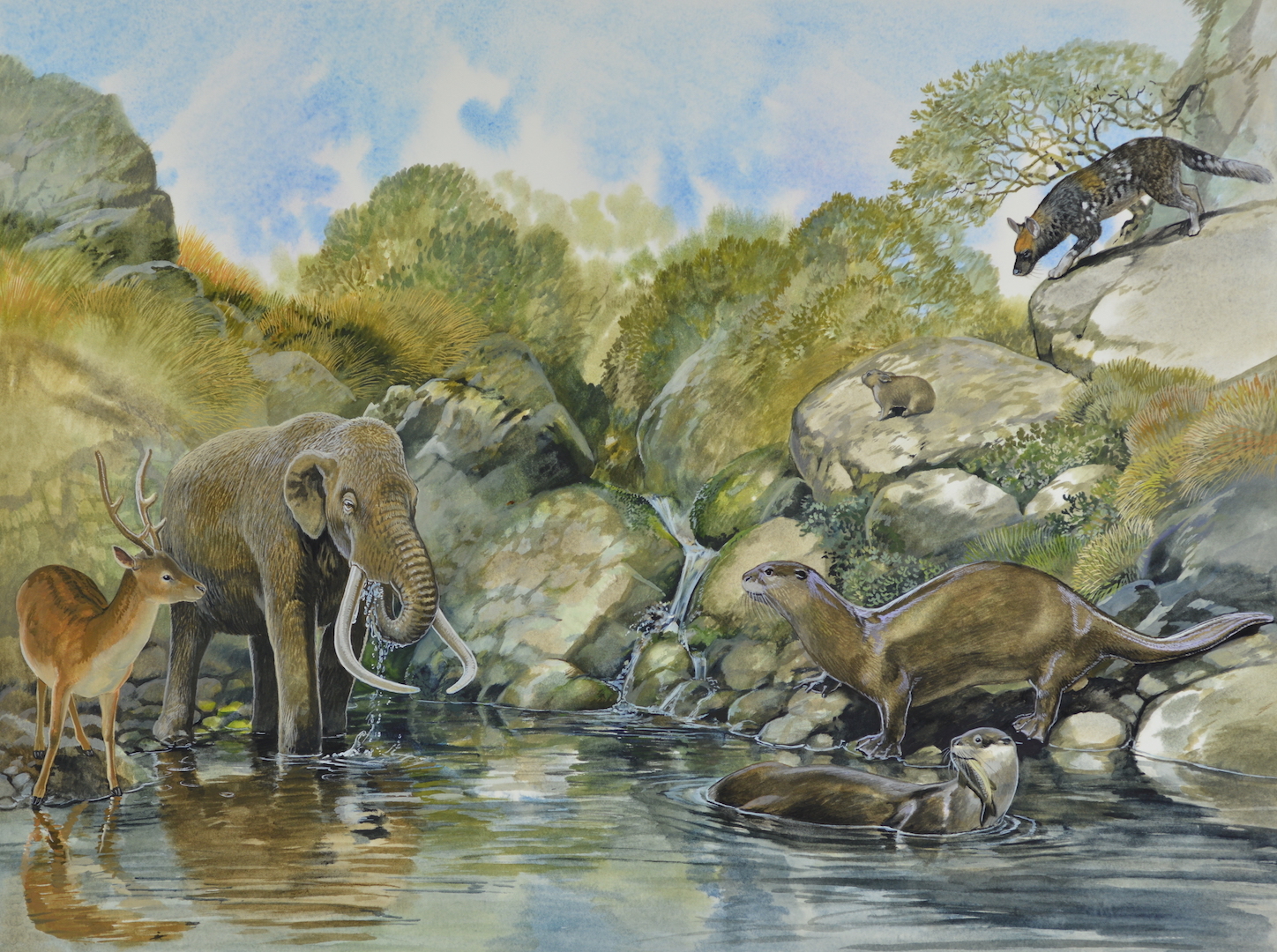
09.03.2023 | Biodiversity Synthesis, iDiv, Media Release, TOP NEWS
Dwarfs and giants on islands more likely to go extinct
Leipzig/Halle. Islands are “laboratories of evolution” and home to animal species with many unique features, including dwarfs that evolved to very small sizes compared to their mainland relatives, and giants that evolved to large sizes. A team of researchers led by the German Centre for Integrative Biodiversity Research (iDiv) and Martin Luther University Halle-Wittenberg (MLU) has now found that species that evolved to more extreme body sizes compared to their mainland relatives have a higher risk of extinction than those that evolved to less extreme sizes. Their study, which was published in Science, also shows that extinction rates of mammals on islands worldwide increased significantly after the arrival of modern humans.
More
09.03.2023 | iDiv Members, Media Release, MLU News, Research, TOP NEWS
Global climate data insufficiently explain composition of local plant species
Based on a media release of Martin Luther University Halle-Wittenberg The global climate influences regional plant growth – but not to the same extent in all habitats. This finding was made by geobotanists at Martin Luther University Halle-Wittenberg (MLU) and members of the German Centre for Integrative Biodiversity Research (iDiv) after analysing over 300,000 European vegetation plots. Their conclusion: No general prediction can be made about the effects of climate change on the Earth’s vegetation; instead, the effects depend to a large degree on local conditions and the habitat under investigation. The findings were published in the renowned journal Nature Communications.
More
07.03.2023 | Media Release, TOP NEWS
Plant roots fuel tropical soil animal communities
Based on a media release by the University of Göttingen Göttingen/Leipzig. Soil animal communities in the tropics are driven by plant roots and the resources derived from them. This is the main finding of a new study of a research team led by the University of Göttingen, the German Centre for Integrative Biodiversity Research (iDiv) and Leipzig University. Millions of small creatures toiling in a single hectare of soil including earthworms, springtails, mites, insects, and other arthropods are crucial for decomposition and soil health. For a long time, it has been believed that leaf litter is the primary resource for these animals. However, this recent study published in the journal Ecology Letters shows that litter doesn’t play any crucial role at all for the tropical soil fauna.
More
01.03.2023 | Biodiversity Conservation, Media Release, TOP NEWS
European conservation leaders gather to boost collective dialogue for a Trans-European Nature Network
Based on a media release by the International Institute for Applied Systems Analysis (IIASA) Brussels, 28 February 2023. More than 70 leading EU policy and governmental decision-makers joined to lay the foundation for a bold new vision for Europe’s nature protection in the first NaturaConnect Stakeholder Event this year. Organised by the Horizon Europe NaturaConnect project, the event welcomed a diverse range of influential stakeholders, from country representatives to European Union delegates and international and European conservation organisations. At the heart of the NaturaConnect project is the goal of supporting the creation of a Trans-European Nature Network (TEN-N) of protected and connected areas that conserve at least 30% of land in the EU and benefit both nature and people. The new project is conducted by international partners from research and environmental organisations, led by the International Institute for Applied Systems Analysis (IIASA), the German Centre for Integrative Biodiversity Research (iDiv) and the Martin-Luther University Halle-Wittenberg (MLU).
More
10.02.2023 | Biodiversity Conservation, Media Release, TOP NEWS
How does biodiversity change globally? Detecting accurate trends may be currently unfeasible
Leipzig/Halle. Existing data are too biased to provide a reliable picture of the global average of local species richness trends. This is the conclusion of an international research team led by the German Centre for Integrative Biodiversity Research (iDiv) and the Martin Luther University Halle-Wittenberg (MLU). The authors recommend prioritising local and regional assessments of biodiversity change instead of attempting to quantify global change and advocate standardised monitoring programmes, supported by models that take measurement errors and spatial biases into account. The study was published in the journal Ecography.
More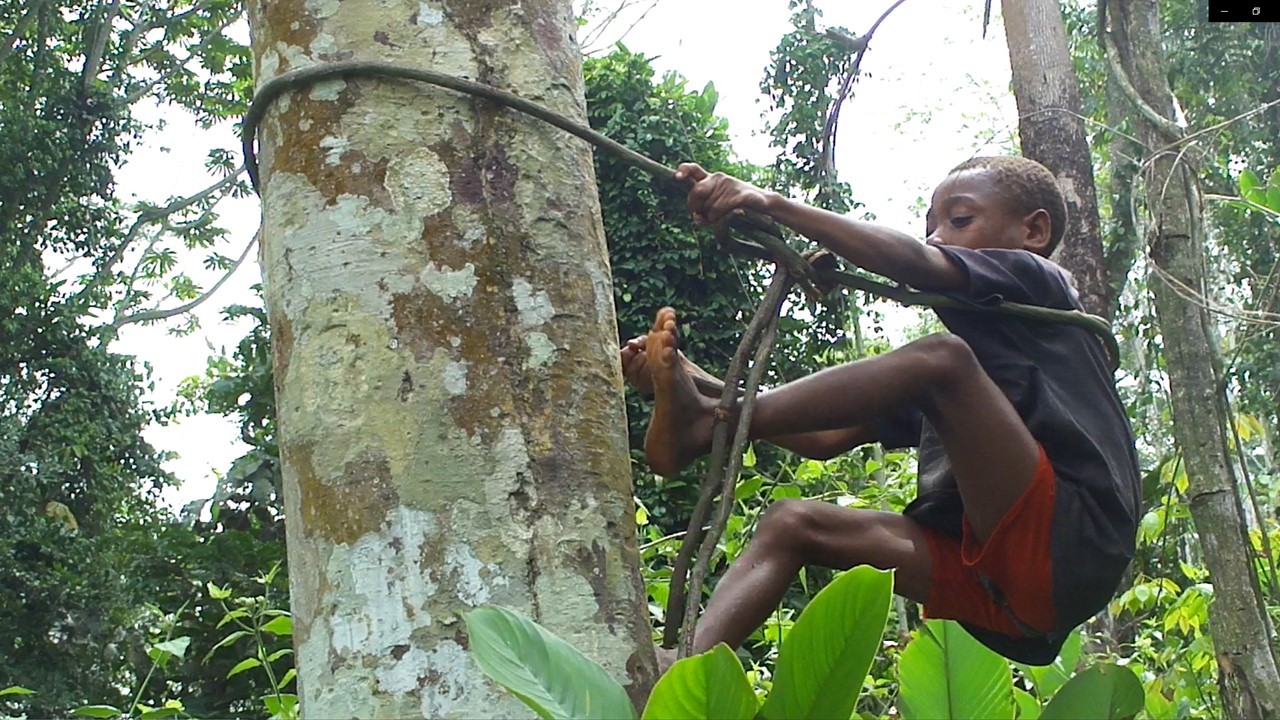
09.02.2023 | Media Release, Molecular Interaction Ecology, Physiological Diversity, TOP NEWS
How could we evolve such a huge brain?
Based on a media release by the University of Amsterdam Amsterdam/Leipzig/Jena. A new study, published in the journal Frontiers in Ecology and Evolution, investigated the foraging behaviour of children in a present-day forager society. Already from an early age, there was a gender-specific development of foraging skills. These new findings, combined with the high level of food sharing in forager societies, support the embodied capital theory, offering an explanation for the substantially larger brains in humans. Foraging skills could have provided humans with a more stable energy and nutrient supply, which may ultimately have enabled large resource investments into the brain. The research was led by the University of Amsterdam (UvA), the German Centre for Integrative Biodiversity Research (iDiv), the Max Planck Institute for Evolutionary Anthropology, the Helmholtz Centre for Environmental Research (UFZ), and the Friedrich Schiller University Jena.
More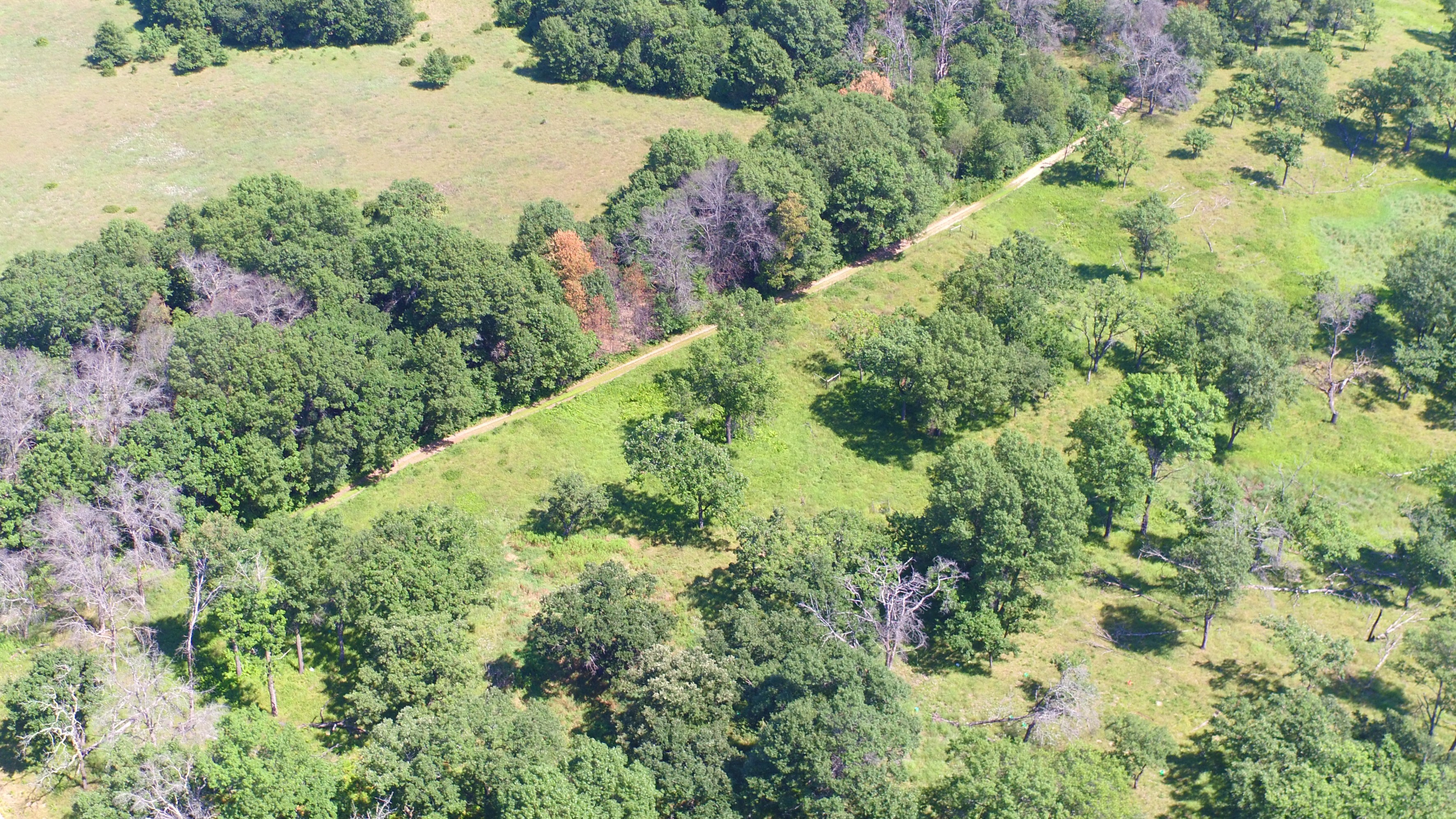
07.02.2023 | Biodiversity Synthesis, Media Release, Physiological Diversity, TOP NEWS
Plant diversity may never fully recover from agriculture without a helping hand
Leipzig/Minnesota. Agriculture is considered a major disturbance for ecological systems – the recovery of degraded or formally used agricultural land might take a long time. However, without any active restoration interventions, this recovery can take an exceedingly long time and is often incomplete, as shown by a team of researchers led by the German Centre for Integrative Biodiversity Research (iDiv), Leipzig University (UL), Martin Luther University Halle-Wittenberg (MLU) and the Helmholtz Centre for Environmental Research (UFZ). Their study, which was published in the Journal of Ecology, sheds light on the recovery process at different scales in former agricultural sites, pointing to specific restoration interventions that could help biodiversity to recovery.
More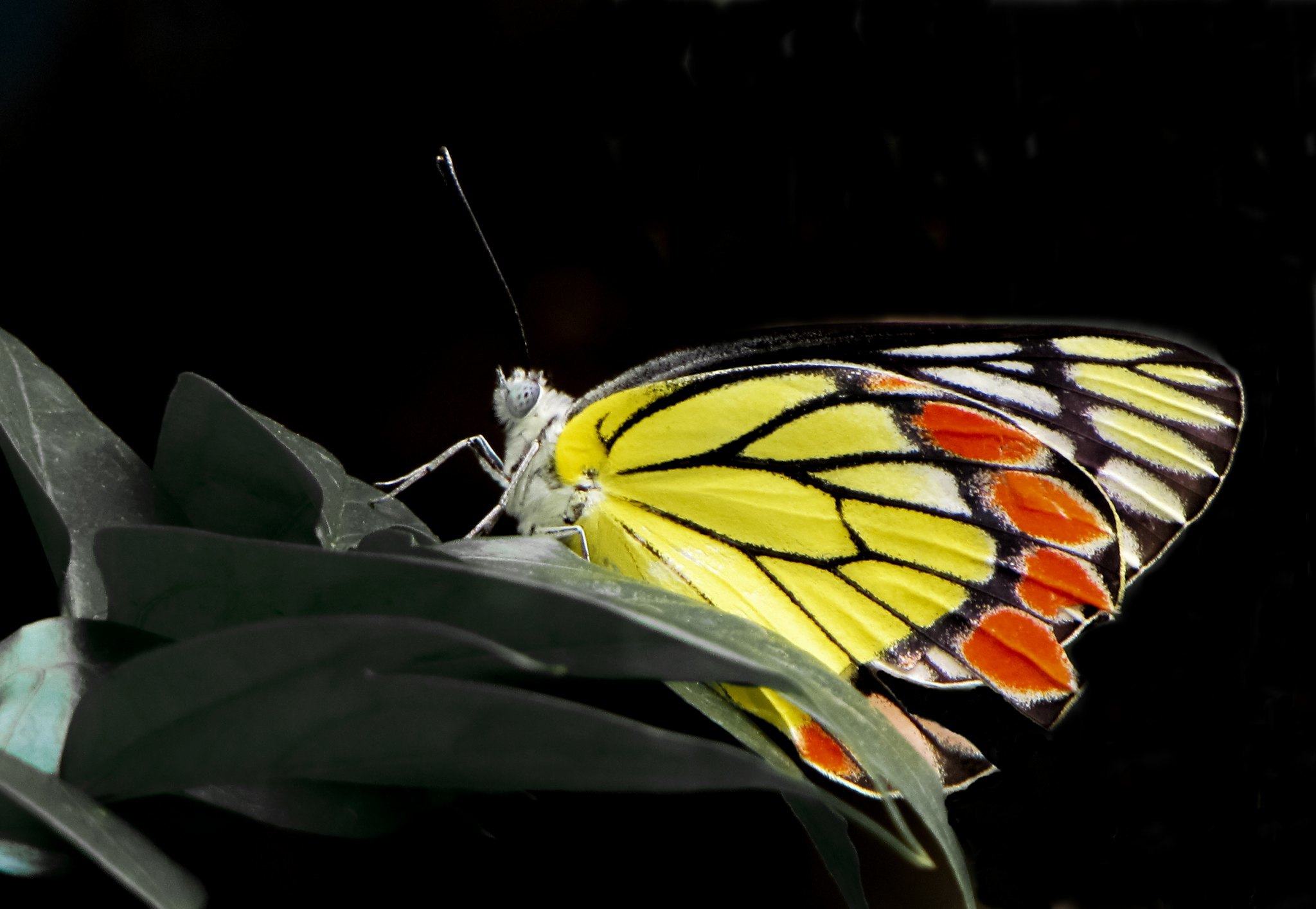
01.02.2023 | Biodiversity and People, Media Release, TOP NEWS
76 per cent of assessed insect species not adequately covered by protected areas
Leipzig/Jena. Insect numbers have been declining over the past decades in many parts of the world. Protected areas could safeguard threatened insects, but a team of researchers led by the German Centre for Integrative Biodiversity Research (iDiv), the Helmholtz Centre for Environmental Research (UFZ), the Friedrich Schiller University Jena and the University of Queensland now found that 76 per cent of globally assessed insect species are not adequately covered by protected areas worldwide. In the journal One Earth, the researchers encourage decision-makers to give more consideration to the by far biggest species group in implementing the new goals of the UN Convention on Biological Diversity.
More
17.01.2023 | iDiv, Media Release, TOP NEWS
Implementing global biodiversity targets in Germany – with support from research
Berlin. Implementation of the recently agreed UN nature conservation targets will only succeed if all stakeholders – from policy and practice, civil society, business and science – work together. Science provides the knowledge base for effective action, thus playing a key role in the implementation of these global objectives. This was the tenor of discussion at the parliamentary evening on 17 January in the State Representation of Saxony-Anhalt in Berlin, to which the German Centre for Integrative Biodiversity Research (iDiv) and the Saxony-Anhalt Ministry of Science, Energy, Climate Protection and the Environment had invited. The scientists call for a high-level national biodiversity council as an essential element in making the conservation of biological diversity a core political issue across all relevant ministries.
More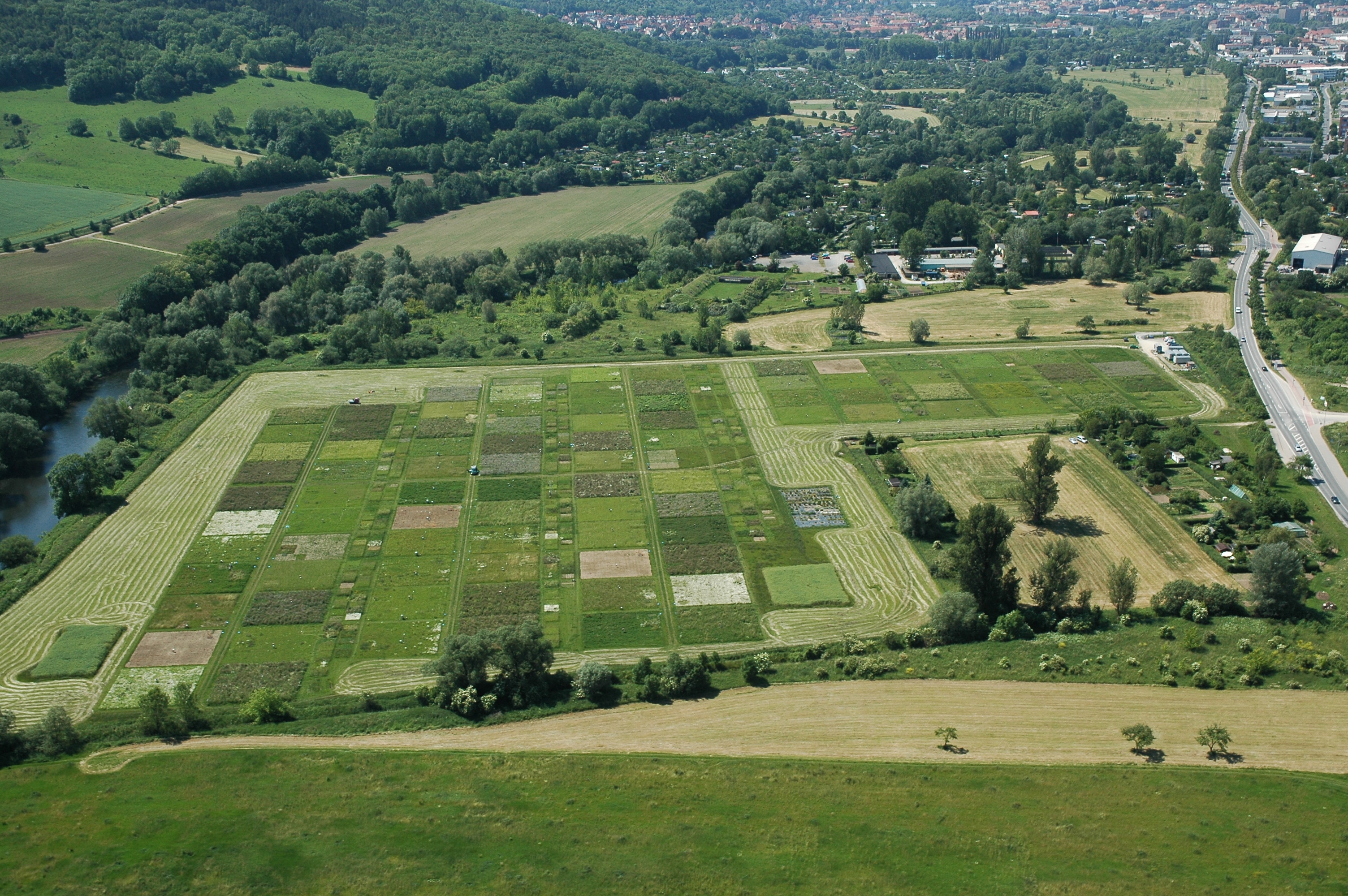
13.01.2023 | Experimental Interaction Ecology, iDiv, Media Release, Research, TOP NEWS
Grassland ecosystems become more resilient with age
Based on a media release of the University of Zurich Zurich/Leipzig. Recent experiments have shown that the loss of species from a plant community can reduce ecosystem functions and services such as productivity, carbon storage and soil health. With the loss of functioning the ecosystem may also become destabilized in its ability to maintain ecosystem functions and services in the long-term. However, assessing this is only possible if experiments can be maintained for a sufficient length of time.
More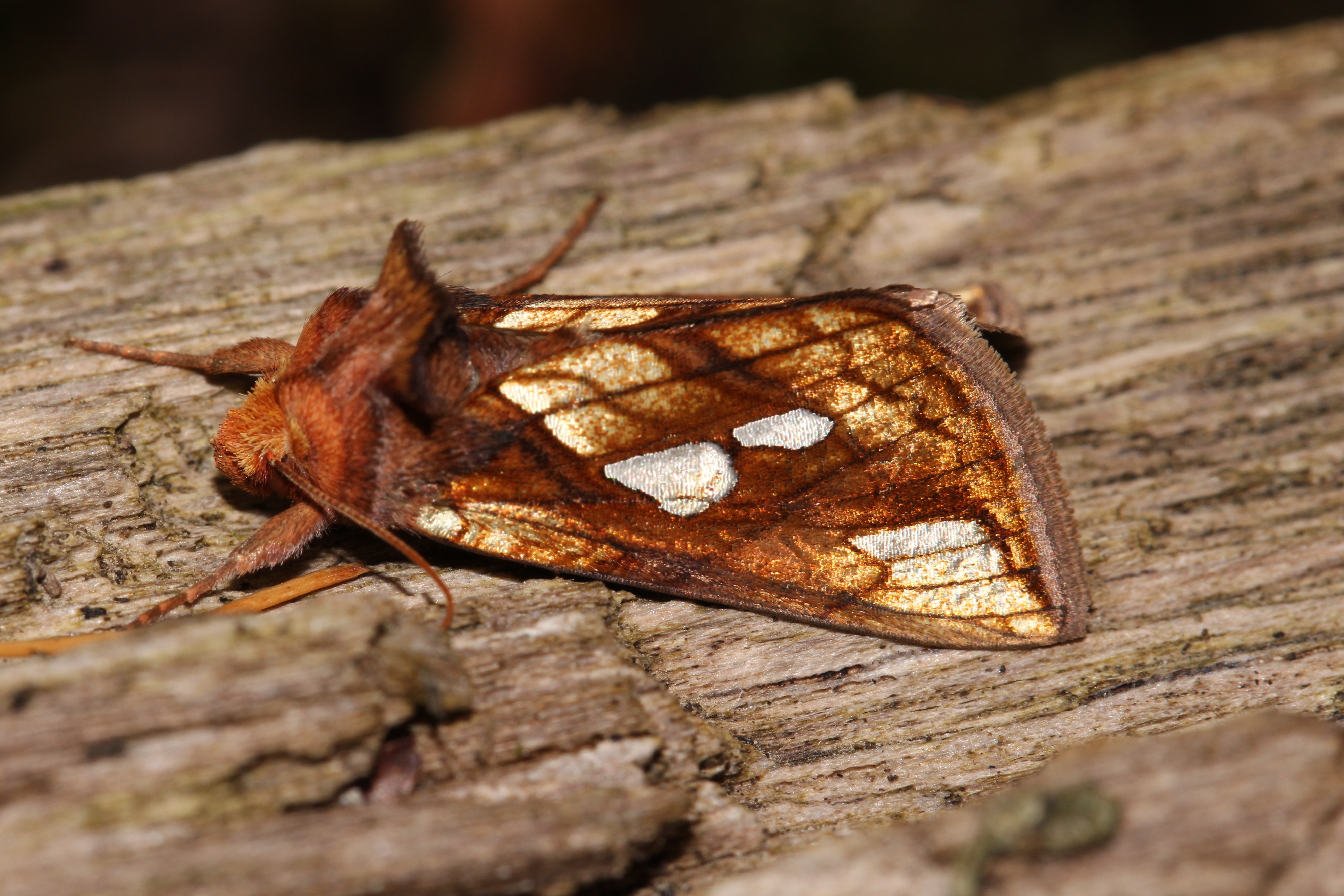
03.01.2023 | Media Release, Species Interaction Ecology, TOP NEWS, UFZ-News
Fewer moths, more flies
In the far north of the planet, climate change is clearly noticeable. A new study in Finland now shows that in parallel there have been dramatic changes in pollinating insects. Researchers from the Martin Luther University Halle-Wittenberg (MLU), the Helmholtz Centre for Environmental Research (UFZ), and the German Centre for Integrative Biodiversity Research Halle-Jena-Leipzig (iDiv) have discovered that the network of plants and their pollinators there has changed considerably since the end of the 19th century. As the scientists warn in an article published in Nature Ecology & Evolution, this could lead to plants being pollinated less effectively. This, in turn, would adversely affect their reproduction.
More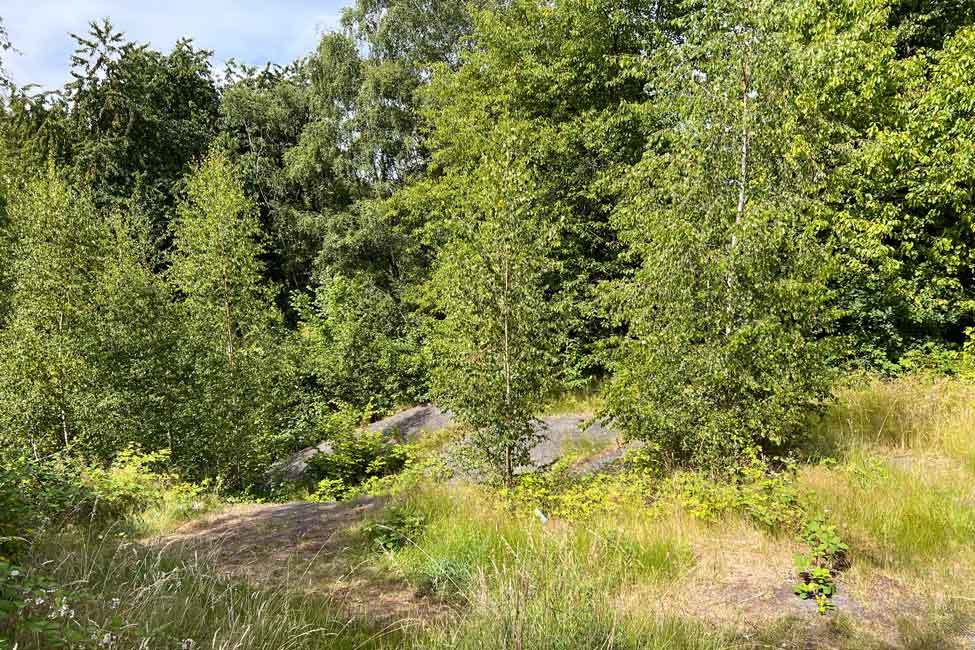
02.01.2023 | Biodiversity Conservation, TOP NEWS
wildE: Restoring wild habitats in Europe against climate change
Based on a media release by INRAE Cestas/Halle. Terrestrial ecosystems throughout Europe face the twin threats of climate change and the loss of biodiversity. “Rewilding” could be an important ecological restoration solution to mitigate both of these issues, but up to now, it is mostly restricted to local initiatives scattered across the continent focussing on biodiversity objectives alone. The wildE project aims to assess the synergies between climate change mitigation, adaptation and biodiversity and thus to improve the potential of climate-smart rewilding as a nature-based solution for ecological restoration in Europe. wildE is funded by the EU Horizon programme and coordinated by the French National Research Institute for Agriculture, Food and Environment INRAE with the participation of the German Centre for Integrative Biodiversity Research (iDiv) and the Martin Luther University Halle-Wittenberg.
More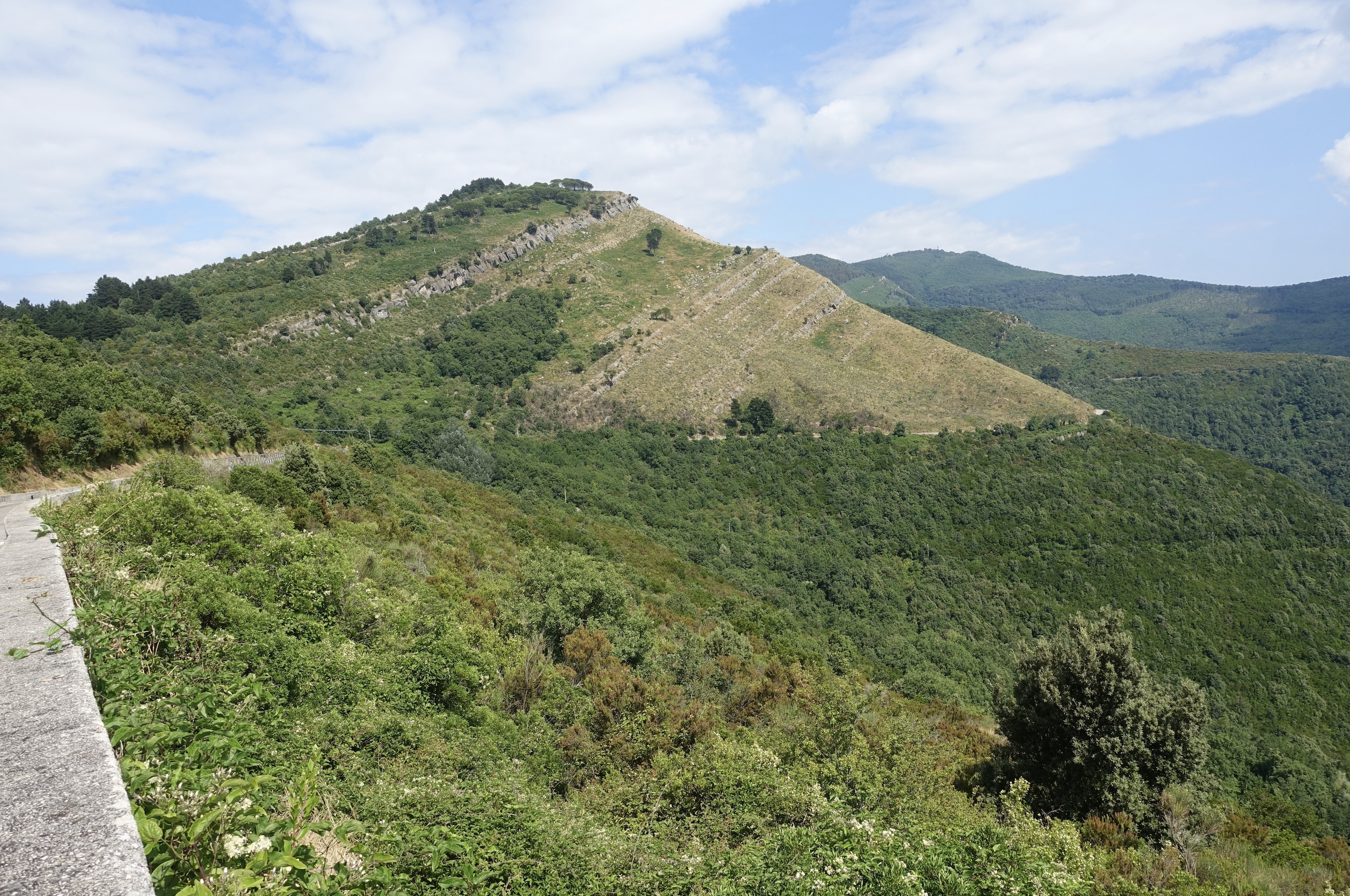
15.12.2022 | iDiv Members, TOP NEWS
Identification of groundwater-dependent vegetation via satellites
Report by Léonard El-Hokayem (doctoral researcher at MLU and iDiv) Halle. Groundwater in (semi)-arid regions plays a key role in sustaining important terrestrial ecosystems, providing drinking water and supporting agriculture. We developed a new multi-instrument framework to identify groundwater-dependent vegetation (GDV) in these regions. Therefore, a combination of satellite images and other environmental data got tested and validated in a Mediterranean study area in Southern Italy. The developed concept was recently published in Ecological Indicators. It allows for the identification and study of vegetation that relies on groundwater, and thus can help protect these biodiversity hotspots and the ecosystem services they provide.
More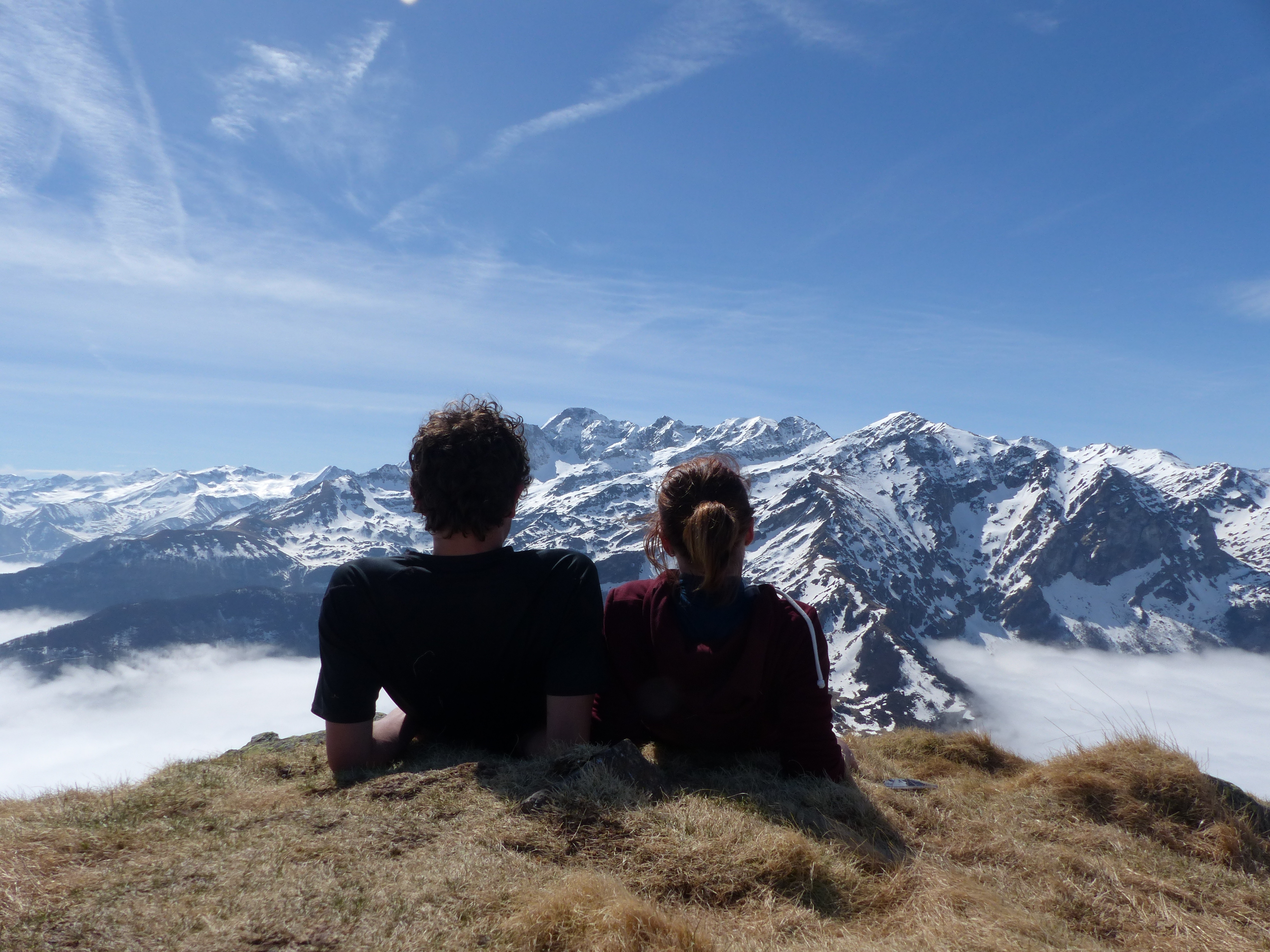
14.12.2022 | Macroecology and Society, Media Release, sDiv, TOP NEWS
Humans and nature: The distance is growing
Joint media release by iDiv and Leipzig University Leipzig/Moulis. Humans are living further and further away from nature, leading to a decline in the number of our interactions with nature. This is the finding of a meta-study conducted by a Franco-German research team at the German Centre for Integrative Biodiversity Research (iDiv), Leipzig University and the Theoretical and Experimental Ecology Station (SETE – CNRS). The researchers highlight that human experience of nature is crucial for developing pro-environmental behaviour and thus facing the global environmental crisis. The study has been published in Frontiers in Ecology and the Environment.
More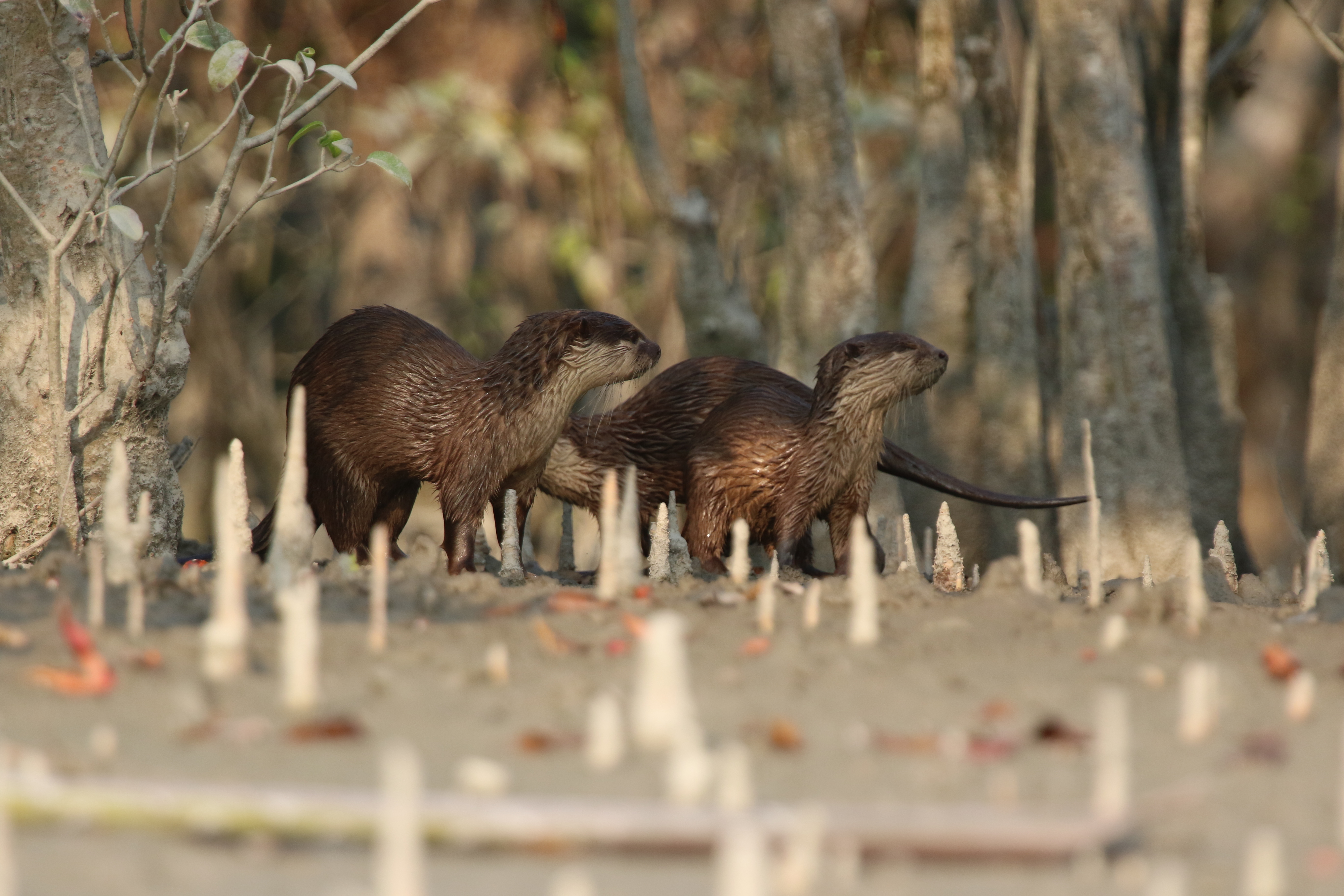
12.12.2022 | Biodiversity Conservation, iDiv, Media Release, TOP NEWS
A novel and efficient method for monitoring Asian otters
South-east Asia is a melting pot of otters that are very difficult to monitor in the wild. We developed and tested a novel, accurate, and affordable DNA-based method to reliably identify three endemic Asian otter species in a paper published today in Ecology and Evolution. The protocol developed by our team of South Asian researchers from the Malaysian Nature Society, Sunway University, Department of Wildlife and National Parks (PERHILITAN), Peninsular Malaysia, Martin Luther University Halle-Wittenberg, and the German Centre for Integrative Biodiversity Research (iDiv) will help in monitoring and conservation of threatened otter species in Asia. We also highlight the importance and need of cost-effective and replicable techniques to advance biodiversity monitoring in highly biodiverse yet under-represented parts of the world.
More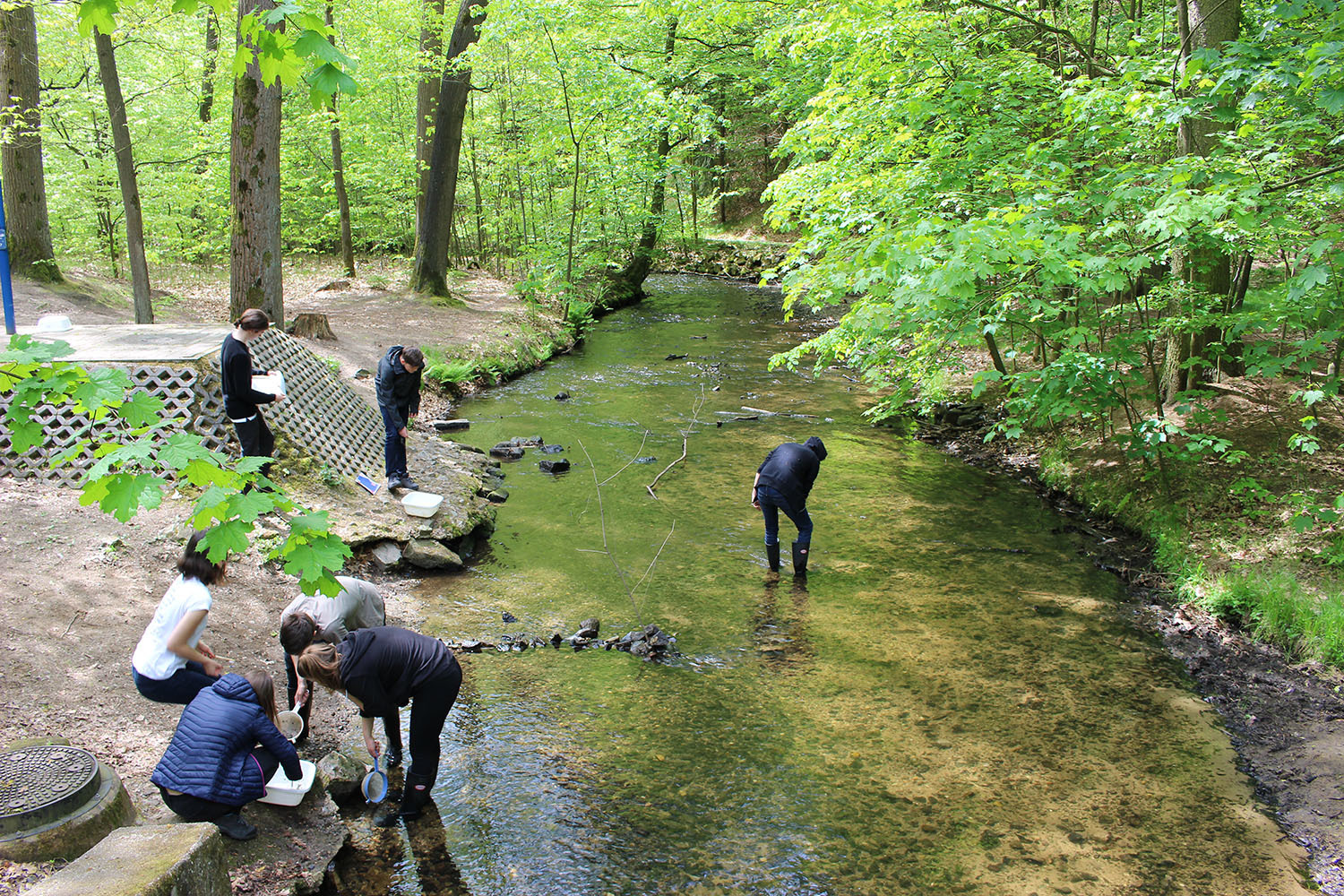
08.12.2022 | Biodiversity and People, iDiv, Media Release, Research, TOP NEWS, UFZ-News
Valid Data from Citizen Science
More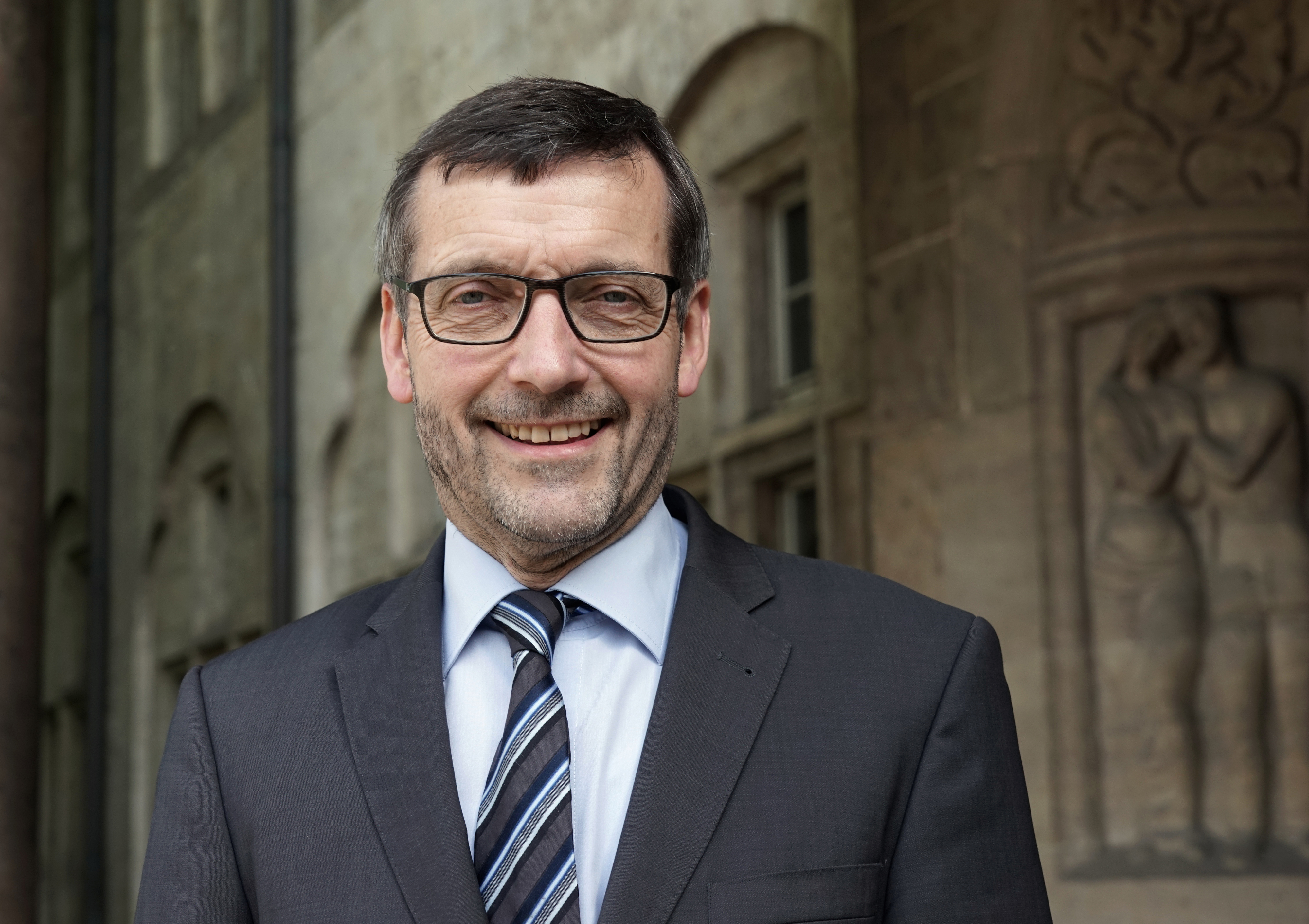
01.12.2022 | TOP NEWS
Award for Prof. Walter Rosenthal
Jena. The President of the Friedrich Schiller University Jena, Prof. Walter Rosenthal, has been named “University Manager of the Year 2022”. Rosenthal has been Chair of the iDiv Board of Trustees since 2018.
More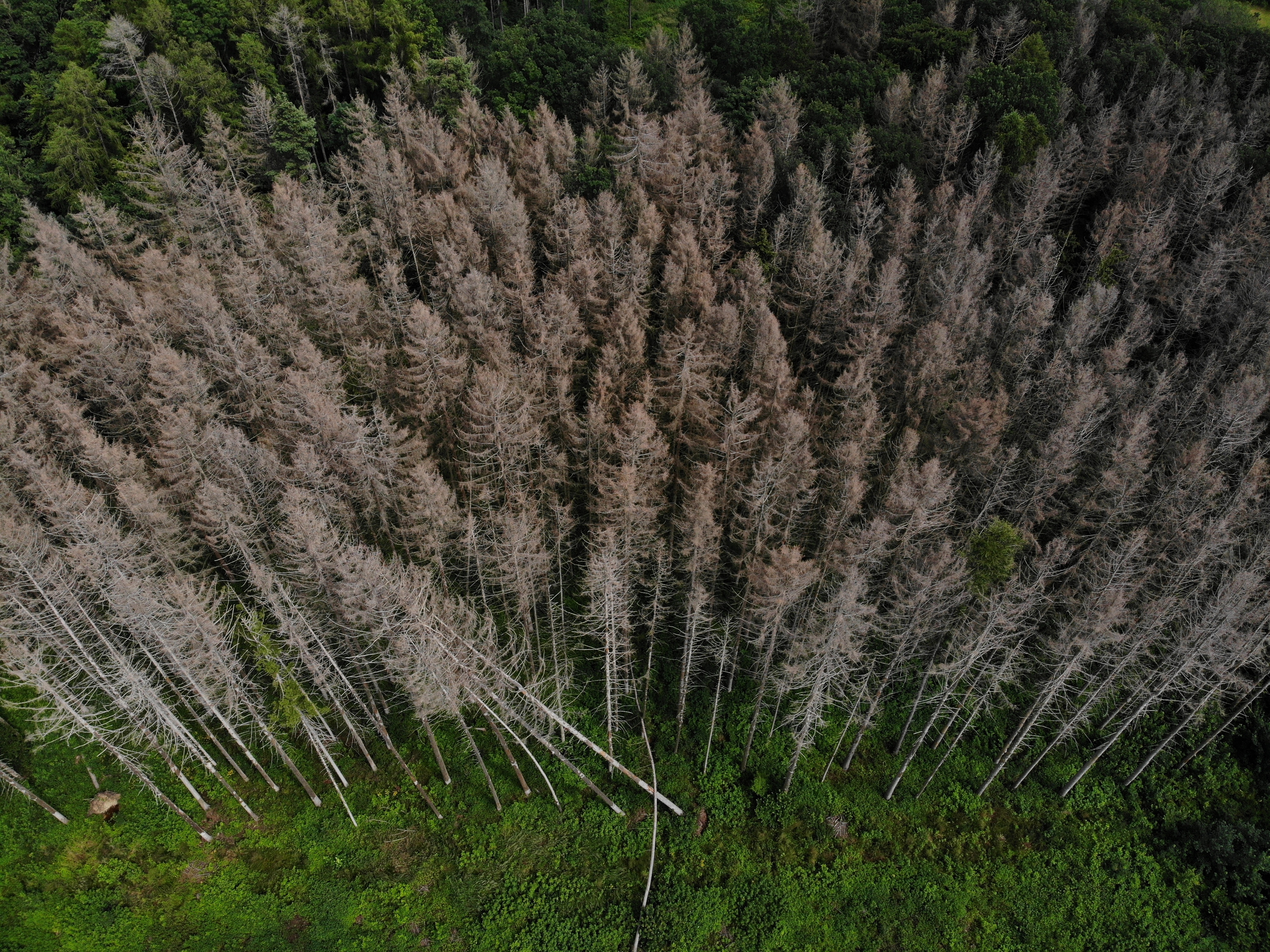
30.11.2022 | iDiv, iDiv Members, TOP NEWS
Biodiversity under climate extremes: Patient and Healer
Leipzig. The world is experiencing two megatrends: Climate extremes are increasing in magnitude and frequency while biodiversity is declining. Writing in Nature, researchers from Leipzig University and the German Centre for Integrative Biodiversity Research (iDiv) with collaborators across Europe, express concern that these two trends can mutually exacerbate each other. The researchers call for a new research agenda emphasizing the interconnecting risks of climate extremes and biodiversity decline.
More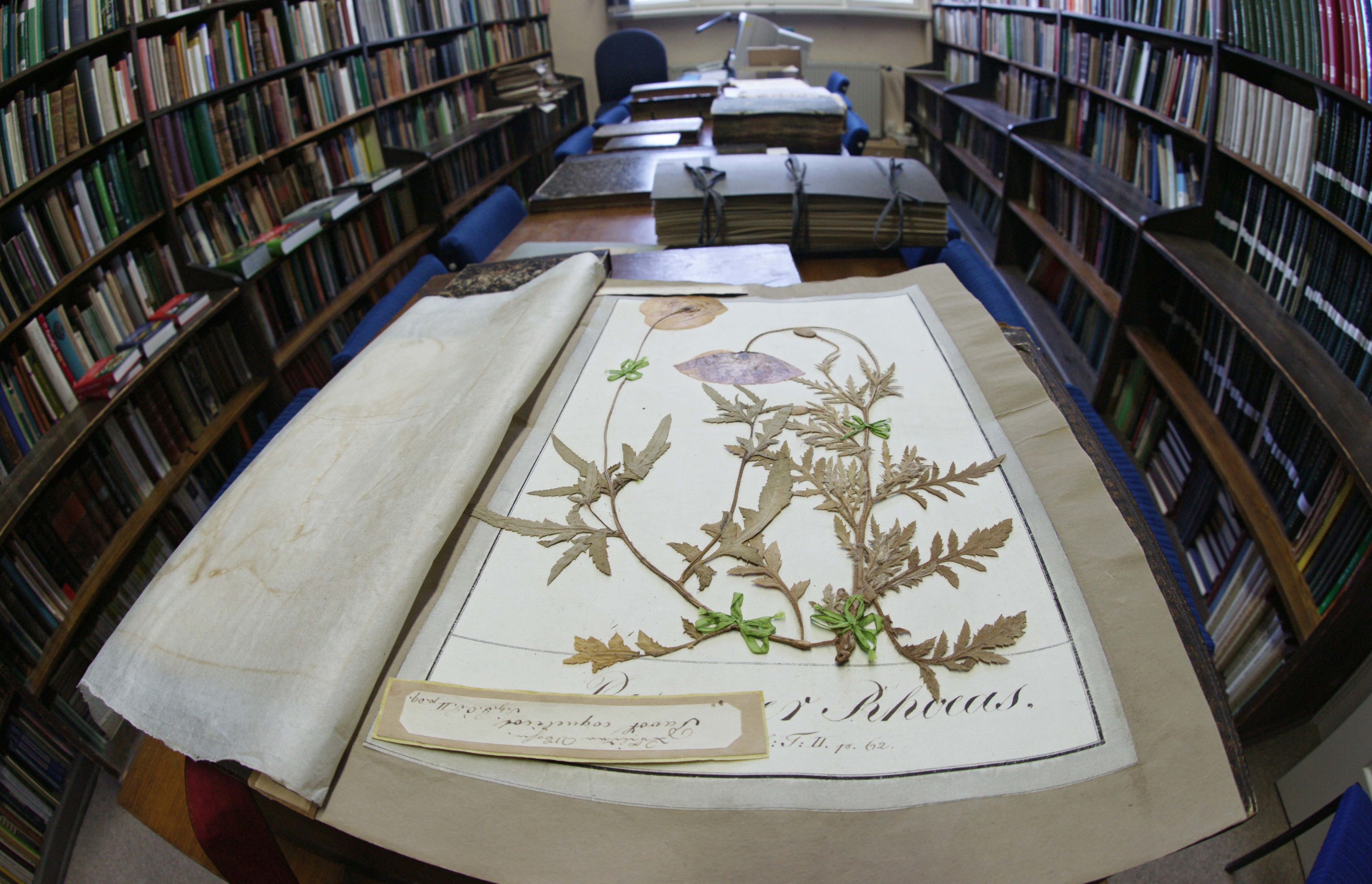
27.11.2022 | iDiv Members, Media Release, TOP NEWS
New Senckenberg Institute to be established in Jena
More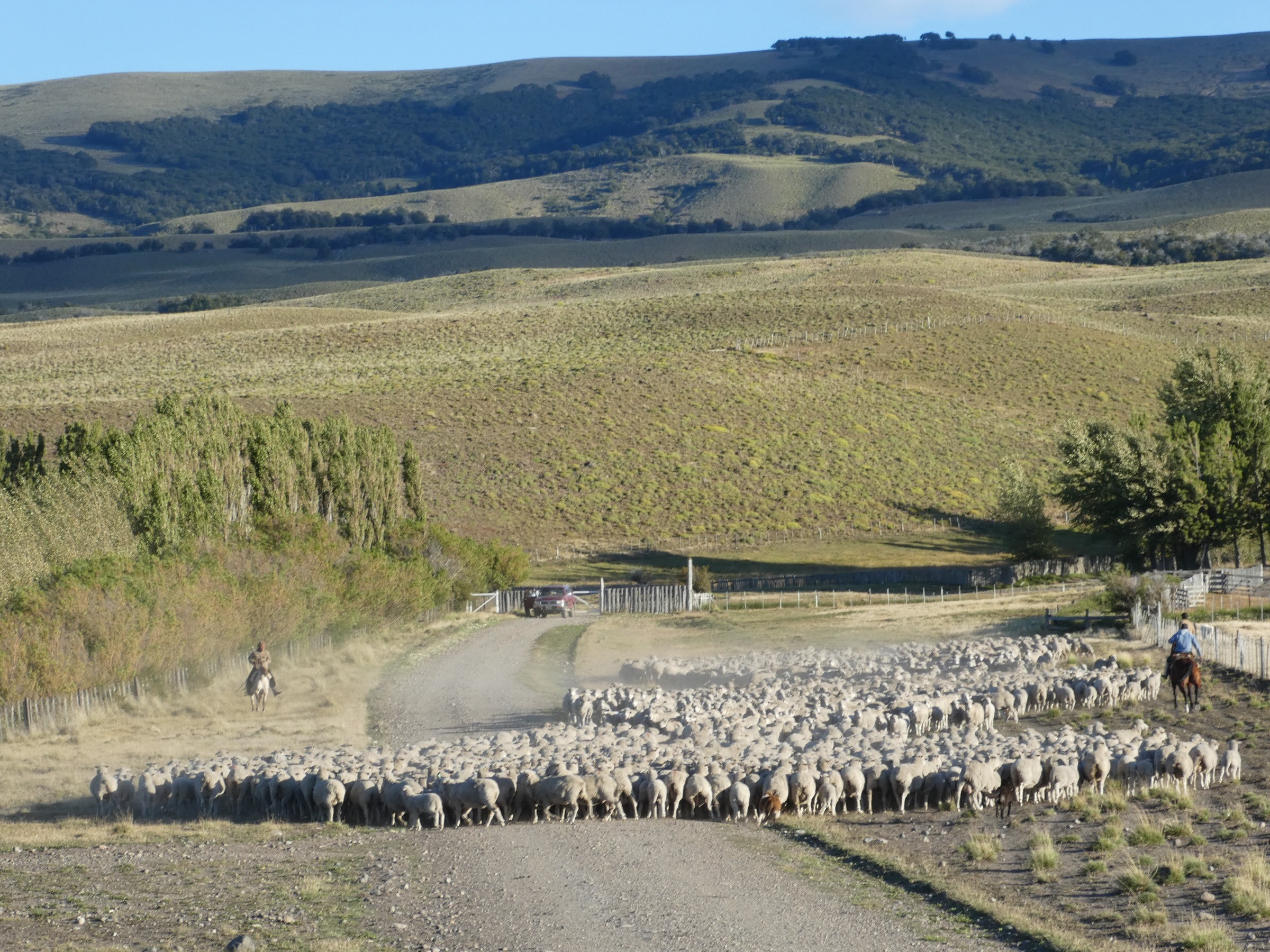
24.11.2022 | iDiv, Research, TOP NEWS
Increased grazing pressure threatens the most arid rangelands
Based on a media release of the University of Alicante Grazing can have positive effects on ecosystem services, particularly in species-rich rangelands. However, these effects turn to negative under a warmer climate. This was found by a team of researchers led by the University of Alicante (UA) and with participation of the German Centre for Integrative Biodiversity Research (iDiv). The study, which was published in Science, reports results from the first-ever global field assessment of the ecological impacts of grazing in drylands.
More
15.11.2022 | TOP NEWS
Highly Cited Researchers 2022
Clarivate Analytics lists seven iDiv members in its 2022 selection of “Highly Cited Researchers”. According to Clarivate Analytics, these scientists have demonstrated significant influence through the publication of multiple papers, highly cited by their peers, during the last decade.
More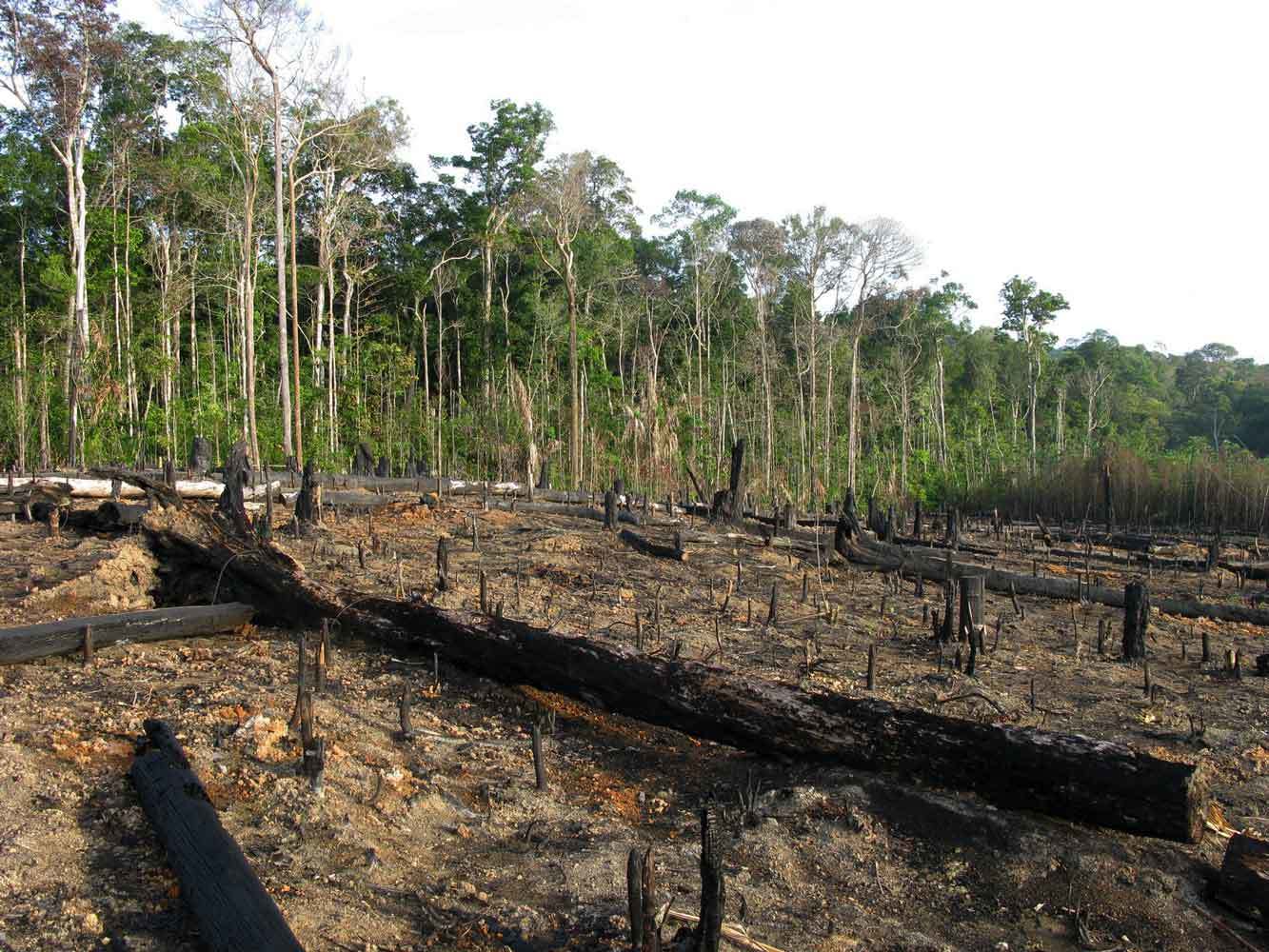
10.11.2022 | iDiv Members, Media Release, TOP NEWS
Deforestation and grassland conversion are the biggest causes of biodiversity loss
Based on a media release by Natural History Museum London Luxembourg/London/Halle. The conversion of natural forests and grasslands to agriculture and livestock is the biggest cause of global biodiversity loss. The next biggest drivers are the exploitation of wildlife through fishing, logging, trade and hunting – and then pollution. Climate change ranks fourth on land so far but second in oceans. This is the main result of an international study led by researchers from Universidad Nacional de Córdoba (UNC) in Argentina, Helmholtz Centre for Environmental Research (UFZ), German Centre for Integrative Biodiversity Research (iDiv) and the Natural History Museum London. The study, published in Science Advances, demonstrates that fighting climate change alone will not be enough to prevent the further loss of biodiversity.
More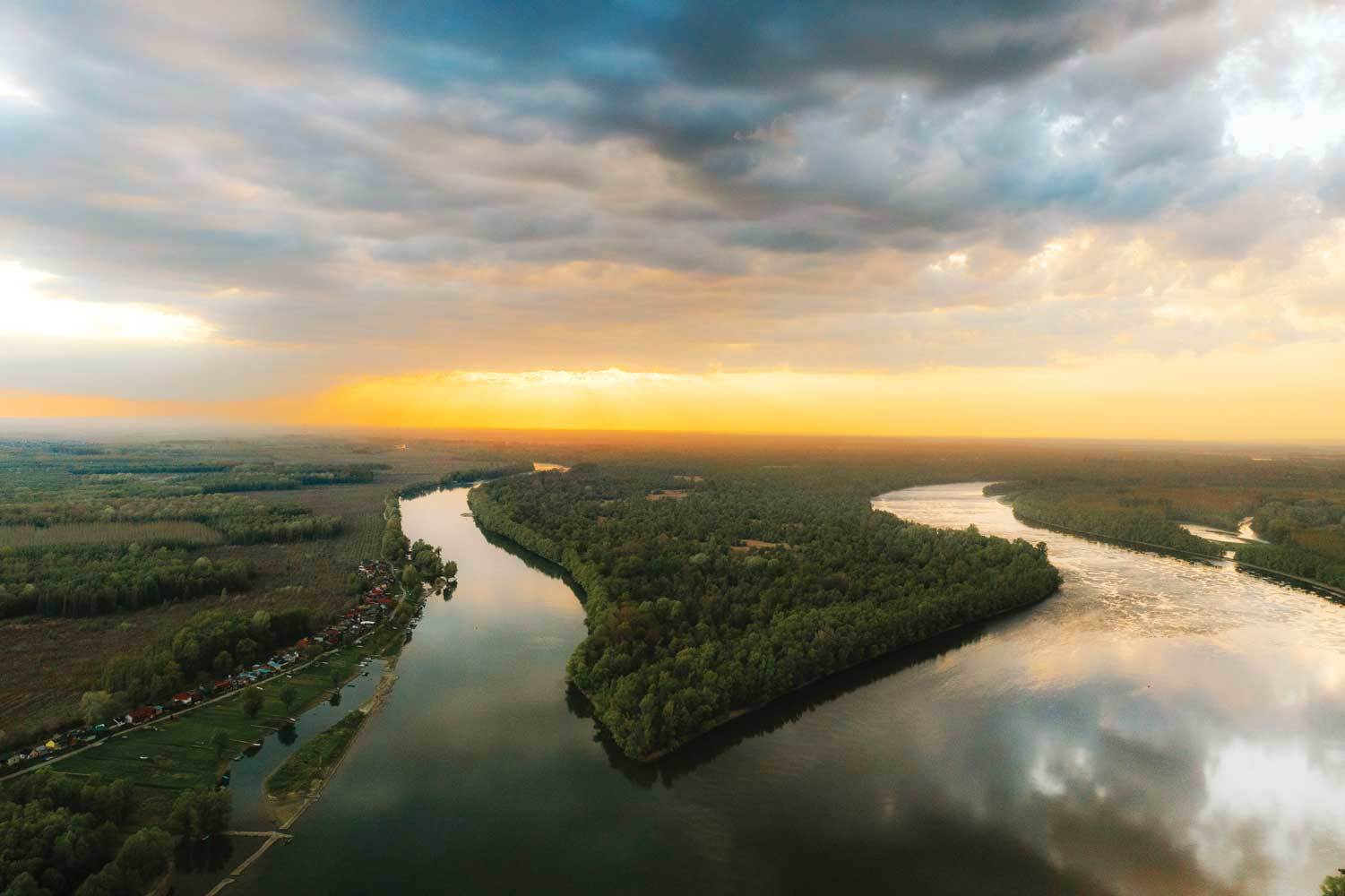
10.11.2022 | Biodiversity Conservation, Media Release, TOP NEWS
Protecting and connecting nature across Europe
Based on a media release by the International Institute for Applied Systems Analysis (IIASA) Vienna/Leipzig. Europe needs healthy ecosystems that benefit biodiversity and people and are resilient to climate change. The Horizon Europe NaturaConnect Project will support European Union governments and other public and private institutions in designing a coherent, resilient and well-connect Trans-European Nature Network. The new project is conducted by international partners from research and environmental organisations, led by the International Institute for Applied Systems Analysis (IIASA), the German Centre for Integrative Biodiversity Research (iDiv) and the Martin-Luther University Halle-Wittenberg (MLU).
More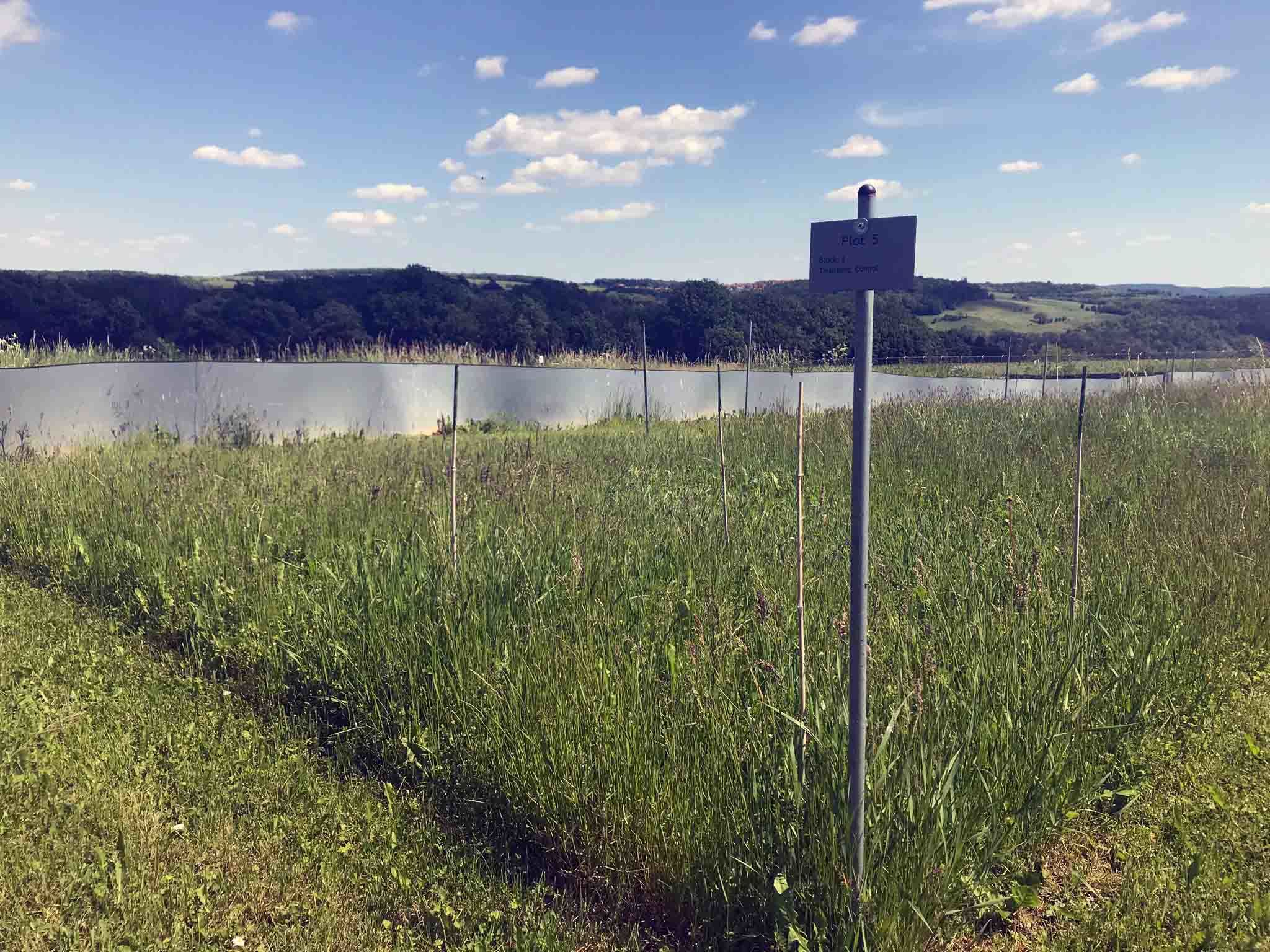
24.10.2022 | Biodiversity Synthesis, Media Release, Physiological Diversity, TOP NEWS
More yield, fewer species: How human nutrient inputs alter grasslands
Leipzig. With high nutrient inputs in grasslands, more plant species get lost over longer periods of time than new ones can establish. In addition, fewer new species settle than under natural nutrient availability. With a worldwide experiment, researchers led by the German Centre for Integrative Biodiversity Research (iDiv), the Helmholtz Centre for Environmental Research (UFZ) and the Martin Luther University Halle-Wittenberg (MLU) have now been able to show why additional nutrient inputs reduce plant diversity in grasslands. Another finding was that the increase in biomass with nutrient inputs is due to a few plant species that can use higher nutrient inputs to their advantage and remain successfully at a site over long periods of time. The results have been published in the journal Ecology Letters.
More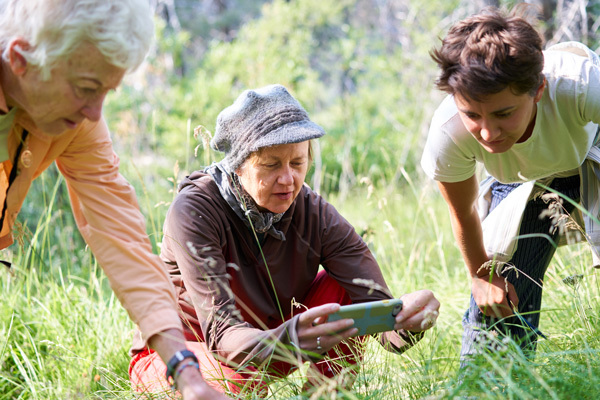
20.10.2022 | iDiv Members, Media Release, TOP NEWS
Smartphone data can help create global vegetation maps
Leipzig. Missing knowledge in the global distribution of plant traits could be filled with data from species identification apps. Researchers from Leipzig University, the German Centre for Integrative Biodiversity Research (iDiv) and other institutions were able to demonstrate this based on data from the popular iNaturalist app. Supplemented with data on plant traits, iNaturalist input results in considerably more precise maps than previous approaches based on extrapolation from limited databases. Among other things, the new maps provide an improved basis for understanding plant-environment interactions and for Earth system modelling. The study has been published in the journal Nature Ecology and Evolution.
More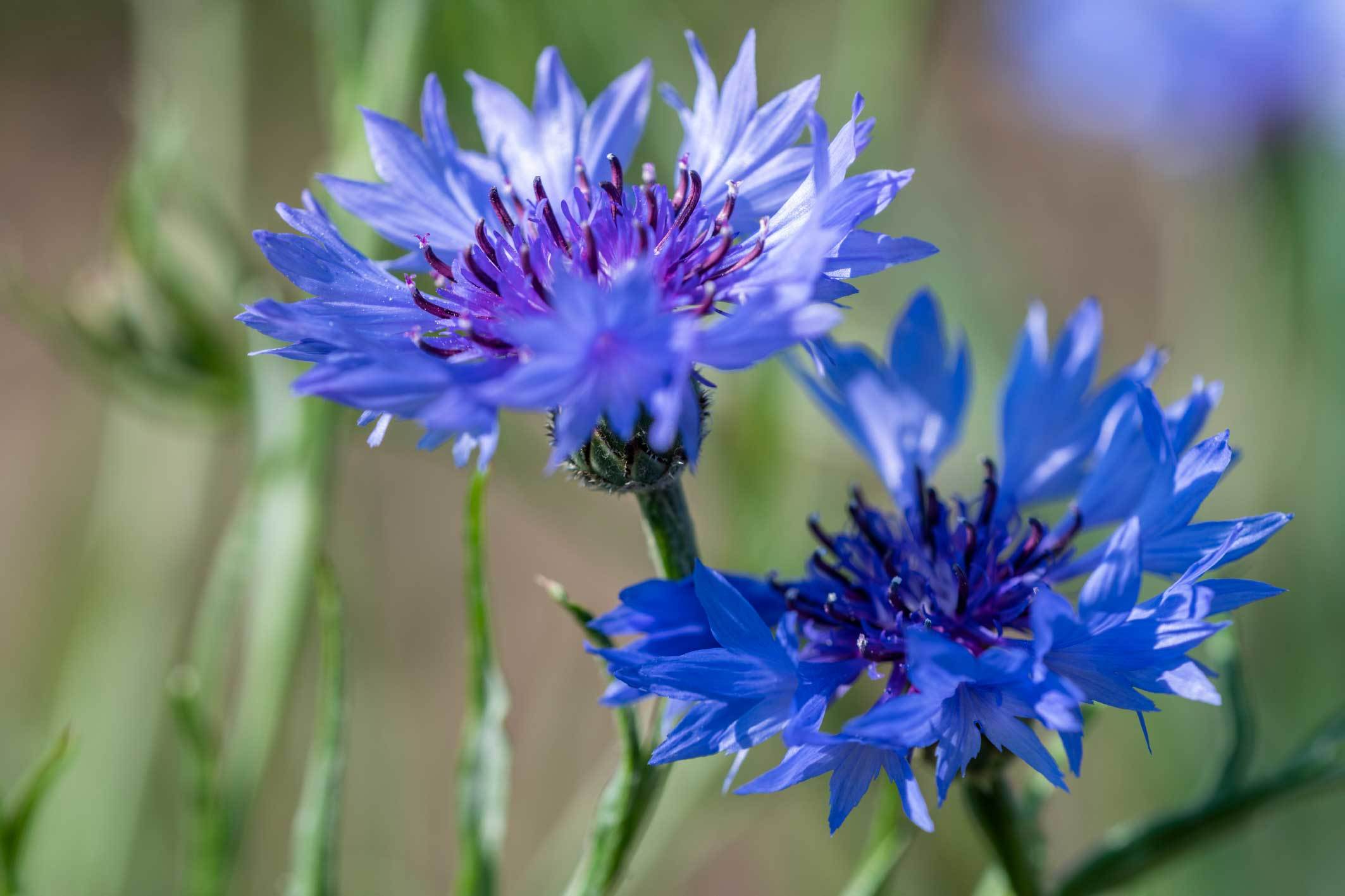
19.10.2022 | iDiv Members, Media Release, TOP NEWS
Ecological imbalance: How plant diversity in Germany has changed in the past century
Based on a media release by Martin Luther University Halle-Wittenberg (MLU) Halle. Germany’s plant world has seen a greater number of losers than winners over the past one hundred years. While the frequencies and abundances of many species have shrunk, they have significantly increased in others. This has resulted in a very uneven distribution of gains and losses. It indicates an overall, large-scale loss of biodiversity, as a team led by the Martin Luther University Halle-Wittenberg (MLU) and the German Centre for Integrative Biodiversity Research (iDiv) reports in Nature.
More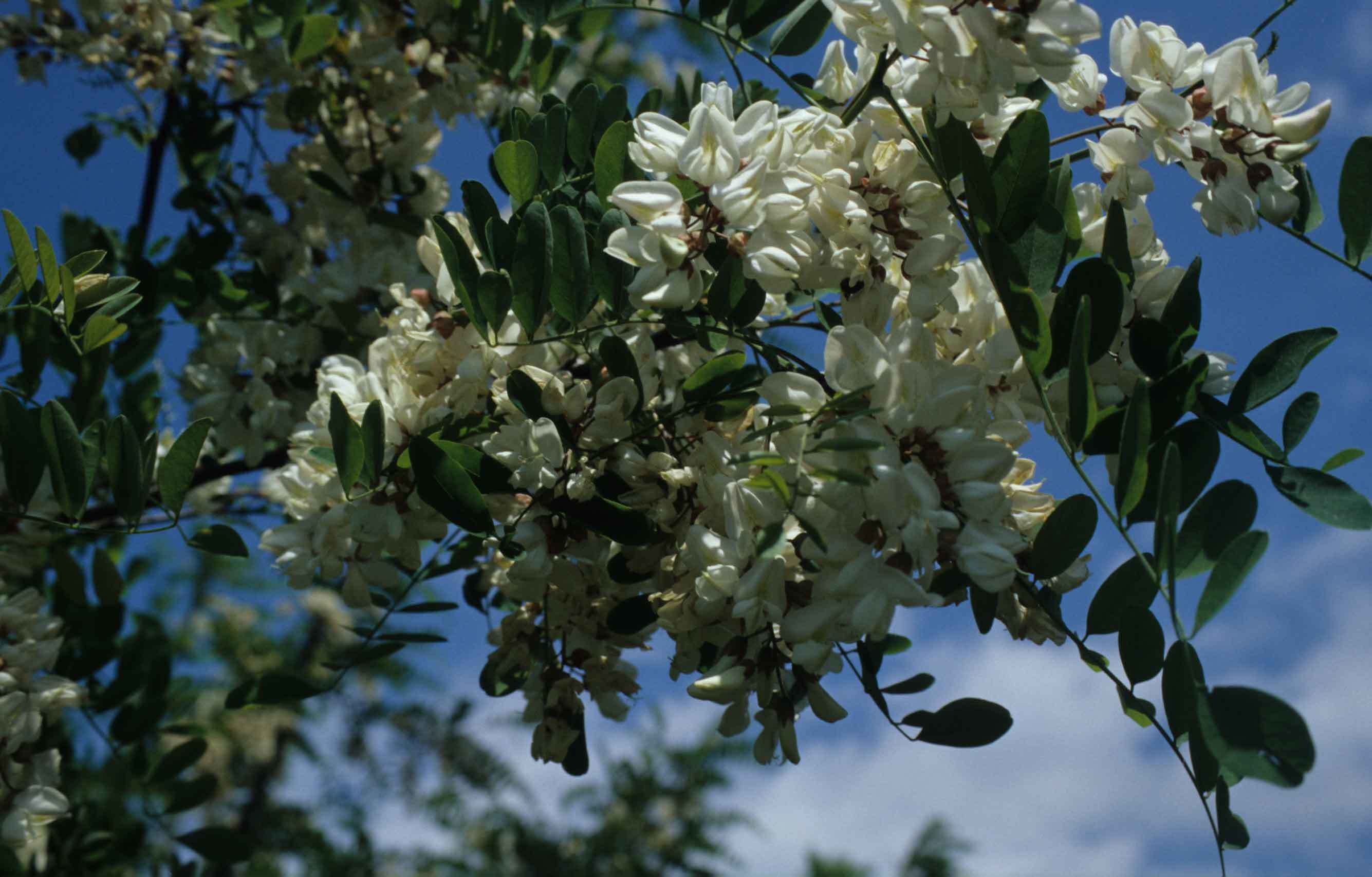
17.10.2022 | iDiv Members, Media Release, TOP NEWS
European colonial legacy is still visible in today’s alien floras
Based on a media release by the University of Vienna Vienna/Leipzig. Alien floras in regions that were once occupied by the same European power are, on average, more similar to each other compared to outside regions and this similarity increases with the length of time a region was occupied. This is the conclusion of a study by an international team of researchers led by the University of Vienna and with the participation of researchers from the German Centre for Integrative Biodiversity Research (iDiv). The results were recently published in the scientific journal Nature Ecology and Evolution.
More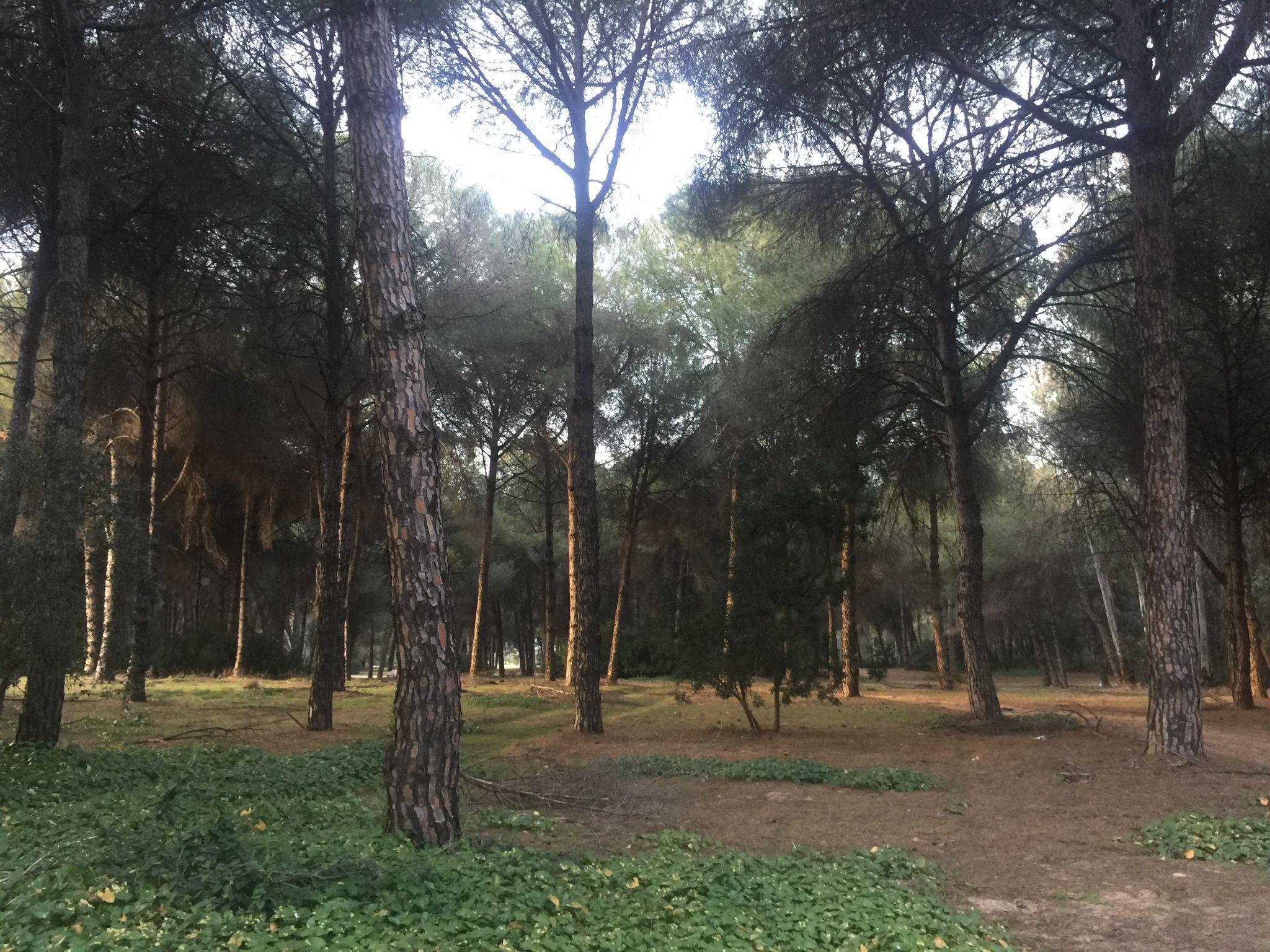
12.10.2022 | Experimental Interaction Ecology, Media Release, TOP NEWS
Global study: Few of the ecologically most valuable soils are protected
Halle, Leipzig, Seville. Current protected areas only poorly cover the places most relevant for conserving soil ecological values. This is the conclusion of a new study published in the journal Nature. To assess global hotspots for preserving soil ecological values, an international team of scientists measured different dimensions of soil biodiversity (local species richness and uniqueness) and ecosystem services (like water regulation or carbon storage). They found that these dimensions peaked in contrasting regions of the world. For instance, temperate ecosystems showed higher local soil biodiversity (species richness), while colder ecosystems were identified as hotspots of soil ecosystem services. In addition, the results suggest that tropical and arid ecosystems hold the most unique communities of soil organisms. Soil ecological values are often overlooked in nature conservation management and policy decisions; the new study, published in Nature, demonstrates where efforts to protect them are needed most.
More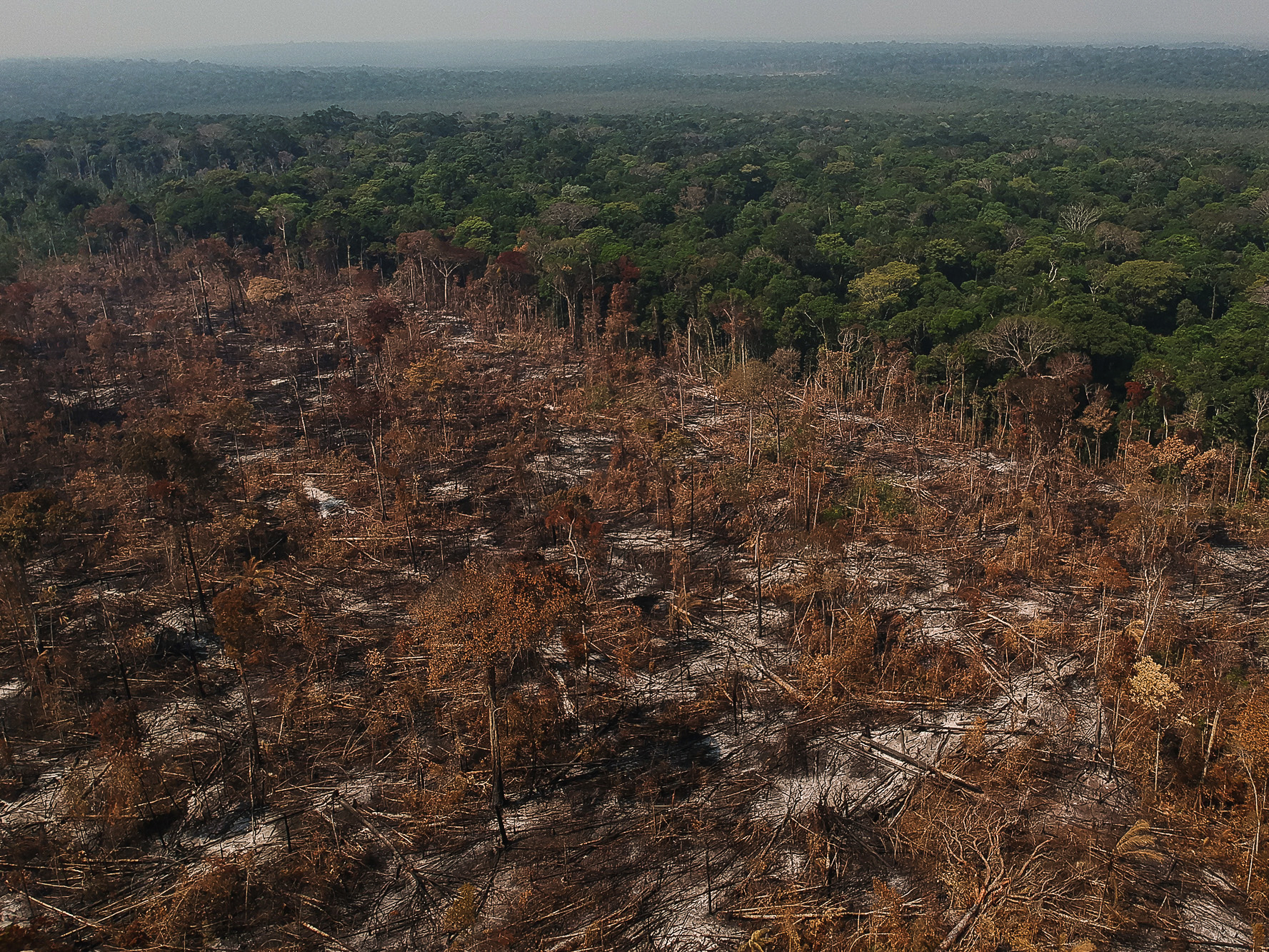
01.10.2022 | Macroecology and Society, Media Release, TOP NEWS
Land tenure drives deforestation rates in Brazil
Leipzig. Tropical deforestation causes widespread degradation of biodiversity and carbon stocks. Researchers from the German Center of Integrative Biodiversity Research (iDiv) and Leipzig University were now able to test the relationship between land tenure and deforestation rates in Brazil. Their research, which was published in Nature Communications, shows that poorly defined land rights go hand in hand with increased deforestation rates. Privatising these lands, as is often promoted in the tropics, can only mitigate this effect if combined with strict environmental policies.
More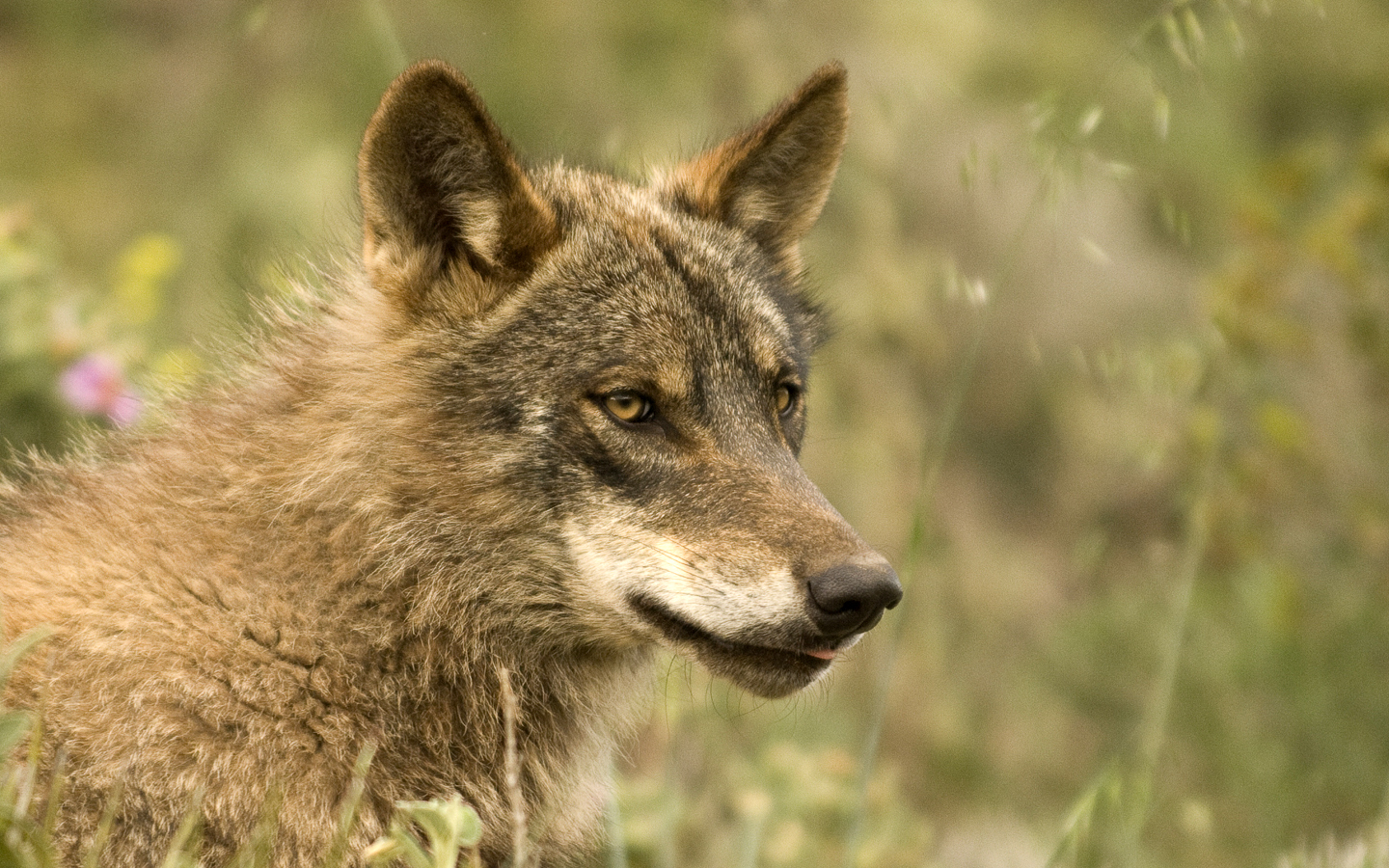
29.09.2022 | Biodiversity Conservation, Media Release, Research, TOP NEWS
Historical reduction of the wolf in the Iberian Peninsula
Based on a media release of the Consejo Superior de Investigaciones Científicas, Spain (CSIC) Seville/Leipzig. The distribution of the wolf covered at least 65% of the Iberian Peninsula in the mid-19th century. Compared to this finding, recent expansions mean little more than a stabilisation of the species. This is the result of a study led by the Doñana Biological Station of the Consejo Superior de Investigaciones Científicas (EBD-CSIC) in collaboration with the German Centre for Integrative Biodiversity Research (iDiv) and the Martin Luther University Halle-Wittenberg (MLU). To reach these conclusions, the research team analysed the historical information from a geographical survey collected in the mid-19th century. The study has been published in the journal Animal Conservation. It provides new information on the history of wolf declines due to human persecution.
More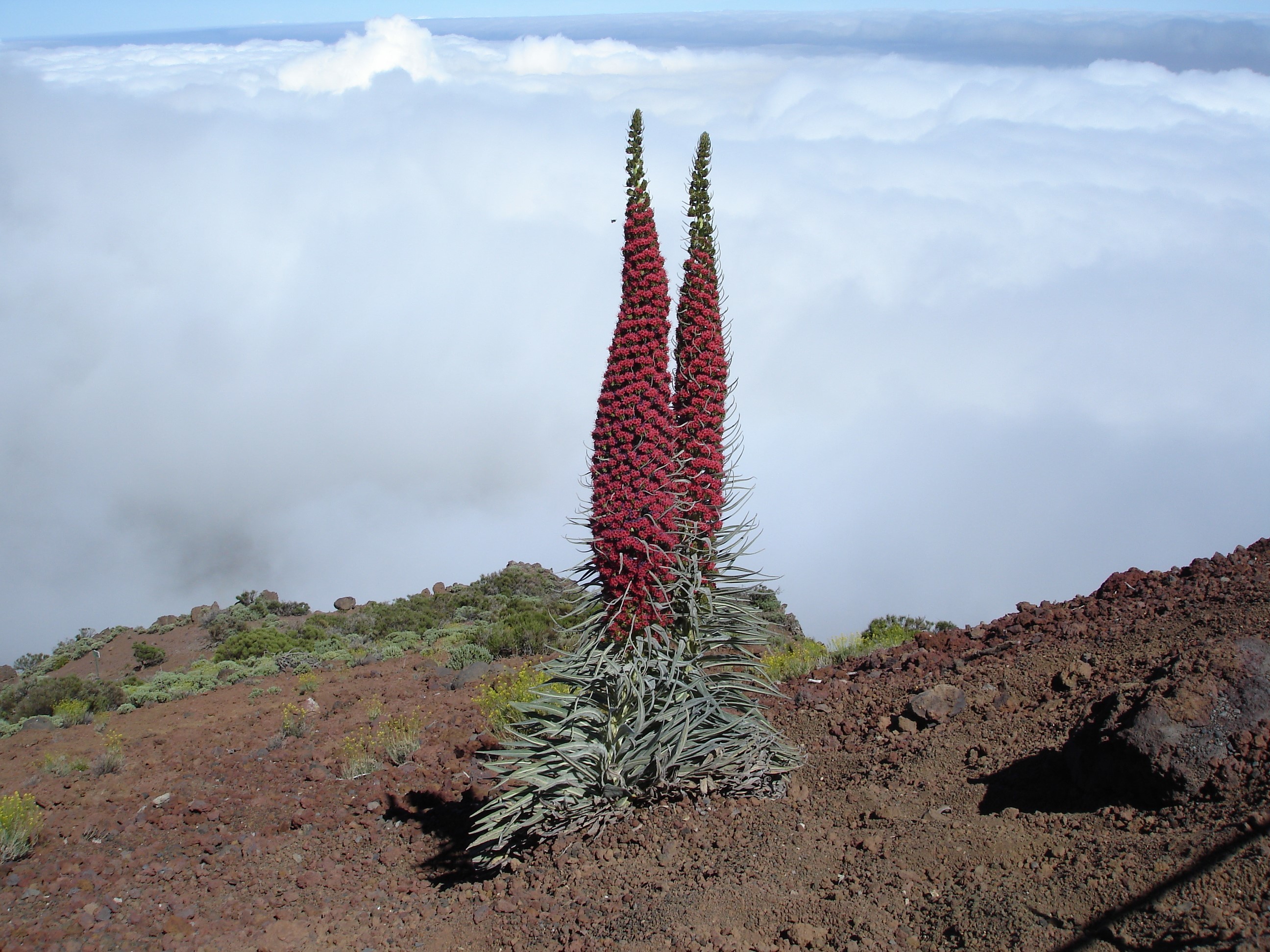
07.09.2022 | Media Release, sDiv, TOP NEWS
Location, location, location! What leads to lignification on islands
Based on a media release from Philipps-Universität Marburg. Marburg/Leipzig/Leiden. Increased drought, the lack of predators and isolation lead to a tendency of plants on islands to become woody. The location of the islands on which the species concerned are native also plays a role. This is the result of a study led by the Philipps University of Marburg and the German Centre for Integrative Biodiversity Research (iDiv) together with the Naturalis Biodiversity Centre in Leiden and other institutions. The study by the German-Dutch research team, which has now been published in the scientific journal PNAS, shows how islands act as natural laboratories of evolution.
More
01.09.2022 | iDiv Members, Media Release, Research, TOP NEWS
High plant diversity is often found in the smallest of areas
Based on a media release by Martin Luther University Halle-Wittenberg Halle/Leipzig. The steppes of Eastern Europe are home to a similar number of plant species as the regions of the Amazon rainforest. However, this is only apparent when species are counted in small sampling areas rather than hectares of land. An international team of researchers led by the Martin Luther University Halle-Wittenberg (MLU) and the German Centre for Integrative Biodiversity Research (iDiv) Halle-Jena-Leipzig has now shown how much estimates of plant diversity change when the sampling area ranges from a few square metres to hectares. Their results have been published in the journal Nature Communications and could be utilised in new, more tailored nature conservation concepts.
More
15.08.2022 | Evolutionary Ecology, Media Release, Science-Policy, Science-Policy, TOP NEWS
National parks – islands in a desert?
Leipzig/Jena/Bonn. How effective is biodiversity conservation of European and African national parks? This seems to be strongly associated with societal and economic conditions. But even under the most favourable conditions, conservation efforts cannot completely halt emerging threats to biodiversity if conditions outside of the parks do not improve. This is the conclusion of a new study led by the German Centre for Integrative Biodiversity Research (iDiv), the Max Planck Institute for Evolutionary Anthropology (MPI EVA), and the University of Bonn, in collaboration with the Helmholtz Centre for Environmental Research (UFZ), Leipzig University, the Friedrich Schiller University Jena and many other institutions. The study published in the journal Nature Sustainability highlights the urgent need for a better design of national park networks.
More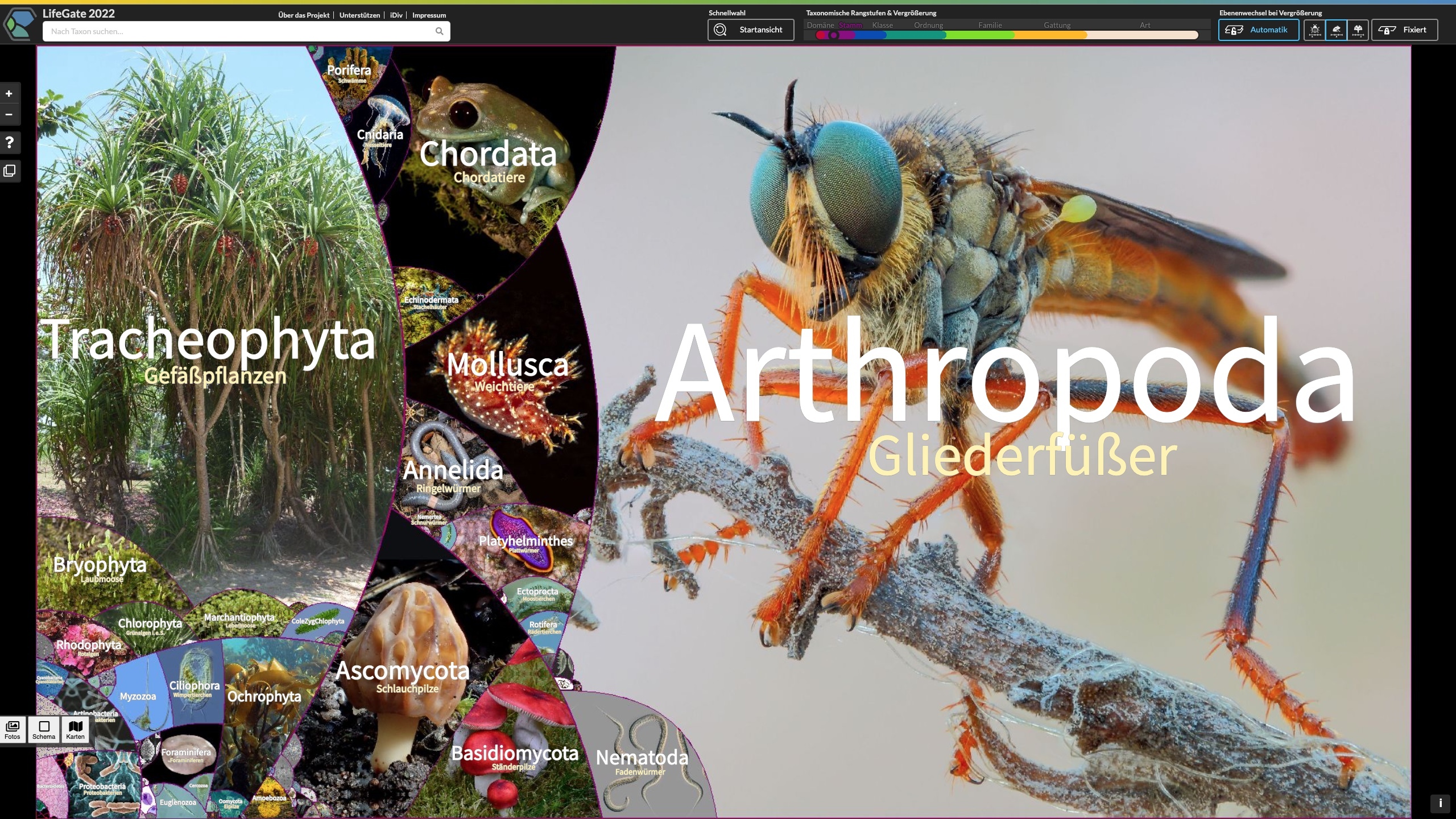
27.07.2022 | Biodiversity Conservation, iDiv Members, iDiv Members, Media Release, TOP NEWS
LifeGate – New interactive map shows the full diversity of life
Joint press release of Leipzig University (Botanical Garden) and the German Centre for Integrative Biodiversity Research (iDiv) Leipzig. Researchers from Leipzig have published a gigantic digital map displaying the full diversity of life through thousands of photos. The so-called LifeGate encompasses all 2.6 million known species of this planet and shows their relationship to each other. The interactive map can now be accessed free of charge at lifegate.idiv.de.
More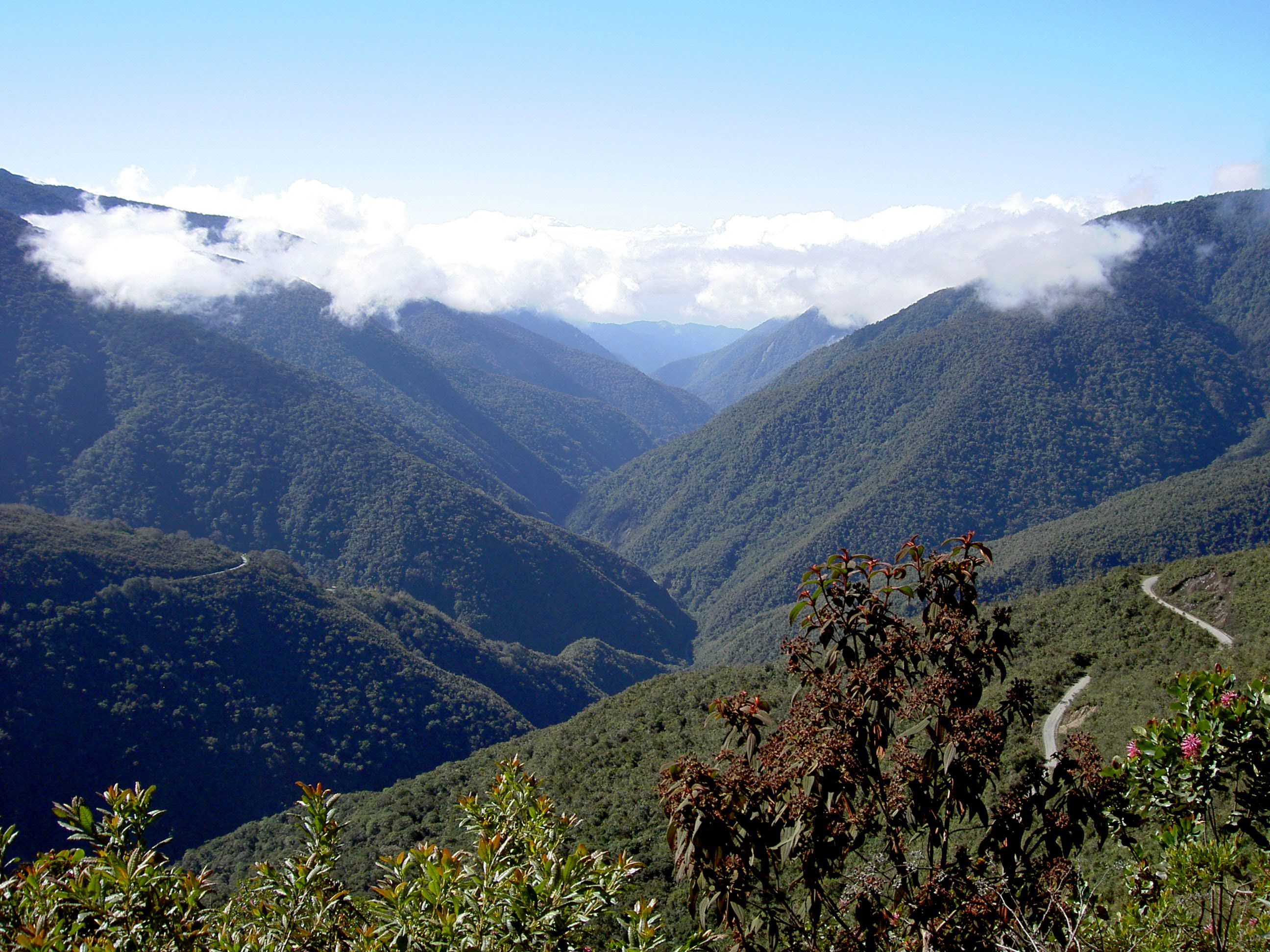
19.07.2022 | Biodiversity Conservation, Media Release, TOP NEWS
Informing future conservation priorities of ecosystems in the Tropical Andes
Joint press release by iDiv and NatureServe Washington D.C./Leipzig. Only about 5% of ecosystems within the Tropical Andes biodiversity hotspot are adequately represented in designated protected areas. Representation may be determined by a series of targets proposed by the Convention on Biological Diversity (CBD), which states at least 30% of land and waters in each country should be conserved. Protecting the full diversity of ecosystems reduces extinction risk for the species those ecosystems support, but very few places on the planet currently meet the CBD target. There is an opportunity to increase representation of ecosystems that meet the CBD target to 31% (39 ecosystem types total) across four Andean countries (Bolivia, Colombia, Ecuador, and Peru) through the additional protection by governments and civil societies of Key Biodiversity Areas (KBAs), places that meet the internationally recognized standard for sites that significantly contribute to the global persistence of biodiversity. This conclusion is shown in a new study led by NatureServe, the German Centre for Integrative Biodiversity Research (iDiv), and the Martin Luther University Halle-Wittenberg (MLU), together with other institutions throughout the U.S., Europe, and South America. The study, now published in the journal Remote Sensing, demonstrates how Essential Biodiversity Variables (EBVs) coupled with KBAs can inform conservation decisions at multiple scales.
More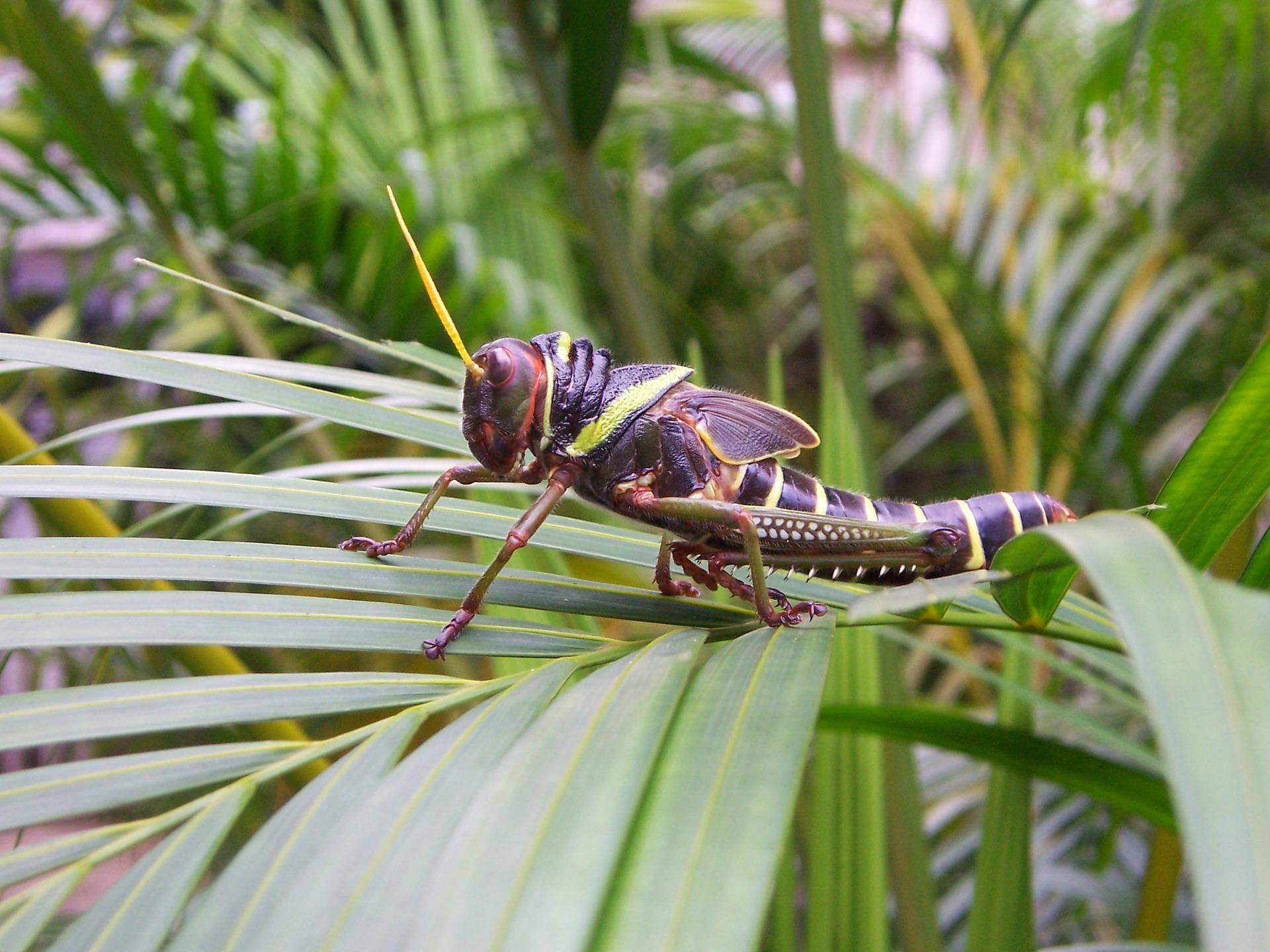
18.07.2022 | Experimental Interaction Ecology, Media Release
More species could be threatened with extinction than previously thought
Based on a media release by the University of Minnesota Saint Paul/Leipzig. On average, 30 per cent of all species worldwide might be threatened with extinction or have already become extinct over the last 500 years. This was the result of estimates by 3,331 experts working on biodiversity in 187 countries. This large and diverse group of experts was asked in a survey, led by researchers from the University of Minnesota and with the participation of iDiv and the University of Leipzig, to provide assessments of the change in the species they study. The results are expected to reduce knowledge gaps in existing scientific assessments of global biodiversity and thus improve the knowledge base for policy decisions. The study was published in the journal Frontiers in Ecology and the Environment.
More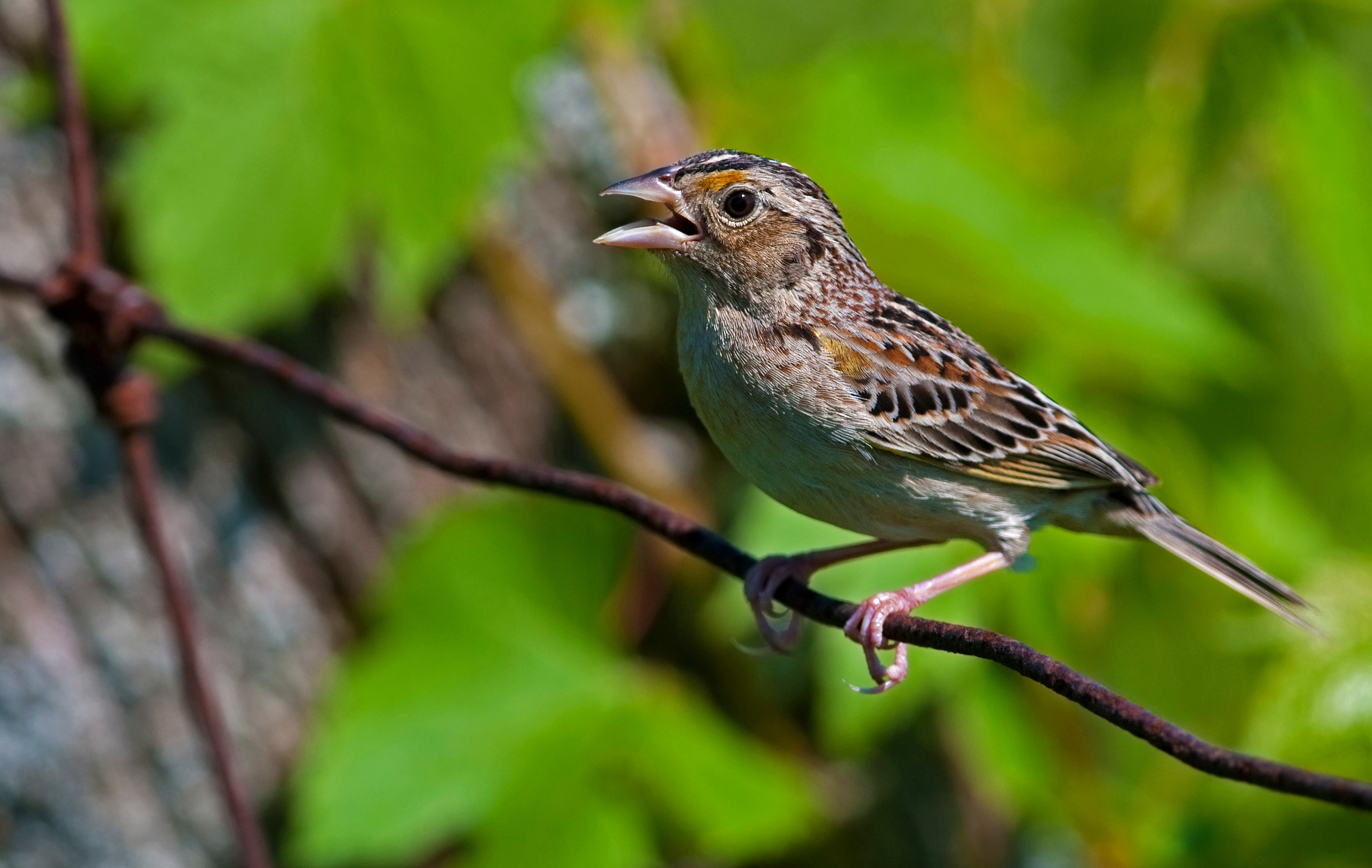
14.07.2022 | Biodiversity Synthesis, Media Release, TOP NEWS
North American birds not fully adjusting to changing climate
Leipzig/Halle/Seville. Some species of birds in North America have not fully adjusted their distributions in response to ongoing climate change. The places these birds live have become more decoupled from their optimal climate conditions, while other features of the environment become more constraining. This trend of climate decoupling is more pronounced for habitat specialists and for species declining in abundance. These are the results of a study by the German Centre for Integrative Biodiversity Research (iDiv), Leipzig University, the Martin Luther University Halle-Wittenberg (MLU) and the Doñana Biological Station, now published in Nature Ecology & Evolution. Climate decoupling as a result of ongoing climate change may lead to additional stresses on many species of birds, and exacerbate population declines.
More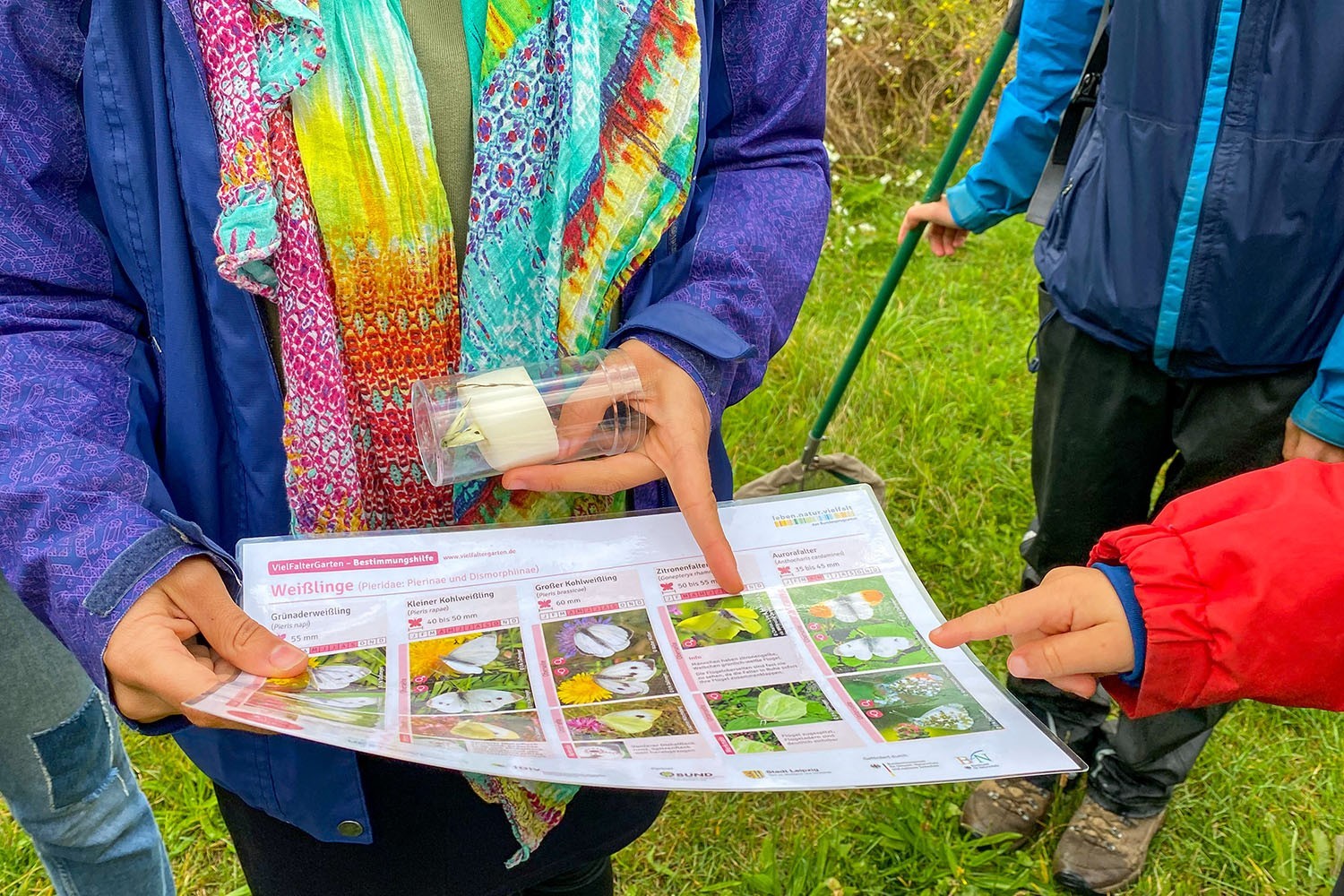
08.07.2022 | Biodiversity and People, Media Release, TOP NEWS
Protecting butterflies in Leipzig
Based on a media release by Helmholtz Centre for Environmental Research (UFZ) The Helmholtz Centre for Environmental Research (UFZ), the German Centre for Integrative Biodiversity Research (iDiv), the Office for Urban Green Spaces and Waters of the City of Leipzig, and BUND Leipzig are now in their third season with the citizen science project “VielFalterGarten” this summer. The aim of the project, which is part of the Bundesprogramm für Biologische Vielfalt, is to research and protect the butterfly diversity in the city of Leipzig together with citizens.
More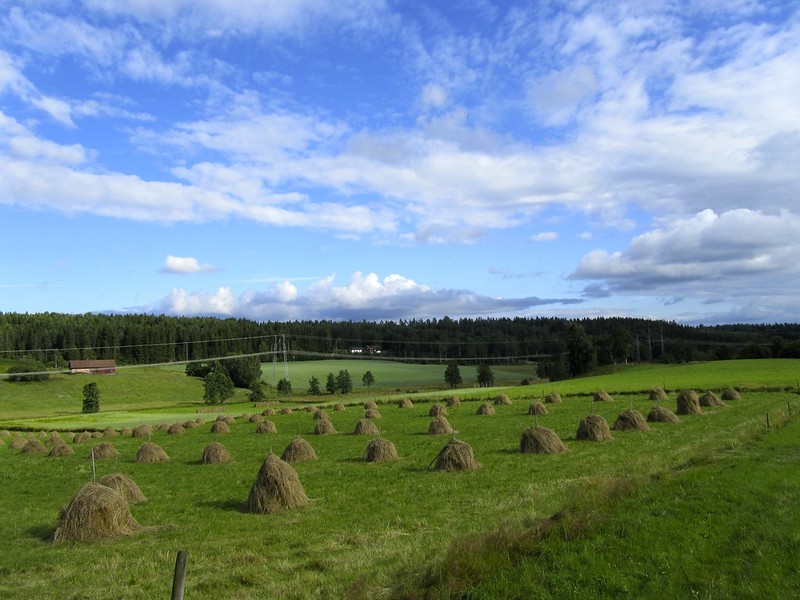
30.06.2022 | Biodiversity and People, Media Release, TOP NEWS
Six guiding principles for the EU agricultural policy to halt biodiversity loss
Leipzig/Rostock. To halt biodiversity loss, the future design of EU agricultural policy could be guided by six basic principles and accompanied by multi-annual agreements and progressive payment systems. These are at the core of recommendations made by over 300 scientists from 23 EU member states who were consulted at the request of the European Commission. The process was coordinated by the German Centre for Integrative Biodiversity Research (iDiv), the Helmholtz Centre for Environmental Research (UFZ), Thünen Institute of Rural Studies, and the University of Rostock. A synthesis of the results of this extensive consultation process has now been published in the journal Conservation Letters.
More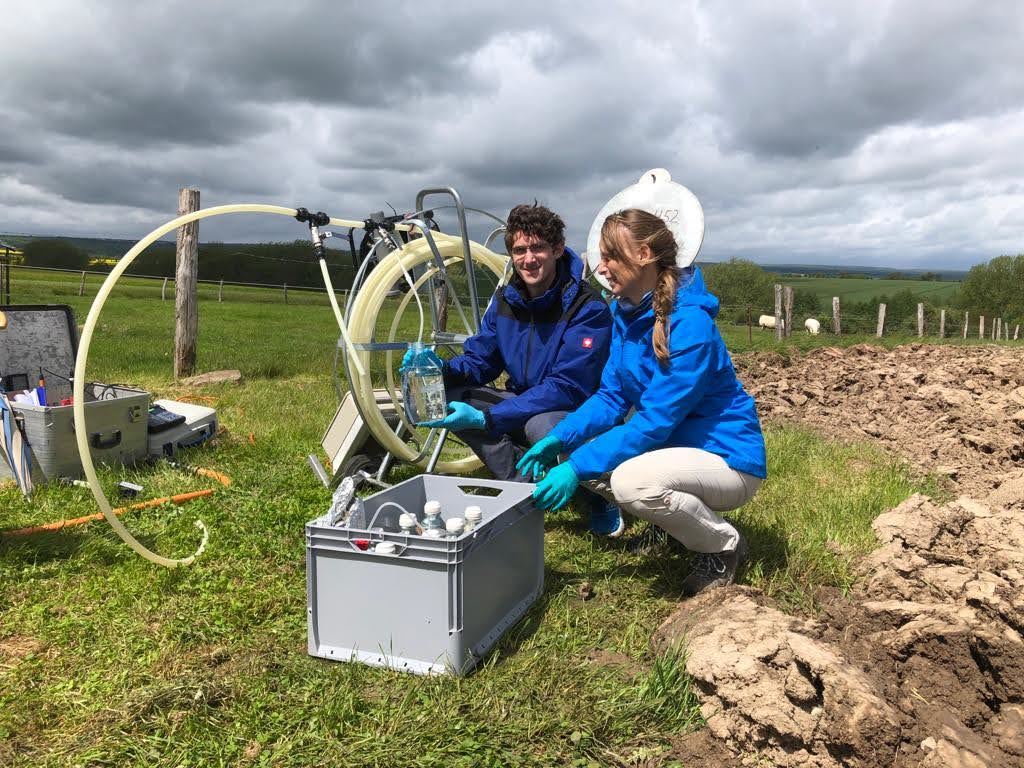
29.06.2022 | iDiv Members, Media Release, TOP NEWS
Life in the earth’s interior as productive as in some ocean waters
Joint media release by iDiv and Friedrich Schiller University Jena Jena. Microorganisms in aquifers deep below the earth’s surface produce similar amounts of biomass as those in some marine waters. This is the finding of researchers led by the Friedrich Schiller University Jena and the German Centre for Integrative Biodiversity Research (iDiv). Applying a unique, ultra-sensitive measurement method using radioactive carbon, they were able to demonstrate for the first time that these biotic communities in absolute darkness do not depend on sunlight. Instead, they can obtain energy autonomously from rock oxidation or from compounds transported into the deep. The study has been published in Nature Geoscience.
More
24.06.2022 | iDiv, Media Release, TOP NEWS
Junior researchers investigate the impact of human activities on soil
Joint media release by Leipzig University and iDiv Leipzig. “Mysterious but beautiful” – this is how Dr Anton Potapov describes the world of organisms that live under our feet. Starting on 1 July 2022, the ecologist and microbiologist is setting up a new junior research group at the German Centre for Integrative Biodiversity Research (iDiv) and Leipzig University. It will take a closer look at the role of soil organisms in the ecosystem. Potapov’s work during the coming years will receive 1 million euros in funding through the German Research Foundation’s (DFG) Emmy Noether Programme.
More
15.06.2022 | Biodiversity Conservation, TOP NEWS
The Gollum effect and its impacts on the scientific community
Report by Dr Jose Valdez, Postdoctoral Researcher of the Biodiversity Conservation research group at iDiv and Leipzig University, and senior author of a new publication in Frontiers in Ecology and Evolution While scientific research is becoming increasingly more collaborative, the ability to freely conduct research remains restricted by established researchers who feel they have the sole right to study specific study sites, model organisms, research topics, and sometimes even entire scientific fields. Like Gollum from The Lord of the Rings, they become possessively attached and guard these aspects of their research. In our recent publication in Frontiers in Ecology and Evolution we refer to this as the ‘Gollum effect’ and explore ways in which this can be overcome to promote scientific openness and lead science into a new era where it is dispensed fairly instead of at the hands of a selected few.
More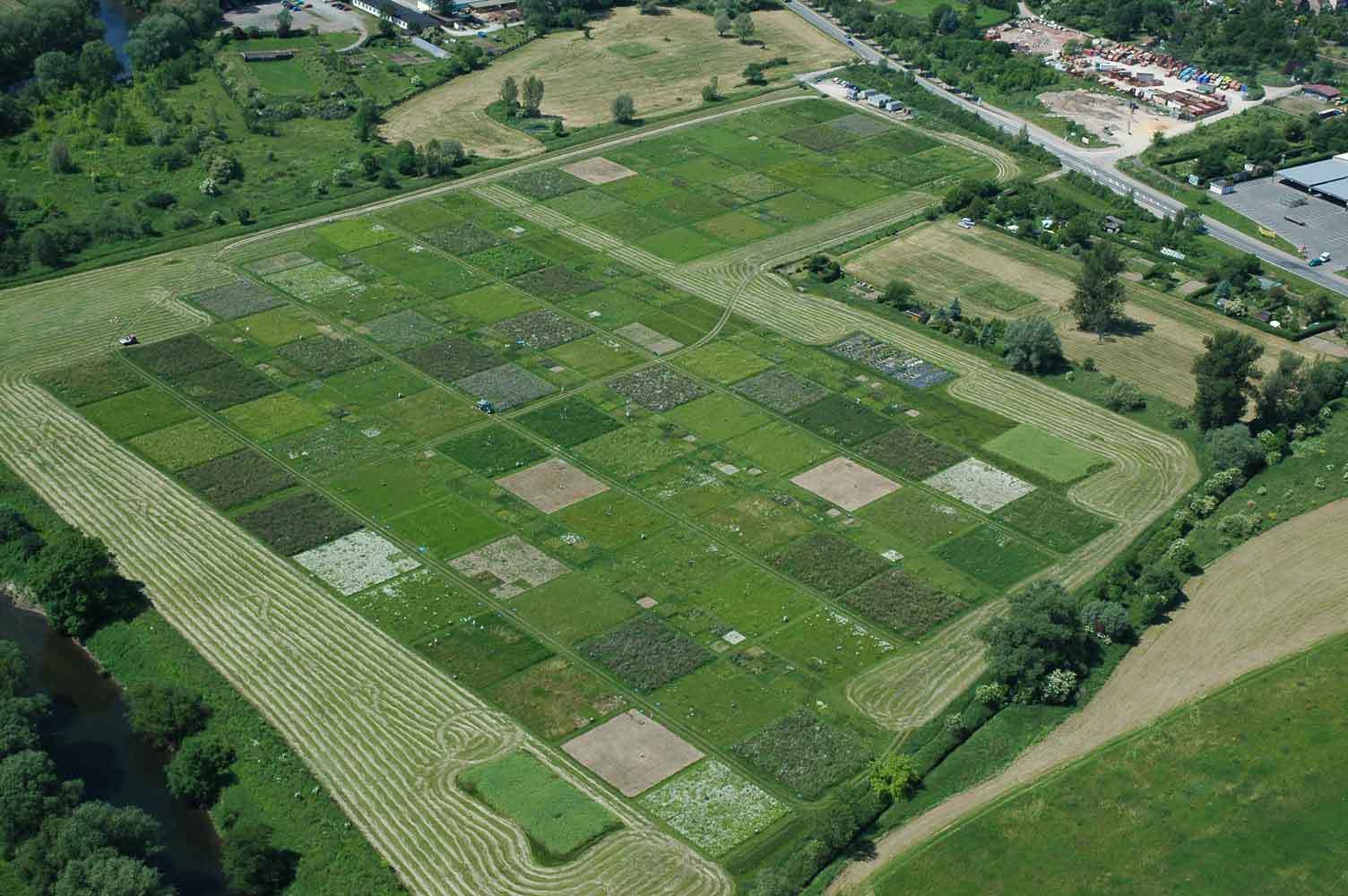
09.06.2022 | Experimental Interaction Ecology, iDiv Members, Media Release, TOP NEWS
What doesn’t kill you makes you stronger
Based on a media release by the University of Zurich Zurich, Leipzig. The exposure to drought during previous generations in the field increases complementarity between offspring of different grassland species and thus makes them more resilient to subsequent drought. An international research team led by the University of Zurich and with the participation of the German Centre for integrative Biodiversity research and Leipzig University has revealed this transgenerational effect with about 1000 experimental plant communities in pots. The results, published in Nature Communications, suggest that if past extreme climatic events do not completely exclude species, they may enhance the sustainability of biodiversity and ecosystem functioning in a future with more frequent extreme events.
More
06.06.2022 | iDiv, Media Release, Symbiont Evolution, TOP NEWS
Evolution: New Emmy Noether group investigates interactions between bacteria and insects
Joint press release by Martin Luther University Halle-Wittenberg (MLU) and iDiv Halle/Leipzig. The German Research Foundation (DFG) has accepted the biologist Dr Michael Gerth into the Emmy Noether Programme and will fund his work with up to 1.4 million euros in the coming years. With this funding, Gerth will move from the UK to the Martin Luther University Halle-Wittenberg (MLU) and establish his own working group at the German Centre for Integrative Biodiversity Research (iDiv). His research focuses on the evolution of special bacteria, which live in flies, bees and other insects.
More
03.06.2022 | Biodiversity and People, Media Release, TOP NEWS
Heat-lovers are the lucky ones
Based on a media release from the Technical University of Munich (TUM) Munich/Leipzig. Heat-loving insect species in Germany are benefiting from global warming. The trends of different insect groups vary considerably. While the populations of butterflies and grasshoppers decreased more frequently than they increased, dragonflies showed predominantly positive trends. This is the conclusion of a new study led by the Technical University of Munich (TUM), the German Centre for Integrative Biodiversity Research (iDiv) and the Friedrich Schiller University Jena. In order to close significant data gaps, the research team evaluated an extensive collection of previously little-used data on over 200 insect species in Bavaria since 1980. The study was published in Global Change Biology.
More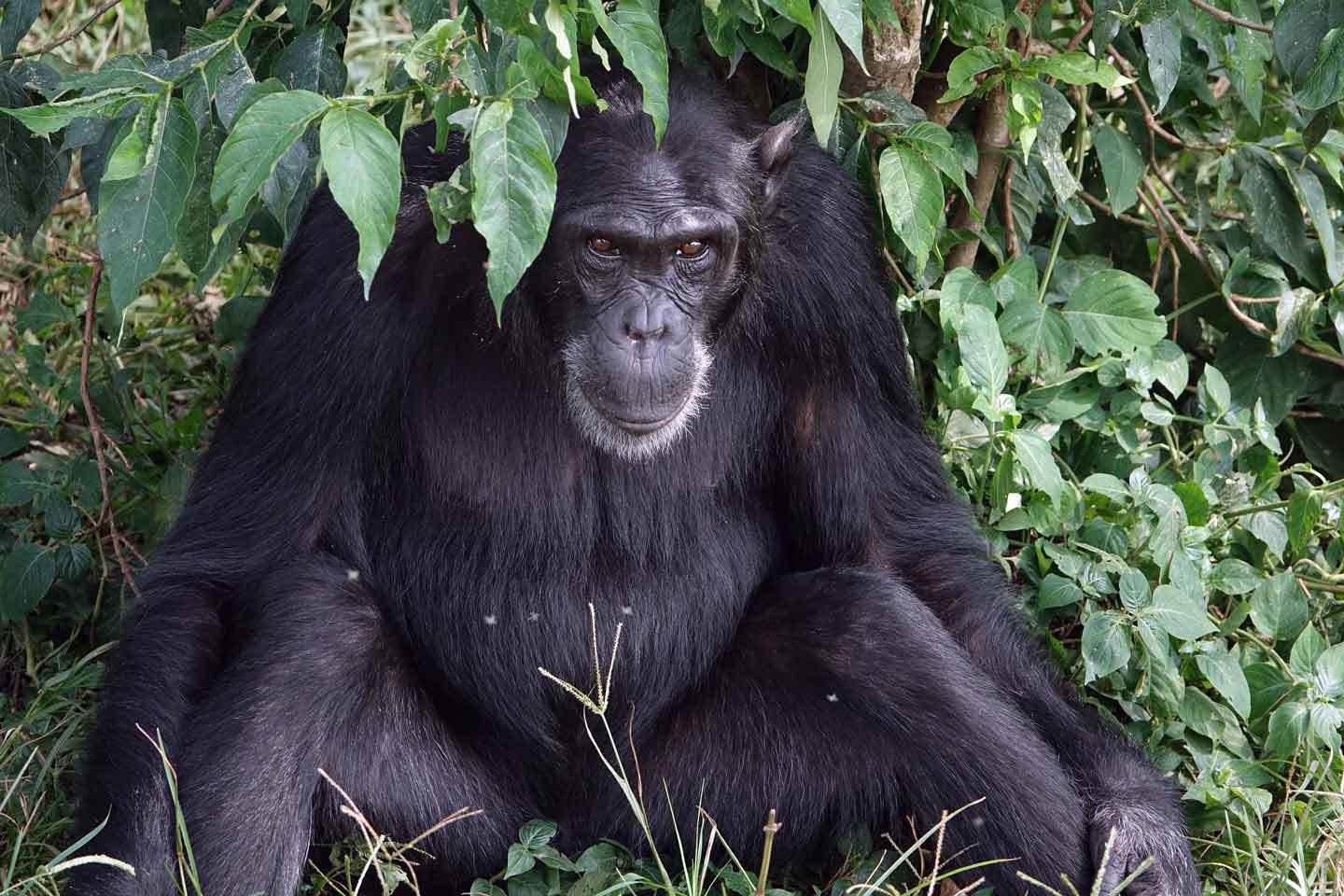
02.06.2022 | Evolutionary Ecology, Media Release, TOP NEWS
The largest genomic catalogue of wild chimpanzees
Based on a media release by the Institute of Evolutionary Biology (IBE) Barcelona/Leipzig. An international research team led by the Institute of Evolutionary Biology (IBE), the German Centre for Integrative Biodiversity Research (iDiv), the Max Planck Institute for Evolutionary Anthropology (MPI EVA) and Leipzig University has compiled the largest genomic catalogue of wild chimpanzee populations in Africa. For the first time, genomic information, obtained from hundreds of faecal samples of chimpanzees from across their range, has been sequenced, clarifying their evolutionary history and contributing to the conservation of these great apes. The new genomic atlas, published in the journal Cell Genomics, has the potential to map routes and sources of illegal trafficking that could be used to protect this endangered species.
More
01.06.2022 | Media Release, Theory in Biodiversity Science, TOP NEWS
Photos of Amazon animals supply extensive collection of biodiversity data
Manaus/São Paulo/Jena/Leipzig. An international team of researchers has published the largest collection of data from camera traps on Amazonian rainforest animals. The collection currently encompasses over 120,000 registers, plus information on time and location. It will improve research on the abundance, diversity and habitat conditions of jaguars, toucans, harpy eagles and many other endangered rainforest species and contribute to their protection. 147 scientists from 122 research institutions and nature conservation organisations collaborated under the leadership of the German Centre for Integrative Biodiversity Research (iDiv) and the Friedrich Schiller University of Jena to build this new database, which is based on camera trap photos. It has now been published in the journal Ecology.
More
31.05.2022 | iDiv Members, Media Release, TOP NEWS
Healthy development thanks to older siblings
Based on a media release by Max Planck Institute for Evolutionary Anthropology (MPI-EVA) Leipzig. Even mild forms of stress in pregnant women can have negative effects on their children’s behavior even years after birth. Older siblings, however, can mitigate this effect. This is what researchers from the Helmholtz Centre for Environmental Research (UFZ), Leipzig University (UL), the Max Planck Institute for Evolutionary Anthropology (MPI-EVA) and the German Center for Integrative Biodiversity Research (iDiv) have found. The study was published in the journal BMC Public Health.
More
18.05.2022 | Biodiversity Conservation, Media Release, TOP NEWS
Native plant gardening for species conservation
Halle/Leipzig. Declining native species could be planted in urban green spaces. Researchers from the German Centre for Integrative Biodiversity Research (iDiv), the Martin Luther University Halle-Wittenberg (MLU), Leipzig University and other institutions describe how to use this great potential for species protection. In their most recent study, published in the journal Nature Sustainability, they recommend practical conservation gardening methods in a bid to restructure the horticultural industry and reverse plant species declines.
More
17.05.2022 | TOP NEWS
iDiv honours Professor Beate A. Schücking
Leipzig. iDiv has honoured Professor Beate A. Schücking’s many years of commitment to the German Centre for Integrative Biodiversity Research (iDiv). During a ceremony on Monday, iDiv presented her with a tree sponsorship in the Leipzig University Botanical Garden. As Rector of the university and as a member of the iDiv Board of Trustees, Professor Schücking has played a major role in the success story of the research centre over the past eleven years.
More
11.05.2022 | Experimental Interaction Ecology, Research, TOP NEWS
Earthworms increase the stability of soil organic carbon
Report by Dr Gerrit Angst, postdoctoral researcher of the Experimental Interaction Ecology at iDiv and Leipzig University and first author: Leipzig/Budweis/Munich. Earthworm activity stimulates microorganisms to accelerate the production of more stabilised soil organic carbon. This is the conclusion from a synthesis of recent literature collated by a team led by researchers from the German Centre for Integrative Biodiversity Research (iDiv), Leipzig University, the Czech Academy of Sciences, and the Technical University of Munich. Based on this synthesis, the authors developed a novel concept of the role of earthworms in soil organic carbon dynamics that aids management of soils as a carbon sink. The study has recently been published in Global Change Biology.
More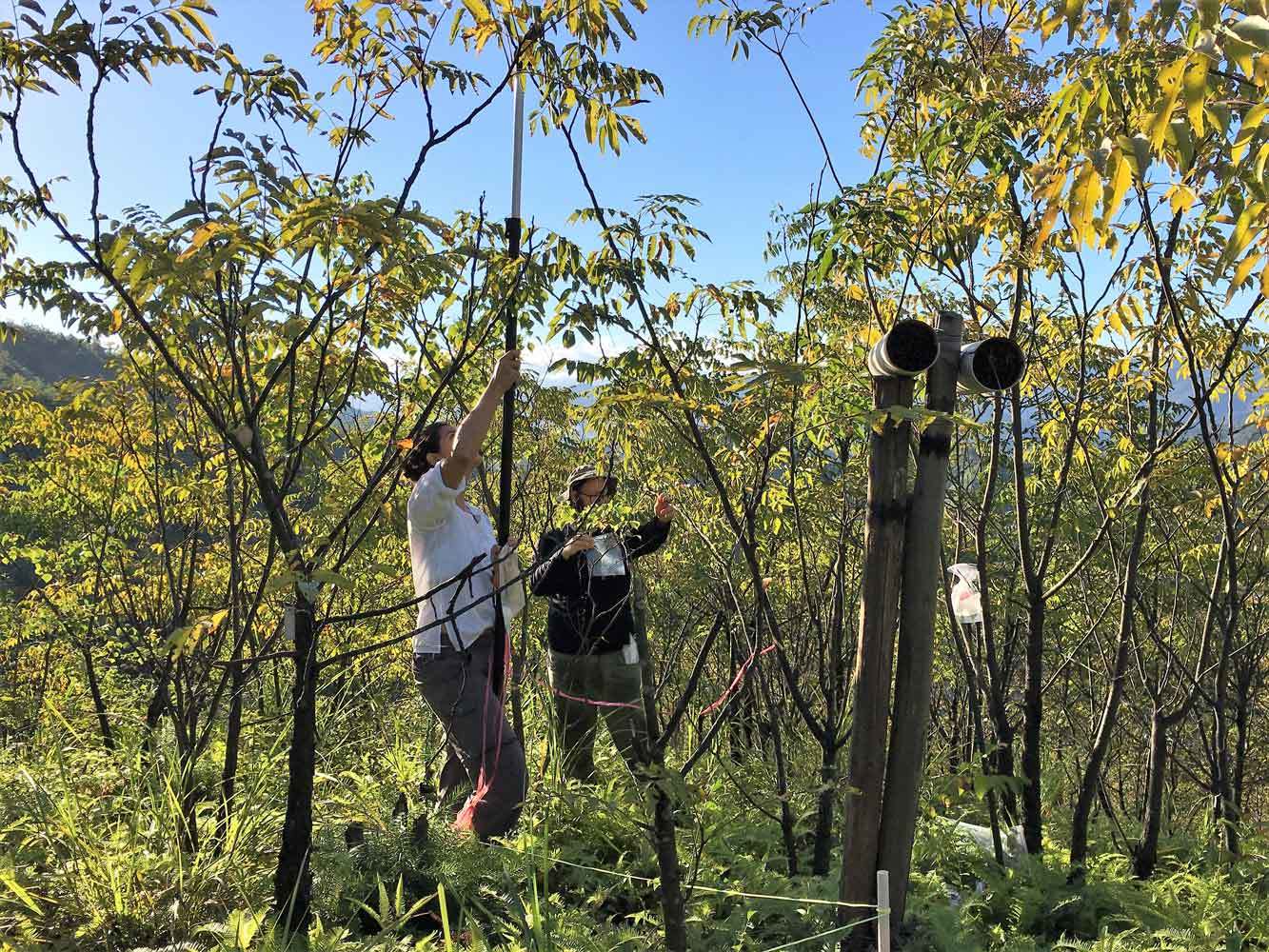
09.05.2022 | iDiv, iDiv Members, Media Release, TOP NEWS
More than four million euros for research on trees and shrubs
Halle/Leipzig/Jena/Beijing. The International Research Training Group TreeDì can continue its work. On Friday, the relevant Grants Committee of the Deutsche Forschungsgemeinschaft (DFG, German Research Foundation) approved its continued funding with more than four million euros until 2027. The programme is conducted in cooperation with the Martin Luther University Halle-Wittenberg (MLU), the Friedrich Schiller University Jena and Leipzig University as well as the University of the Chinese Academy of Sciences (UCAS). The aim of the research is to better understand the interactions of trees and shrubs in forests. On the German side, the doctoral researchers work and interact at the German Centre for Integrative Biodiversity Research (iDiv), and a large number of iDiv scientists are involved in the TreeDì research and qualification programme, for example, in teaching.
More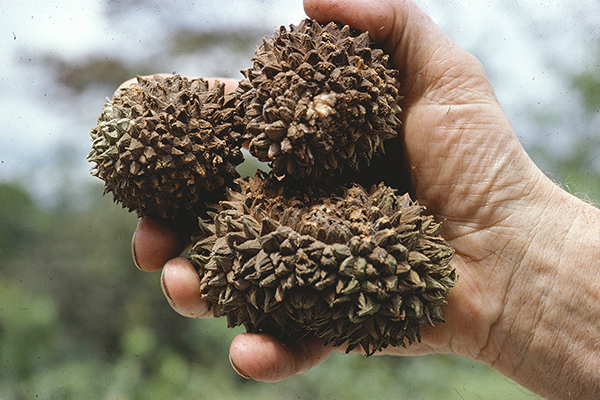
29.04.2022 | Evolution and Adaptation, Media Release, TOP NEWS
Dinosaur extinction changed plant evolution
Leipzig, Amsterdam, Zurich. The absence of large herbivores after the extinction of the dinosaurs changed the evolution of plants. The 25 million years of large herbivore absence slowed down the evolution of new plant species. Defensive features such as spines regressed and fruit sizes increased. The research led by the German Centre for Integrative Biodiversity Research (iDiv) and Leipzig University has demonstrated this using palm trees as a model system. The researchers were also able to show how profound the changes were: Even the reappearance of large herbivores millions of years later could only partially overwrite the changes that had already taken place. The study has been published in the journal Proceedings of the Royal Society B. It provides a view of the geological past and, at the same time, promotes a better understanding of the consequences of current extinction processes.
More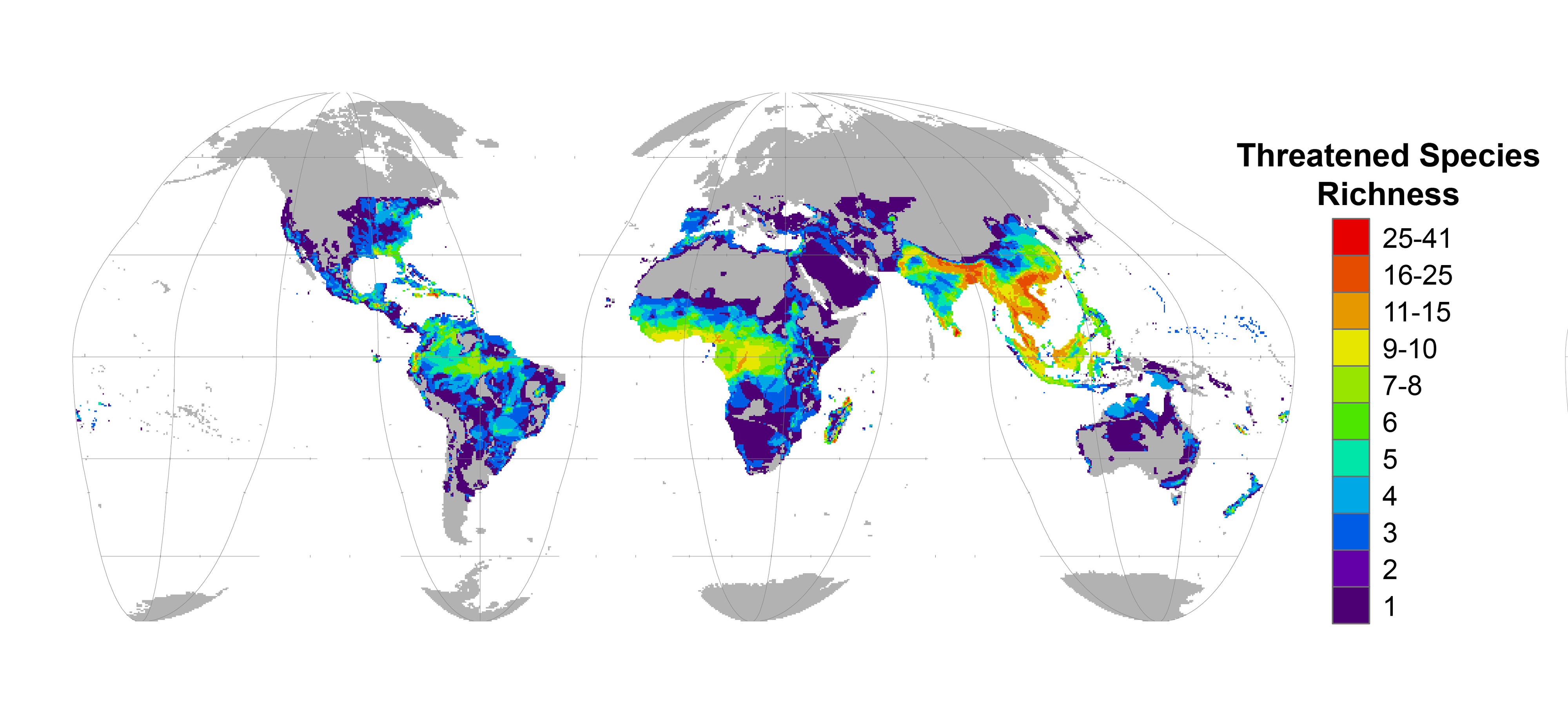
27.04.2022 | Biodiversity Conservation, Media Release, TOP NEWS
More than one in five reptile species are threatened with extinction
Based on a media release by NatureServe, the International Union for Conservation of Nature (IUCN), and Conservation International Virginia, Halle. At least 21% of all reptile species globally are threatened with extinction, according to a new study led by NatureServe, the International Union for Conservation of Nature (IUCN), and Conservation International, with contributions from the German Centre for Integrative Biodiversity Research (iDiv) and the Martin Luther University Halle-Wittenberg (MLU). The study, published in the journal Nature, also shows that conservation efforts for other animals also contribute to the preservation of many reptile species.
More
26.04.2022 | Biodiversity and People, Media Release, TOP NEWS, UFZ-News
Generating knowledge together – The Citizen Science Strategy 2030
Based on a media release by the Helmholtz Centre for Environmental Research (UFZ) Berlin/Leipzig. Generating knowledge together – that is the goal of Citizen Science. On 29 April 2022, scientists from the Helmholtz and Leibniz Associations as well as the German Centre for Integrative Biodiversity Research (iDiv) will present the Citizen Science Strategy 2030 for Germany to the public and present a series of current projects at a Citizen Science Festival. The strategy addresses the greatest challenges and potentials of Citizen Science over the next ten years. It contains 94 specific recommendations for action to further develop citizen science in Germany and to integrate it permanently into science, society and politics. The Citizen Science Strategy 2030 Germany was developed in a two-year participatory process with more than 200 actors from 136 organisations. The process was largely funded by the Deutsche Bundesstiftung Umwelt (DBU) and the Federal Ministry of Education and Research (BMBF).
More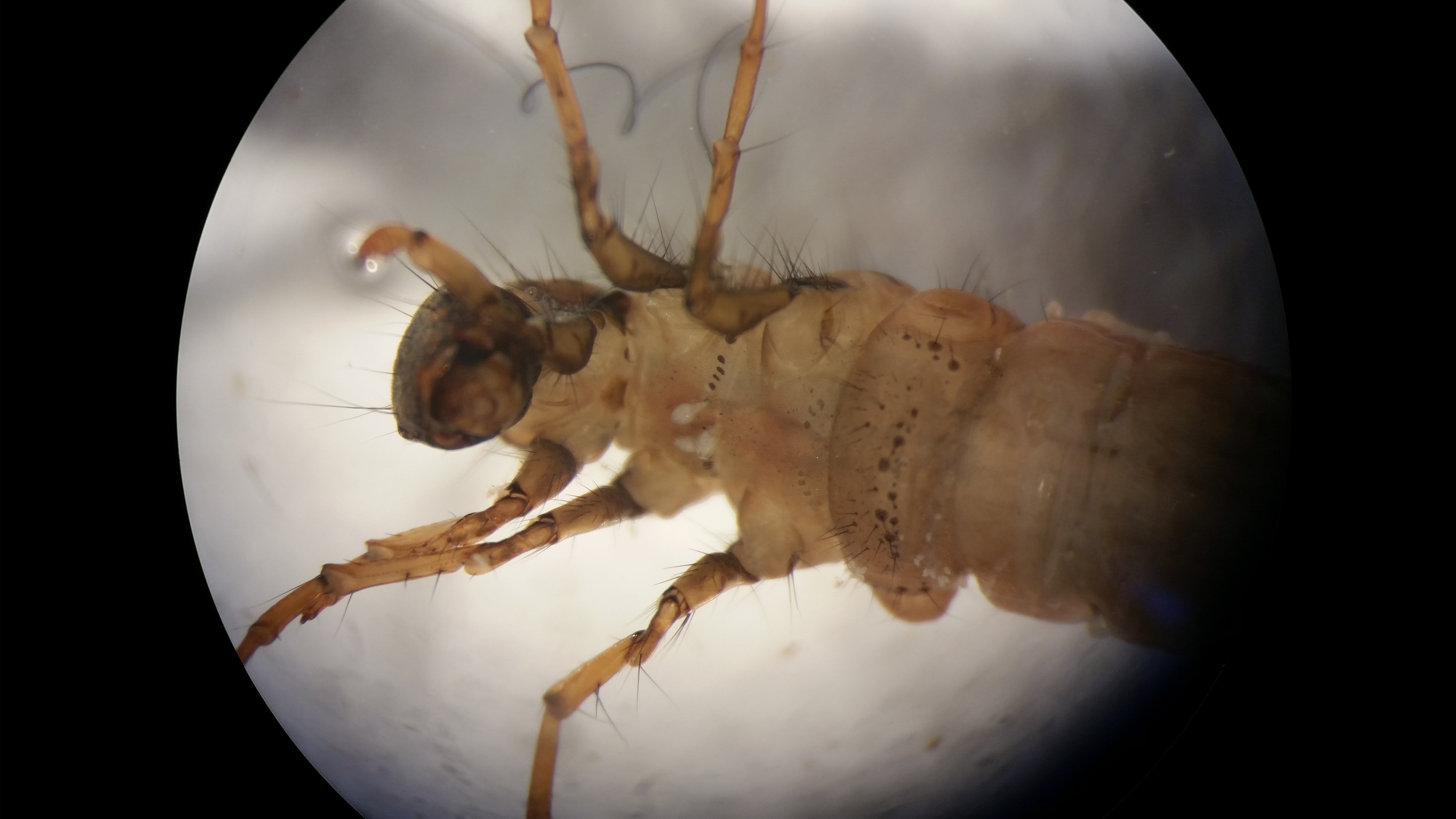
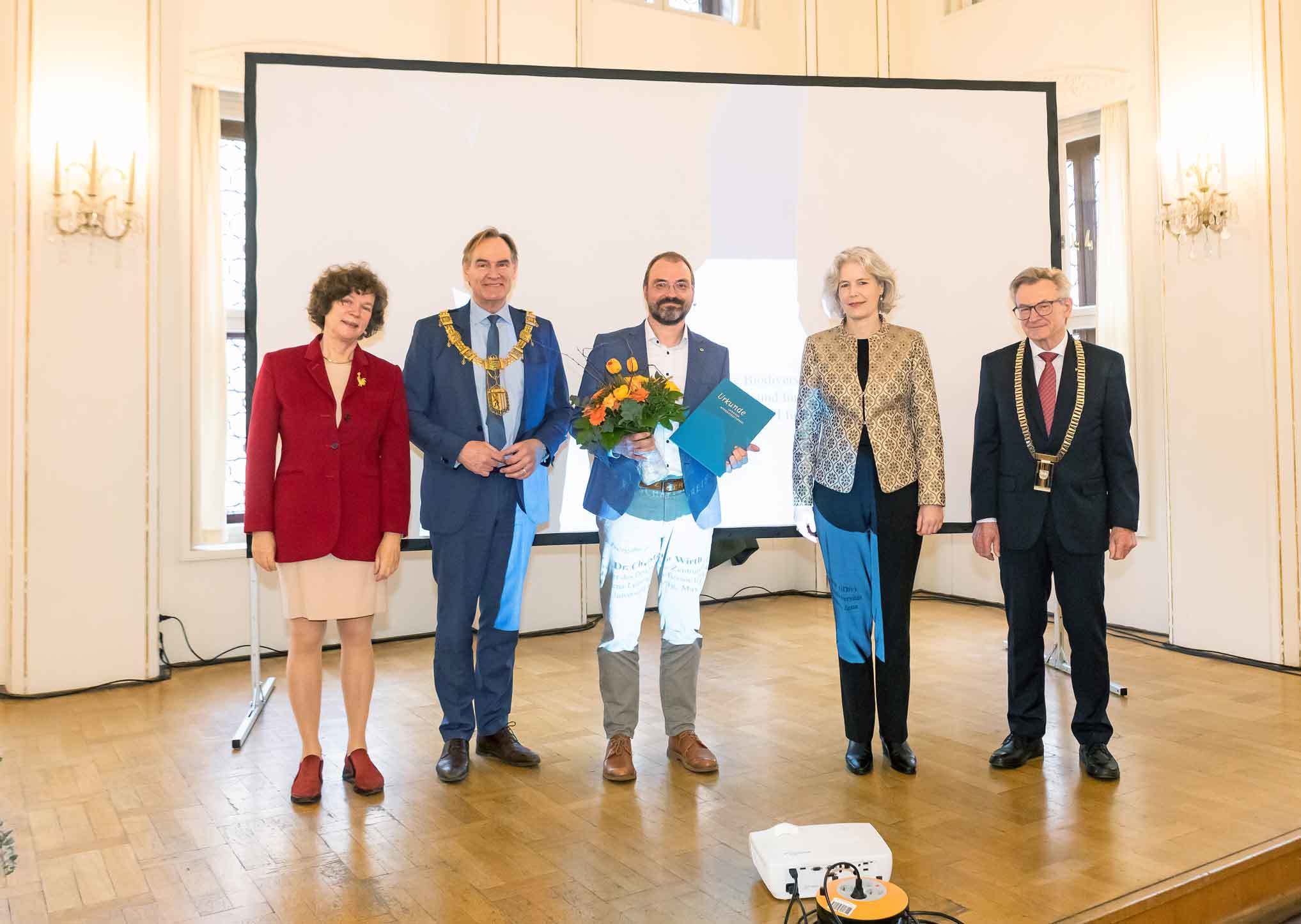
07.04.2022 | iDiv, iDiv Members, Media Release, TOP NEWS
Christian Wirth receives Leipzig Science and Humanities Prize 2022
Based on a media release by the City of Leipzig, Leipzig University and the Saxon Academy of Sciences and Humanities in Leipzig Leipzig. This year’s Leipzig Science and Humanities Prize goes to Christian Wirth, who is a professor for special botany and functional biodiversity at Leipzig University, a Fellow at the Max Planck Institute for Biogeochemistry in Jena, and Speaker of the German Centre for Integrative Biodiversity Research (iDiv). With this prize, the City of Leipzig, Leipzig University and the Saxon Academy of Sciences and Humanities in Leipzig honour researchers who meet the highest academic standards and thus reinforce Leipzig’s reputation as a city of science with a national and international reputation for its research and education landscape.
More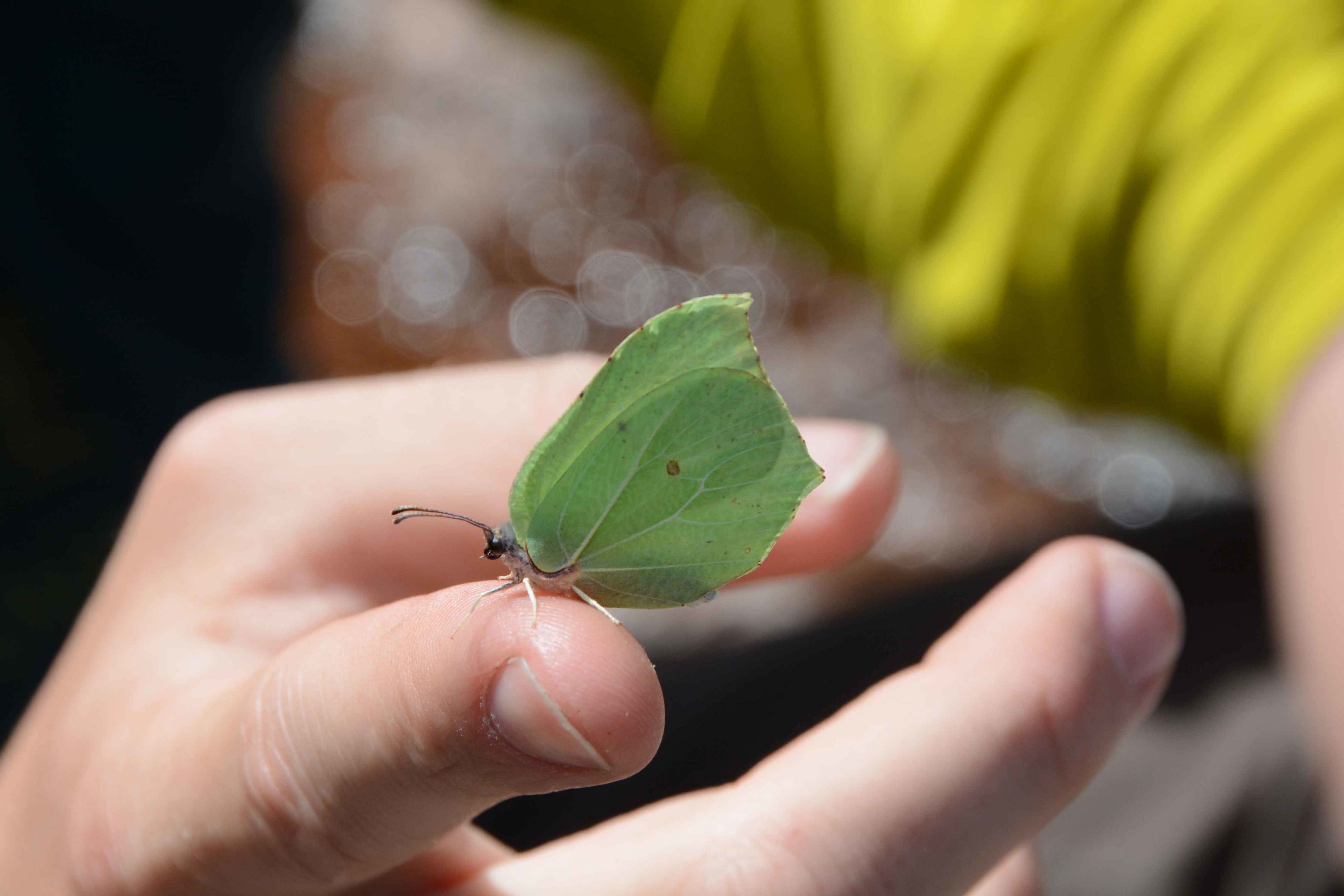
31.03.2022 | Biodiversity Conservation, iDiv Members, TOP NEWS
How can we improve biodiversity monitoring in Europe?
Based on a press release by the Martin Luther University Halle-Wittenberg (MLU) National biodiversity monitoring programmes in Europe face many challenges: too little coordination, inadequate technical and financial resources as well as unclear targets. This is the conclusion of an initial policy report by the Europe-wide project “EuropaBON”. The analysis includes data from more than 350 experts in policy, science and environmental protection. The team is also drafting a proposal for the transnational monitoring of Europe’s biodiversity and ecosystems.
More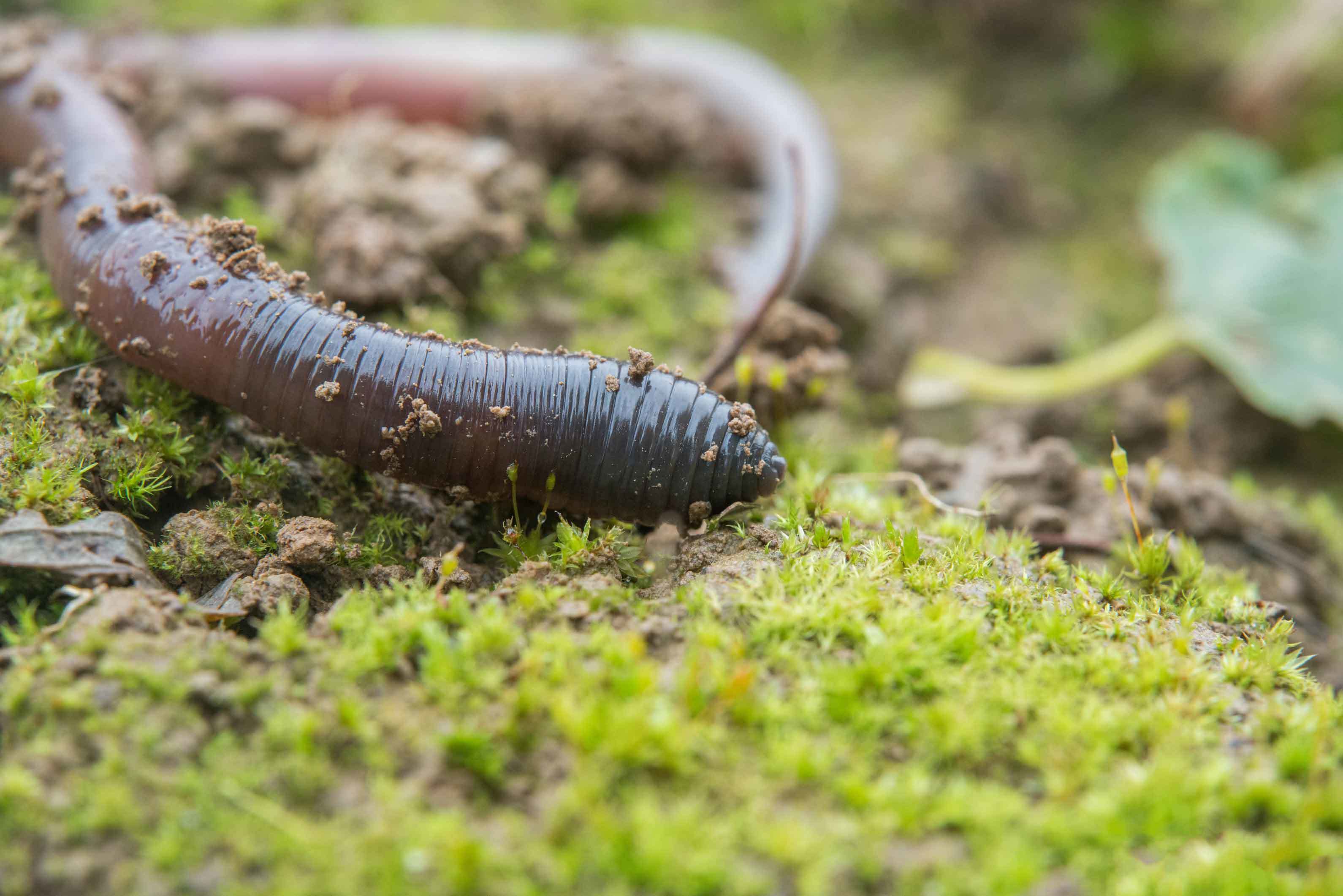
30.03.2022 | Experimental Interaction Ecology, Media Release, TOP NEWS
European earthworms reduce insect populations in North American forests
Leipzig/Calgary. Earthworms introduced into northern North America have a negative impact on the insect fauna above ground. Soil ecologists, led by the German Centre for Integrative Biodiversity Research (iDiv) and Leipzig University describe this observation in the journal Biology Letters. The researchers found this impact for abundance as well as for biomass and species richness of insects. Their results indicate that changes in insect communities can have causes that have previously received little attention. These should be given greater consideration in nature conservation.
More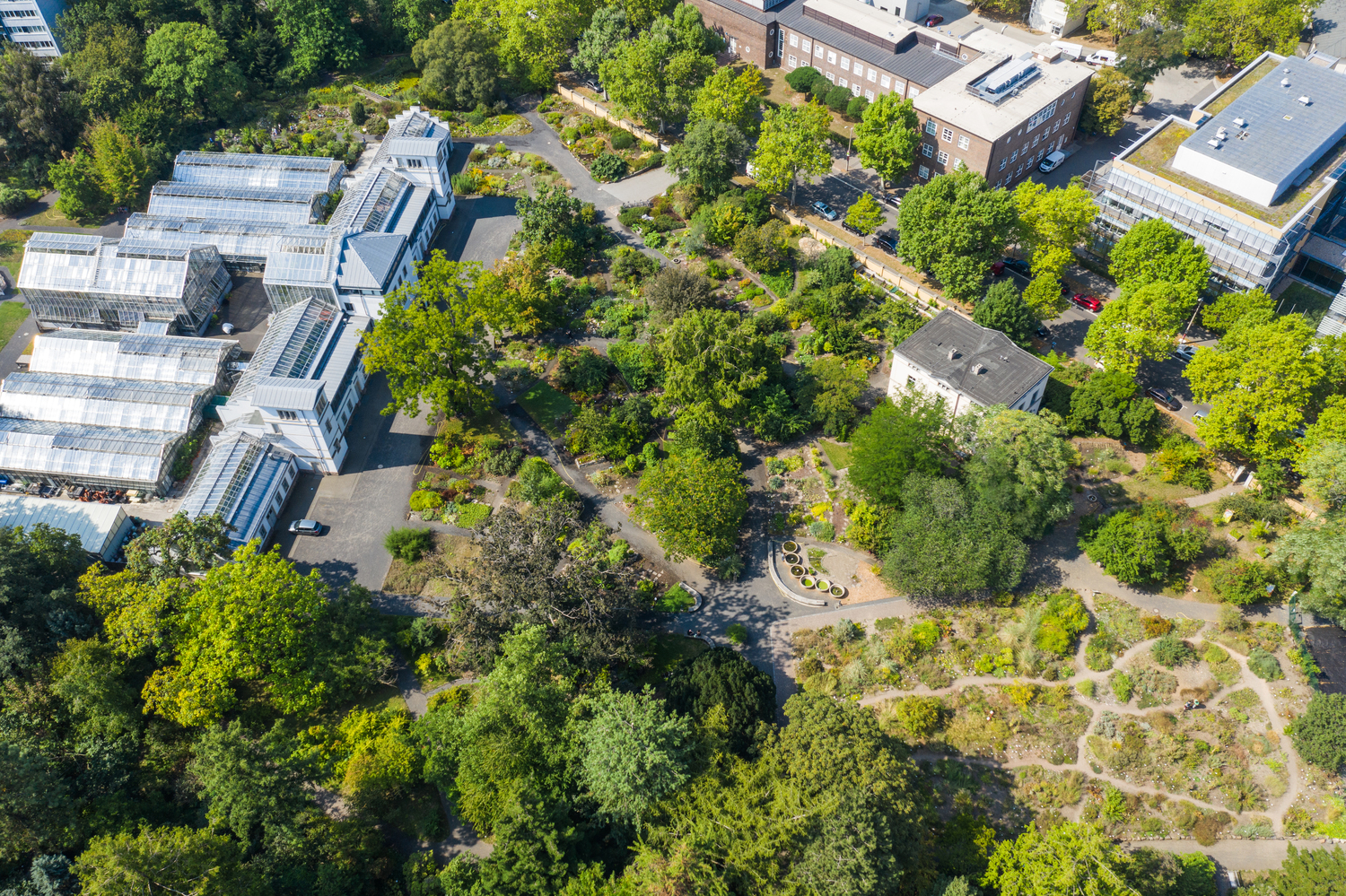
11.03.2022 | Biodiversity and People, TOP NEWS
Citizens, conservation and climate change
Biologists and botanists from the universities of Berlin, Halle, Jena and Leipzig, as well as the German Centre for Integrative Biodiversity Research (iDiv) and the Helmholtz Centre for Environmental Research (UFZ) invite citizens to participate in scientific research. In the “Plant ClimateCulture!” project, they can help to record the effects of climate change in cities by observing plants in their own and in the botanical gardens of the participating cities. The project results also contribute to making cities more climate-adapted and thus more sustainable and attractive to live in. Insights into the project and a lot of background information will be provided during a tour of the Botanical Garden of the University of Leipzig (Linnéstraße 1) on 20 March.
More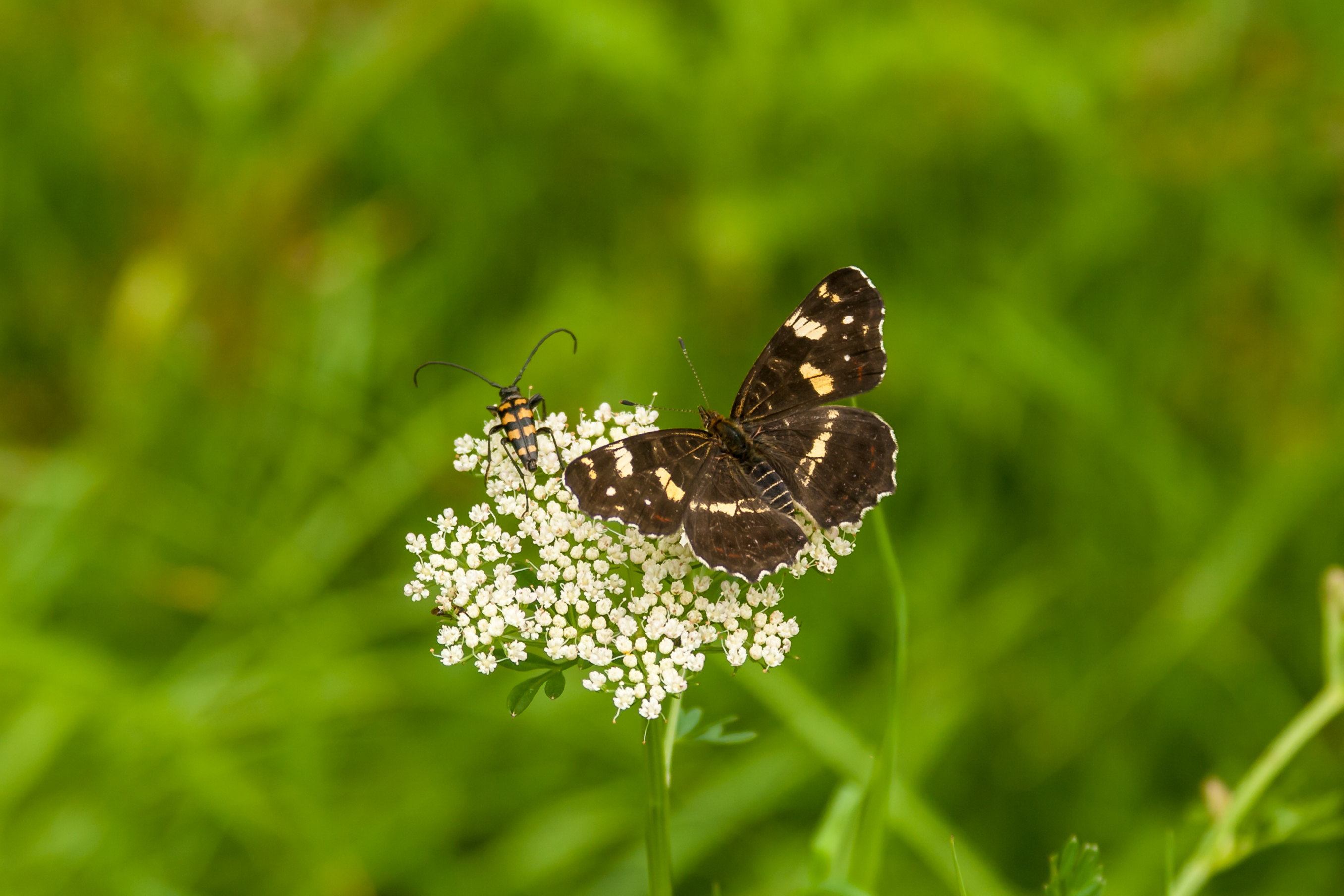
23.02.2022 | Biodiversity Synthesis, Media Release, TOP NEWS
While some insects are declining, others might be thriving
Leipzig/Halle/Jena. Observations of abundance changes in one group of insects– for example grasshoppers – say very little about how other types of insects, such as flies, are doing, even in the same place. This is because different groups of insects may show similar trends in one place, but dissimilar trends in other places. These are the findings of a new meta-study systematically examining long-term data on insects from more than 900 locations worldwide. The study, published in Biology Letters, was led by a team of researchers from the German Centre for Integrative Biodiversity Research (iDiv), the Martin Luther University Halle-Wittenberg (MLU), the Friedrich Schiller University Jena and the Helmholtz Centre for Environmental Research (UFZ). It highlights the importance of monitoring multiple groups of species simultaneously to provide guidelines for conservation policies.
More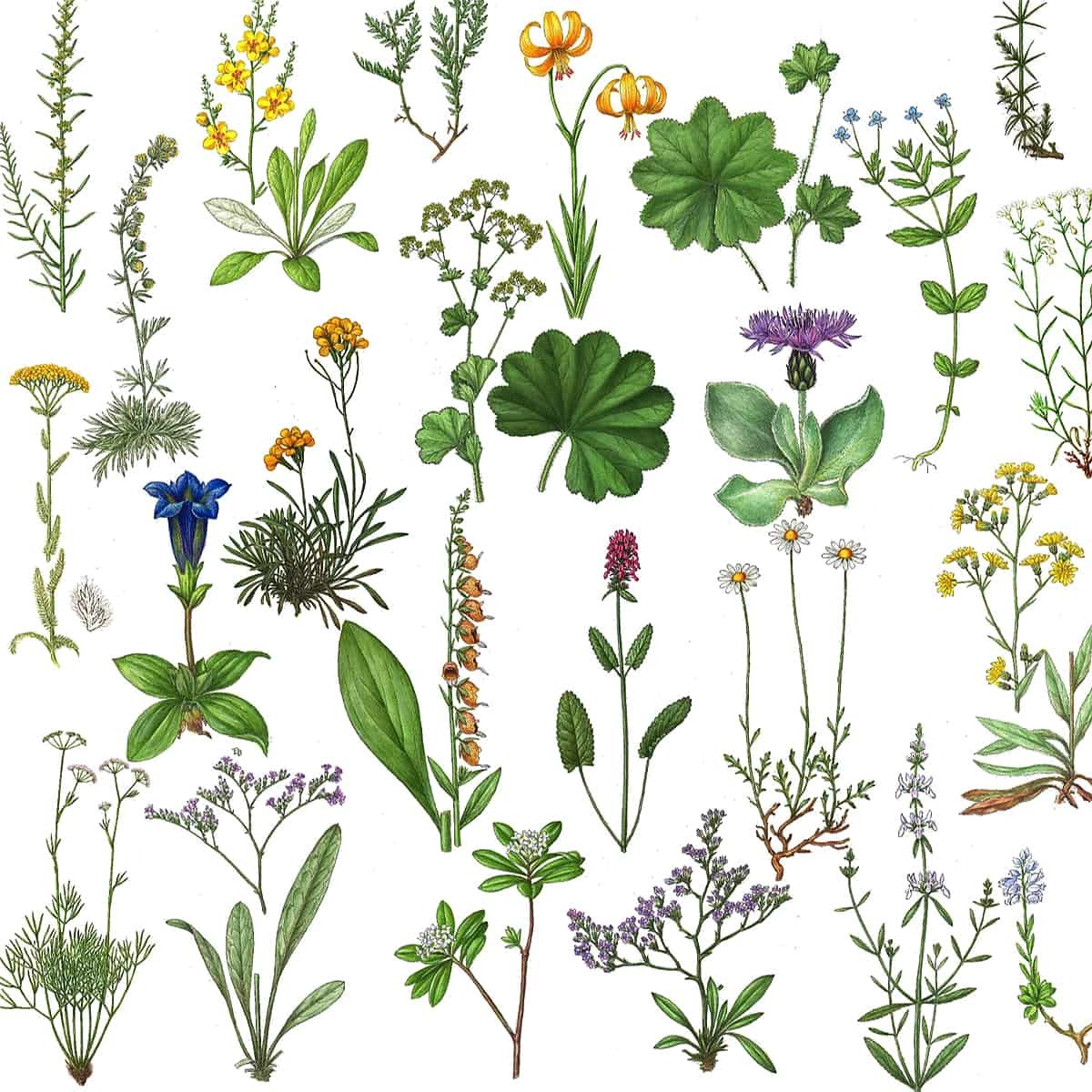
07.02.2022 | Biodiversity Conservation, Media Release, TOP NEWS
7 to 9 percent of all European vascular plants are globally threatened
Halle, Leipzig. Seven to nine percent of all vascular plant species occurring in Europe are globally threatened. This is the result of a study led by the German Centre for Integrative Biodiversity Research (iDiv), the Martin Luther University Halle-Wittenberg and Leipzig University. The researchers combined Red Lists of endangered plant species in Europe with data on their global distribution. The study has been published in the journal Plants, People, Planet. It helps assess the overall level of threat to plant species and thus supports the basis of international nature conservation activities.
More
03.02.2022 | Biodiversity and People, Media Release, TOP NEWS
Love of nature is partially heritable, study of twins shows
Based on a press release by PLoS Biology Singapore/Exeter/Brisbane/Leipzig. A person’s appreciation of nature and their tendency to visit natural spaces are heritable characteristics. This is the result of a large-scale study of UK twins between the National University of Singapore, the University of Exeter, the University of Queensland, the Helmholtz Centre for Environmental Research (UFZ), and the German Centre for Integrative Biodiversity Research (iDiv). The study has now been published in the journal PLoS Biology.
More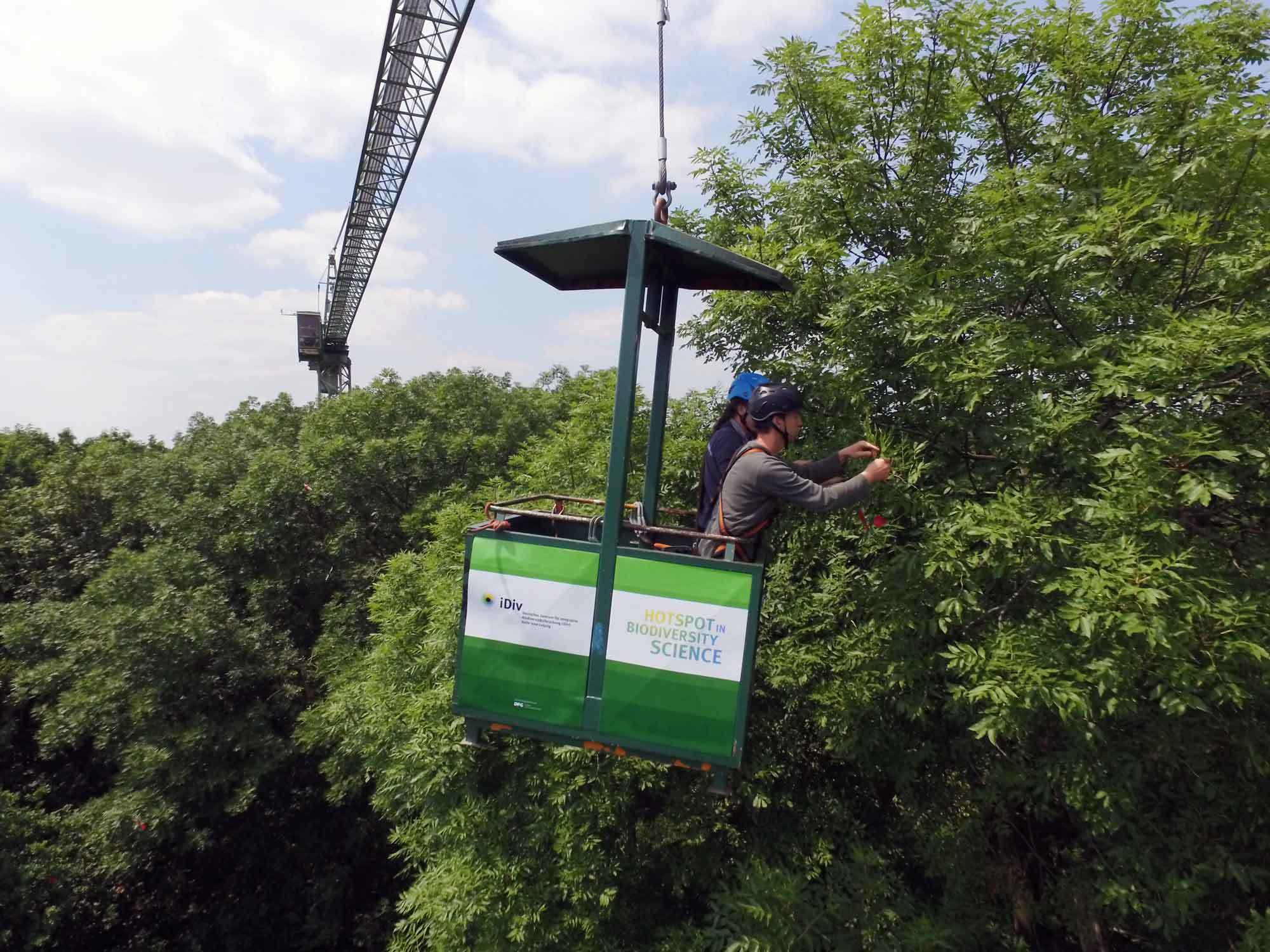
18.01.2022 | Media Release, Molecular Interaction Ecology, TOP NEWS
Trees call for help from birds and predatory insects
Leipzig/Jena. Trees emit scents when attacked by caterpillars and other herbivores. They use these to attract predatory insects and even birds, thus getting rid of their pests. This had only been demonstrated in smaller-scale experiments so far. A team of researchers led by the German Centre for Integrative Biodiversity Research (iDiv), the Friedrich Schiller University Jena and Leipzig University has now demonstrated this phenomenon for the first time in a natural habitat – in the 40-metre-high canopy of the Leipzig floodplain forest. The chemical calls for help are so effective that they significantly determine the composition of the insect community in the canopy. This knowledge could be used for future natural pest control in agriculture and forestry, the researchers write in the journal Ecology Letters.
More
17.01.2022 | Biodiversity Conservation, iDiv Members, Media Release, TOP NEWS, UFZ-News
Can “rewilding” synergize biodiversity conservation and sustainable regional development?
Based on a media release by Rewilding Oder Delta (ROD) and the UFZ The research project “REWILD_DE – Conservation of biodiversity and valorisation of ecosystem services through rewilding – learning from the Oder Delta”, funded by the German Federal Ministry of Education and Research (BMBF), started in November 2021. Scientists and practitioners are working together to explore the potential of rewilding for the restoration of biodiversity and the promotion of nature-based economic development in the model area of the Oder Delta in western Pomerania (north-eastern Germany). Furthermore, they will investigate to what extent the experiences and results gained during the project can be transferred beyond the project area and serve as a model for other regions. The project is coordinated at the Helmholtz Centre for Environmental Research (UFZ) with project 3 partners: the German Centre for Integrative Biodiversity Research (iDiv) at the Martin Luther University Halle-Wittenberg (MLU), the Eberswalde University for Sustainable Development (HNEE) and the association Rewilding Oder Delta (ROD), a practice partner in the study area.
More
14.01.2022 | iDiv, Media Release, TOP NEWS
Implementing global biodiversity targets in Central Germany
Leipzig. The environment ministers of the Central German states and representatives from nature conservation organizations and authorities today exchanged views on the implementation of the international biodiversity targets at the state level. The virtual meeting took place at the initiative of the German Center for Integrative Biodiversity Research (iDiv) in Leipzig and is part of a long-term dialogue.
More
04.01.2022 | Biodiversity and People, TOP NEWS
How to use ecosystem services in social-ecological networks
Leipzig. Social-ecological networks (SEN) have recently been proposed as a promising approach to conceptualise and analyse interactions and outcomes in social-ecological systems. In a social system, networks represent interactions between actors, such as knowledge exchange, trust, collaboration, which influence governance effectiveness. In ecology, networks depict biological nodes (e.g. species, patches) and processes that connect them (e.g., predation, landscape connectivity). Despite similarities in the approaches applied in both social sciences and ecology, these areas have developed largely in parallel without capitalising on their complementarity. As a result, there is limited integration of social and ecological theories, inclusion of ecological complexity in governance research, and vice versa. Building from different disciplines, in our new article in Trends in Ecology & Evolution we propose a typology to represent ecosystem service in SENs and identify opportunities and challenges of using SENs in ecosystem service research.
More
23.12.2021 | iDiv Members, Media Release, TOP NEWS
Climate and soil determine the distribution of plant traits
Based on a press release by the Max Planck Institute for Biogeochemistry Zurich/Jena/Leipzig. An international research team succeeded in identifying global factors that explain the diversity of form and function in plants. A team led by researchers from the University of Zurich, the Max Planck Institute for Biogeochemistry, Leipzig University and the German Centre for Integrative Biodiversity Research (iDiv), collected and analysed plant data from around the world. Their publication in Nature Ecology and Evolution for the first time shows for characteristics such as plant size, structure, and life span, how strongly these are determined by climate and soil properties. Insights derived from this could be crucial to improving Earth system models with regard to the role of plant diversity.
More
20.12.2021 | iDiv Members, Media Release, TOP NEWS
Extreme droughts also afflicting the Leipzig floodplain forest
Leipzig. The Leipzig floodplain forest was not equipped to endure two consecutive hotter drought years. Although the trees were able to partially cope with the 2018 drought, the accumulated and ongoing damage from drought stress caused their growth to collapse in the second drought year 2019. Depending on the tree species, this decrease in growth ranged from 9% to 42% when compared to climatically normal years. This is the result of a study published by a team led by the German Centre for Integrative Biodiversity Research (iDiv) in the journal Global Change Biology. The study may enable better understanding and prediction of how forests respond to climate change.
More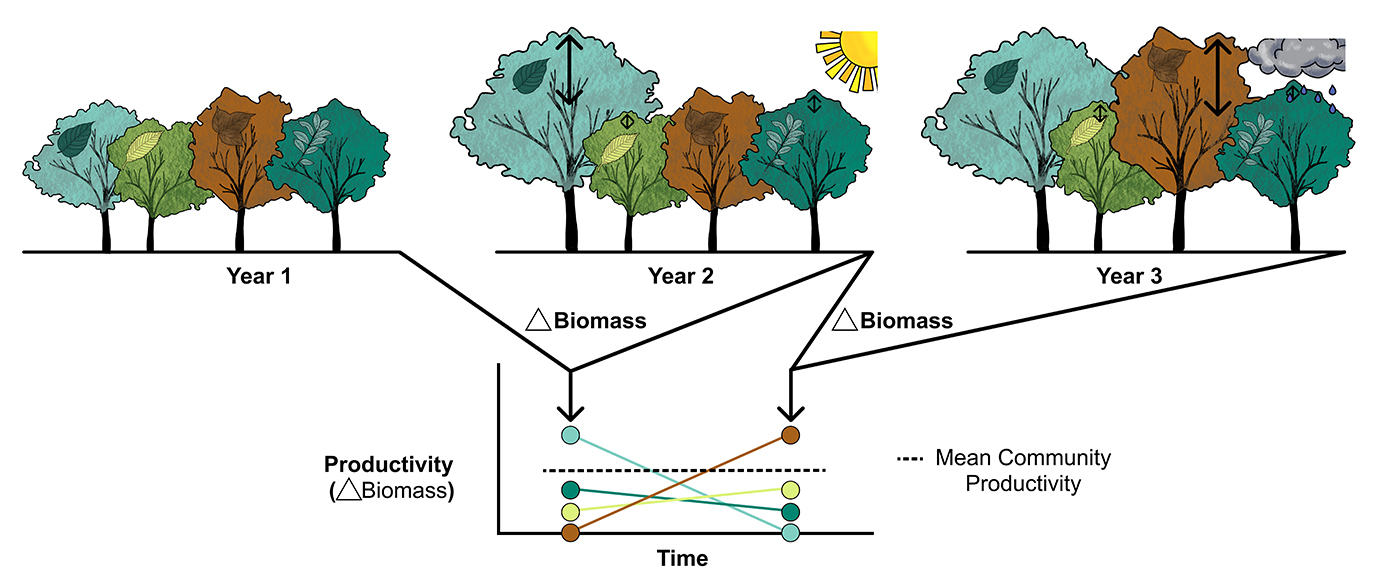
17.12.2021 | iDiv Members, Media Release, TOP NEWS
Well insured: Forests with many tree species grow more consistently
Leipzig / Beijing. The annual growth of forests fluctuates due to extreme climate conditions such as drought and heavy rainfall. These fluctuations are less pronounced in species-rich forests than in those with low species richness. Furthermore, forests with many different tree species produce more wood. It is not only a question of the species’ richness, but also the diversity of their functional characteristics. This has been shown by an international research team led by the German Centre for Integrative Biodiversity Research (iDiv) and the Chinese Academy of Sciences Beijing (CAS). The results of the study have been published in the journal Science Advances. They provide significant impetus for ways in which forestry can promote more reliable productivity.
More
13.12.2021 | iDiv, iDiv Members, Media Release, TOP NEWS
Sensational discovery in the Leipzig floodplain forest
Based on a media release by the Leipzig University Leipzig. Researchers and biology students from the University of Leipzig have discovered an extremely rare insect during a zoological field trip in the Leipzig floodplain forest: Bittacus hageni, belonging to the order of scorpionflies. The researchers caught several specimens in the leaf canopy of the Leipzig floodplain forest. This species is only found in very few places in Europe. In Germany, it was considered extinct until 2003. The find, which the researchers describe in the journal Entomologische Nachrichten und Berichte, highlights the importance of the Leipzig floodplain forest as a unique but endangered habitat. But it also proves the importance of student excursions to make valuable discoveries possible.
More
12.12.2021 | Research, sDiv, TOP NEWS
Uniqueness is disappearing
Based on a press release by the University of Konstanz Konstanz/Leipzig. Plant communities all over the planet are becoming more and more alike, even between regions far removed from each other. The reason is the dispersal of non-native plant species, according to the result of a global research project led by biologists from Konstanz and with the participation of the German Centre for Integrative Biodiversity Research (iDiv). The results of the study, which were published in the journal Nature Communications, highlight the importance of effective protective measures in order to maintain regional uniqueness.
More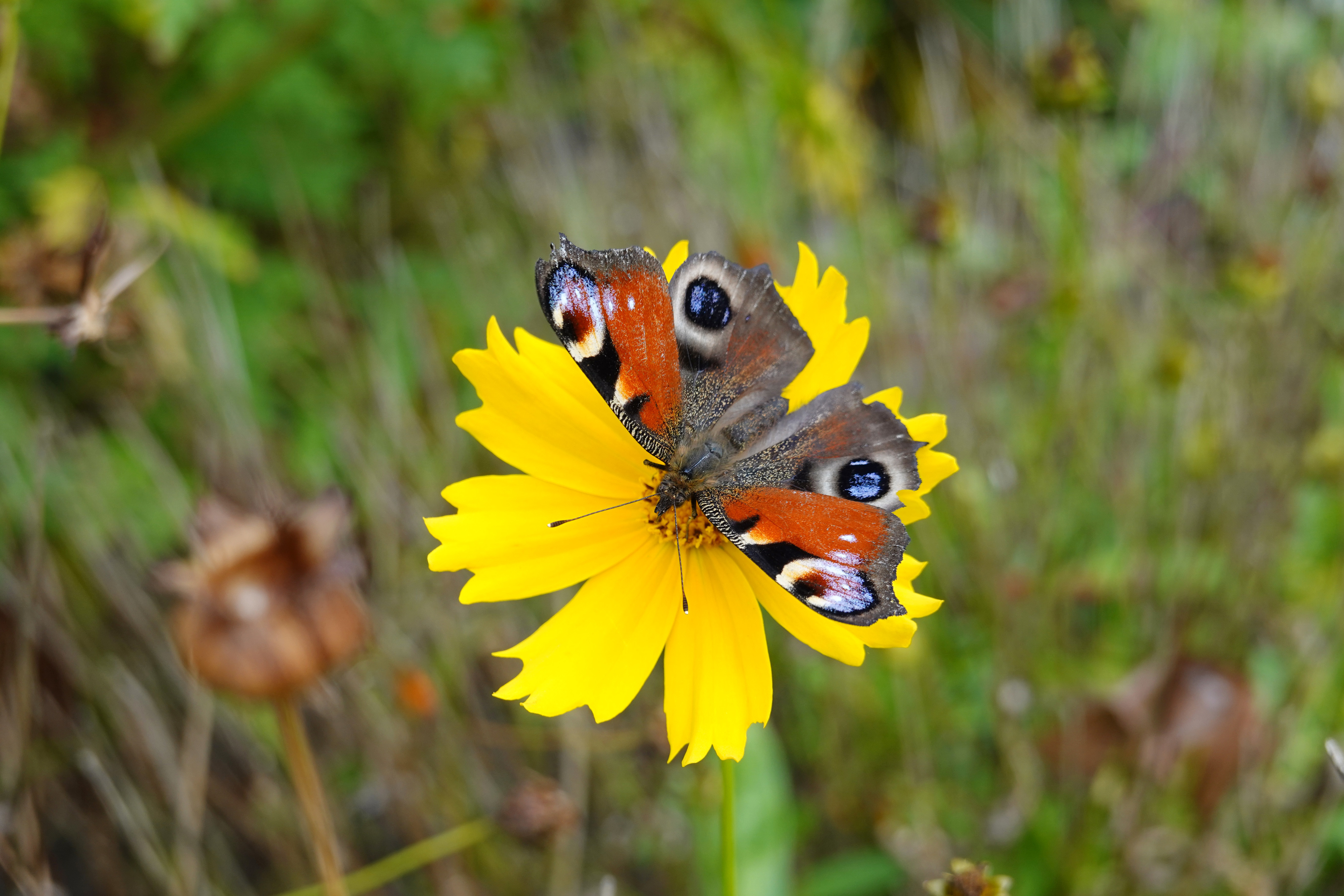
10.12.2021 | Biodiversity and People, Media Release, TOP NEWS
Enjoying nature conservation and doing something good for nature
Based on a media release by the Thünen Institute of Biodiversity
More
09.12.2021 | Biodiversity Economics, Media Release, sDiv, TOP NEWS
Let tropical forests grow again
Based on a media release by Wageningen University Wageningen/Leipzig. Tropical forests are vanishing at an alarming rate through deforestation, but also have the potential to regrow naturally on abandoned lands. A study published this week in Science shows that regrowing tropical forests recover surprisingly fast. After 20 years, characteristic attributes have recovered by an average of nearly 80% of old-growth forest values. This applies e.g. to soil fertility, soil carbon storage, tree diversity, plant functioning and forest structure. The study led by Wageningen University with support from the German Centre for Integrative Biodiversity Research (iDiv) concludes that natural regeneration is a low-cost, nature-based solution for climate change mitigation, biodiversity conservation, and ecosystem restoration.
More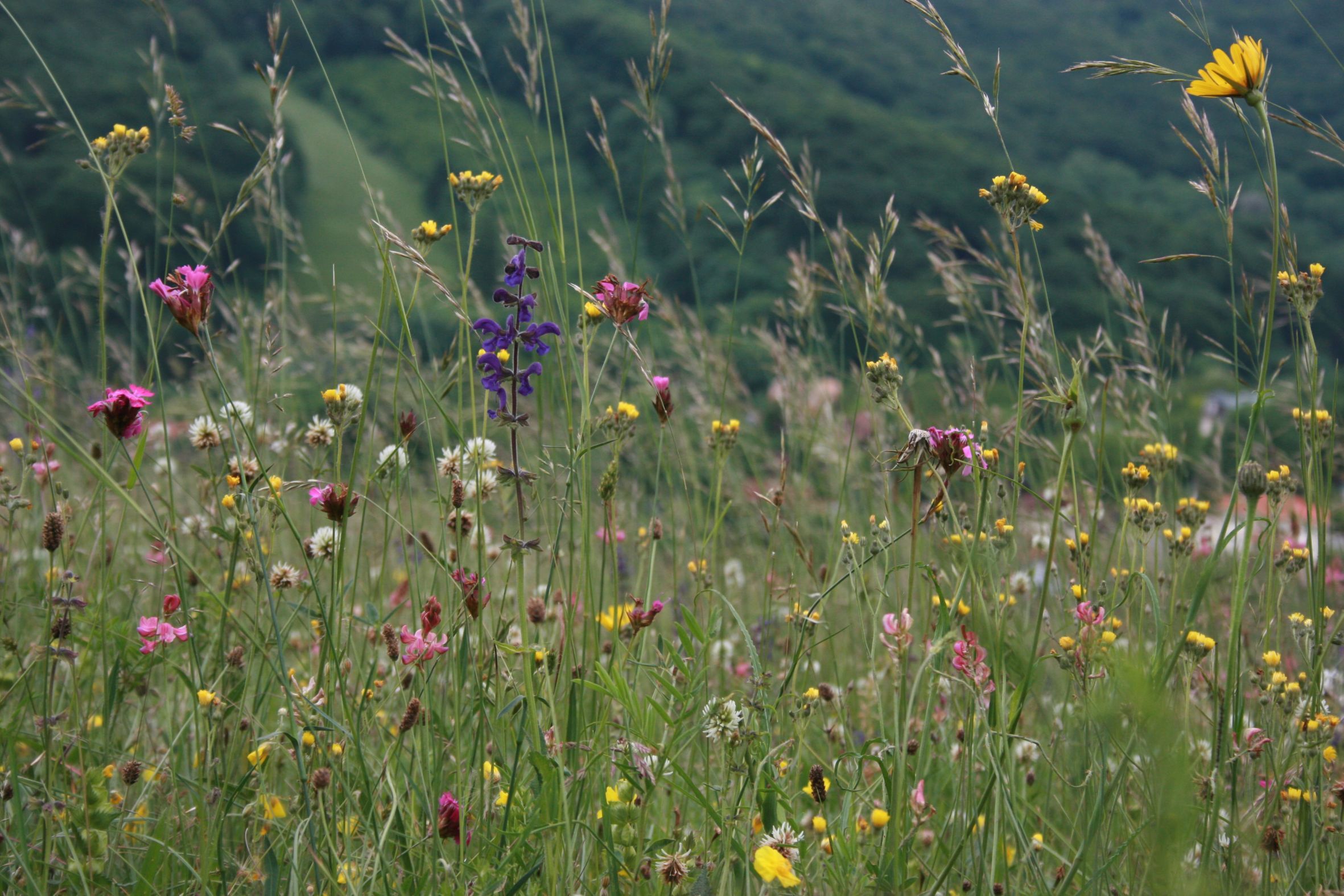
09.12.2021 | Biodiversity Conservation, Media Release, sDiv, TOP NEWS
Widespread plants displace rarer species across habitats
Based on a press release by the Austrian Academy of Sciences (ÖAW) Leipzig/Vienna. Widespread species are on the rise in several European ecosystems and are replacing rarer plant species. As a result, distinct habitats are becoming increasingly similar in species composition. An international team led by the German Centre for Integrative Biodiversity Research (iDiv) and the Martin Luther University Halle-Wittenberg (MLU) with the participation of the Austrian Academy of Sciences (ÖAW) has found supporting evidence for this development in mountain summits as well as in forests and lowland grasslands. A proposed reason for this species shift could be increased nutrient levels in soils caused by agriculture and air pollution. The results of the study have been published in the journal Ecology Letters.
More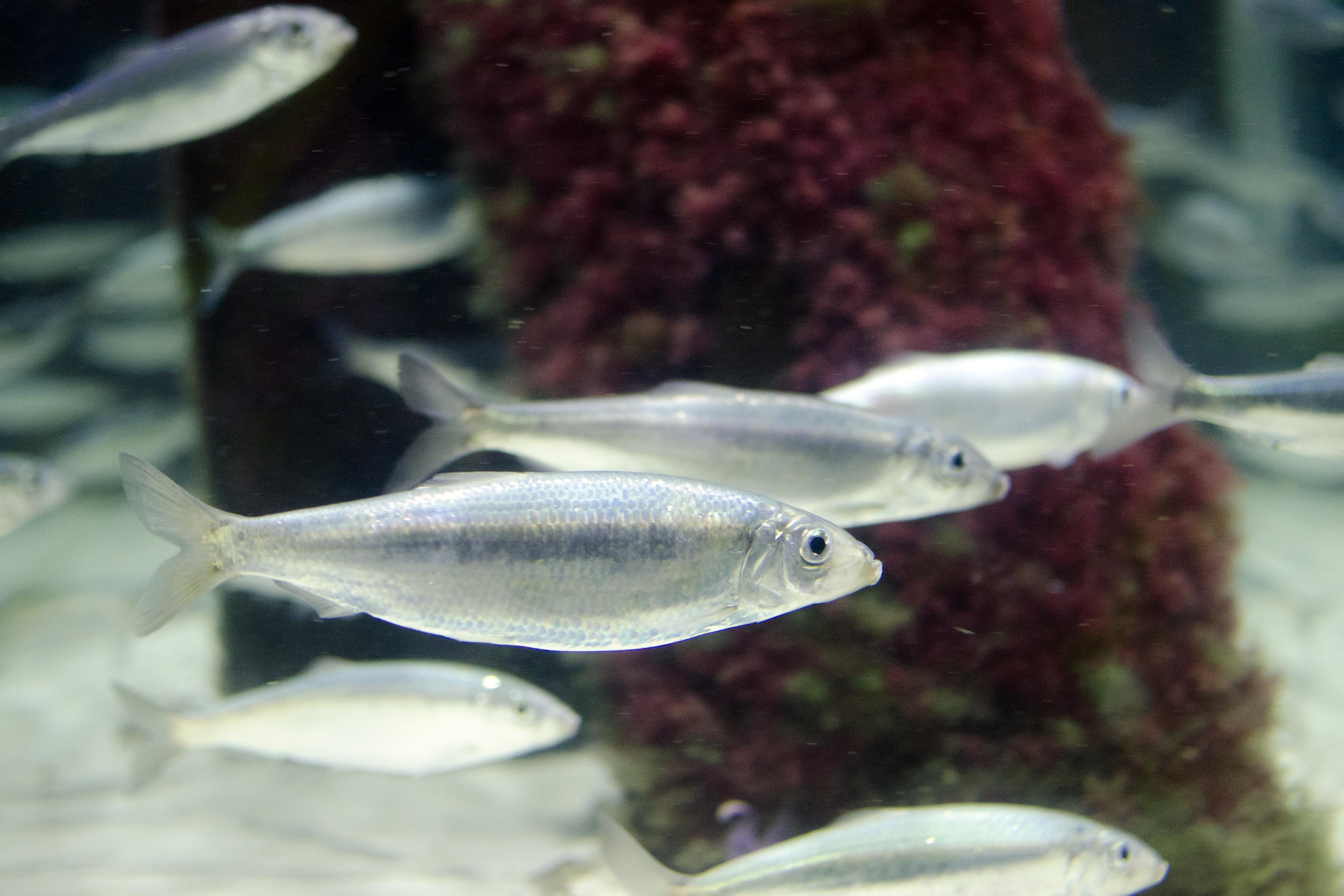
01.12.2021 | Biodiversity Economics, Media Release, TOP NEWS
Climatic changes and overfishing depleted Baltic herring long before industrialisation
Joint media release with Kiel University Kiel/Leipzig. The collapse of the important herring fishery in the western Baltic Sea towards the end of the 16th century was the result of a combination of overfishing and climate change. The researchers see similarities in the current development of German fish stocks. A team of fisheries economists, historians and biologists from Kiel University (CAU), the German Centre for Integrative Biodiversity Research (iDiv) and Leipzig University has reconstructed herring catch levels in the Baltic Sea between 1200 and 1650. The by far most important fishery for autumn spawning herring at that time collapsed within a very short period, without recovering until today. The study, for which they evaluated historical sources, was published in the journal Hansische Geschichtsblätter.
More
16.11.2021 | TOP NEWS
Highly Cited Researchers 2021
Clarivate Analytics lists eight iDiv members in its 2021 selection of “Highly Cited Researchers”. According to Clarivate Analytics, these scientists have demonstrated significant influence through publication of multiple papers, highly cited by their peers, during the last decade.
More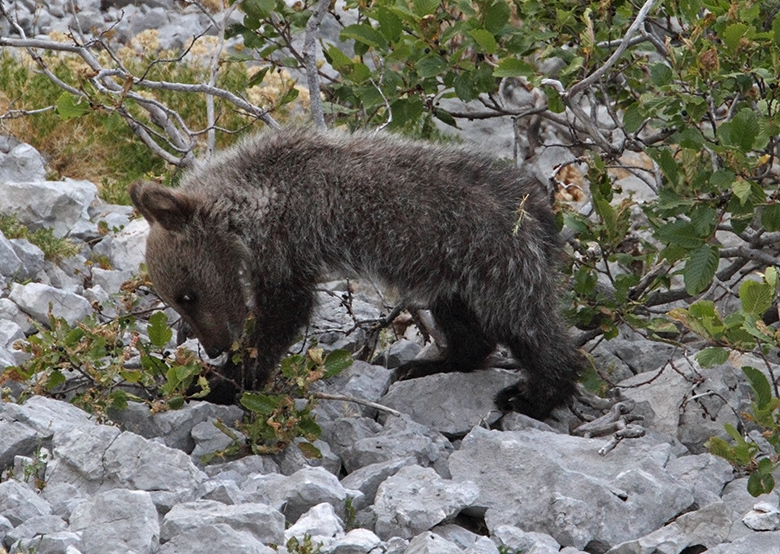
03.11.2021 | Media Release, Research, Theory in Biodiversity Science, TOP NEWS
Where the wild bears are
Leipzig/Jena/Oxford. New software helps determine the movements of large wild animals thereby minimising conflicts with people. The software is simpler than measurements obtained using radio transmitters and can be used where conventional methods fail. An international team led by the German Centre for Integrative Biodiversity Research (iDiv), the Friedrich Schiller University Jena, Aarhus University and the University of Oxford has published a description of the new software in the journal Methods in Ecology and Evolution.
More