A new analysis sheds light on the most likely route for the Carthaginian general’s famous crossing of the Alps. The study, led by the German Centre for Integrative Biodiversity Research (iDiv), the Friedrich Schiller University Jena, and the University of Oxford, reveal that the Col de la Traversette would have provided the most energy-efficient route. The findings have been published in Proceedings of the National Academy of Sciences (PNAS).
The study provides a novel perspective on one of history’s most famous military journeys: Hannibal’s route across the Alps in 218 BC with an army of 40,00 men, 7,000 horses and 37 war elephants. The researchers applied a bioenergetic approach to evaluate competing theories about Hannibal’s crossing by focusing on the energy demands of the journey, particularly for the army’s war elephants.
The findings support the Col de la Traversette as the more likely route, rather than the Col du Clapier, which previously was the leading candidate. Using route modelling and elevation data, the team estimated the energy cost of each possible Alpine crossing. This drew on modelling methods based on contemporary African elephants which estimate the energy costs of movement based on body mass and terrain slope.
The results suggest that the Col de la Traversette would have been the shortest and most energetically efficient route, with a total cost for the whole army of 5.42 TJ (10^12 joules). The route ranked second, at 6.02 TJ, crossed the Alps at the Col de Montgenèvre and reached the Po Valley from Susa. The Col du Clapier route was ranked third at 6.28 TJ, while the route crossing Col du Mont Cenis was the least efficient option at 6.45 TJ.
Compared with the Traversette route, the routes via Col de Montgenèvre, Col du Clapier and Col du Mont Cenis would have required 11%, 16% and 19% more energy for the army as a whole, respectively.
The team’s results also underline the biological challenge of moving the army through the mountains. On the Traversette route, the men would have lost 19% of their body fat reserves during the crossing, potentially explaining their high mortality. Surprisingly, the model suggests that the war elephants would have fared better, only losing 4% of their reserves. Such high energy reserves likely explain why many, if not most, elephants survived the crossing.
The study demonstrates how movement ecology can offer new perspectives on Hannibal’s decision-making, and how interdisciplinary research can shed new light on historical events by combining ancient sources with modern analytical methods.
Study co-author Professor Fritz Vollrath from the University of Oxford and Save the Elephants UK says: “Applying insights gained from studying the energetics of African elephants in Kenya is bringing a novel dimension to the longstanding debate over Hannibal’s Alpine crossing.”
Co-author Dr Emilio Berti from iDiv and the University of Jena adds: “The question of Hannibal’s exact route has been debated for generations. The new analysis does not eliminate all ambiguity, but it does strengthen the case for the Traversette route by demonstrating that it would better accommodate the demands of moving a large army that included elephants through extremely difficult alpine terrain.”
It is still unclear why exactly Hannibal used elephants during the Punic wars. Potentially, he intended them to provide a tactical element of surprise in his first battles against the Romans. Alternatively, he may have hoped they would awe and help recruit the Celts of Northern Italy to his side.
Original publication
(Researchers with iDiv affiliation bolded)
Berti, E. & Vollrath, F. (2026). Energy costs of Hannibal’s alpine crossing. Proceedings of the National Academy of Sciences. DOI: 10.1073/pnas.2612764123
Contact
Dr Emilio Berti
German Centre for Integrative Biodiversity Research Halle-Jena-Leipzig – iDiv
Friedrich Schiller University Jena
phone: +49 341 97 33240
email: emilio.berti@idiv.de
webpage: https://www.idiv.de/staff/emilio-berti/
Dr Volker Hahn
Head of Impact and Spokesman
German Centre for Integrative Biodiversity Research Halle-Jena-Leipzig – iDiv
phone: +49 341 97 33154
email: volker.hahn@idiv.de
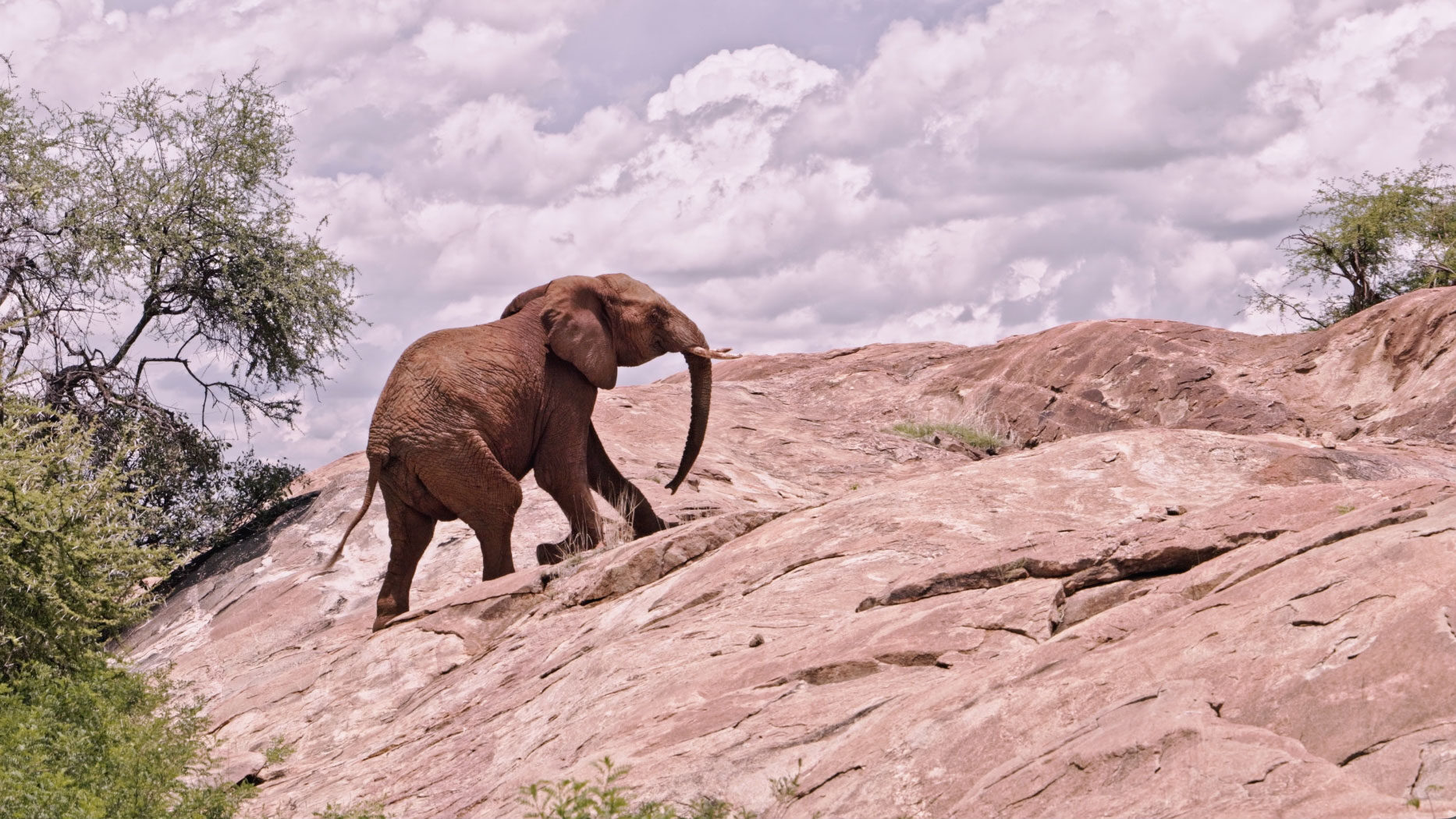
The energy demands for the various routes that Hannibal’s elephants might have taken differ considerably. The photo shows an African elephant near Mount Kenya.
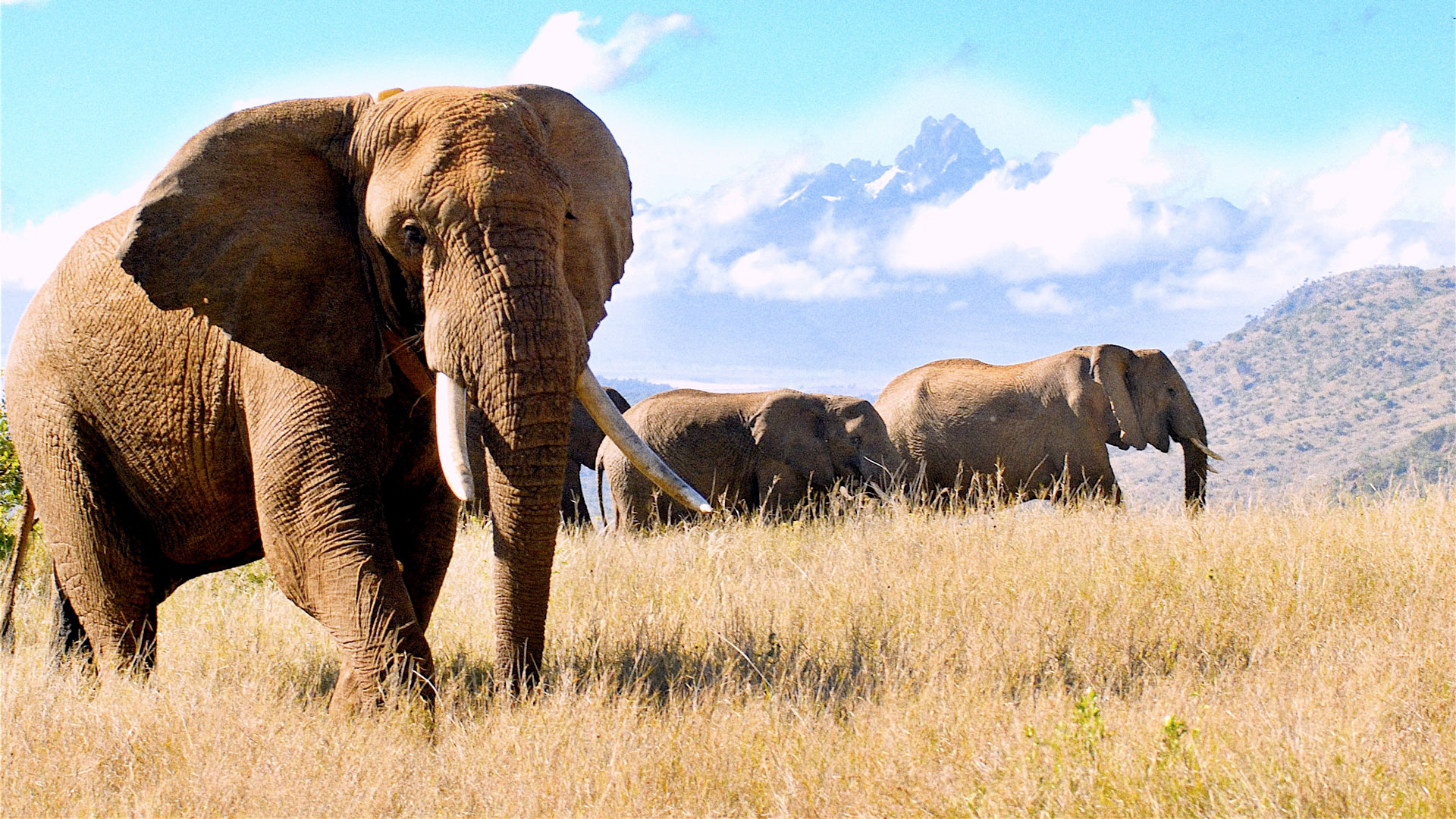
Thirty-seven African elephants marched with Hannibal across the Alps. The photo was taken on Mount Kenya.
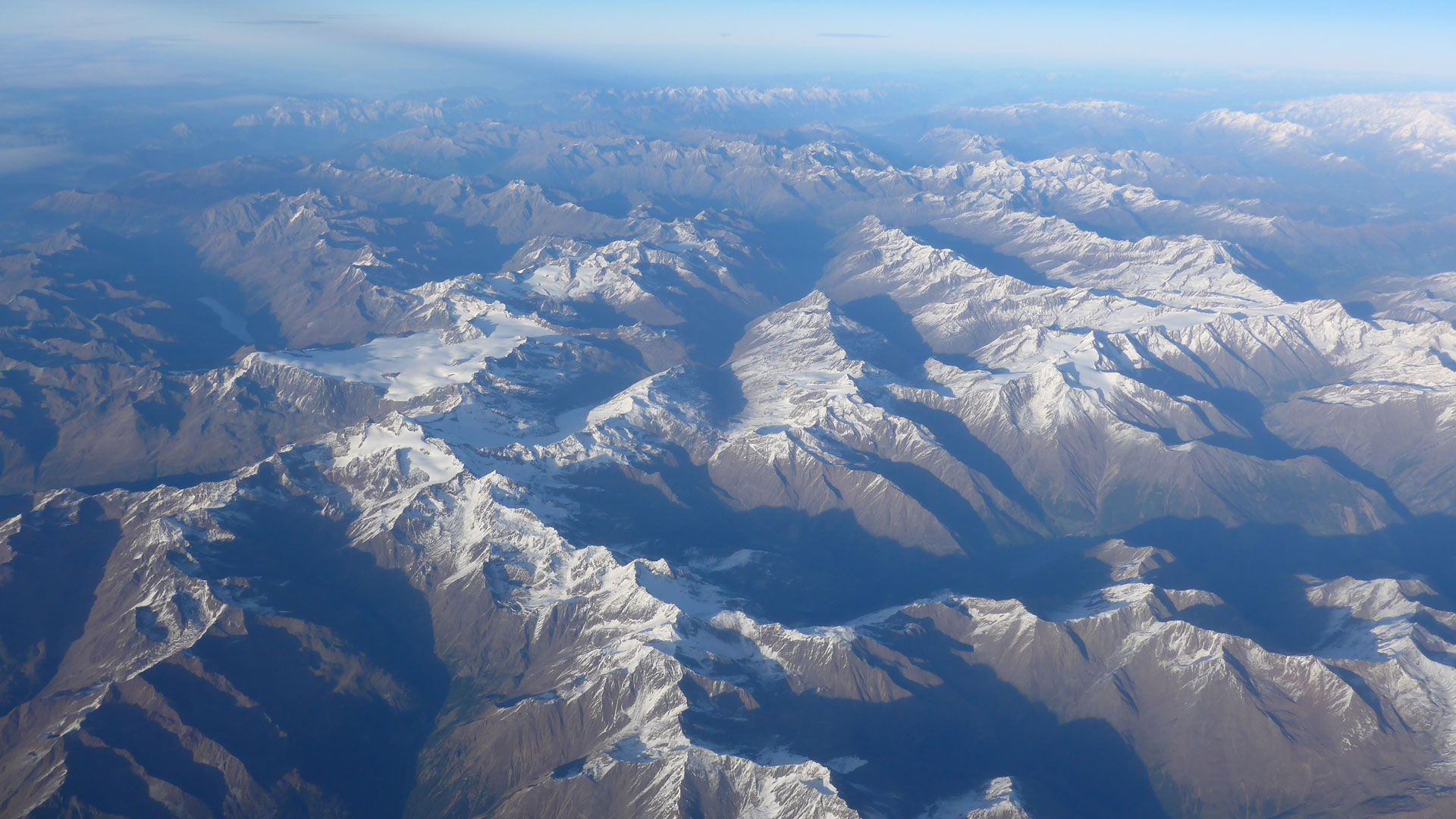
In October, the Alpine peaks are covered in snow. Hannibal crossed the mountains around this time of year.
Please note: Use of the pictures provided by iDiv is permitted for reports related to this media release only, and under the condition that credit is given to the picture originator.