05.10.2026 | Blog Post, Experimental Interaction Ecology, iDiv, Soil Biodiversity and Functions
iDiv expert shares insights from landmark soil assessment
More
15.07.2026 | Experimental Interaction Ecology, Media Release, Research
Biodiversity does not enhance productivity equally across all ecosystems under climate extremes
More
01.07.2026 | Experimental Interaction Ecology, Media Release, Theory in Biodiversity Science
Complex food webs sustain ecosystem functioning
More
16.02.2026 | Experimental Interaction Ecology, iDiv, Media Release, Research
Intensive Grazing and Soil Fertility Favour the Growth of Non-native Plants
More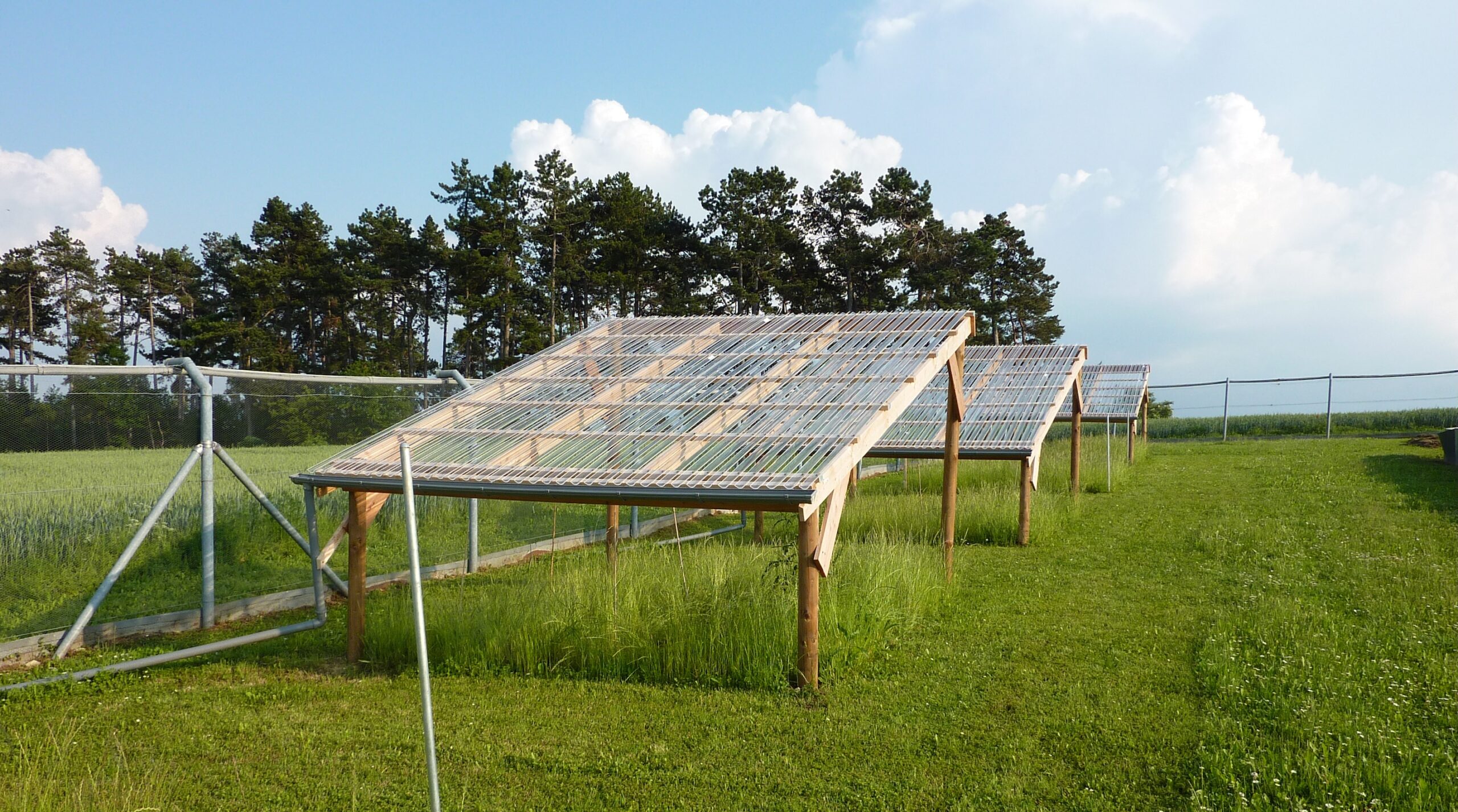
17.10.2025 | Experimental Interaction Ecology, Media Release, Research
Research shows how extreme and prolonged drought causes unprecedented productivity loss
More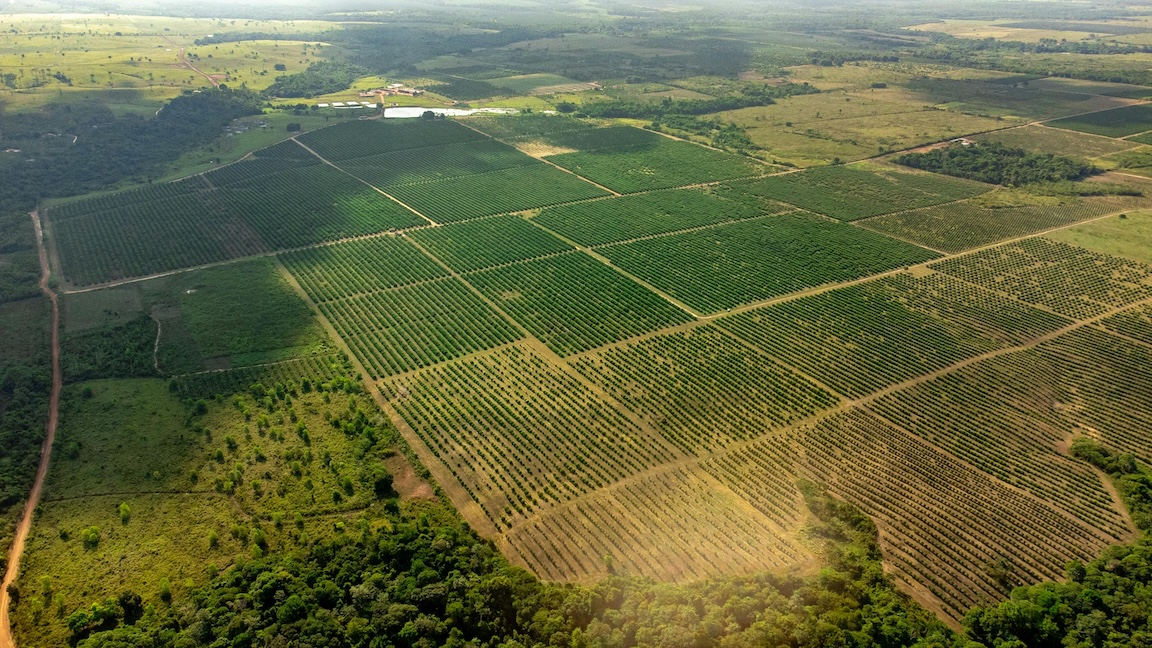
09.07.2025 | Experimental Interaction Ecology, iDiv, Media Release, Theory in Biodiversity Science
The right mix and planting pattern of trees enhance forest productivity and services
More
10.06.2025 | Experimental Interaction Ecology, iDiv, Media Release
iDiv Research Group Experimental Interaction Ecology honoured with “Best Research Environment” award
More
24.03.2025 | Experimental Interaction Ecology, iDiv Members, Media Release
Tree diversity helps reduce heat peaks in forests
More
20.03.2025 | Experimental Interaction Ecology, Media Release, Research
Resource-efficient tree species grow faster under real conditions, study shows
More
19.02.2025 | Experimental Interaction Ecology, iDiv, Media Release
Translating Soil Biodiversity receives Grüter Prize
The Werner and Inge Grüter Foundation’s 2025 Award for Science Communication goes to ‘Translating Soil Biodiversity’.
More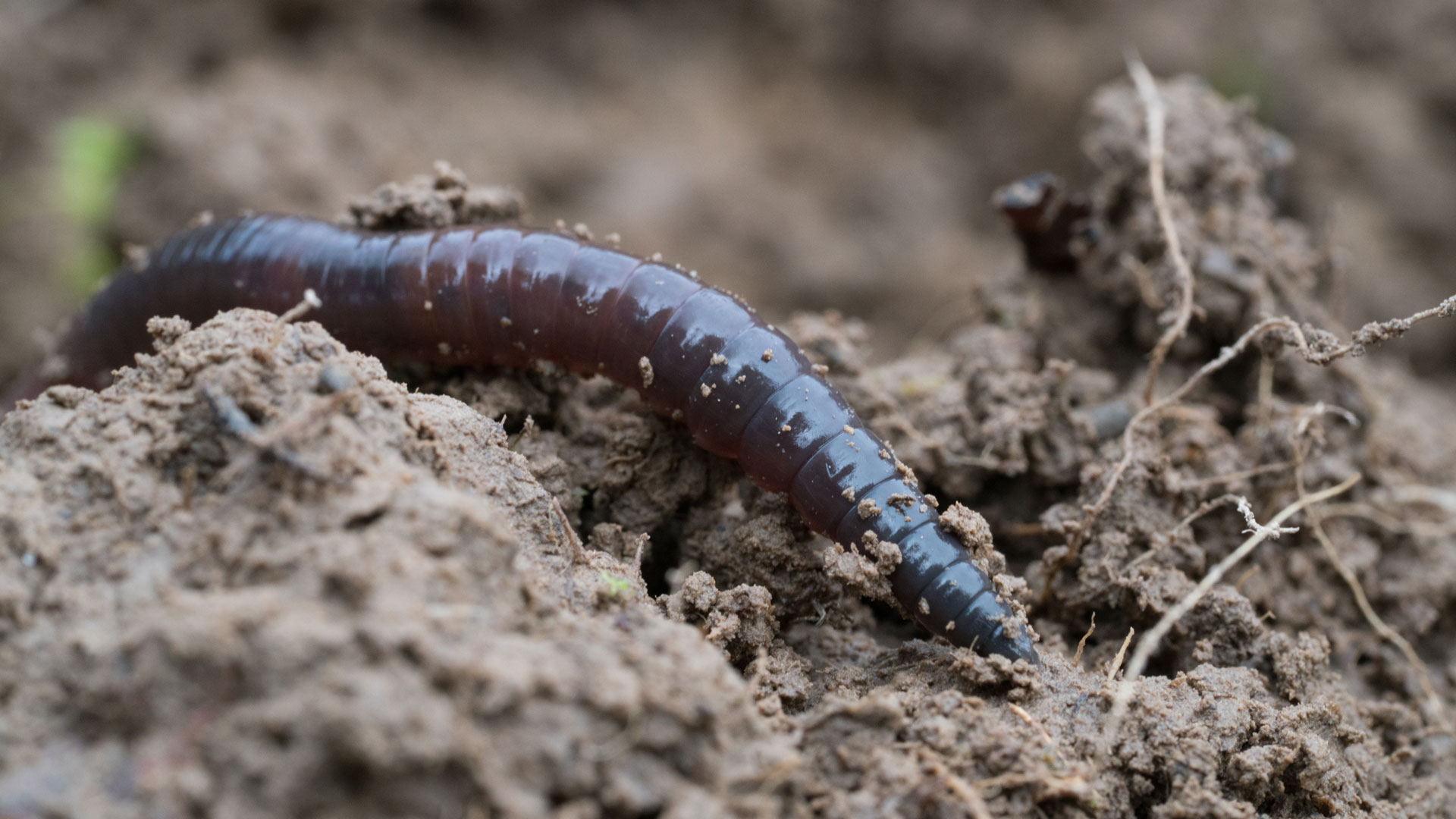
13.02.2025 | Experimental Interaction Ecology, iDiv, Media Release, Research, sDiv
Hidden engineers help shape terrestrial ecosystems
A new paper in Nature shows how soil invertebrates’ engineering effects drive global ecosystem functions.
More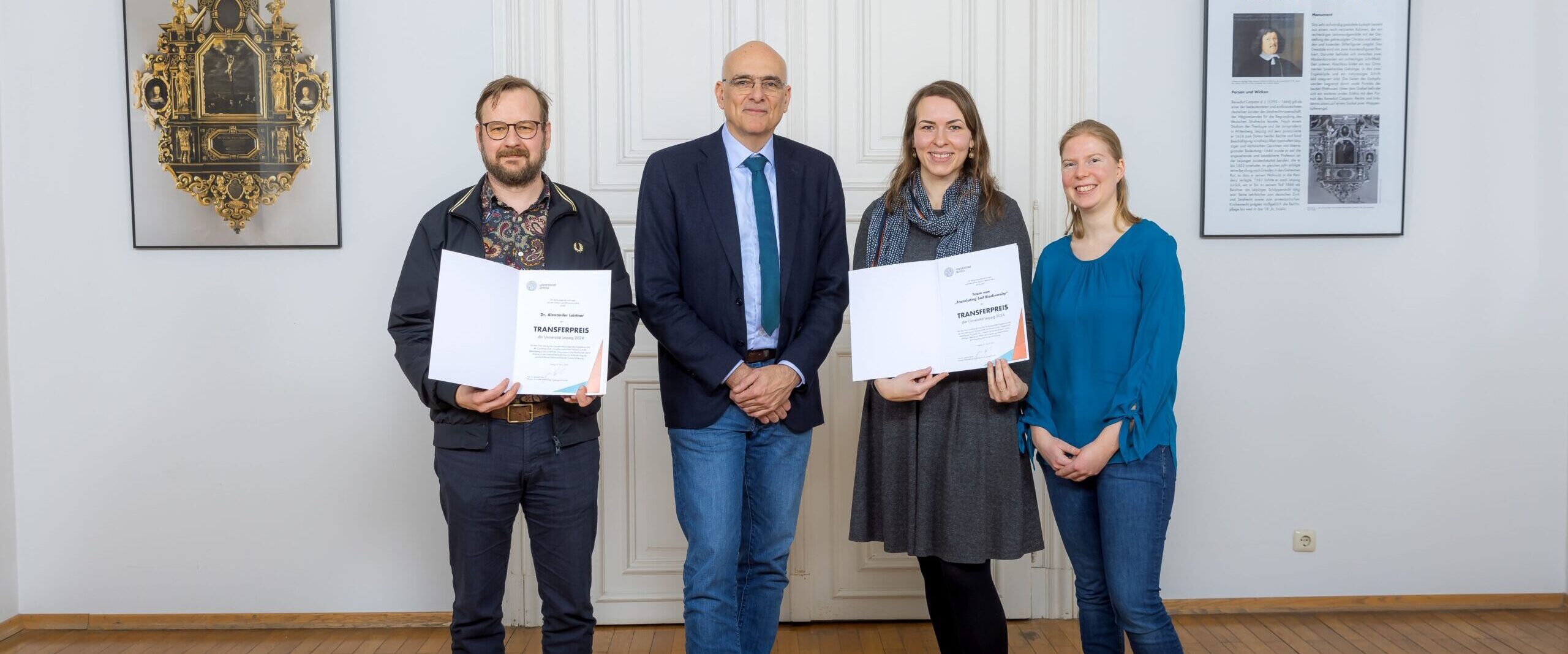
30.01.2025 | Experimental Interaction Ecology, iDiv, Media Release
Transfer prize for Translating Soil Biodiversity project
The team behind the ‘Translating Soil Biodiversity’ project at the German Centre for Integrative Biodiversity Research (iDiv) has been awarded the Transfer Prize of Leipzig University.
More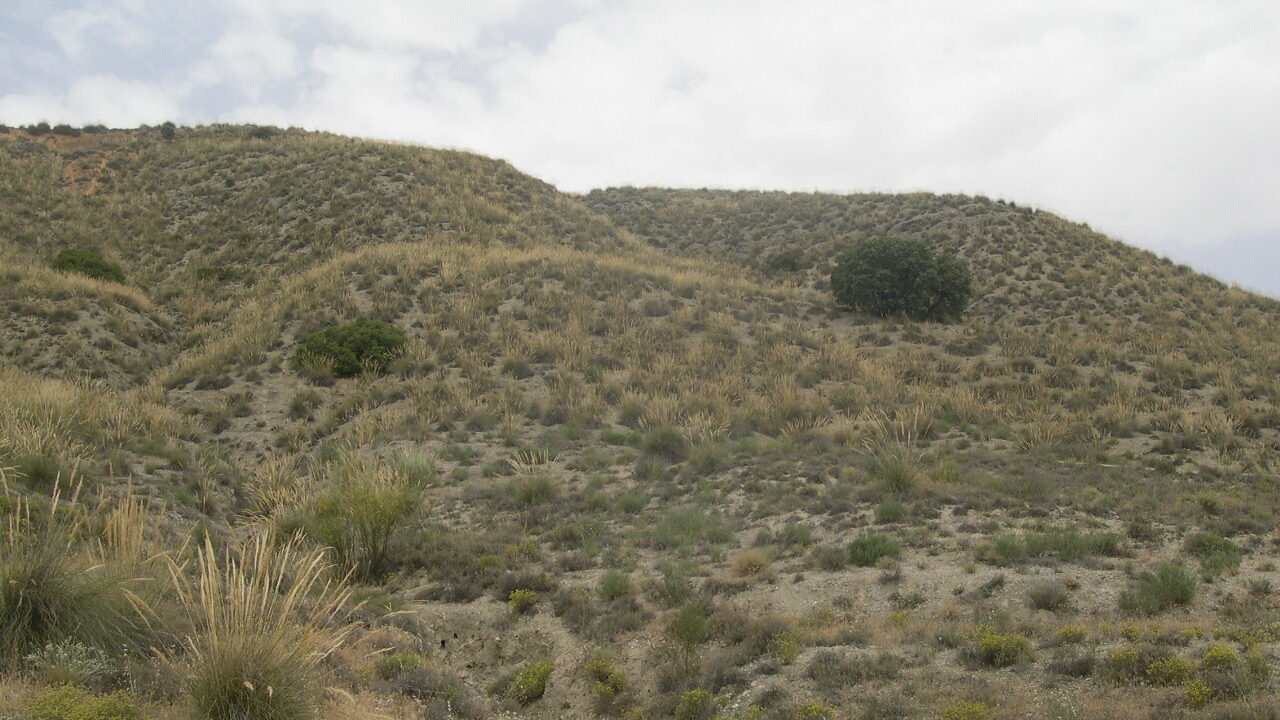
04.12.2024 | Experimental Interaction Ecology, Media Release, TOP NEWS
Survival Strategies of Tiny Soil Microbes Unravelled
New Nature paper has revealed how soil microbes are impacted by extreme weather events, offering new insights into the risks posed by climate change.
More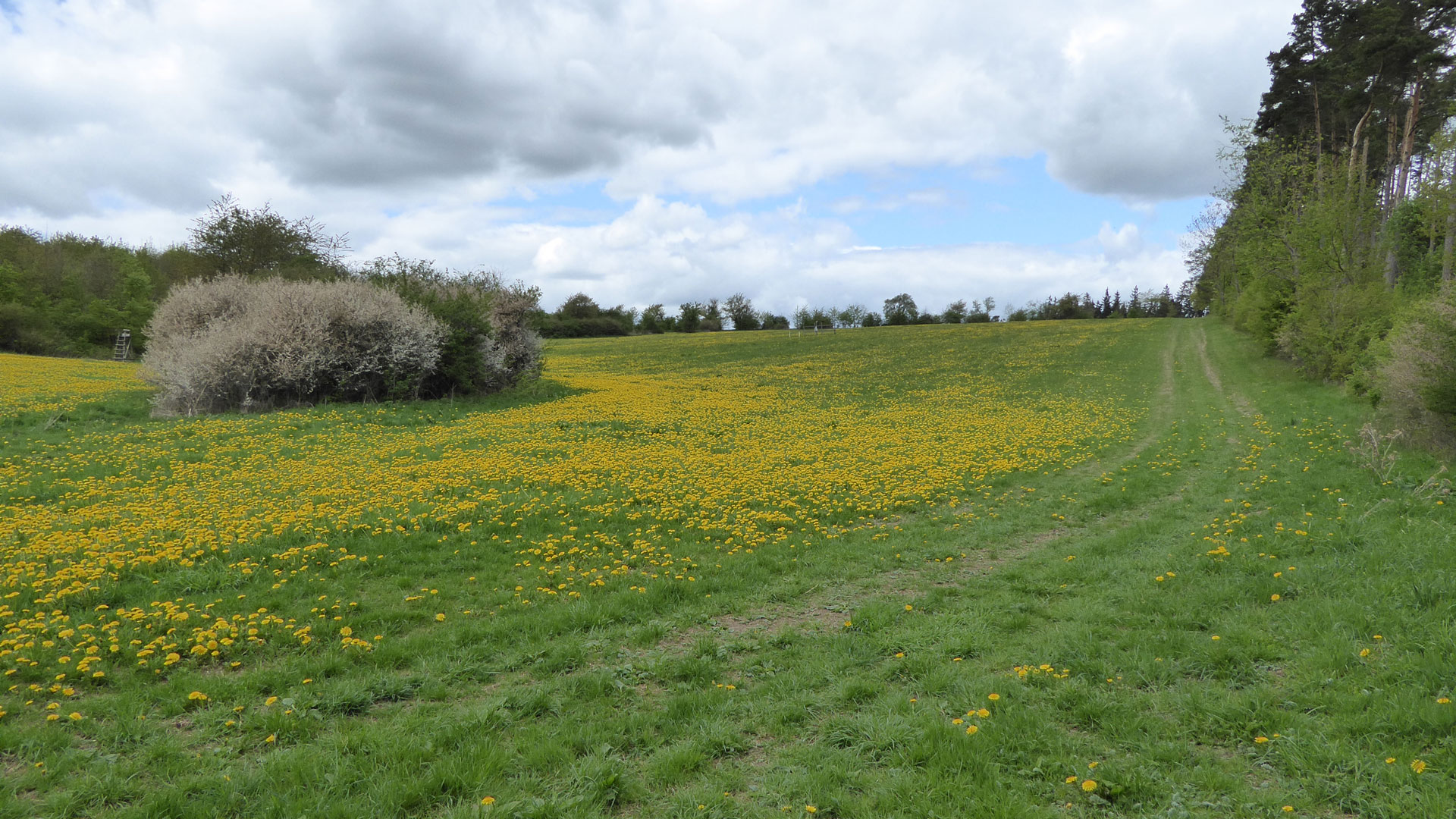
19.11.2024 | Experimental Interaction Ecology, Media Release, TOP NEWS
Soil ecosystem more resilient when land managed extensively
Researchers studied the effects of intensive and extensive land use on soil biodiversity in cropland and grassland
More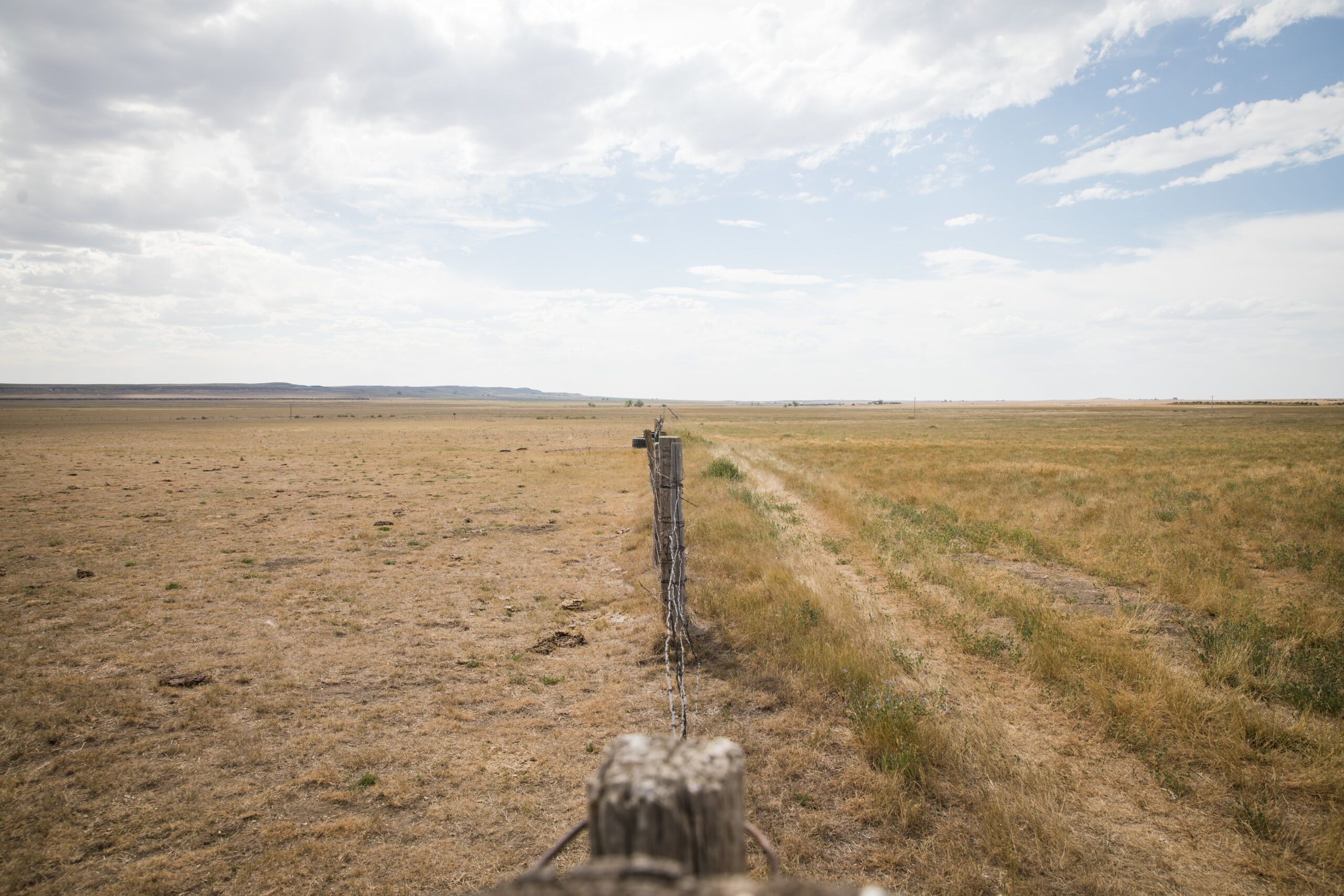
27.08.2024 | Experimental Interaction Ecology, Media Release, Research, TOP NEWS
Environmental stressors weaken ecosystem resistance to change
The higher the environmental stress, the lower the resistance to global change.
More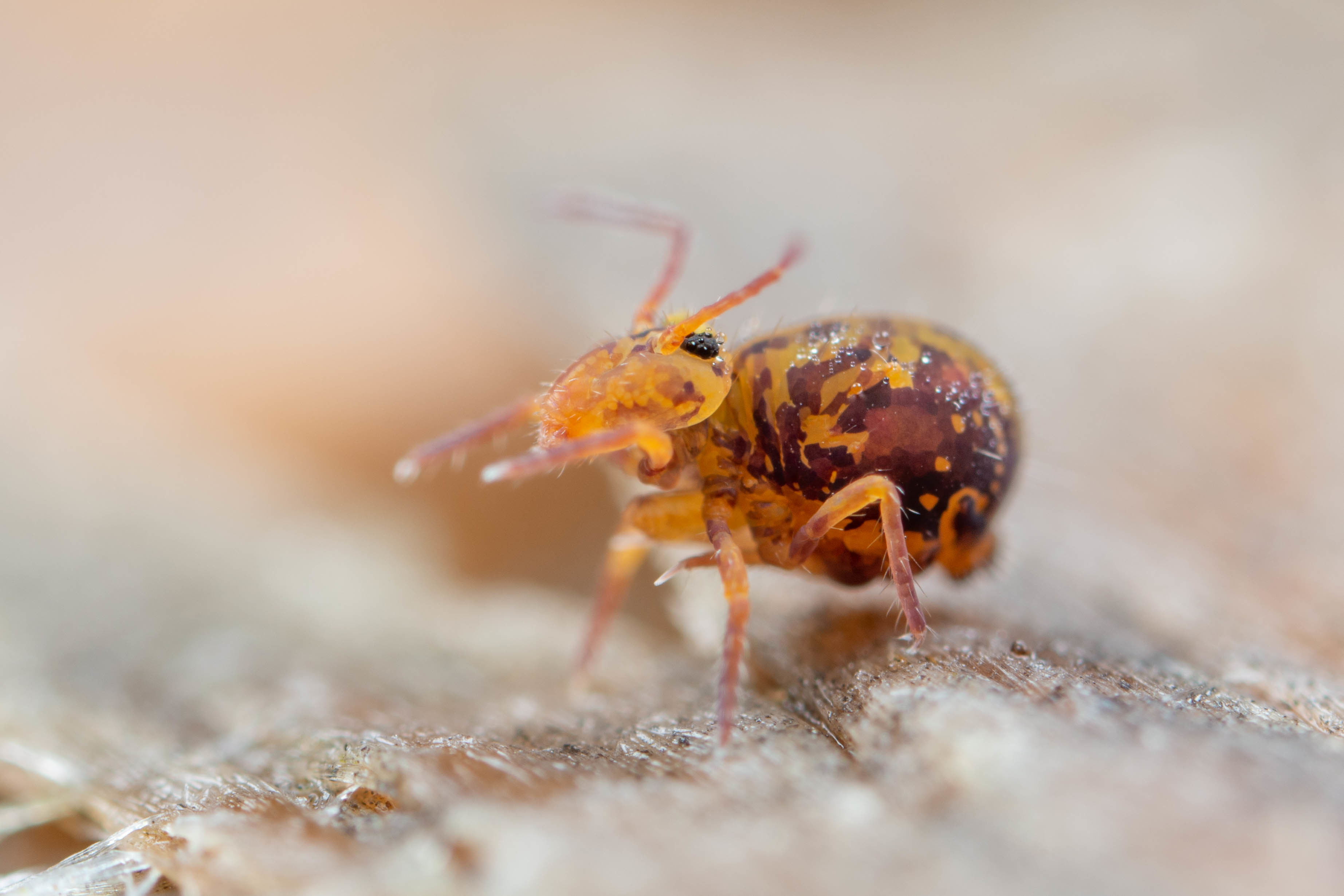
17.06.2024 | Experimental Interaction Ecology, Media Release, TOP NEWS
Soil fauna has the potential to fundamentally alter carbon storage in soil
Based on a media release of the Czech Academy of Sciences The life strategies of a multitude of soil faunal taxa can strongly affect the formation of labile and stabilized organic matter in soil, with potential consequences for how soils are managed as carbon sinks, nutrient stores, or providers of food. This is the main conclusion of a review led by a team of researchers from the Czech Academy of Sciences, the German Centre for Integrative Biodiversity Research (iDiv), Leipzig University (UL), and the Senckenberg Society for Nature Research. Based on a review of more than 180 scientific articles, the authors highlight major pathways by which soil fauna can influence soil organic matter stability, identify knowledge gaps, and suggest future research directions. The study has recently been published in Nature Communications.
More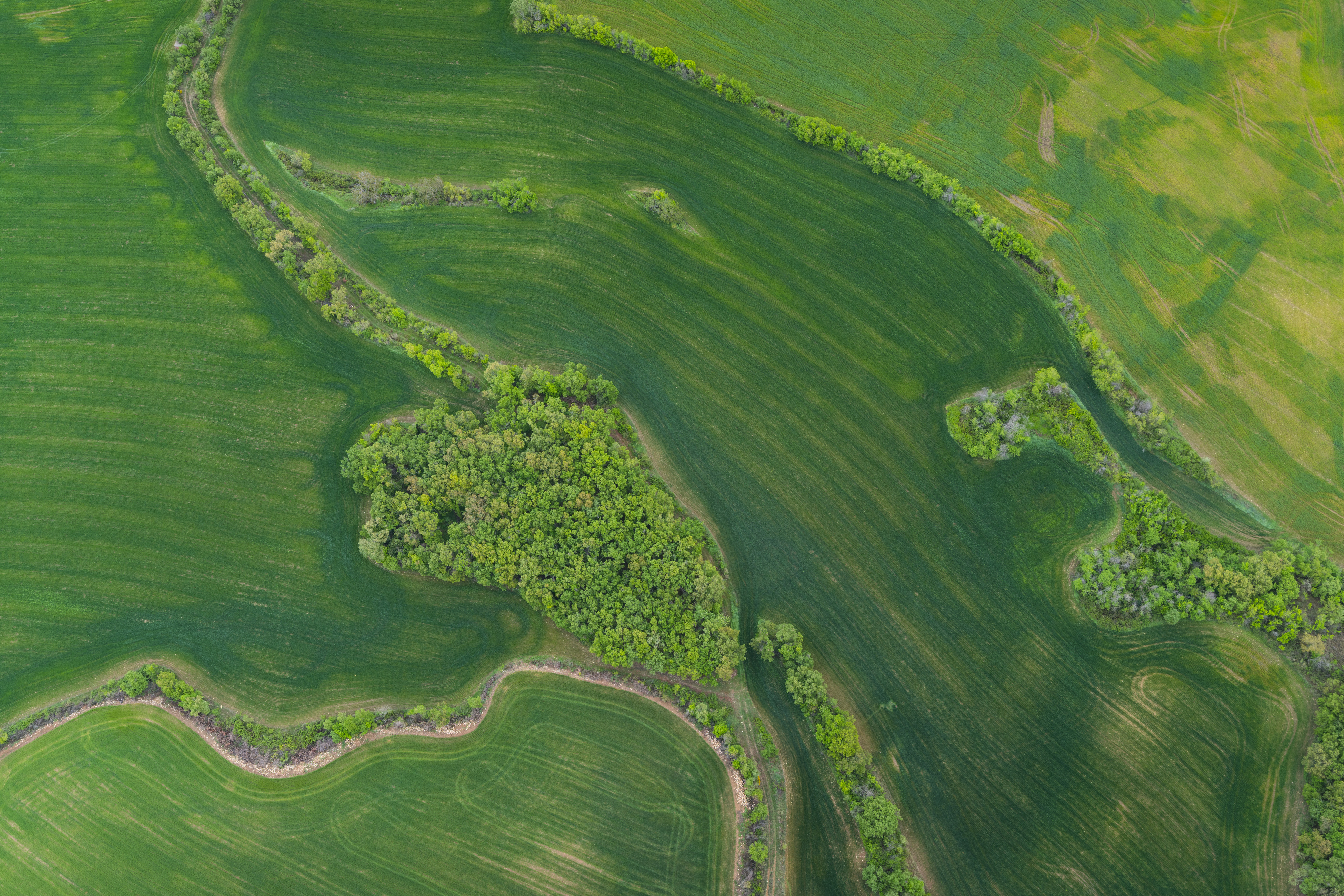
13.06.2024 | Biodiversity Economics, Experimental Interaction Ecology, Media Release, Physiological Diversity, TOP NEWS
Land management and climate change affect ecosystems’ ability to provide multiple services simultaneously
A novel study published in Nature Communications found that agroecosystems in Central Germany, specifically grasslands and croplands, may have an enhanced capacity to provide multiple goods and services simultaneously when land management reduces the use of pesticides and mineral nitrogen fertiliser.
More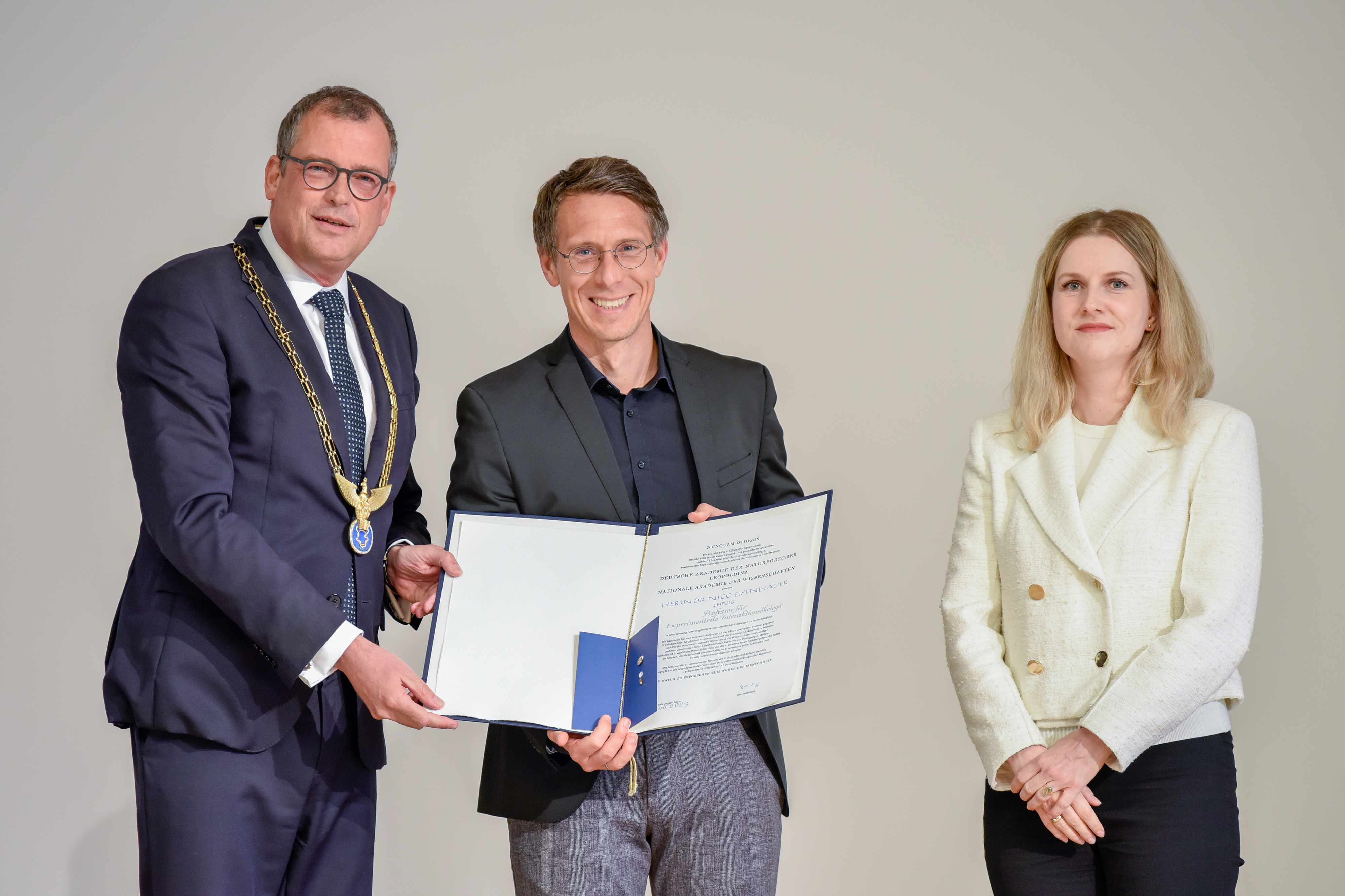
18.04.2024 | Experimental Interaction Ecology, iDiv, Media Release, TOP NEWS
iDiv’s Nico Eisenhauer becomes member of the Leopoldina Academy
More
13.12.2023 | Experimental Interaction Ecology, iDiv Members, Media Release, TOP NEWS
How forests smell – a risk for the climate?
Based on a media release of Leipzig University Plants emit odours for a variety of reasons, such as to communicate with each other, to deter herbivores or to respond to changing environmental conditions. An interdisciplinary team of researchers from Leipzig University, the Leibniz Institute for Tropospheric Research (TROPOS) and the German Centre for Integrative Biodiversity Research (iDiv) carried out a study to investigate how biodiversity influences the emission of these substances. For the first time, they were able to show that species-rich forests emit less of these gases into the atmosphere than monocultures. In the past, it was assumed that forests with more species would release more emissions. Experiments by the Leipzig team have now disproved this assumption. Their study has been published in the journal Communications Earth & Environment.
More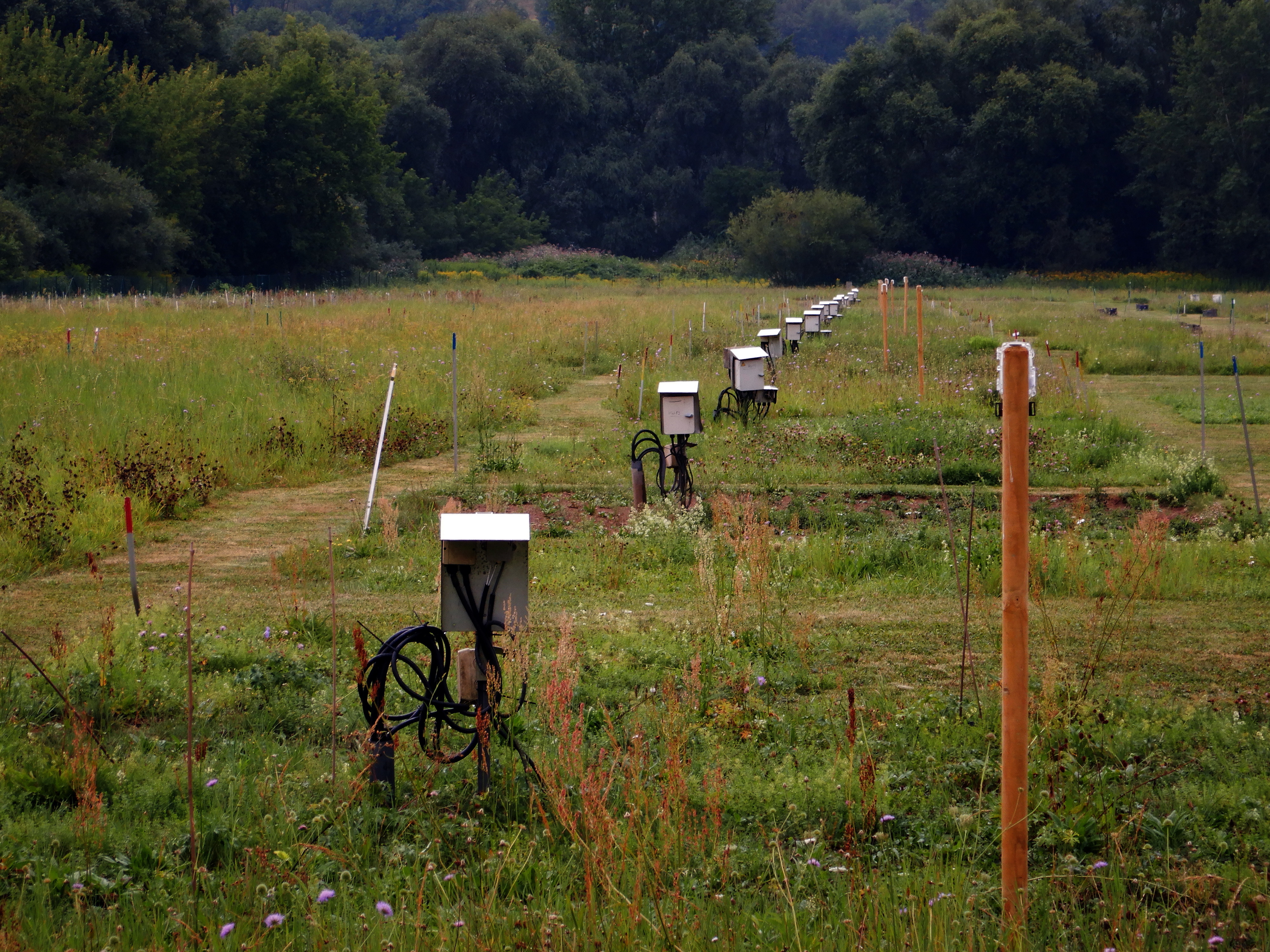
06.12.2023 | Experimental Interaction Ecology, iDiv, Media Release, Research, TOP NEWS
Deciphering nature’s climate shield: Plant diversity stabilises soil temperature
Based on a media release of Leipzig University A new study has revealed a natural solution to mitigate the effects of climate change, such as extreme weather events. Researchers from Leipzig University, the Friedrich Schiller University Jena, the German Centre for Integrative Biodiversity Research Halle-Jena-Leipzig (iDiv) and other research institutions have discovered that high plant diversity acts as a buffer against fluctuations in soil temperature. This buffer can then be of vital importance to ecosystem processes. They have just published their new findings in the journal Nature Geoscience.
More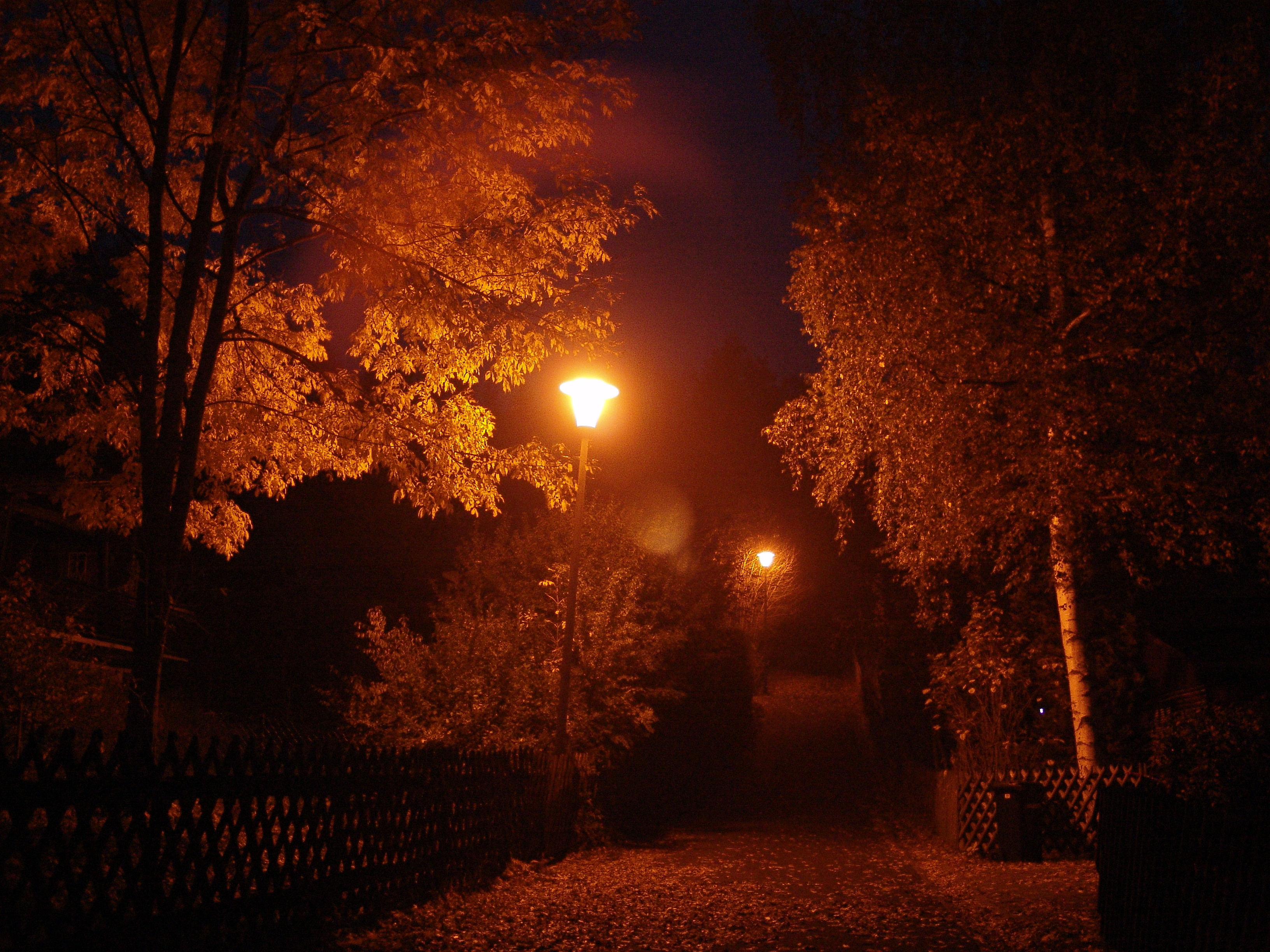
30.10.2023 | Experimental Interaction Ecology, Media Release, Theory in Biodiversity Science, TOP NEWS
Even low levels of artificial light disrupt ecosystems
Leipzig, Jena. A new collection of papers on artificial light at night show the impact of light pollution to be surprisingly far-reaching, with even low levels of artificial light disrupting species communities and entire ecosystems. Published in Philosophical Transactions of the Royal Society B, the special theme issue, which includes 16 scientific papers, looks at the effects of light pollution in complex ecological systems, including soil, grassland, and insect communities. Led by researchers at the German Centre for Integrative Biodiversity Research (iDiv) and the Friedrich Schiller University Jena, the collection notes the increasing ubiquity of light pollution, while emphasising the domino effect light pollution has on ecosystem function and stability.
More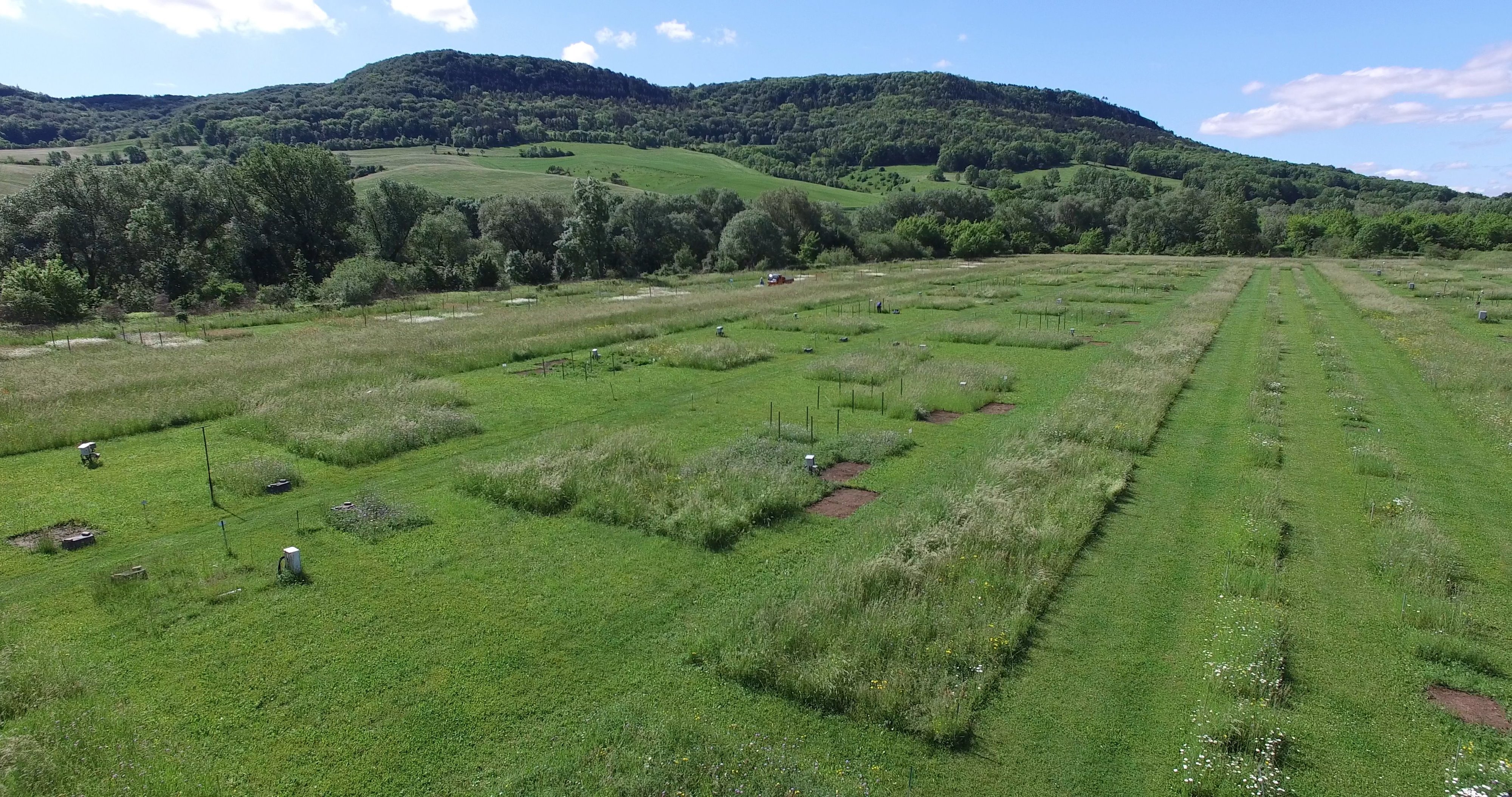
10.10.2023 | Experimental Interaction Ecology, Media Release, TOP NEWS
Funding new research in the Jena Experiment – focus on ecosystem stability
Joint media release from iDiv, Leipzig University and Friedrich Schiller University Jena Jena/Leipzig. The Deutsche Forschungsgemeinschaft (DFG) is to fund a Research Unit in the Jena Experiment for a further four years with around five million euros. The scientists, led by the German Centre for Integrative Biodiversity Research (iDiv), Leipzig University and the Friedrich Schiller University Jena, will focus in particular on the stabilising effect of biodiversity against extreme climate events such as drought, heat and frost.
More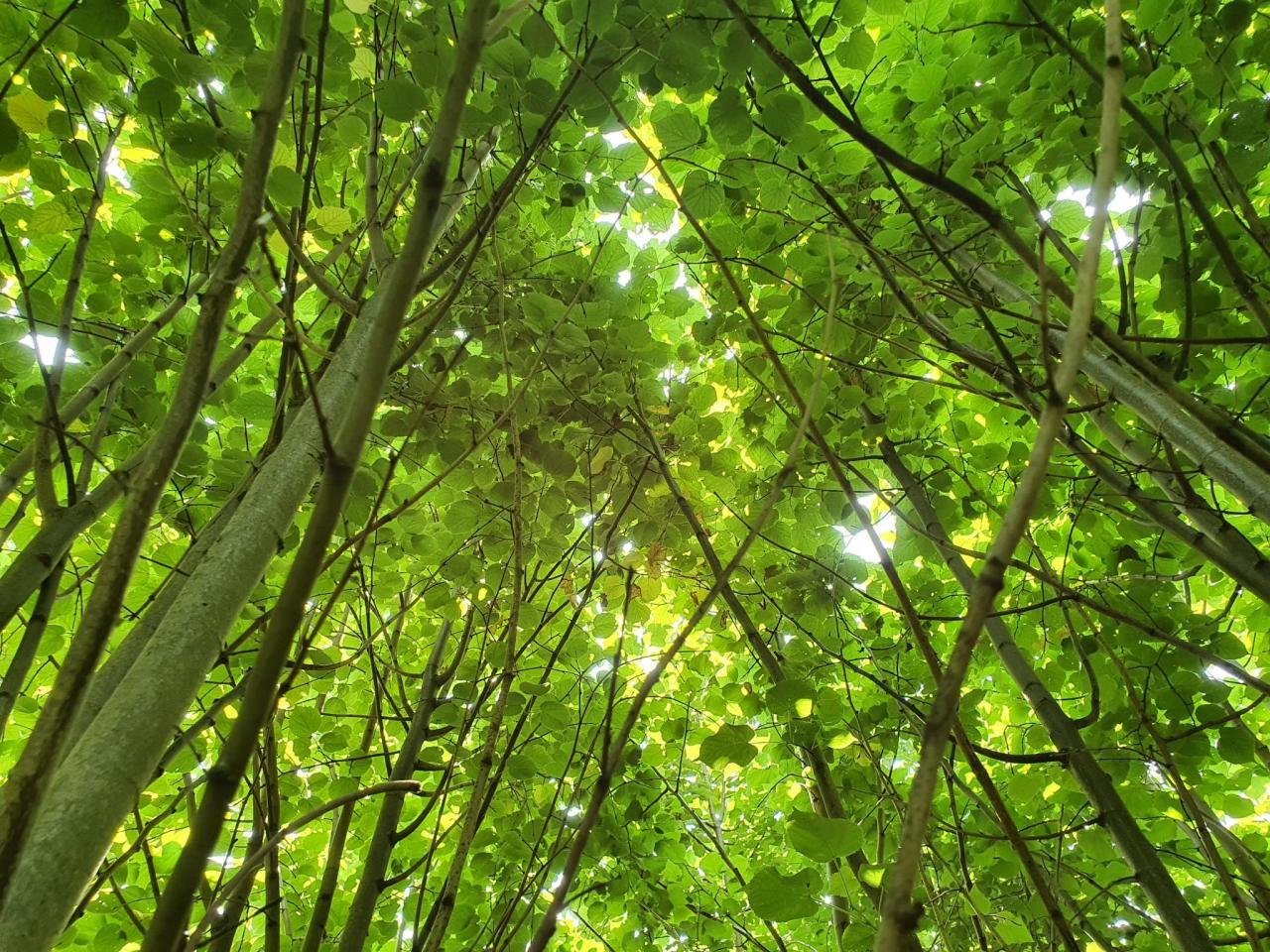
09.10.2023 | Experimental Interaction Ecology, iDiv Members, Media Release, TOP NEWS
Mixed forests are more productive when they are structurally complex
Dresden, Halle, Leipzig. Tree species richness increases forest productivity by enhancing aboveground structural complexity. This is the key result of a joint study by TUD Dresden University of Technology, the German Centre for Integrative Biodiversity Research (iDiv), Leuphana University Lüneburg, Martin Luther University Halle-Wittenberg, Leipzig University, and the University of Montpellier. The results have been published in the journal Science Advances.
More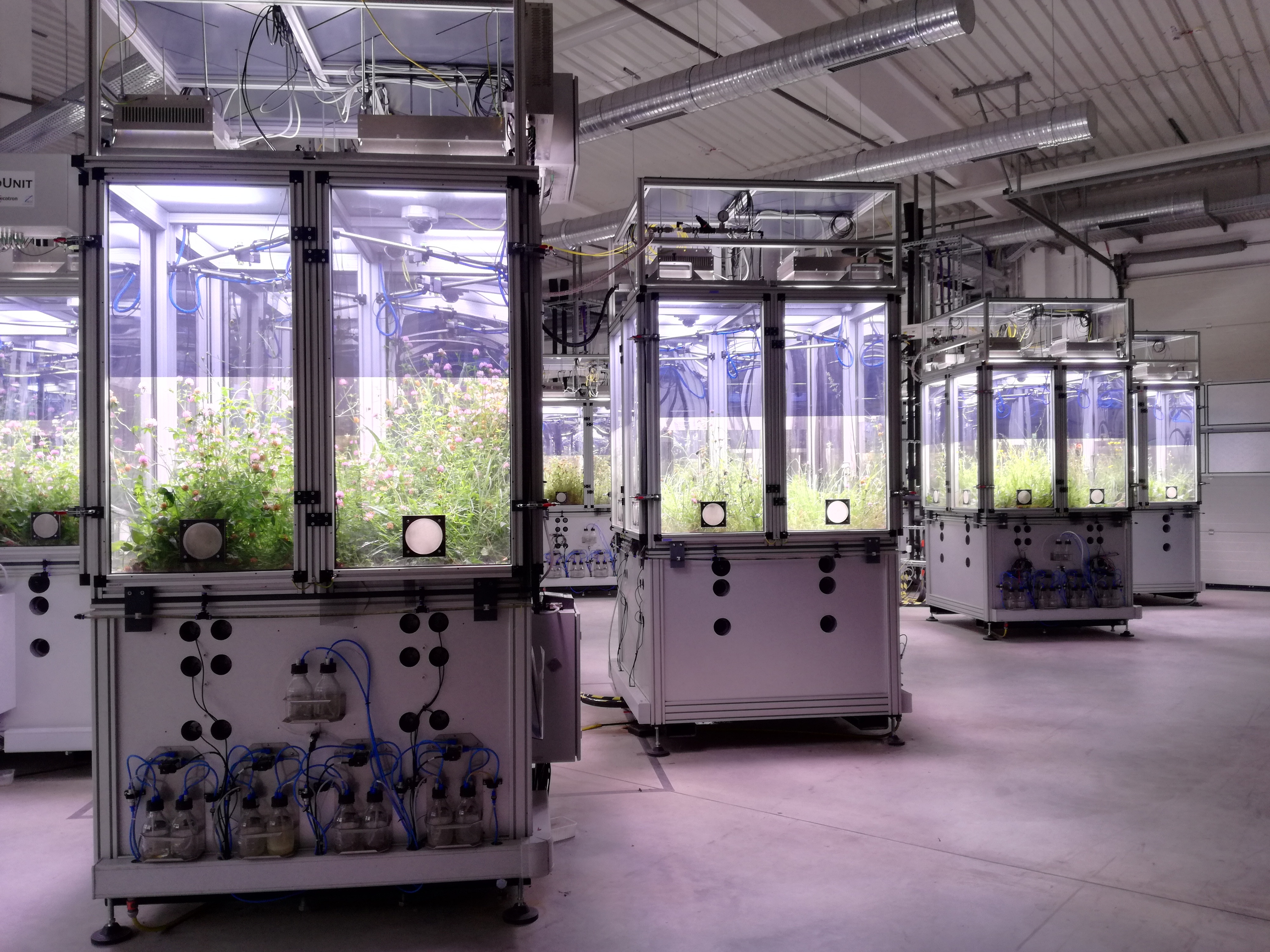
26.09.2023 | Experimental Interaction Ecology, iDiv, Media Release, Research, TOP NEWS
Invertebrate decline reduces natural pest control and decomposition of organic matter
Leipzig. The decline in invertebrates also affects the functioning of ecosystems, including two critical ecosystem services: aboveground pest control and belowground decomposition of organic material, according to a new study published in Current Biology and led by researchers at the German Centre for Integrative Biodiversity Research (iDiv) and Leipzig University. The study provides evidence that loss of invertebrates leads to a reduction in important ecosystem services and to the decoupling of ecosystem processes, making immediate protection measures necessary.
More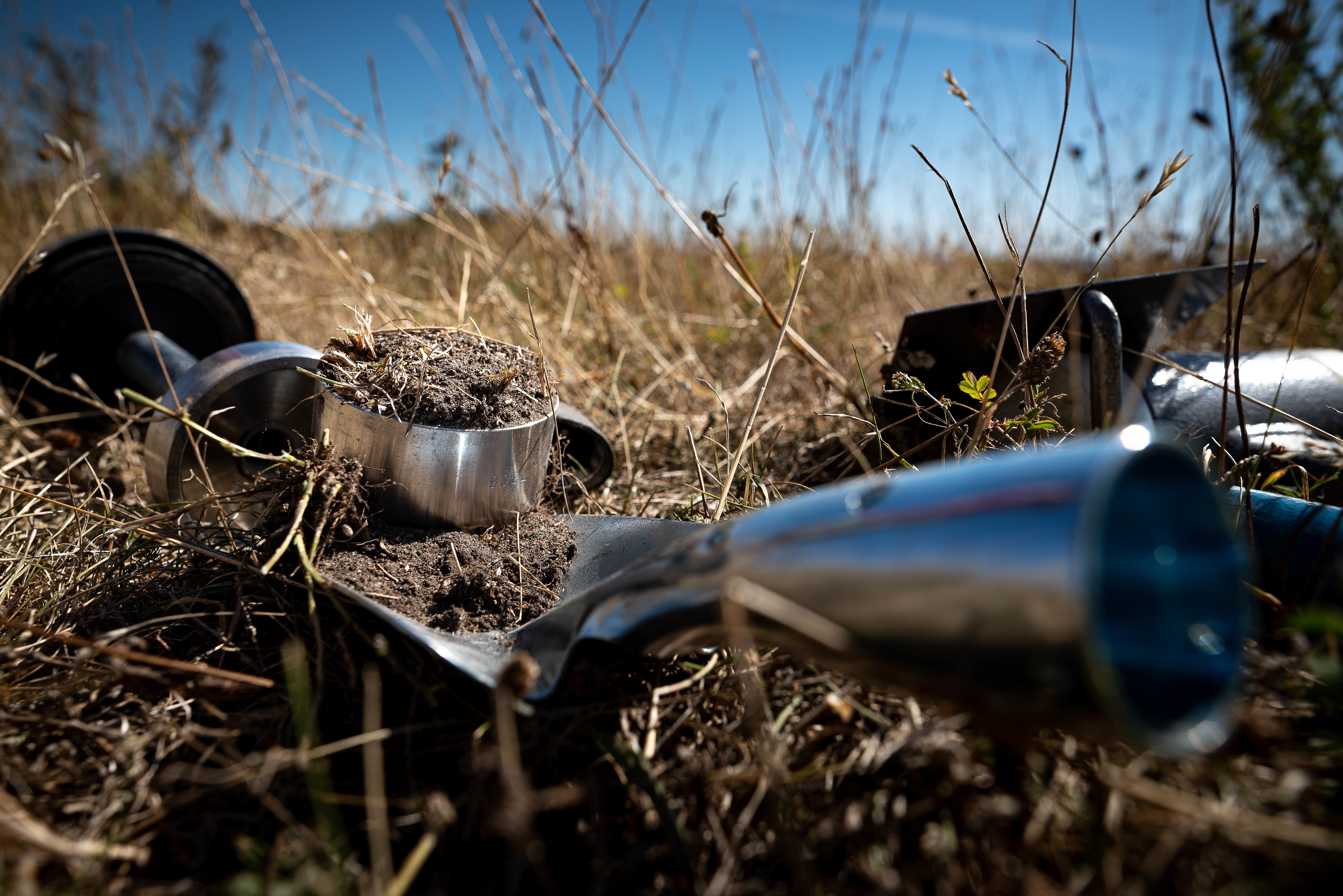
15.06.2023 | Experimental Interaction Ecology, Media Release, TOP NEWS
Holistic management is key to increase carbon sequestration in soils
Report by Dr Gerrit Angst, postdoctoral researcher of the Experimental Interaction Ecology at iDiv, Leipzig University, and the Czech Academy of Sciences and first author: Leipzig/Budweis/Copenhagen. Increased carbon sequestration in soil to help mitigate climate change can only be achieved by a more holistic management. This is the conclusion from our opinion paper conceptualized together with colleagues from the German Centre for Integrative Biodiversity Research (iDiv), Leipzig University, the Czech Academy of Sciences, and the University of Copenhagen. We developed a novel framework that can guide informed and effective management of soils as carbon sinks. The study has recently been published in Nature Communications.
More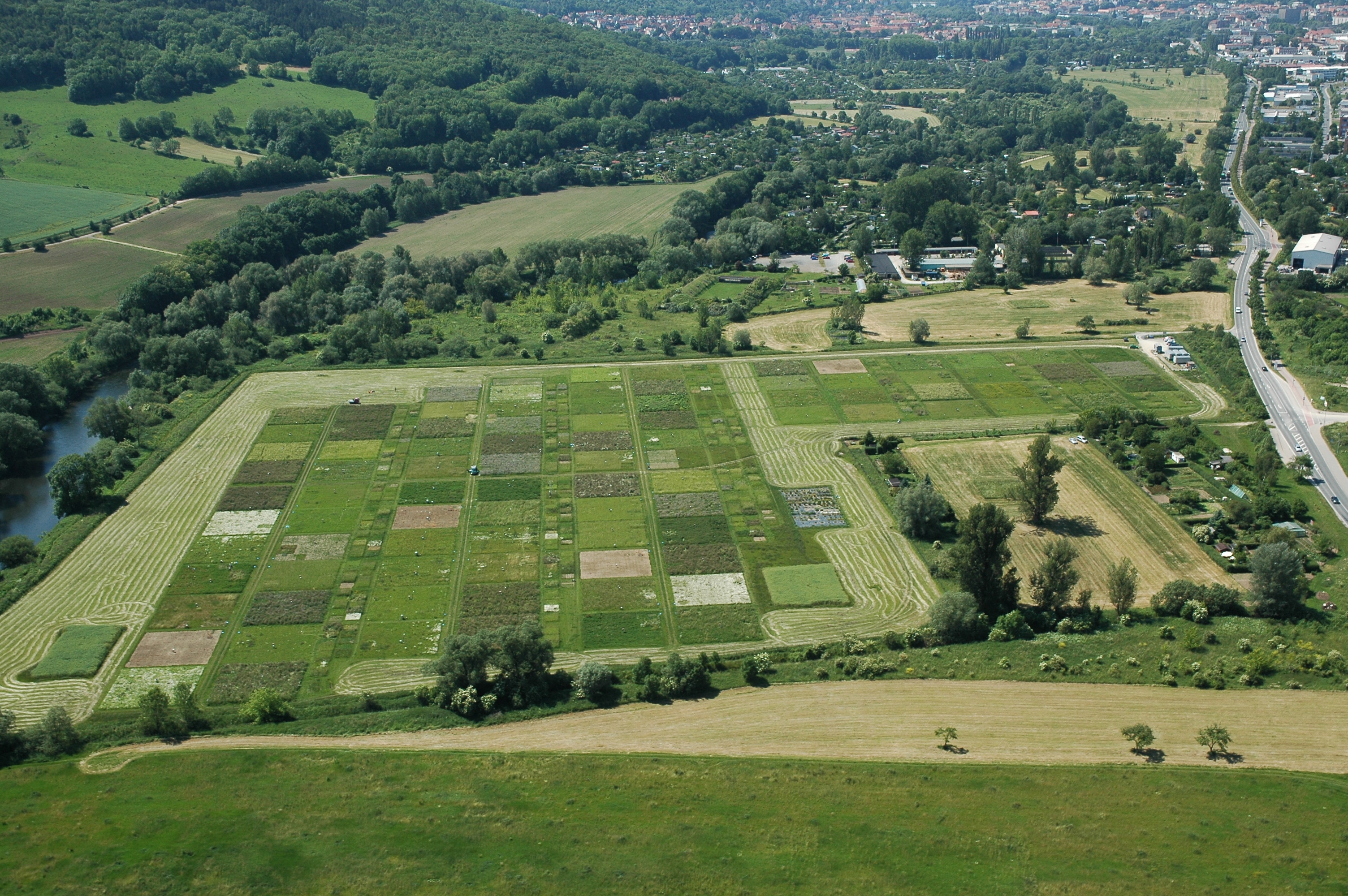
13.01.2023 | Experimental Interaction Ecology, iDiv, Media Release, Research, TOP NEWS
Grassland ecosystems become more resilient with age
Based on a media release of the University of Zurich Zurich/Leipzig. Recent experiments have shown that the loss of species from a plant community can reduce ecosystem functions and services such as productivity, carbon storage and soil health. With the loss of functioning the ecosystem may also become destabilized in its ability to maintain ecosystem functions and services in the long-term. However, assessing this is only possible if experiments can be maintained for a sufficient length of time.
More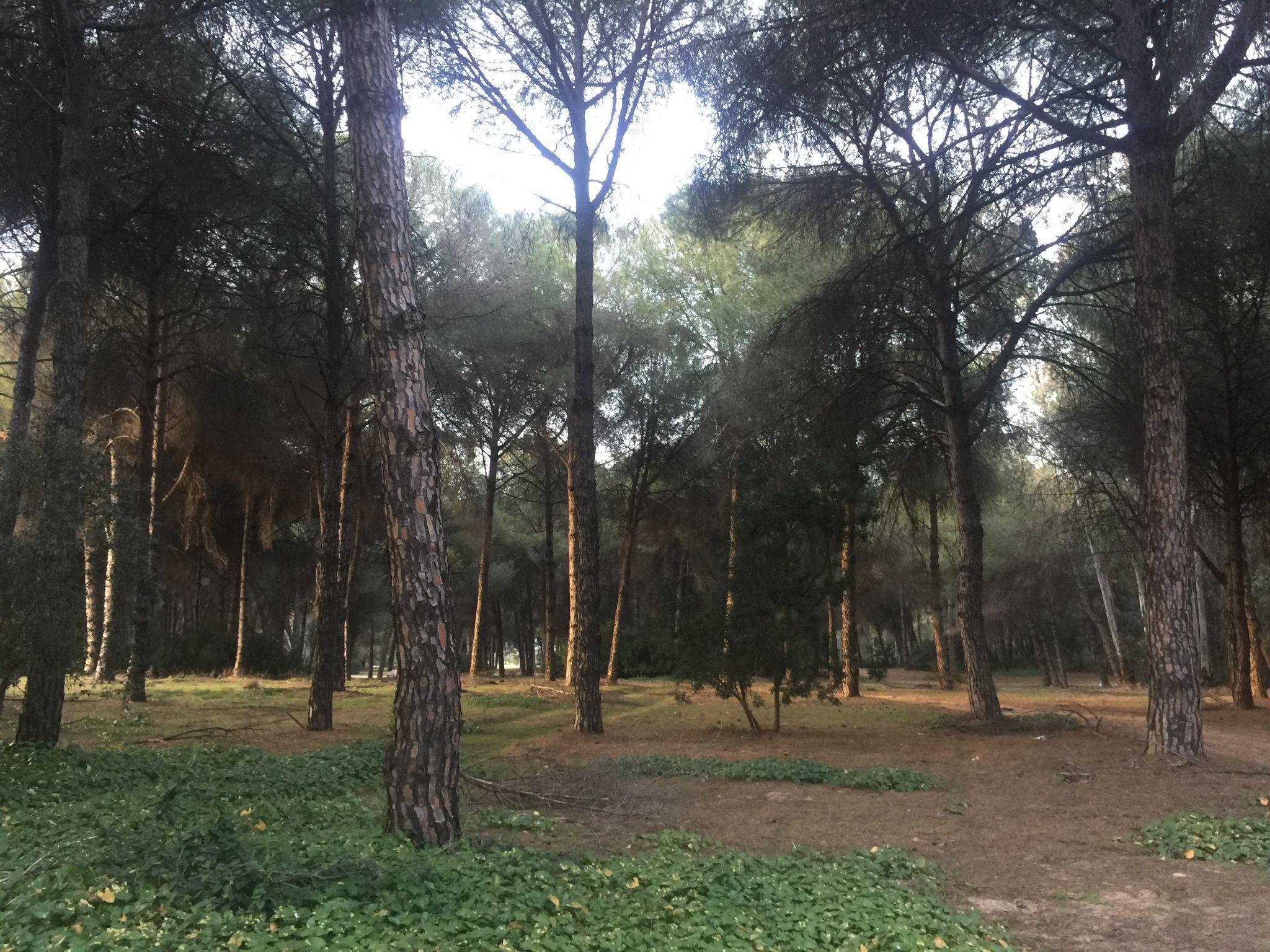
12.10.2022 | Experimental Interaction Ecology, Media Release, TOP NEWS
Global study: Few of the ecologically most valuable soils are protected
Halle, Leipzig, Seville. Current protected areas only poorly cover the places most relevant for conserving soil ecological values. This is the conclusion of a new study published in the journal Nature. To assess global hotspots for preserving soil ecological values, an international team of scientists measured different dimensions of soil biodiversity (local species richness and uniqueness) and ecosystem services (like water regulation or carbon storage). They found that these dimensions peaked in contrasting regions of the world. For instance, temperate ecosystems showed higher local soil biodiversity (species richness), while colder ecosystems were identified as hotspots of soil ecosystem services. In addition, the results suggest that tropical and arid ecosystems hold the most unique communities of soil organisms. Soil ecological values are often overlooked in nature conservation management and policy decisions; the new study, published in Nature, demonstrates where efforts to protect them are needed most.
More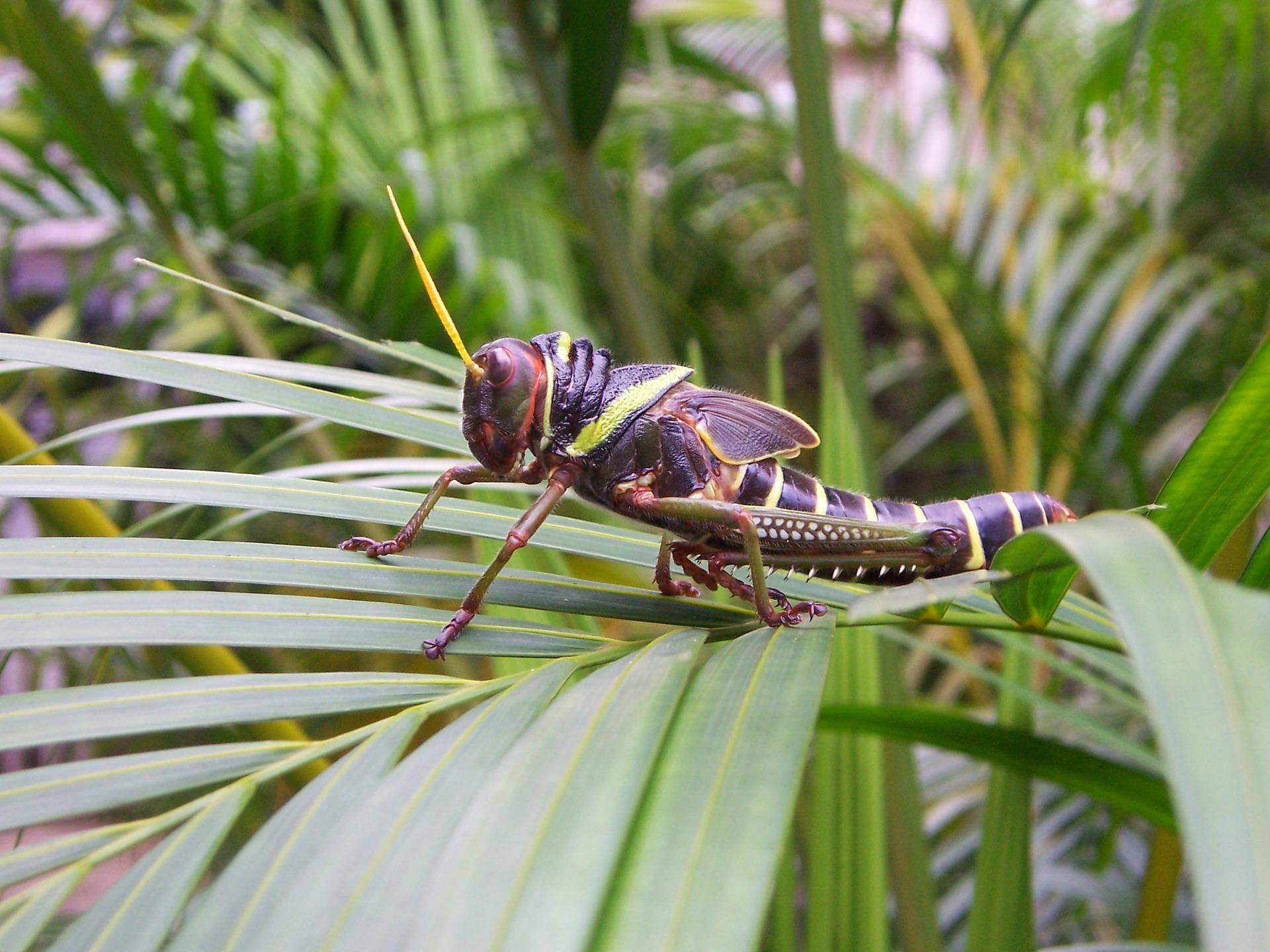
18.07.2022 | Experimental Interaction Ecology, Media Release
More species could be threatened with extinction than previously thought
Based on a media release by the University of Minnesota Saint Paul/Leipzig. On average, 30 per cent of all species worldwide might be threatened with extinction or have already become extinct over the last 500 years. This was the result of estimates by 3,331 experts working on biodiversity in 187 countries. This large and diverse group of experts was asked in a survey, led by researchers from the University of Minnesota and with the participation of iDiv and the University of Leipzig, to provide assessments of the change in the species they study. The results are expected to reduce knowledge gaps in existing scientific assessments of global biodiversity and thus improve the knowledge base for policy decisions. The study was published in the journal Frontiers in Ecology and the Environment.
More
09.06.2022 | Experimental Interaction Ecology, iDiv Members, Media Release, TOP NEWS
What doesn’t kill you makes you stronger
Based on a media release by the University of Zurich Zurich, Leipzig. The exposure to drought during previous generations in the field increases complementarity between offspring of different grassland species and thus makes them more resilient to subsequent drought. An international research team led by the University of Zurich and with the participation of the German Centre for integrative Biodiversity research and Leipzig University has revealed this transgenerational effect with about 1000 experimental plant communities in pots. The results, published in Nature Communications, suggest that if past extreme climatic events do not completely exclude species, they may enhance the sustainability of biodiversity and ecosystem functioning in a future with more frequent extreme events.
More
11.05.2022 | Experimental Interaction Ecology, Research, TOP NEWS
Earthworms increase the stability of soil organic carbon
Report by Dr Gerrit Angst, postdoctoral researcher of the Experimental Interaction Ecology at iDiv and Leipzig University and first author: Leipzig/Budweis/Munich. Earthworm activity stimulates microorganisms to accelerate the production of more stabilised soil organic carbon. This is the conclusion from a synthesis of recent literature collated by a team led by researchers from the German Centre for Integrative Biodiversity Research (iDiv), Leipzig University, the Czech Academy of Sciences, and the Technical University of Munich. Based on this synthesis, the authors developed a novel concept of the role of earthworms in soil organic carbon dynamics that aids management of soils as a carbon sink. The study has recently been published in Global Change Biology.
More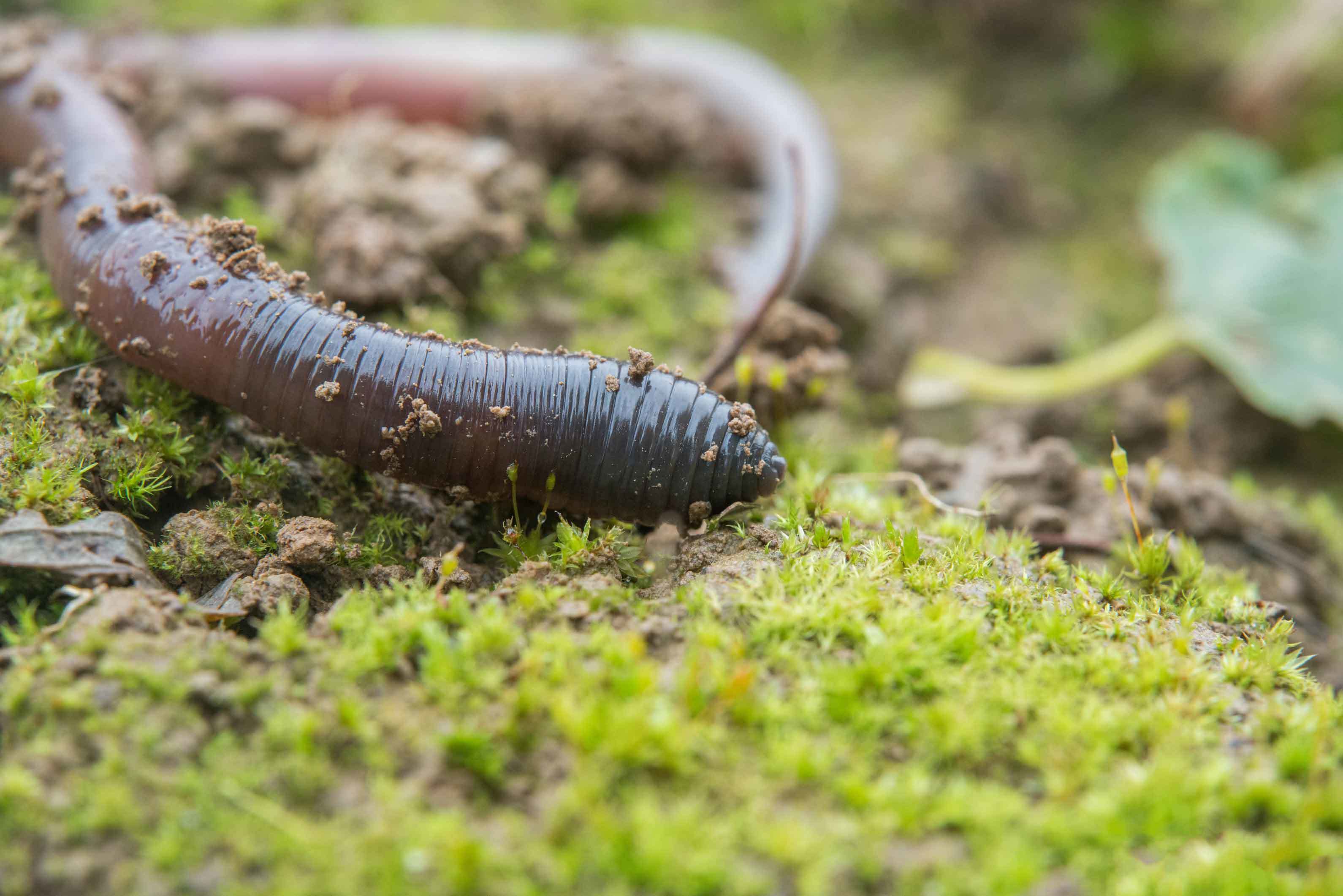
30.03.2022 | Experimental Interaction Ecology, Media Release, TOP NEWS
European earthworms reduce insect populations in North American forests
Leipzig/Calgary. Earthworms introduced into northern North America have a negative impact on the insect fauna above ground. Soil ecologists, led by the German Centre for Integrative Biodiversity Research (iDiv) and Leipzig University describe this observation in the journal Biology Letters. The researchers found this impact for abundance as well as for biomass and species richness of insects. Their results indicate that changes in insect communities can have causes that have previously received little attention. These should be given greater consideration in nature conservation.
More