Biodiversity is changing across the planet, yet governments still lack the robust, consistent data needed to track these changes and guide effective conservation. Now, a new study led by the University of Amsterdam (UvA), the German Centre for Integrative Biodiversity Research (iDiv), and the Martin Luther University Halle-Wittenberg (MLU), proposes a comprehensive roadmap to build a modern, integrated Biodiversity Observation Network (BON) for Europe – one that could become a global model for biodiversity monitoring in the 21st century. The study has been published in the journal Nature Reviews Biodiversity.
“Our proposal provides a plan for Europe to fix its messy and disconnected monitoring systems,” says lead author Dr Daniel Kissling, Associate Professor at the UvA. “We want to create one coordinated, continent-wide network that can track changes in species and ecosystems – from the DNA of plants and animals to entire forests, rivers, and oceans.”
A unified monitoring system for Europe’s biodiverse heritage
The roadmap identifies 84 Essential Biodiversity Variables (EBVs) that form the backbone of a harmonised monitoring system. These EBVs – from bird abundance and insect phenology to seagrass extent, genetic diversity, and ecosystem productivity – provide Europe with a consistent, standardised checklist for measuring the state and change of its biodiversity.
“Europe has hundreds of monitoring programmes, but the data are often siloed, incompatible, or incomplete,” says senior author Prof Henrique Pereira, research group head at iDiv and the MLU. “Our roadmap provides the architecture for a truly integrated, transnational system – one that brings all observations together into a coherent whole.”
To enable this transition, the authors propose establishing a European Biodiversity Observation Coordination Centre (EBOCC). This new EU-level body would coordinate workflows, harmonise methods, ensure transparent data governance, align monitoring with EU policy needs, and act as the central hub for national and European data infrastructures.
High-tech biodiversity monitoring with people
A key message of the roadmap is that Europe must harness the combined strengths of technological innovation and human expertise, including the potential of new digital technologies, including:
- Automated digital sensors such as acoustic bird recorders, wildlife and insect cameras, and biological and weather radars
- AI for species recognition and automated data processing
- Environmental DNA (eDNA) and metabarcoding for detecting species and communities from water, soil, or air
- State-of-the-art remote sensing from satellites (including Copernicus), aircraft, and drones to observe habitats, vegetation structure, and ecosystem change
The roadmap also highlights that people remain central to biodiversity monitoring. Citizen scientists, taxonomic experts and professional monitoring networks provide essential observations, expertise, and continuity. New technologies complement and strengthen their contributions, making biodiversity monitoring more efficient, scalable and inclusive, while ensuring that human knowledge and engagement remain fundamental to Europe’s monitoring system.
Bridging data gaps through unified workflows
Europe’s current biodiversity data are extensive but scattered. The roadmap proposes to build data pipelines that can integrate information from many different sources – like professional field notes, reports from the public, electronic sensors, DNA samples, and satellite images, and merge them into scalable EBV datasets.
These new pipelines should enable Europe to create clear reports for decision-makers, spot trends quickly, and give early warnings of ecological change.
Step forward for international biodiversity policy
The roadmap was designed by EuropaBON, a Horizon 2020 project involving 15 research organisations across Europe and has led to a strong policy response, as the European Parliament has already approved a preparatory action for the EBOCC to start implementing parts of the roadmap. The roadmap for the EBOCC is directly aligned with the EU Biodiversity Strategy for 2030, the Nature Restoration Regulation (NRR), and other major EU environmental legislation, including the Birds Directive, Habitats Directive, Water Framework Directive, and Marine Strategy Framework Directive. By delivering harmonised biodiversity data, an EBOCC would significantly improve reporting and support implementation across Member States.
Globally, the system would help track progress toward the Kunming–Montreal Global Biodiversity Framework (GBF), support assessments of the Intergovernmental Science-Policy Platform on Biodiversity and Ecosystem Services (IPBES), and contribute to GEO BON (Group on Earth Observations Biodiversity Observation Network).
Original publication:
(researchers with iDiv affiliation bolded)
Kissling, W.D., …, Bonn, A., …, Fernández, N., … , Junker J., …, Bruelheide, H., …, Calderon-Sanou, I., …, Fernandez, M., …, Jandt U., …, Kühn I., …, Viti, M.M., … , Valdez, J., …, Pereira, H.M. (2026). Building the backbone for Europe’s biodiversity monitoring. Nature Reviews Biodiversity. DOI: 10.1038/s44358-026-00140-6
Contact
Associate Professor Dr. W. Daniel Kissling
Institute for Biodiversity and Ecosystem Dynamics (IBED)
University of Amsterdam
Phone: +31 20 525 8423
Email: wdkissling@gmail.com
https://www.biomac.org/8/contact.html
Prof. Dr. Henrique M. Pereira
Head of the Biodiversity Conservation research group
German Centre for Integrative Biodiversity Research Halle-Jena-Leipzig – iDiv
Martin Luther University Halle-Wittenberg
Phone: +49 341 97 33137
Email: henrique.pereira@idiv.de
https://www.idiv.de/staff/henrique-miguel-pereira/
Dr. Volker Hahn
Head of Impact & Press Spokesman
German Centre for Integrative Biodiversity Research Halle-Jena-Leipzig – iDiv
Phone: +49 341 97 33154
Email: volker.hahn@idiv.de
https://www.idiv.de/media
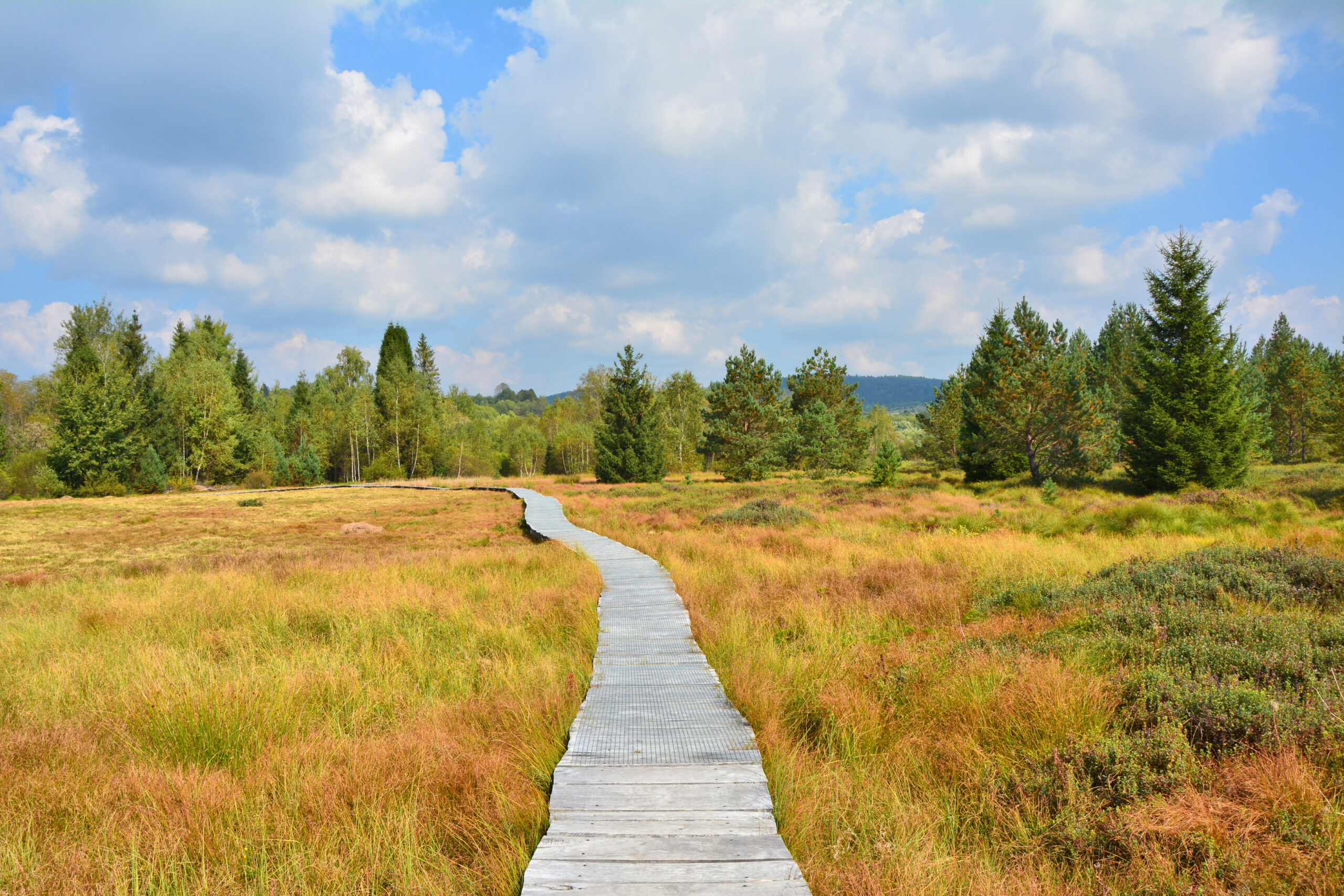
Europe-wide monitoring is designed to track biodiversity change and support nature conservation. The photo shows a wooden path through the peat bog in Poland Bieszczady National Park.
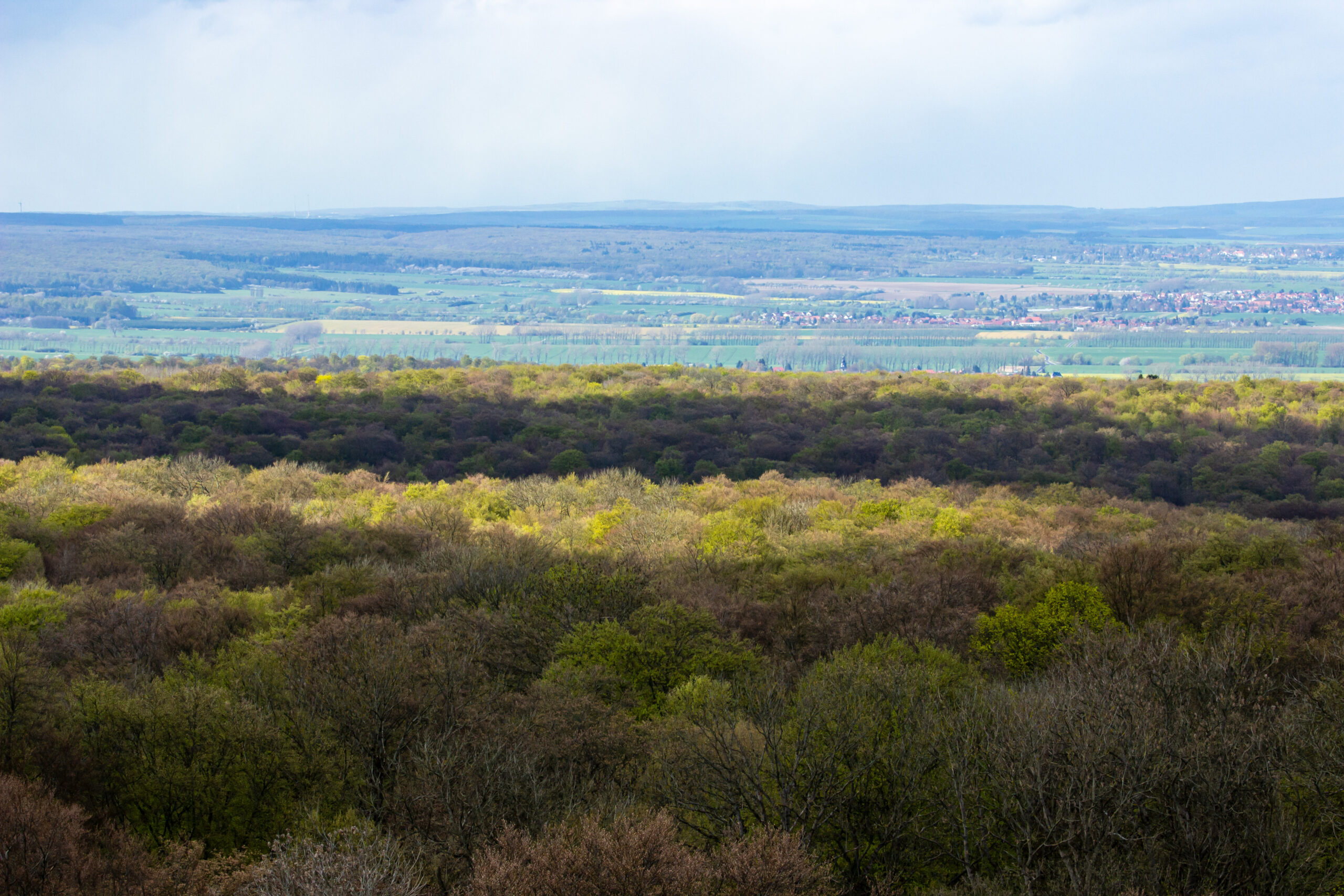
The photo shows a beech forest in the Hainich National Park, Thuringia, Germany.
Please note: Use of the pictures provided by iDiv is permitted for reports related to this media release only, and under the condition that credit is given to the picture originator.