Biological communities in Europe are responding to climate change in markedly different ways, with clear contrasts between ecosystems, according to a new study published in Nature. Cold-adapted plant species in mountain regions are declining especially quickly, while plant communities in forests and grasslands are changing more slowly. Across all ecosystems, however, plant communities lag behind the pace of climate warming, creating so-called “climatic debts”.
The study was initiated at the German Centre for Integrative Biodiversity Research (iDiv), with contributions from researchers at the Martin Luther University Halle-Wittenberg (MLU), Leipzig University, the Friedrich Schiller University Jena, and the Senckenberg Institute for Plant Diversity (SIP), and was led by the University of Ghent.
Drawing on an extensive database of more than 6,000 plots monitored over several decades, the research spans the entire European continent – from Ireland to Ukraine and from Norway to Spain. By comparing historical and current records, the team shows that ecosystems differ in how they adapt to local warming.
Species show delayed response to warming
The researchers found that plant communities adjust more slowly than the temperature changes around them. This lag is what is known as “climatic debt” – the gap between the temperature a species is adapted to and the actual temperature present at its growing site. In practical terms, many plants are not in balance with the local climate because of a limited ability to respond to environmental change.
“This could accelerate changes in the composition of plant communities in the coming years”, explains co-author and iDiv member Prof. Markus Bernhardt-Römermann, a researcher at the University of Jena and SIP. “Such shifts occur when the conditions for individual species become so unfavourable that these species go extinct locally. However, the pace and extent of this process depends on the local conditions.”
It’s a fine time to be a warm-adapted species
The researchers determined each species’ temperature preferences based on its distributions and the average temperature in those areas. In regions with long-term monitoring data, they developed an integrated temperature indicator for each plant community and compared historical and current conditions. By examining these differences, they were able to quantify how much the average temperature preferred within the plant communities in each ecosystem had shifted. They found:
- In the Alps and other mountain regions, plant communities’ temperature preference changed five times as much as in grasslands and forests.
- Across all ecosystems, plant communities responded more slowly than the temperature changed, leading to an accumulation of “climatic debt”, where plants are not in equilibrium with the local temperatures. This delay was greatest in plant communities found in the forest understory.
- At high elevations, the abundance of cold‑adapted species declined quickly (showing a low climate debt), while the abundance of warm‑adapted species did not increase (showing a high climate debt).
Ecosystems changing at different rates
The results make clear that it is impossible to provide a single, uniform statement about the impacts of climate warming on plant species. While Alpine summits show declining abundances of cold-adapted species, grasslands are shifting towards higher abundances of warm-adapted species. The causes of these differences between ecosystems were not a focus of the study.
A product of the sDiv Synthesis Centre at iDiv
This study is the result of sREplot, a working group established and funded by iDiv’s sDiv Synthesis Centre. sDiv regularly finances working groups, allowing researchers from around the world to come together and investigate scientific questions. The research is a collaboration among dozens of scientists from across Europe, North America, and Asia. The unique dataset combines long-term surveys of plant communities from forests, grasslands, and mountain summits. For Europe, this is the most comprehensive analysis to date that directly compares responses across different ecosystems.
Original publication
(Researchers and alumni with iDiv affiliation bolded)
Yue, K., …, Bernhardt-Römermann, M., …, Staude, I., Bjorkman, A., …, Jandt, U., …, De Frenne, P. (2026). Contrasting thermophilization among European forests, grasslands and alpine summits. Nature, doi 10.1038/s41586-025-09622-7
Contact
Prof. Dr Markus Bernhardt-Römermann
Institute of Biodiversity, Ecology and Evolution
Friedrich Schiller University Jena
Senckenberg Institute for Plant Form and Function Jena (SIP)
German Centre for Integrative Biodiversity Research Halle-Jena-Leipzig – iDiv
Email: markus.bernhardt@uni-jena.de
Dr. Volker Hahn
Head of Impact and press spokesman
German Centre for Integrative Biodiversity Research Halle-Jena-Leipzig – iDiv
Telephone: +49 341 97 33197
Email: volker.hahn@idiv.de
Note: The impacts of climate change on biodiversity and nature conservation are also the focus of this episode of iDiv’s Inside Biodiversity podcast: https://insidebiodiversity.podigee.io/10-araujo
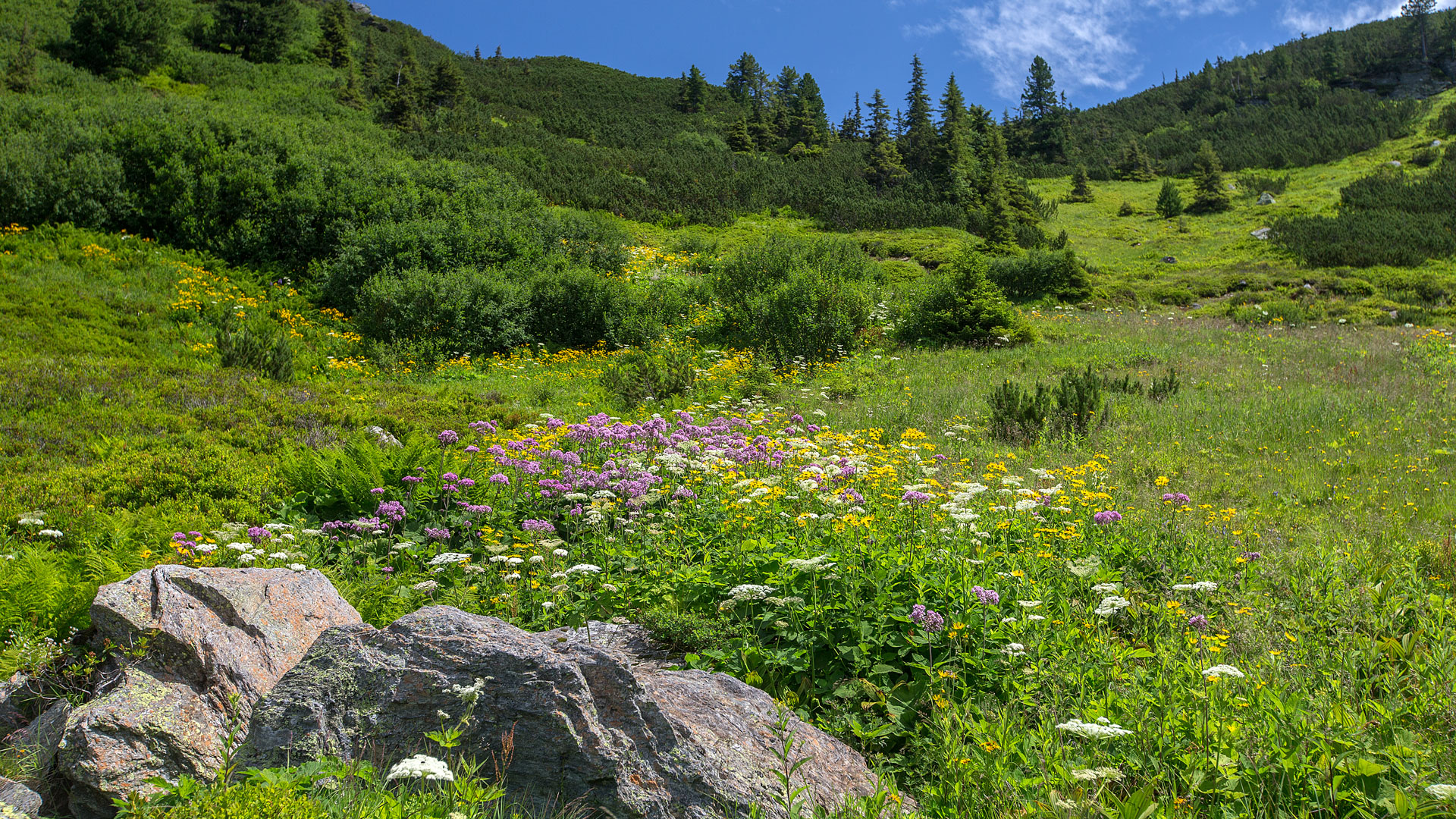
Plant communities responded most quickly to warming at higher elevations
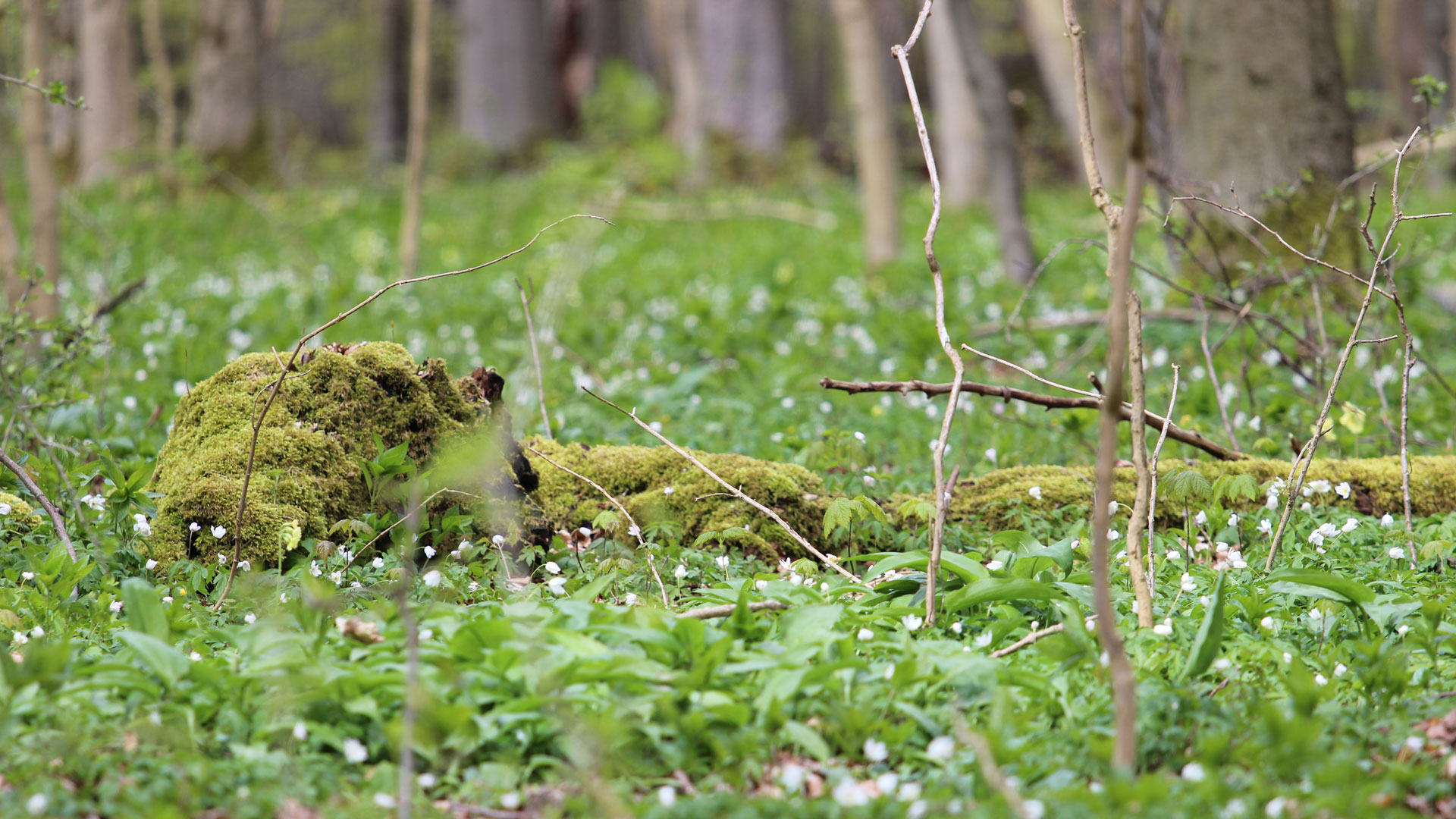
In all ecosystems, changes in plant communities lagged behind changes in local temperature. This delay (“climate debt”) was greatest among forest plants below the canopy.
Please note: Use of the pictures provided by iDiv is permitted for reports related to this media release only, and under the condition that credit is given to the picture originator.