Seasonal events in nature — when plants produce leaves, flowers open, fruits ripen, or animals mate — are happening earlier or later than they used to as the climate changes. However, the shifts in the timing of those seasonal events, which often present as earlier springs, longer fruiting windows, and altered breeding periods, are far more complex than they appear.
A new collection of papers published as a Special Focus issue in Functional Ecology, which spans organisms from lizards to olive trees, shows that the timing of seasonal events – phenology – is shaped by the interaction of species’ traits and climate change, with implications for species interactions and ecosystem functioning. The Special Focus issue was edited by researchers from the German Centre for Integrative Biodiversity Research (iDiv).
Across 13 studies, the authors demonstrate that these shifts reflect species’ functional strategies, shaped by a number of traits such as winter activity, carbon storage, genetics, and seed physiology. These trait–phenology relationships vary across climates, elevations, and biomes, highlighting how strongly context shapes seasonal timing.
“Society tends to think of seasonal shifts as simple responses to warming, but species differ significantly in how they respond to environmental change”, explains iDiv member Christine Römermann, one of the editors of the Special Focus and professor at the Friedrich Schiller University Jena. “The studies show how traits influence when a species’ grows, flowers, fruits, or breeds, and this variation is very important for understanding ecosystem responses.”
Together, the studies emphasise the importance of integrating observational networks like iDiv’s PhenObs with experiments and models to better understand the way environmental change and species’ traits combine to influence phenology. The studies highlight, among other things, that:
- climate change and invasive plant traits reshape seasonal food availability – Bender et al. (2025) found that non-native fleshy‑fruited plants in subtropical Andean forests produce fruits that overlap with native species’ production but overall provide most of the available fruits during the dry season. This shift could change when animals find food and may disadvantage native plants that rely on those animals for seed dispersal.
- underground plant parts help set seasonal timing – Schnablová et al. (2025) showed that differences in underground buds and stored energy reserves influence when plants begin growing and flowering each year. Different plants have different below‑ground structures, and those differences change when they can start growing and flowering. This means timing is not just about temperature — it is also about how the plant is built below ground.
- winter activity and leaf traits affect the timing of spring growth – Lubbe et al. (2025) found that some plants that keep green leaves through winter have denser, less photosynthetically active, and more frost‑tolerant leaves. These winter‑leaf traits influence how quickly plants can resume active growth in spring, shaping their overall seasonal timing.
- multiple interacting factors can shift breeding in lizards – Bodineau et al. (2025) found that warmer nights and limited food availability both shift when the common lizard breeds. These combined conditions can push breeding earlier or later.
- heat‑sum measures reliably predict plant timing – Rauschkolb et al. (2025) used data from the PhenObs network to test “growing degree days,” a straightforward way of adding up daily warmth to understand when plants grow and flower. Their results showed that this measure provides reliable predictions, helping researchers forecast how warming shifts seasonal timing.
- warming shifts flowering without changing floral traits – Leclerc et al. (2025) found that higher temperatures changed when plants flower, while traits like floral scent and flower temperature stayed the same. So while the cues that pollinators rely on are still available, the flowers appear at a different moment, creating a potential mismatch that stands to affect plant–pollinator interactions.
“These studies capture only a small part of the overall variety featured in the Special Focus, which together offers a broader view of how traits and climate shape seasonal timing across species and ecosystems”, adds iDiv’s Robert Rauschkolb, an editor of the Special Focus issue and PhenObs coordinator at the Friedrich Schiller University Jena.
Recognising the interplay between species’ traits and environmental change is essential for anticipating how ecological interactions and processes respond, the authors note.
Original publication
(authors and alumni with iDiv affiliation bolded)
Römermann, C., Rauschkolb, R., Bucher, S. F., Träger, S., & Hensen, I. (Eds.). (2026). Phenology-trait relationships across different scales and organisational levels. [Special Focus]. Functional Ecology, 40(5). DOI:
Contact
Dr Christine Römermann
Friedrich Schiller University Jena
German Centre for Integrative Biodiversity Research Halle-Jena-Leipzig – iDiv
Telephone: +49 3641 9-49985
E-mail: christine.roemermann@uni-jena.de
Christine Coester
Impact Unit
German Centre for Integrative Biodiversity Research Halle-Jena-Leipzig – iDiv
Telephone: +49 341 97 33197
E-mail: christine.coester@idiv.de
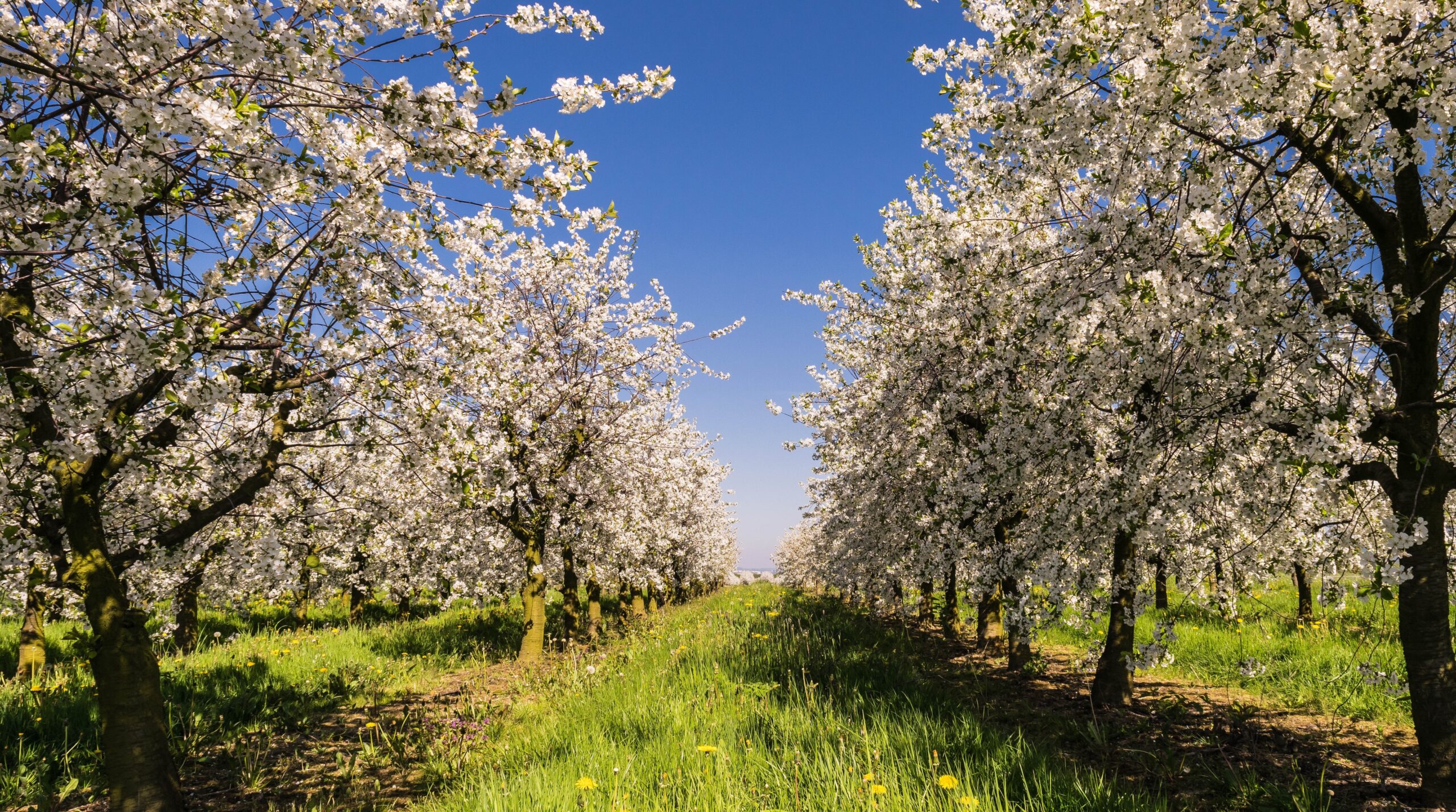
Please note: Use of the pictures provided by iDiv is permitted for reports related to this media release only, and under the condition that credit is given to the picture originator.