Presentations and Podcast
iDiv Podcast Interview with Susanne Fritz
Interview with Susanne Fritz for the iDiv Podcast Inside Biodiversity, episode 5 on August 2025.
GdNÄ Public talk by Susanne Fritz
Public talk (in German) by Susanne Fritz at the annual meeting of the Society of German Natural Scientists and Physicians (GdNÄ, Gesellschaft deutscher Naturforscher und Ärzte), October 2024: Klimawandel und Biodiversitätsverlust
University of Hamburg Institute for Geology Talk by Susanne Fritz
Talk (Webinar for MSc students) by Susanne Fritz in the seminar series of the Institute for Geology at the University of Hamburg, Germany, December 2023: Mammalian biodiversity and climate change: can the geological past inform our future?
Press Releases (selected)
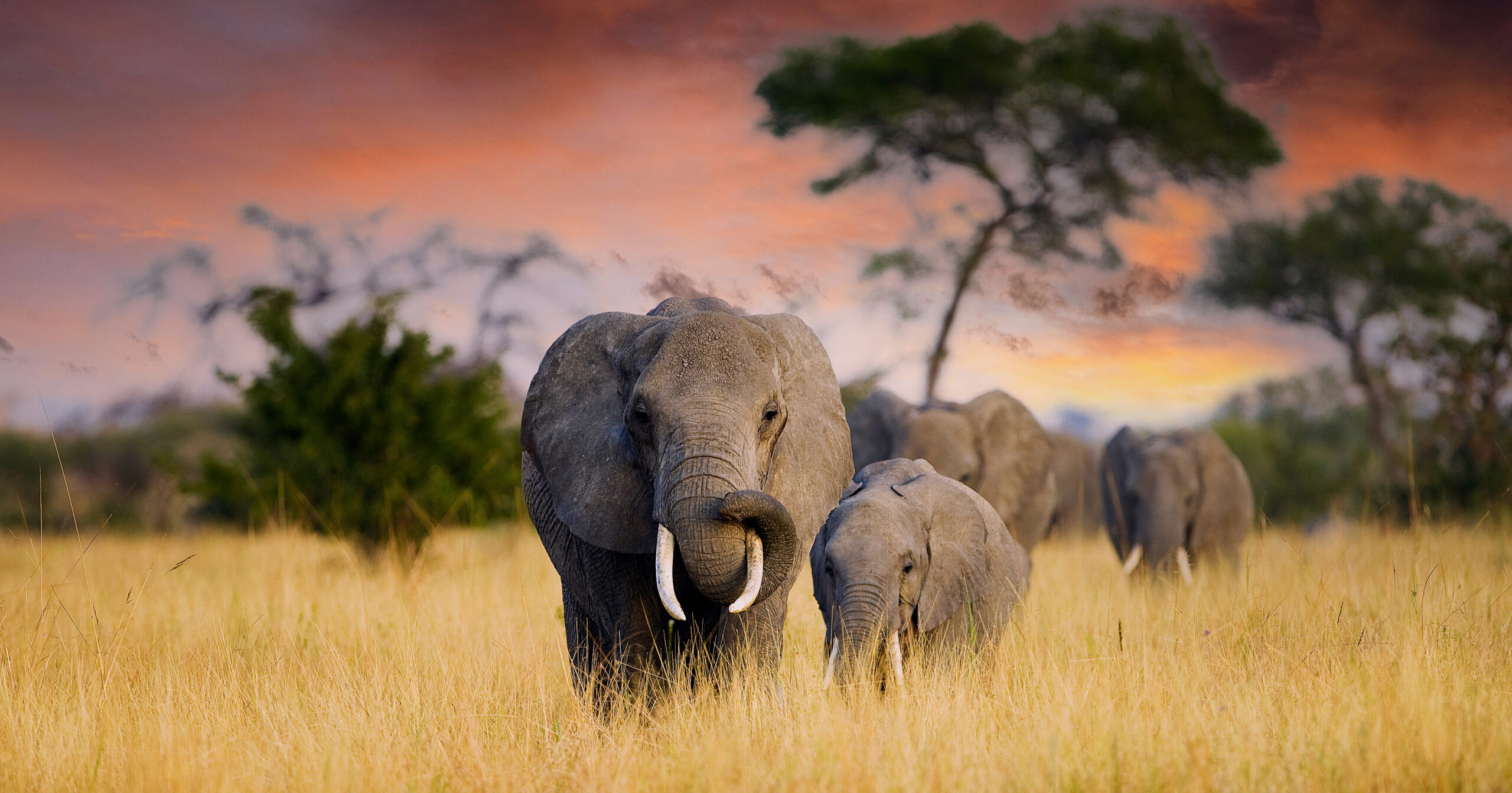
Elephants walk through Tarangire National Park
The Agony of Choice
18/09/2023 The Agony of Choice: In Which Nature Reserves Should We Invest in the Future? New online tool offers transparent choices for decision-makers to reach the 30×30 target. Senckenberg – Leibniz Institution for Biodiversity and Earth System Research, Germany.
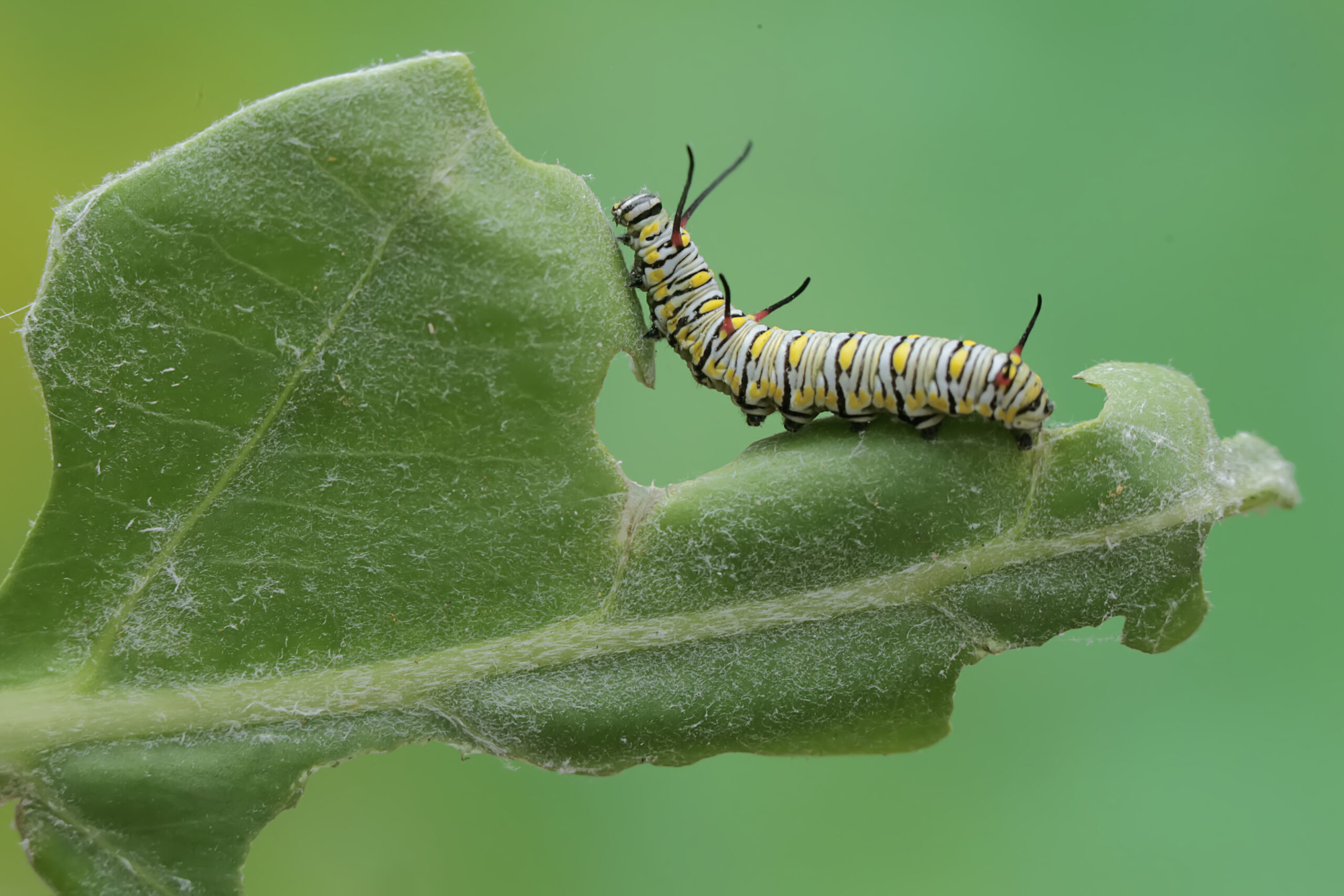
A caterpillar eating a leaf
The very hungry Caterpillar
07/08/2023 The very hungry Caterpillar: 60 Million-year-old Feeding Traces. Sharing of food plants as a driving force for insect diversity. Senckenberg – Leibniz Institution for Biodiversity and Earth System Research, Germany.
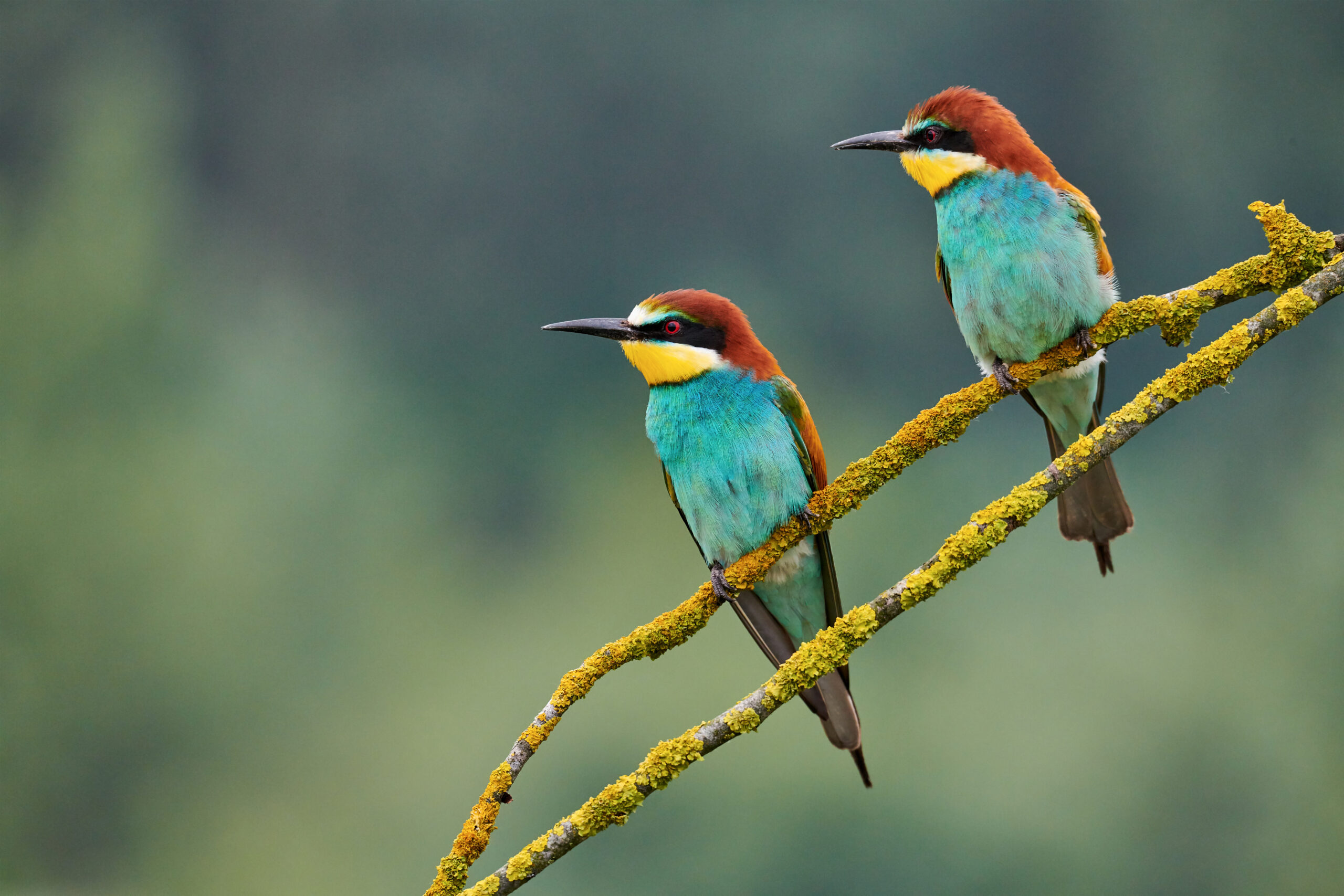
Two European bee-eaters (Merops apiaster) perched on a branch
Scientists envisage climate change will severely impact bird communities by 2080
03/08/2022 Scientists envisage climate change will severely impact bird communities by 2080. Durham University, UK.
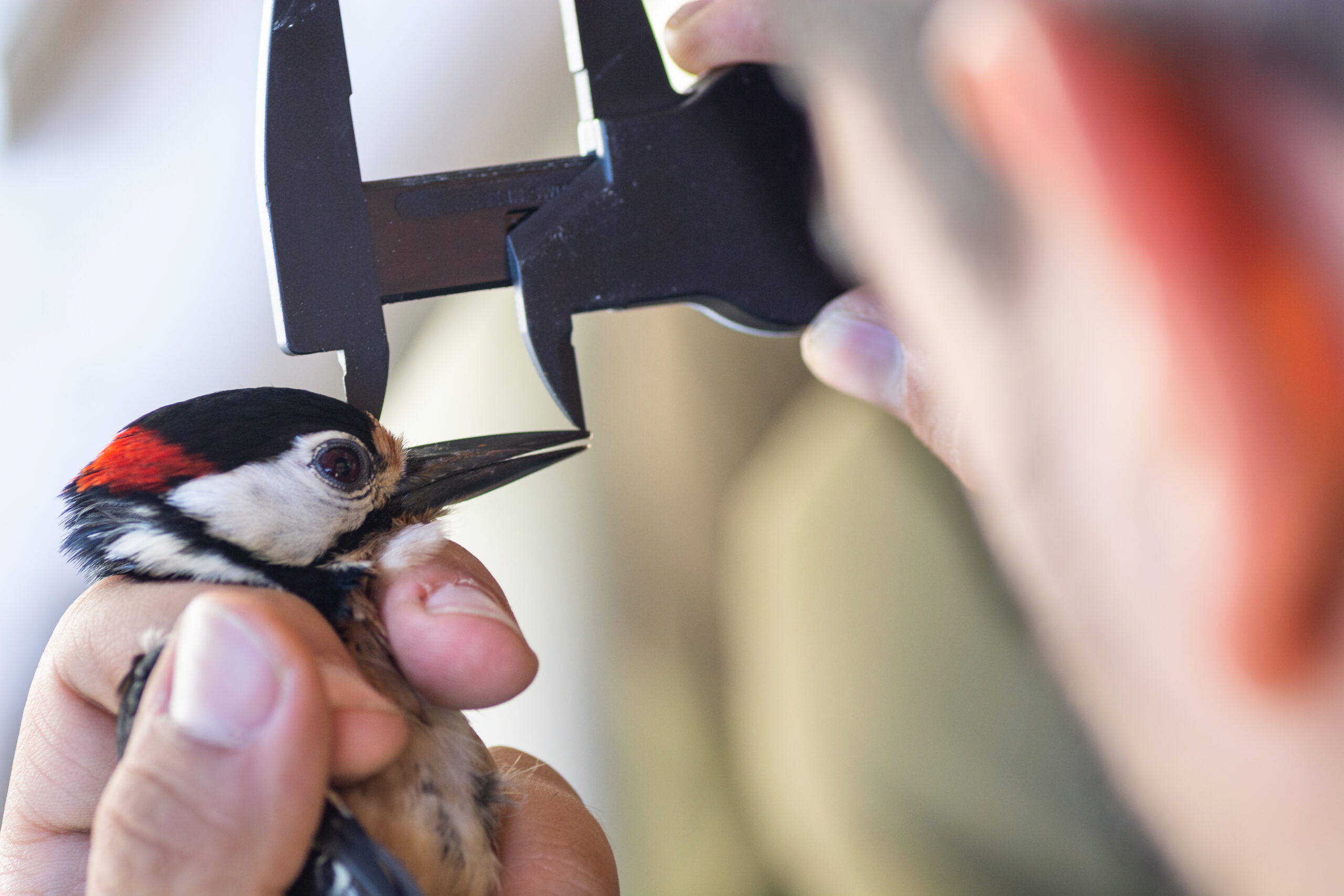
Scientist holding a great spotted woodpecker (Dendrocopos major) and measuring its beak
Body measurements for all 11,000 bird species released in open-access database
15/03/2022 Body measurements for all 11,000 bird species released in open-access database. Imperial College London, UK.

The Arctic Tern, Sterna paradisaea is soaring at the glacier lake Jökulsárlón in Iceland
A tale of two seasons
27/10/2020 A tale of two seasons: climate drives winter migration in birds but not the return to breeding sites. Senckenberg – Leibniz Institution for Biodiversity and Earth System Research, Germany